

Raised toilet seat with handles is an essential bathroom safety upgrade for many elderly and disabled individuals who struggle with mobility or balance. Whether you are worried about dangerous falls or want to make independent living easier, understanding the options and installation process is crucial. Below, we break down what these seat risers actually are, how to install them, potential drawbacks, and tips for choosing and using one safely—based on the latest research and real-world experience.
Key Takeaways
- Falls in the bathroom are a leading cause of serious injury and death in seniors, but no data confirms a direct reduction from using a raised toilet seat with handles.
- Installation and fit can vary, so checking compatibility with your toilet and reading user reviews is critical before purchasing.
- For full bathroom safety, combine toilet seat risers with other aids and realistic expectations regarding comfort and stability.
- What Is a Raised Toilet Seat with Handles and Why Use One?
- Step-by-Step Guide: Choosing and Setting Up a Raised Toilet Seat with Handles
- Advanced Analysis & Common Pitfalls
- Conclusion
- Frequently Asked Questions
What Is a Raised Toilet Seat with Handles and Why Use One?
A raised toilet seat with handles is an adaptive device designed to increase the height of your existing toilet. The added height reduces the distance needed to lower or lift yourself, while side handles provide extra support for sitting or standing. People recovering from surgery, those with arthritis, seniors, or anyone with balance issues often use these seat risers as part of a home safety strategy.
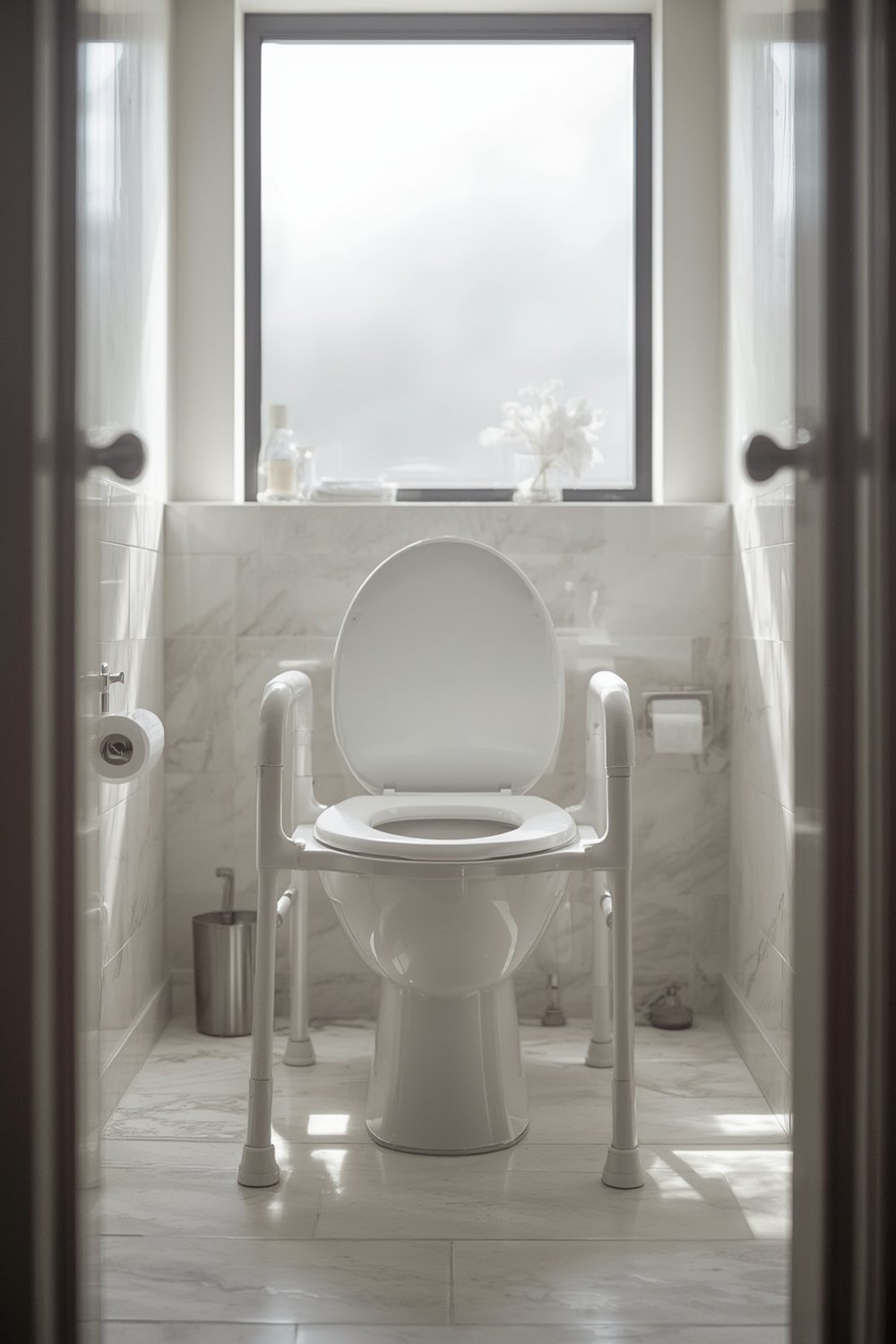
Bathroom falls are alarmingly common among older adults. According to the National Safety Council, more than 3.85 million people aged 65 and older were treated for falls in 2023, and over 235,000 people are injured in bathroom falls yearly. The risk factors include wet floors, cramped space, and difficult-to-access toilets.
Although no recent studies directly measure the impact of raised toilet seats with handles on reducing these injuries, the logic is straightforward: reducing the effort to sit and stand can help prevent loss of balance. Still, these devices are not a cure-all and should be part of a broader fall-prevention plan.
For other smart home and safety upgrades, consider exploring solutions like smart smoke detectors or under-sink organizers for easier access around the home.
Step-by-Step Guide: Choosing and Setting Up a Raised Toilet Seat with Handles
Getting the right raised toilet seat with handles is about more than just buying any model online. The right approach ensures the seat fits, works, and doesn’t cause frustration. Here’s how to do it:
- Measure your toilet – Know if you have a standard round bowl or elongated bowl. Measure the width and length at the seat mounting holes.
- Check weight capacity and seat height – Not all toilet risers are rated for higher weights. Pick a model that supports at least 250 lbs or more, depending on user needs. Seat heights vary (2-6 inches is common).
- Choose the right handle style – Some handles are fixed; some are flip-up or removable. Decide if you want them for both sides or one side only.
- Inspect the securing mechanism – Some risers clamp to the bowl, others bolt under your existing seat, and a few just rest on top (not secure for all users). Secure attachment is best for stability.
- Anticipate bathroom layout issues – Make sure the seat won’t block other fixtures. Account for space to grip and maneuver safely.
- Install the seat – Place the riser according to manufacturer’s instructions. Double-check that all bolts and clamps are tight. Gently “rock” the seat to ensure it’s stable before first use.
- Try a test sit and adjust as needed – Use the handles to lower and raise yourself. If the seat wobbles, re-tighten fasteners or adjust the fit. If the height feels wrong, some pads can make minor adjustments, but major mismatches require a product swap.
- Clean routinely – Wipe down with disinfectant after use. Remove and deep clean weekly to prevent odor and buildup under the seat.
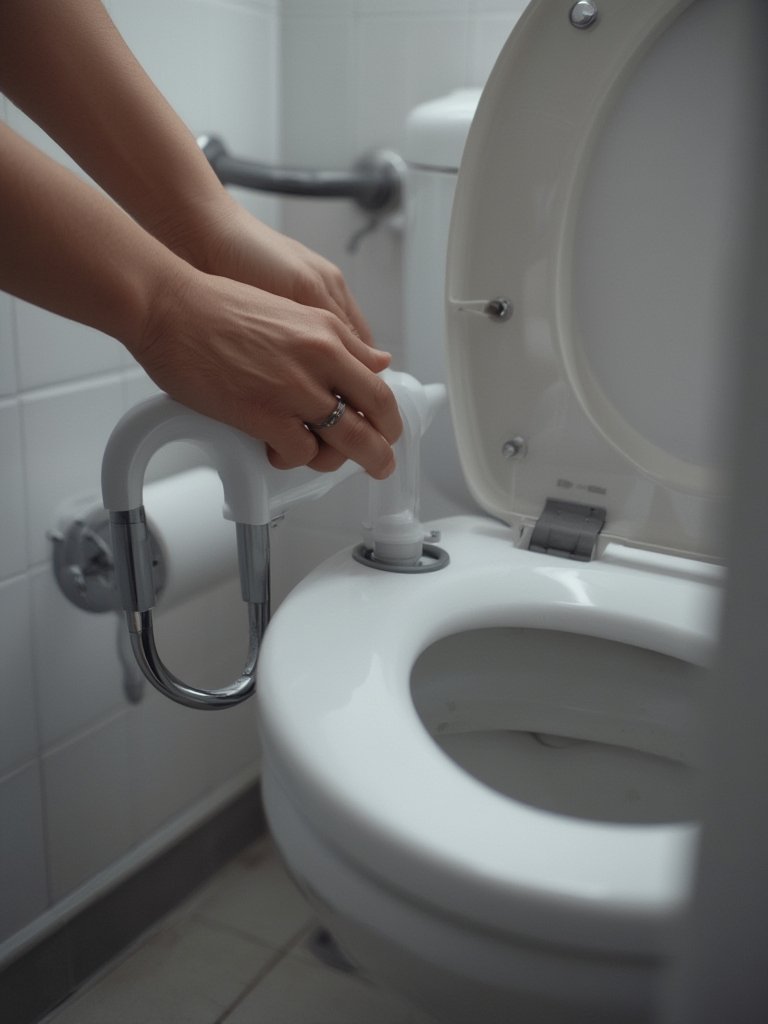
To prevent tripping risks around the toilet, it’s wise to pair a seat riser with extra support for sitting or grab bars, especially for those with advanced mobility challenges. For caregivers dealing with pets, consider pet hair removal tips to keep the bathroom fresh and safe.
For further reading on home safety devices, check out the benefits of a lift-top coffee table or a bidet toilet attachment as part of a bathroom upgrade.
Advanced Analysis & Common Pitfalls
Not all raised toilet seats with handles are equally user-friendly—or safe. Based on current research and buyer feedback, here are some key pitfalls and what to expect:
- Installation can be a hassle. Instructions are sometimes unclear, and improper attachment leads to instability—a real risk for falls.
- Fit issues – Many models don’t fit all toilets. Elongated vs. round bowls demand different products. Read reviews carefully, as manufacturers rarely cover this in detail.
- Comfort isn’t guaranteed. The height can feel awkward (too high or too low), and the molded plastic may be too hard for comfort over time. Armrests can get in the way if space is tight or the user is larger.
- Weight limits matter – Exceeding manufacturer weight ratings could cause cracking or even sudden failure.
- Cleaning challenges – Removable seats make cleaning easier, but extra parts (like bolts and handles) mean more places for grime and bacteria to build up.
- False sense of security – Handles are helpful, but if not secured properly, they may shift under load.
There’s no single “best” model: look for solid construction with secure locking, check all measurements twice, and consider whether you prefer permanent or removable installation. There is no evidence that these devices alone prevent bathroom falls, but they remain a practical aid if chosen and installed wisely. To further lower risk, seniors should keep the bathroom dry, install non-slip mats, and use nightlights to improve visibility.
| Problem | Why It Matters | What to Do |
|---|---|---|
| Wrong Fit | Loose or unstable riser leads to tipping and falls | Thoroughly measure and compare before purchase, read third-party user feedback |
| Difficult Assembly | Improper attachment poses hazard | Get help for installation; test all clamps and bolts |
| Low Weight Limit | Could crack under pressure | Find models rated for user weight plus safety margin |
| Awkward Handles | Can limit access or feel tight for larger users | Opt for adjustable or removable handles if needed |
| Hard to Clean | Mold and odors may build up | Select smooth, easy-to-wipe surfaces; clean thoroughly |

For additional barrier-free home upgrades, review solutions like a virtual dog fence for pet safety or a smart litter box if pet care and human safety need to coexist.
If you want information on safety statistics for other scenarios, resources at the Campbell County Health and Safe Step provide in-depth looks at fall risks.
Conclusion
A raised toilet seat with handles is a practical tool for supporting mobility and independence, but it’s not a silver bullet for bathroom safety. Most users benefit from easier transfers and extra support, but the key is choosing the right height, weight rating, and installation method for your toilet and body type. Real-life results depend on good fit, secure attachment, and pairing with other safe bathroom practices. If you are considering a raised toilet seat with handles, be realistic about your needs, measure carefully, and don’t be afraid to seek help with set-up.
Ready to improve bathroom safety? Find the right model for your home and take the time to install it properly—you’ll thank yourself every day. For more advice on accessible home upgrades, explore our other guides and make mobility a priority.
Frequently Asked Questions
Are raised toilet seats with handles compatible with all toilets?
No, not all models fit every toilet. Always check if your toilet is round or elongated and compare the dimensions to the product specs before buying.
How high should a raised toilet seat with handles be?
It depends on user height and mobility level. Most people find a 3- to 5-inch lift works, but measuring from the floor to the back of the thigh (while standing) is best. If unsure, consult a physical therapist for an exact fit.
How do I secure a raised toilet seat with handles for maximum stability?
Follow the manufacturer’s instructions closely. Clamp-on or bolt-through designs usually offer better security than loose or friction-fit models. Always test by putting gentle weight on the handles before regular use.
How do I clean a raised toilet seat with handles?
Wipe down with disinfectant after each use. Remove the seat weekly for deep cleaning, scrubbing all contact points, clamps, and handles to avoid odors and bacterial buildup.
Do raised toilet seats with handles prevent bathroom falls?
No published studies confirm that they prevent falls. However, they make it easier to sit and stand, which can reduce the risk for many users if combined with overall bathroom safety measures.
—