

Pet probiotic supplement powder is quickly becoming a go-to solution for pet owners trying to support healthy digestion and immunity in both dogs and cats. But choosing the right product and using it properly isn’t always straightforward. Let’s break down the latest research, real safety concerns, and actionable steps for effective daily gut health support.
Key Takeaways
- Recent veterinary studies show several key probiotic strains—when included in a supplement powder—can improve digestion and immune markers in dogs and cats.
- Product safety, live strains, ingredient transparency, and storage stability are not always addressed on competitor blogs—real risks remain for pets with sensitivities.
- Choosing a pet probiotic supplement powder requires reading labels, checking for proven strains, and understanding how processing affects effectiveness.
- What Is Pet Probiotic Supplement Powder and Why Does It Matter?
- How to Choose and Use a Pet Probiotic Supplement Powder (Step-by-Step Guide)
- Advanced Analysis: Science, Pitfalls, and Real-Life Problems
- Conclusion: Making Pet Probiotic Supplement Powders Work For Your Pet
- FAQ
What Is Pet Probiotic Supplement Powder and Why Does It Matter?
Pet probiotic supplement powder refers to a blend of live microorganisms and, in some cases, prebiotics packed in a convenient, mixable powdered form for daily use in dog and cat diets. The main goal is to help balance the gut microbiome, support digestion, and bolster natural defenses against GI upsets and immune weaknesses.
According to several clinical studies published in 2024, proven strains such as Lactobacillus, Bifidobacterium, Enterococcus faecium, and spore-formers like Bacillus subtilis have measurable effects. Examples include increased fecal IgA (better immune signaling), improved stool quality, fewer digestive upsets, and reduced fecal odors in both species. (source, source)
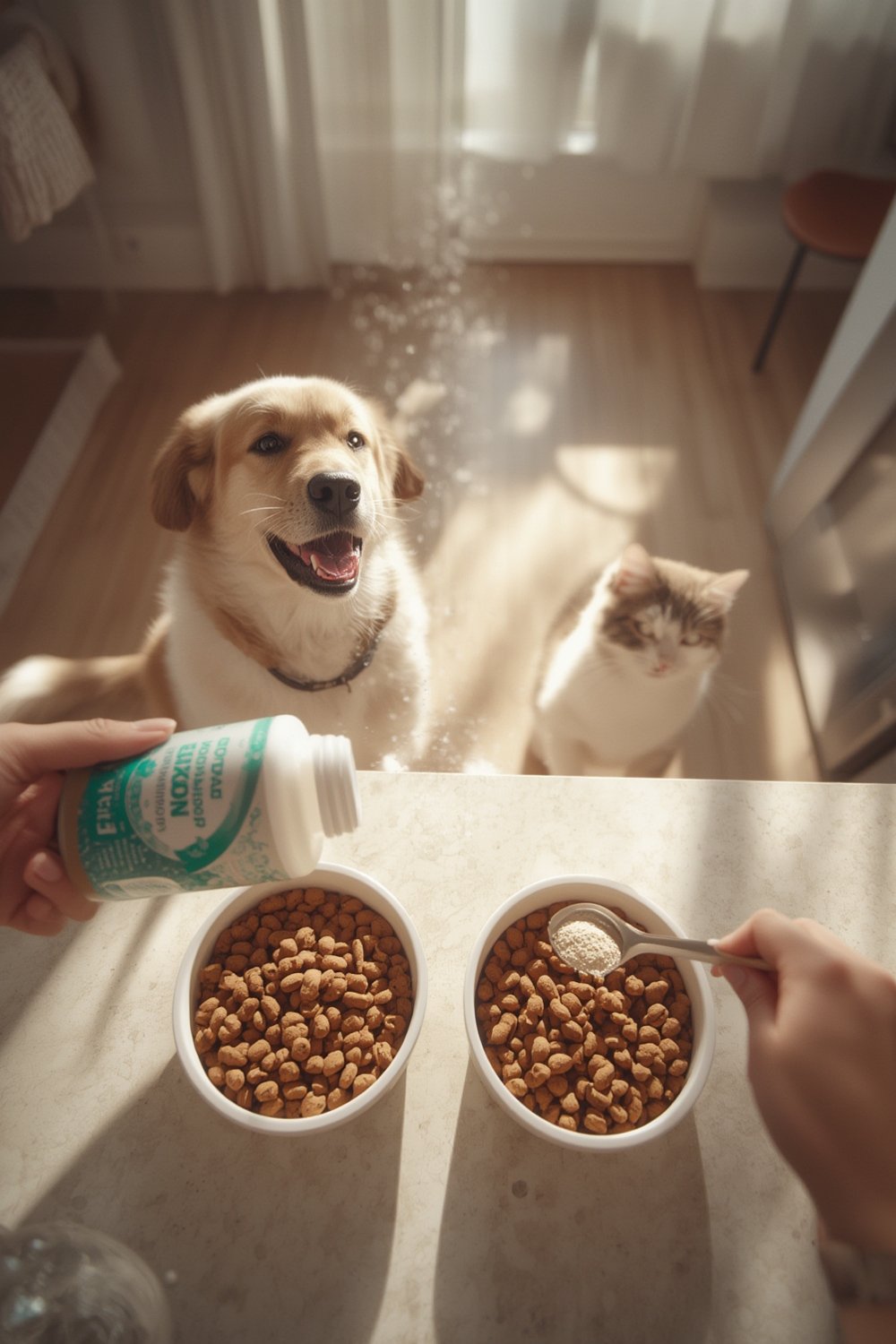
While most grocery or pet store probiotics target general digestion, powders may offer higher potency, specific strain delivery, and easier dosing for picky eaters. This is especially useful for pets on prescription diets or with chronic digestive trouble. For more on managing pet diets, see our sensitive stomach dog foods.
How to Choose and Use a Pet Probiotic Supplement Powder (Step-by-Step Guide)
- Read the Label Closely:
Check for transparency. Look for strains specifically named on the label—such as L. acidophilus, L. johnsonii, Bifidobacterium, Enterococcus faecium SF68, or Bacillus subtilis C-3102. “Proprietary blend” with no strain details is a red flag.
- Prioritize Proven Strains:
Opt for powders containing the strains supported by clinical research: results published in 2024 consistently cite those listed above as effective for improving stool, digestibility, and immune response (source).
- Look for Stability and Viability:
Powders are only beneficial if the probiotics survive until they reach your pet’s gut. Lactic acid bacteria like Lactobacillus and Enterococcus can lose potency with time or poor storage, so check for a “live CFU at expiry” guarantee, or opt for spore-forming strains which are naturally more shelf-stable.
- Check for Third-Party Testing and Fillers:
Brands serious about quality will certify each batch for microbe counts and screen for contaminants. Avoid products with lots of fillers or mystery ingredients.
- Introduce Gradually to Diet:
Mix with a small amount of food—wet food or a dog puzzle feeder can increase acceptance. Start slow and monitor for any signs of GI upset.

Also consider hydration—good gut health often goes hand in hand with hydration. A pet water fountain encourages more drinking, which may further aid digestive balance, especially for cats prone to constipation.
Storing powders in a cool, dry place is another simple but often overlooked step. Improper storage is a frequent cause of loss of potency, so avoid leaving the container near heat or in direct sunlight.
Looking for ways to enrich your pet’s environment while supporting gut health? Explore dog enrichment toys to reduce stress, another key factor in digestive wellness.
Advanced Analysis: Science, Pitfalls, and Real-Life Problems
Veterinary research clearly supports the value of defined probiotics in improving canine and feline gut health. These effects include:
- Increased adaptive immunity (higher IgA levels)
- Better stool quality and digestibility
- Reduced diarrhea, vomiting, and GI symptoms
- Limited but notable shifts in overall microbiome balance
Yet, several real-world pitfalls can undermine these benefits:
| Pitfall | Explanation | How to Avoid |
|---|---|---|
| Unlisted strains, “Proprietary blend” only | No way to verify if effective, proven strains are included or viable | Demand strain-level transparency and proof of species |
| Lack of CFU viability guarantee | Count at “formulation” often overstates what your pet actually consumes | Look for “CFU at expiry” or opt for spore-based options |
| No third-party quality certification | Potential for contamination (salmonella, yeast), especially for immunocompromised pets | Choose reputable brands, ask for certificates, or consult your vet |
| Over-reliance on probiotics for all symptoms | Probiotics can’t fix underlying food allergies, parasites, or serious GI disease | Use probiotics as part of a broader gut health strategy |
| Storage and Handling Mistakes | Heat or humidity ruins many lactic acid bacteria strains | Store in a cool, dry place—don’t buy if the retailer leaves product in the heat |
Most competitor articles skip over important risks. In rare cases, pets with immune compromise or severe illness may experience GI upset from abrupt microbiome manipulations. There are also no current legal requirements in the US for pet supplement powder certifications or vet validation (source). Always ask your veterinarian before starting any gut supplement—especially for puppies, kittens, or pets on multiple medications.
Remember, powders without harsh fillers may cause less digestive disruption than flavored chews or tablets that use sodium, binders, or artificial additives. Concerned about ingredient quality in other products? Read our guide to cat dental water additives for more tips on label reading.
Conclusion: Making Pet Probiotic Supplement Powders Work For Your Pet
Clinical science supports using carefully selected pet probiotic supplement powder to address mild digestive issues and support healthy immunity in both dogs and cats. To get real results, focus on proven strains, transparent labeling, proven storage stability, and gradual introduction. The best outcomes come from using probiotics as part of an overall wellness plan, not a cure-all. When in doubt, consult your vet and always read the fine print. Ready to improve your pet’s digestive health? Find a safe, high-quality pet probiotic supplement powder and introduce it step-by-step—your pet’s gut will thank you.
Want more pet wellness tech? Check out our new guides for GPS dog fences and automatic litter boxes to round out your pet’s holistic care routine.
FAQ
What probiotic strains are backed by veterinary research for pets?
Strains like Lactobacillus acidophilus, Lactobacillus johnsonii CPN23, Bifidobacterium spp., Enterococcus faecium SF68, and Bacillus subtilis C-3102 have shown clinical benefits for digestive and immune health in 2024 studies.
Can a probiotic supplement powder cause side effects in pets?
Most pets tolerate quality probiotic powders well, but sudden changes can cause mild gas or loose stool. Pets with underlying illness or on immune-suppressants could react more strongly, so introduce slowly and consult your vet for vulnerable animals.
How do I know if a pet probiotic powder is actually working?
Look for signs such as improved stool quality, reduced flatulence, less vomiting, or increased energy after a few weeks. Not every change will be dramatic; tracking symptoms day-to-day is wise. If your pet develops new GI signs or symptoms persist, discuss with your vet.
Is there a certification or regulatory standard for pet probiotics?
Currently, there is no universal US or international certification for pet probiotic supplement powders. Some brands may display the NASC Quality Seal, but vet-backed legal standards remain limited as of 2024.
Can dogs and cats use the same probiotic supplement powder?
Some strains are safe and beneficial for both species, but not all. Check product labeling—those using strains validated in both dogs and cats (like E. faecium SF68 or certain Lactobacillus) are best. Always introduce slowly and monitor for reactions.
—