

native plant garden kit demand has never been higher, as eco-friendly landscaping and pollinator support take root across North America. Thinking about transforming a patch of your yard into a sustainable, low-maintenance habitat? This guide walks through the facts, realistic challenges, and step-by-step strategies to make your native garden kit a success—no sugar-coating, no jargon.
Key Takeaways
- Native plant garden kits are growing rapidly but require region-appropriate selection and careful first-year care for real success.
- Plugs speed up results, but cost 10–20x more per square foot than seed kits; both have pitfalls like species mismatch and weed pressure.
- Setting realistic expectations—multi-year growth, seasonal maintenance, and wild beauty—prevents disappointment and boosts ecological impact.
Table of Contents
The Core Concept
Native plant garden kits bundle together region-appropriate native plants or seeds—typically curated for pollinator value and local adaptability—to help homeowners quickly establish natural, biodiverse gardens. Unlike generic wildflower mixes, high-quality kits source their species from local ecotypes (genetic lineages adapted for your area), and may come as live plugs or seed blends targeting 50–150 square feet.
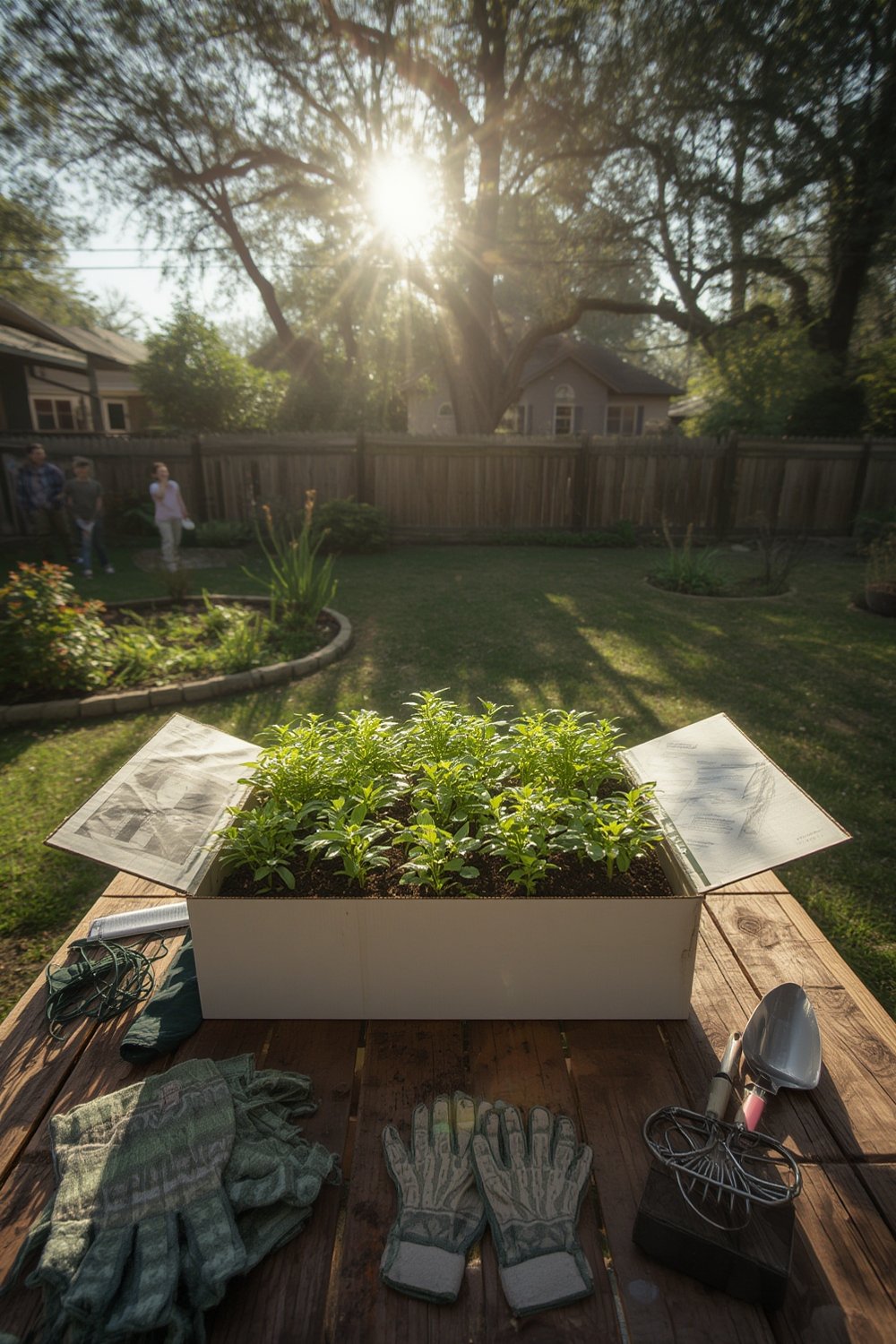
Why use them? Simple: native kits fast-track ecological gardening, boost pollinators, cut maintenance long term, and even reduce stormwater runoff. The market in North America is surging, with natives increasingly making up 10–17% of nursery production and programs like the Plant for Pollinators and Native Plant Trust running annual sell-outs. Source. But growth also brings buyer pitfalls—especially for those expecting instant, low-effort results.
Step-by-Step Guide
Ready to install a native plant garden kit? Here’s how to steer clear of common mistakes, from kit selection to first blooms.
- Choose the right kit—don’t settle for generic mixes: Use reputable programs that specify local or eco-regional seed/plants. Look for coverage details (e.g., “fills 75 sq ft, 7 species, sun/dry”). Cross-check the kit’s list with your zone (Native Plant Trust example).
- Prep site methodically: Remove existing sod and roots in spring or (preferably) in fall for spring planting. Pre-emergence weed control, e.g., smother with mulch or tarp, reduces early competition.
- Plant properly—for plugs and seeds:
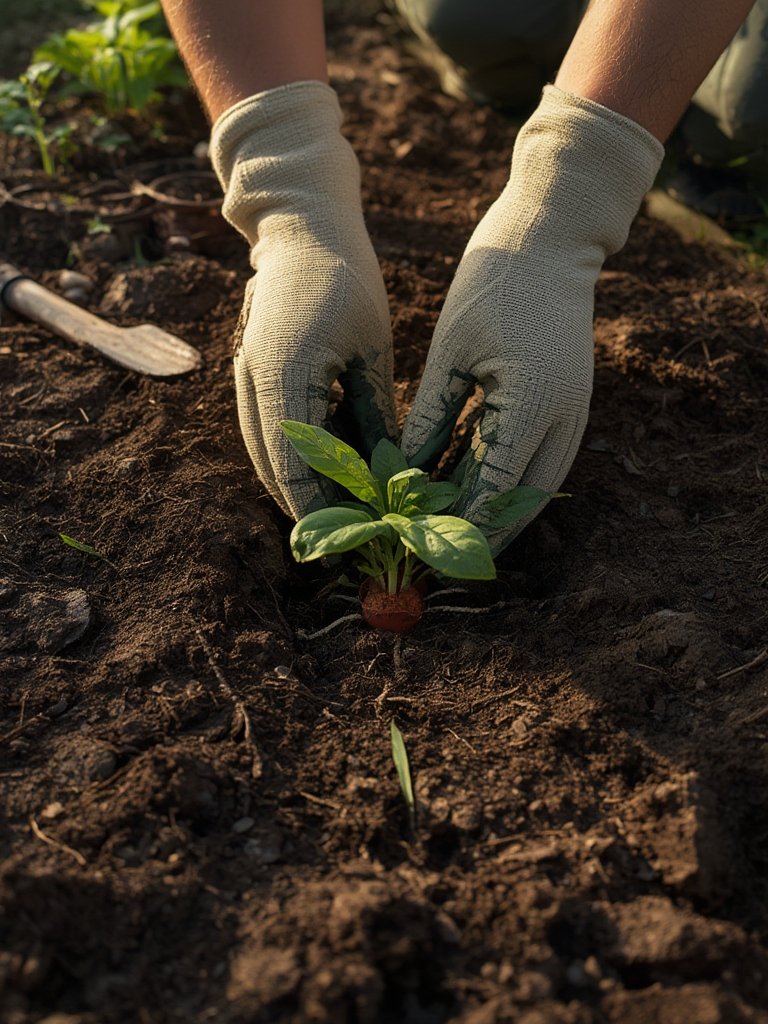
- Plugs: Plant as soon as possible. Keep roots moist, never waterlogged. Dig wide/deep enough for roots to sit straight. Press soil gently but firmly—don’t bury the crown.
- Seeds: For species needing cold stratification, sow in late fall or refrigerate as directed. Follow species’ instructions for sowing depth (many need light to germinate). Water consistently but avoid soggy conditions.
- Space and coverage: For plugs, aim for 1 per 1–2 sq ft unless kit says otherwise. Don’t under-plant—sparse gardens disappoint and let weeds flourish. If in doubt, use this rule: better slightly dense than too thin!
- Water & protect the first year: Even drought-tolerant natives need regular water until roots establish, especially in hot spells. Protect young plantings from trampling and mulch lightly to retain moisture.
- Expect patience: Natives can look sparse, weedy, and underwhelming year 1. Most won’t “fill in” until year 2–3. Resist over-mulching or pulling slow seedlings you think are weeds—use supplier guides to ID true seedlings.
- Edit and adapt: After year 1–2, thin aggressive species, and consider overseeding bare spots in fall. Spot-test for invasives drifting in. Accept that some species will perform better than others.
For those battling drought or water bans, a well-chosen native plant garden kit is a smart, sustainable alternative to water-intensive lawns or even artificial turf. See our drought-tolerant grass seed guide if you want to mix natives and tough grasses.
Advanced Analysis & Common Pitfalls
Even specialty kits have limits—and first-timers face recurring headaches. Here’s what the data and real-world reviews reveal:
Common Pitfalls
- Wrong region or conditions: Kits labeled “North American” may include species that flop outside their true range (e.g., prairie species in the arid West). Always check USDA zones and local ecotypes. Research confirms local adaptation matters.
- Poor instructions: Many kits provide vague timelines, little on cold stratification, or omit weed management details. This leads to failed germination, confusion distinguishing weeds from seedlings, or overwatering. High-quality kits (NANPS) stand out for clear guidance.
- Shipping & packaging issues: Dried plugs, mixed seed bags lacking labels, or root-bound transplants reduce success rate. Picking up from local sales reduces stress and increases survival. See our guide to vertical gardens for more on plant transport.
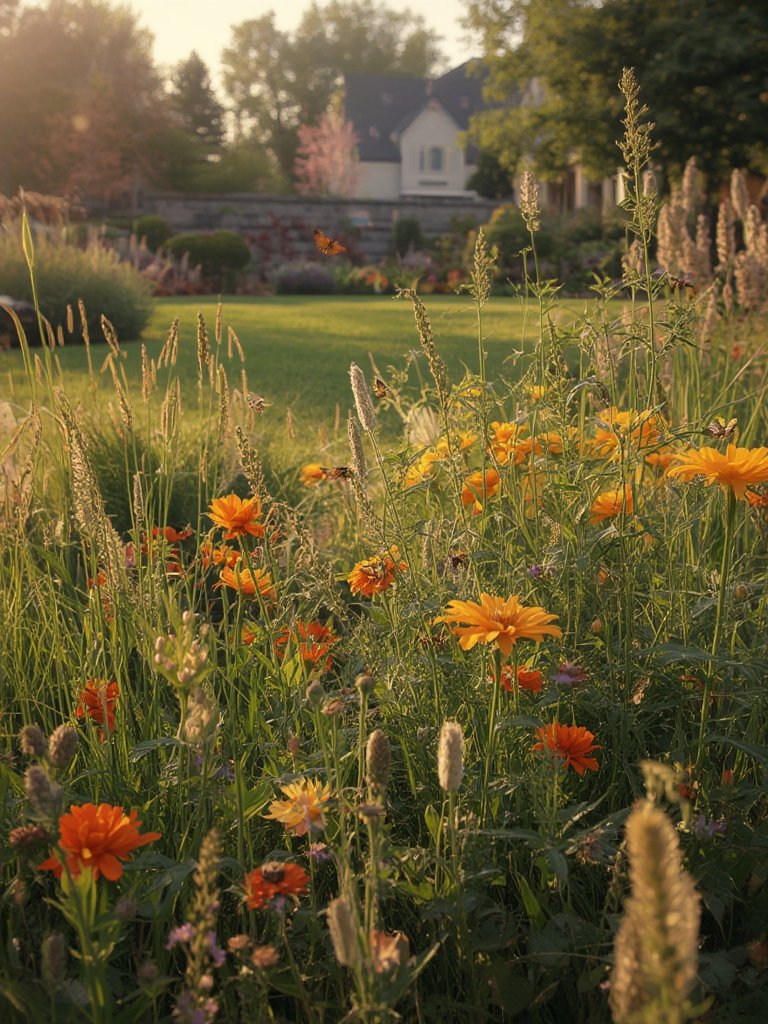
- Expectations vs. reality: Native gardens look sparse and “wild” the first two years. Many buyers expect instant color, but true natives don’t behave like annual beds or formal ornamental borders—especially from seed.
Plug Kits vs Seed Kits: At-a-Glance
| Feature | Plug Kits | Seed Kits |
|---|---|---|
| Avg. Cost (2024) | $2–3/sq ft | $0.1–0.3/sq ft |
| Visual Results | Faster (6 mo–1 yr) | Slower (1–3 yr) |
| Success Rate | More reliable | Variable (germination varies, weeds compete) |
| Complexity | Lower | Higher (stratification, ID, weed management) |
| Ecological Impact | High—if regionally matched | High—if regionally matched and managed well |
For patios, decks, or micro yards, you might also consider a raised mobile planter to test smaller native kits or seed mixes before scaling up.
Conclusion
Native plant garden kits promise easier access to sustainable, beautiful landscaping and pollinator habitat—but only when matched correctly to your local region and managed with realistic expectations. Choose kits from trusted programs, prep your site thoroughly, and be patient—true native gardens are multi-season projects, not quick fixes.
If you’re ready to make a tangible environmental impact while cutting down on yard work, invest in a native plant garden kit designed for your region. Don’t forget to bookmark this guide, share with a gardening friend, and browse our compost tumbler bin guide to boost your soil’s health and your garden’s resilience.
FAQ Section
Do native plant garden kits really support pollinators better than regular wildflower mixes?
Yes, but only if the kit uses species native to your region. Natives co-evolved with local pollinators, providing critical food and nesting resources that exotics or generic mixes rarely match. Always check the species list for region-specific selections.
How long does it take to see full results from a native plant garden kit?
Expect real results over 2–3 years. Plugs offer quicker visual impact (6–12 months), while seed kits can look sparse or weedy in the first year. Most gardens “fill in” by year three.
Do I need to water a native plant garden after establishment?
Usually not, once plants are well-rooted and adapted to the local climate. However, the first year is critical—consistent watering is needed until roots are deep and established, especially during hot, dry spells.
Should I buy a plug kit or a seed kit?
Plug kits are more expensive but establish faster and with less risk of failure. Seed kits require more patience and weeding but cover more area for less cost. Choose based on your budget, effort tolerance, and site size.
Can native plant garden kits be used in containers or raised beds?
Yes, especially for plug kits. Just ensure good drainage, matching soil to the species’ native conditions, and pick a kit designed for your USDA zone. For deck planters and beginners, our guide to vertical garden systems may help you get started.
—