

Drought-tolerant grass seed has shifted the way homeowners, city planners, and landscapers approach lawn care in areas facing water restrictions. If you want a green yard with less irrigation, understanding how modern drought-tolerant lawn seed works—and what it cannot do—is crucial before you buy.
Key Takeaways
- Seed blend choice is more important than the brand; specific species combinations matter for drought resistance.
- Proper establishment and continued maintenance are needed for water savings—drought tolerant does not mean “no water, ever.”
- Drought tolerant lawns may look different (color, speed, texture) than traditional lawns; managing expectations is key.
The Core Concept: What Makes a Drought-Tolerant Grass Seed “Work”?
Not all “drought-tolerant grass seed” works the same way. It is not about the brand name or fancy packaging. What really matters is:
Which grass species and blend composition are inside the bag?
The latest university turfgrass research shows that seed blends selected for water efficiency—especially mixes dominated by tall fescue, Kentucky bluegrass (drought cultivars), buffalo grass, or newer types like TifTuf bermudagrass—can cut lawn water needs by 30–40% after establishment. However, every region and climate calls for its own “best” mix. Including even a modest percent of ryegrass, rough bluegrass, or other non-drought species often drags down real-world performance, especially in extended dry periods.
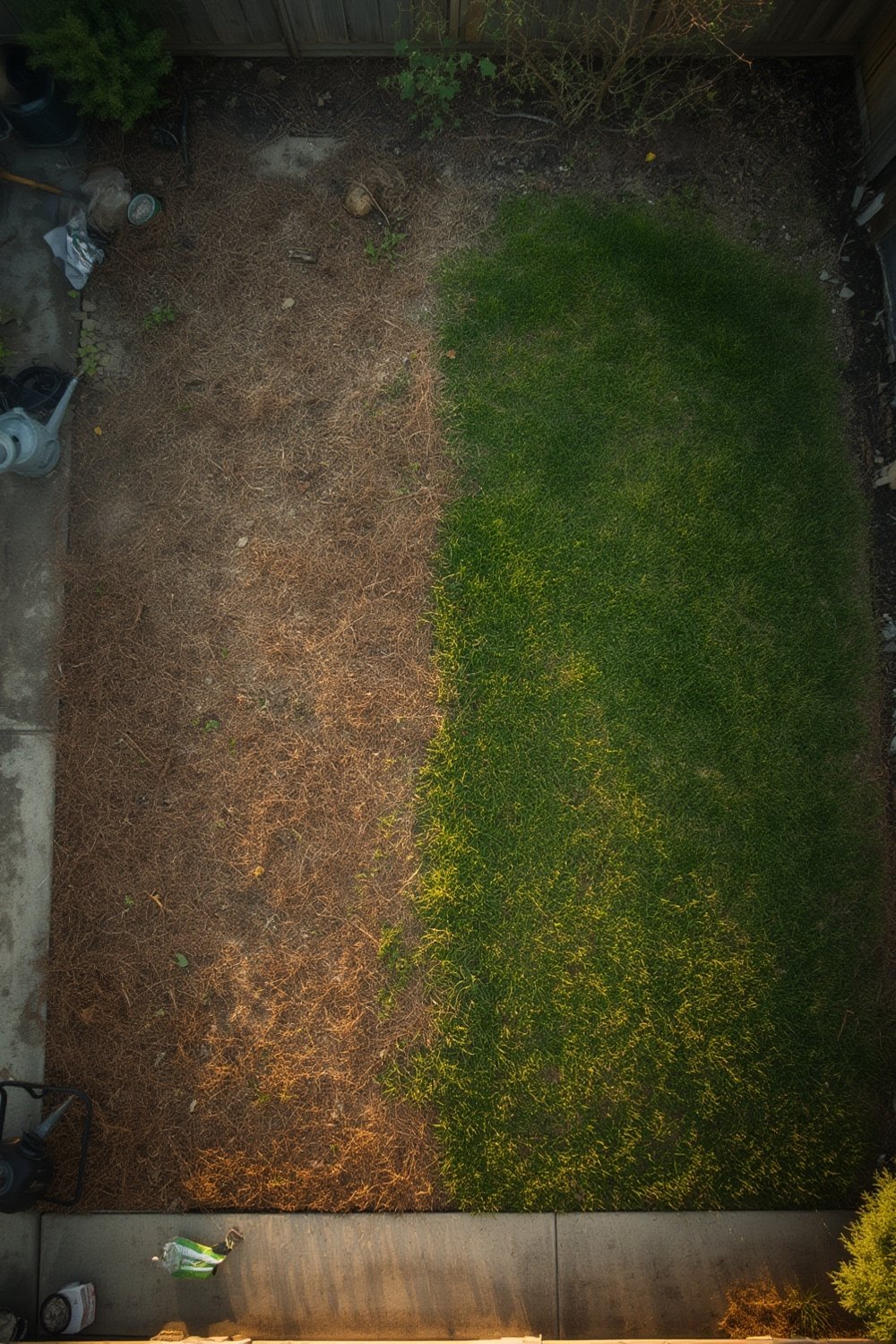
Drought-tolerant seeds also require active care during establishment—frequent shallow irrigation to achieve a full stand. Once mature, watering can be reduced, and the grass survives periods of drought by going dormant or slowing growth. Some mixes stay green much longer than others.
Trade-offs exist: these grasses may be slower to establish, look less lush, or have a different texture than fast-growing traditional lawns. Read on for step-by-step success—and what goes wrong if you skip vital steps.
Step-by-Step Guide: How to Select, Plant, and Maintain Drought-Tolerant Grass Seed
- Choose the right blend for your region.
- For dry Western climates, buffalo grass, TifTuf bermudagrass, or zoysia excel (source). At higher elevations, TWCA-certified tall fescue/bluegrass mixes outperform standard options (Utah case study).
- Upper Midwest/Northeast: Fine fescues (hard, sheep, creeping red) mixed with drought bluegrass or tall fescue work best (research).
- Hot/humid Southeast: TifTuf bermudagrass yields up to 40% irrigation savings compared to standard bermuda.
- Read the label.
- Look for full disclosure of seed species and their percentages. Avoid ryegrass-heavy mixes if water savings are a true priority.
- Seek germination rates above 80–85%. Certified or TWCA-qualified is better.
- Prep your site thoroughly.
- Remove weeds and old turf fully—use a shovel, sod cutter, or non-selective herbicide if needed.
- Loosen soil to 1–3 inches. Topdress with 0.25 inch of compost topdressing for moisture retention and seed-soil contact.
- Seed at the recommended rate and depth.
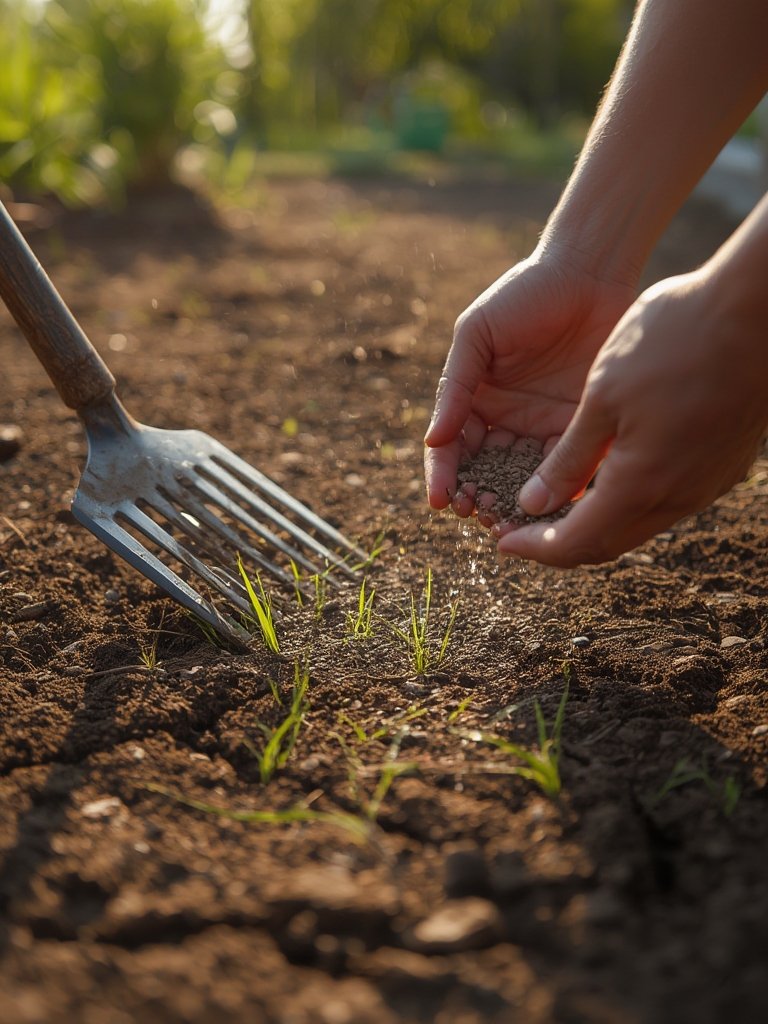
- Broadcast seed evenly. Press seed into the top 0.25 inch of soil—do not bury deeply. Cover lightly with compost or biodegradable mulch if desired.
- Keep the seedbed moist (not soggy) for at least 3–4 weeks.
- Water twice per day for 5–10 minutes (early morning and late afternoon). Adjust based on the weather. This is crucial even for drought-tolerant options—a neglected seedbed rarely germinates well.
- Once >90% of the seed has sprouted and is fingernail-tall, begin reducing water frequency. Switch to deep watering 1/week once roots are established.
- Monitor for weeds and thin patches.
- If weeds emerge, hand-pull or spot-treat. Do not mow until the lawn is at least 3 inches tall.
- Patience is needed, especially with slow starters like buffalo grass and fine fescues.
- Post-establishment, adjust mowing and irrigation for maximum drought tolerance.
- Set mower height at 3–4 inches for most drought blends. Higher cut = deeper roots and cooler soil.
- For truly drought-tolerant lawns, allow grass to go dormant during droughts; water only for survival, not “cosmetic green.”
- Incorporate compost annually if possible to improve root depth and water retention. This can work with both seeded lawns and artificial turf installations for hybrid areas.
Consistency is more important than speed. Do not rush to mow or overseed. These blends trade rapid growth for deep root establishment and long-term survival.
Need a low-maintenance option instead? For areas like pet runs where real growth is difficult, consider pet-friendly artificial grass turf as a supplement to seeded areas.
Advanced Analysis & Common Pitfalls
Even with premium drought-tolerant grass seed, most user complaints trace back to either poor blend selection or skipping critical establishment steps. Below are the leading pitfalls and mistakes:
| Common Pitfall | Causes | How to Prevent |
|---|---|---|
| Failure to keep seedbed moist during germination | Assuming “drought tolerant” means no watering at start; soil crusts and seed fails to sprout. | Water lightly 2x daily for 3–4 weeks until almost all seeds have sprouted. |
| Choosing blends with too much ryegrass or “filler” seeds | Seed bag lacks full blend breakdown; ryegrass dominates early, then browns under real drought. | Insist on full species percentages; avoid ryegrass-heavy mixes for water reduction goals. |
| Impatience with color or establishment speed | Expecting quick green-up; many drought tolerant species start slow and can appear patchy at first. | Allow full season for maturity; spot overseed slow areas with same drought hardy blend. |
| Dislike of seasonal dormancy or color change | Buffalo grass, zoysia, bermuda, and even fine fescues may brown or fade in certain seasons or under severe drought. | Adjust mindset: “functional green” is the goal, not country-club constant green year-round. |
| Weed pressure due to slow lawn fill-in | Bare patches persist, inviting weeds before turf fully establishes. | Maintain mulch layer after seeding, and spot-weed until grass thickens. |
| Ignoring soil pH and salinity | Extremes of pH (too low <4, too high >9) or salty irrigation reduce germination, especially for ryegrass and bluegrass. | Test soil and amend if needed; select blends proven for your soil type. |
| Mowing too short during drought | Scalped grass loses drought tolerance and invites weed invasion. | Raise mower to at least 3 inches after establishment, especially in summer. |
Looking at alternatives? For areas nearly impossible to irrigate, high-traffic pet spaces, or secondary areas, investigate dog enrichment toys for active outdoor play or vertical garden systems for creative low-water landscaping.
University Extension turf studies and municipal programs agree: even with the best drought-tolerant grass, skip the first month’s steady irrigation and clear labeling, and you may end up with brown patches or a weed farm.
Conclusion
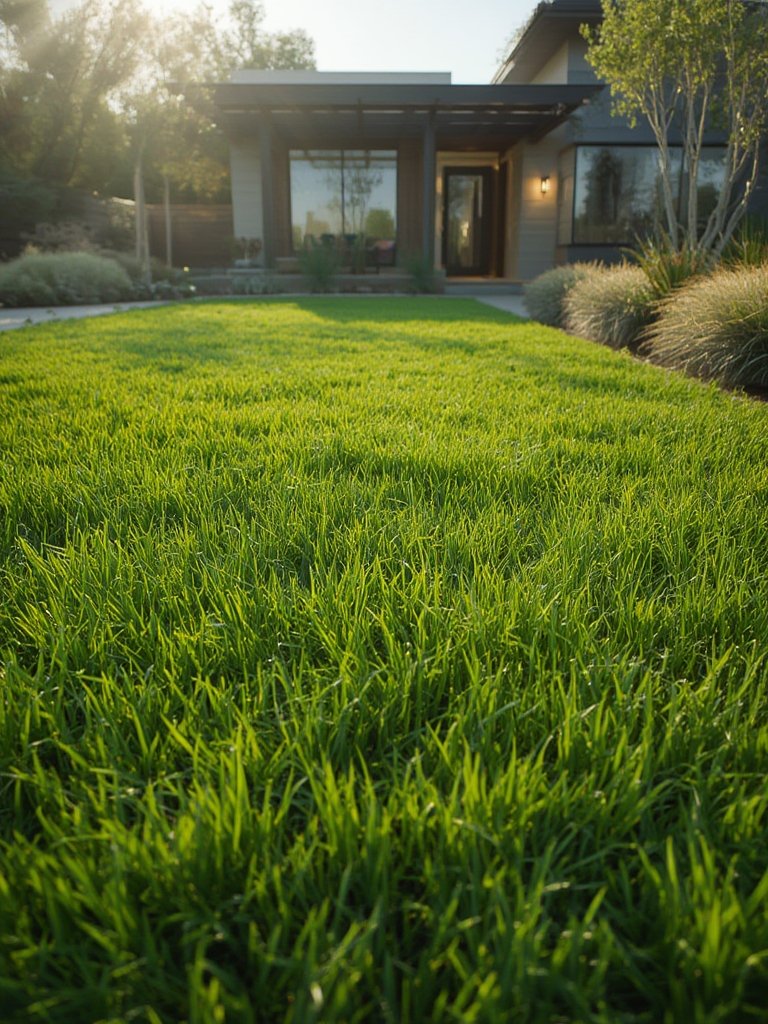
Drought-tolerant grass seed isn’t one-size-fits-all, but with the right blend for your climate, consistent watering during the first month, and proper aftercare, you can reduce your lawn’s irrigation needs dramatically. Expect a trade-off: establishment may be slower, color and texture may differ from what you’re used to, and dormancy is sometimes part of the deal.
For homeowners serious about sustainable landscaping, drought-tolerant grass seed offers proven water savings and resilience. Ready to transform your lawn? Start with a region-appropriate seed blend and follow the real-world steps above—or check out our smart sprinkler controller guide if you’re optimizing your entire irrigation system.
Not sure it’s right for you? Explore even more outdoor low-maintenance ideas, from smokeless fire pits to the best battery-powered lawn mowers for drought-stressed yards.
Take the next step: review your region, read your seed bag’s label, and plan for lasting results—feel free to ask more questions in the comments below.
FAQ
How long does it take for drought tolerant grass seed to establish?
Most drought tolerant blends require 3–4 weeks of consistent, shallow irrigation to germinate. However, varieties like buffalo grass may take a whole season to fully fill in. Be patient—speed is traded for deeper roots and better long-term drought resistance.
Do drought tolerant grasses always stay green without water?
No—most go dormant and turn brown under extended drought. The grass remains alive and will green up again when watered or after rainfall. Some fine fescues and modern bermudagrasses stay green longer, but all drought tolerant lawns can brown in tough conditions.
Can I just stop watering once the drought tolerant grass is established?
You should reduce watering by 30–40%, but completely abandoning irrigation may result in brown lawns during long dry periods. For maximum water savings, switch to deep, infrequent watering and accept seasonal dormancy as normal.
Why does my “drought tolerant” lawn have patchy or thin areas?
This is often due to skipping the initial watering phase, using a poor quality seed blend (lots of ryegrass or filler), or heavy weed pressure during slow establishment. Verify seed contents, water consistently for the first 3–4 weeks, apply compost topdressing at seeding, and spot-weed as needed.
Can I use drought tolerant grass seed in shaded yards?
Most drought tolerant species (like buffalo grass, bermuda, zoysia) need significant sunlight (at least 6–8 hours per day). For shade, use fine fescue blends, but accept somewhat less drought resistance than in fully exposed sites.
—