

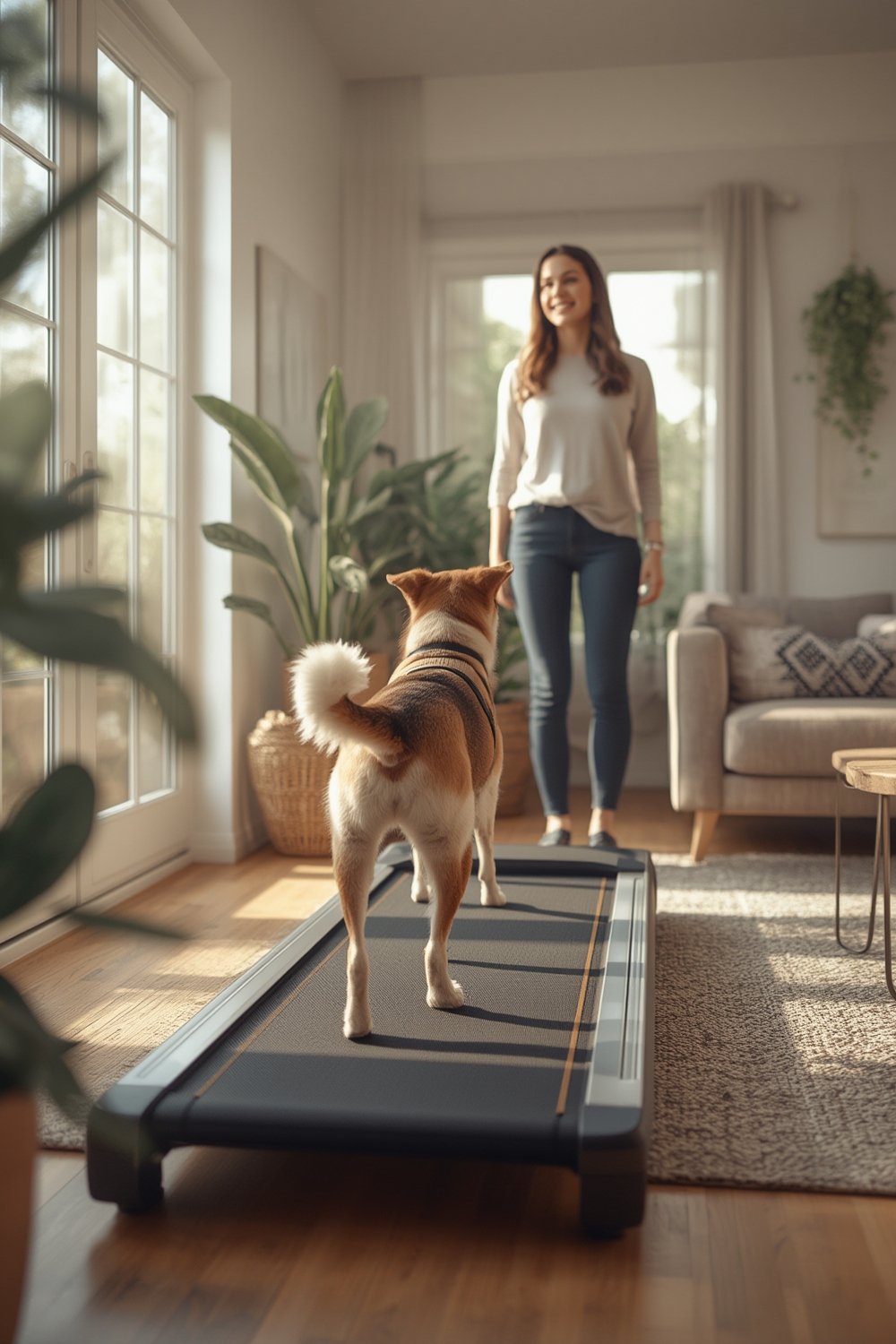
Dog walking treadmill indoor solutions are transforming exercise routines for large, high-energy dogs—especially in urban settings where outdoor space and routines fall short. If your apartment, schedule, or the weather has made it hard to keep your dog fit, here’s what you need to know (and what to avoid) before investing in an indoor dog treadmill.
Key Takeaways
- Indoor dog walking treadmills are booming, particularly for large breeds in cities where outdoor exercise is limited.
- Common pitfalls include noise, slow dog acclimation, safety concerns, and under-usage after the initial excitement fades.
- “Smart” WiFi-connected treadmills make exercise data tracking and remote use easier, but most lack evidence-based protocols for health or safety.
- Understanding Indoor Dog Walking Treadmills: What & Why
- How to Select and Train with an Indoor Dog Treadmill: Step-by-Step
- Advanced Analysis & Common Pitfalls
- Conclusion
- Frequently Asked Questions
Understanding Indoor Dog Walking Treadmills: What & Why
Dog walking treadmill indoor systems are motorized exercise machines sized and designed for canine use, letting dogs walk, trot, or jog even when outdoor time is limited. They’re increasingly adopted by urban pet owners for two reasons: insufficient access to safe green spaces and the reality that many breeds—especially large, high-energy dogs—need more daily activity than owners can reliably provide.
The global electric dog treadmill market was valued at USD 89.4 million in 2024 and is expected to nearly double by 2032[source]. Demand is highest in cities and among households with big dogs where time, weather, or neighborhood conditions mean the park or sidewalk just won’t cut it daily. Urbanization patterns and pet “humanization” are fueling the rapid rise in adoption[source].
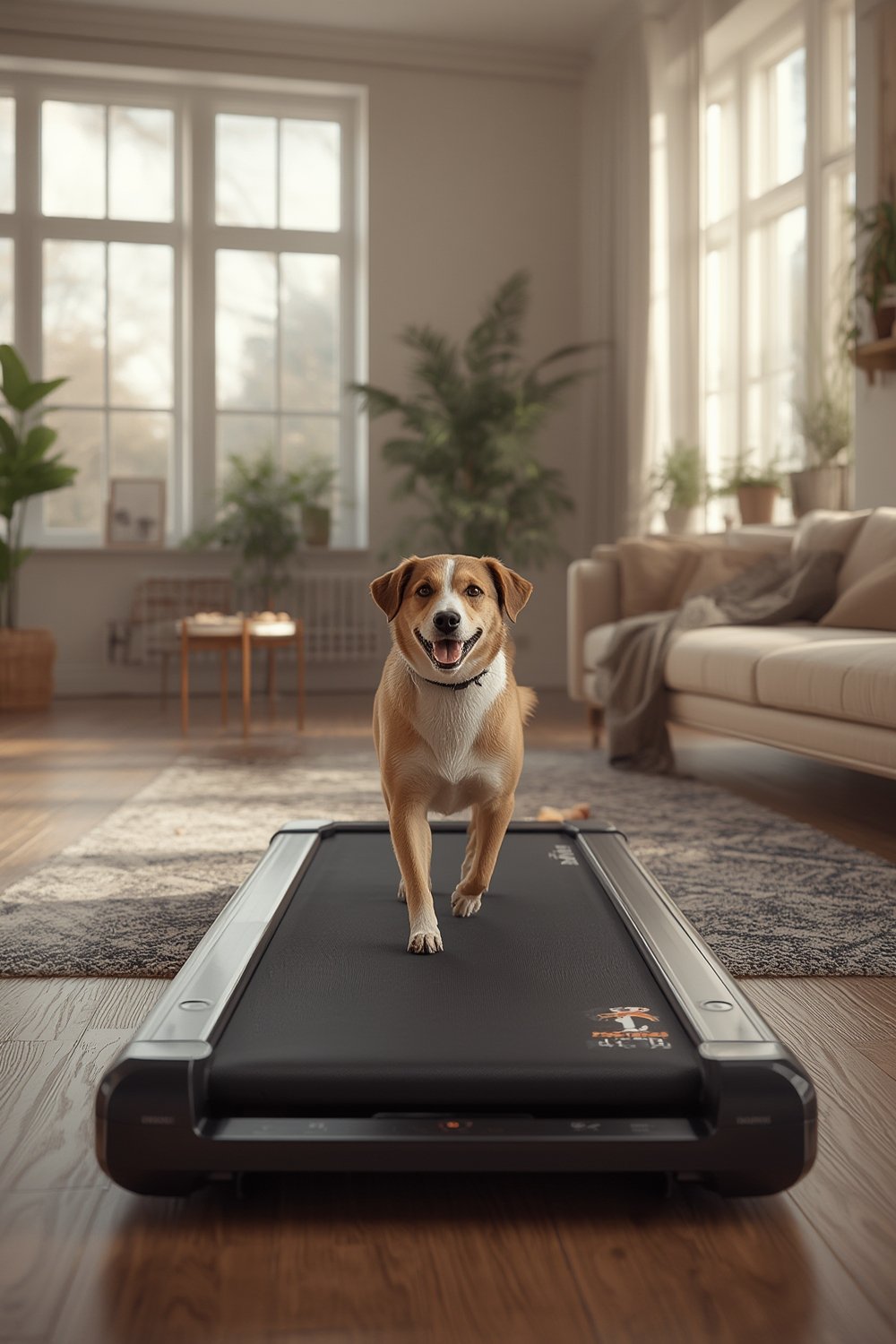
Still, most dog treadmills are not all-purpose. Choosing the right size, understanding their designs, and knowing realistic user complaints will help you avoid both wasted money and common frustrations. These exercise tools are best viewed as one part of a balanced dog enrichment plan, and not a substitute for all forms of outdoor or interactive activity. For more ways to enrich your pet’s life, see these dog enrichment toys ideas.
How to Select and Train with an Indoor Dog Treadmill: Step-by-Step
Ready to get your large, urban dog safely moving indoors? Use these proven steps to select the right dog walking treadmill indoor, train your pet, and avoid wasted investment.
1. Choose the Right Size and Type
- For large breeds, look for a running length of at least 60 inches, weight limits >120 lb, and a wide running belt for stability.
- If you have tight apartment space, research foldable options, but beware these may compromise on deck length.
- Smart/WiFi-enabled models provide remote control and data, but don’t buy features your routine won’t use.
- Check for important safety features: emergency stop, side rails, and belt auto-stop. Not all brands offer these as standard.
- Compare warranty periods and service locations, as repairs on larger treadmills can require pickup or in-home fixes.
2. Introduce the Treadmill Gradually
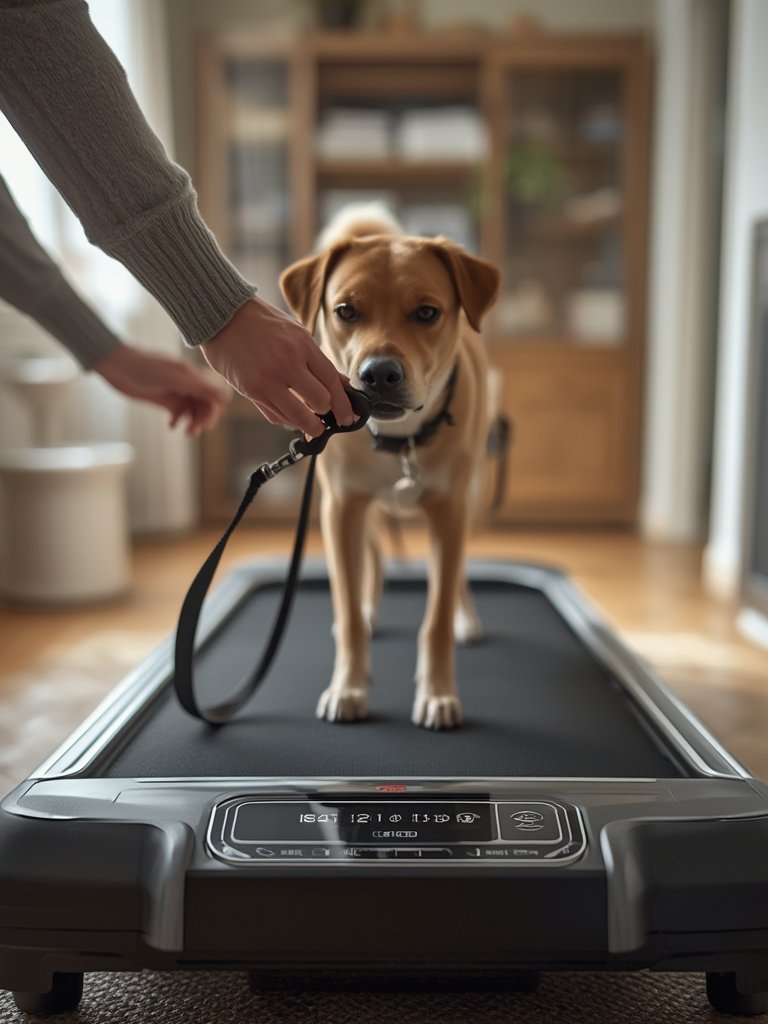
- Let your dog sniff and explore the treadmill while it’s off for several sessions—never force or drag your dog onto the belt initially.
- Use high-value treats and positive tone. Reward your dog for stepping near, then on, the deck.
- Turn on the motor at the lowest speed while your dog is nearby (not on it) to desensitize to the sound—motor noise is a very common cause of fear in large breeds.
- Use a leash and stand in front or beside your dog for the first few walks. Avoid distractions and sudden noises during these learning sessions.
3. Build Duration and Speed Slowly
- Start with 3-5 minute gentle walks, adding only a couple of minutes per session if your dog adapts calmly—avoid rushing progress.
- Do not attempt trotting, jogging, or incline work until your dog walks comfortably for at least 10 minutes without stress.
- Monitor your dog for any signs of distress, paw licking, hesitation, or looking to exit. End the session at the first sign of discomfort.
- If available, use the app features to monitor session time, speed, and review performance trends—but remember, most health protocols in apps are based on generic estimates, not breed-specific veterinary advice.
4. For Multi-Pet Homes or Rehab Use
- Set up separate user profiles to track each pet’s exercise and avoid improper dosing.
- If your dog is rehabbing from injury or is elderly, consult your veterinarian for a recommended protocol—treadmill speeds and durations should be tailored, especially with joint issues.
- Combine treadmill sessions with other enrichment strategies, like sniff walks or puzzle toys. Learn more about dog puzzle feeders for mental stimulation.
5. Maintenance and Safety Checks
- Lubricate the belt and check for debris weekly; never allow long hair or loose accessories near moving parts.
- Ensure the treadmill is stable and level before each use. Relocate only when unplugged and powered off.
For a full evaluation of tech features, check if your treadmill syncs with existing smart pet feeders or activity trackers.
Advanced Analysis & Common Pitfalls
Dog walking treadmill indoor setups, especially for large breeds, have real world limitations that are often glossed over in marketing. Here’s what commonly goes wrong and how brands are trying (and sometimes failing) to fix these pain points.
Top 5 Frequent Complaints from Large-Breed Owners
- Noise & Vibration: Motor and belt noise can frighten sensitive dogs; heavier dogs generate more vibration, amplifying both the sound and movement. Undersized motors on cheaper models often whine at higher speeds.
- Training & Adaptability: Owners often underestimate the time (and patience) needed for a large, wary dog to feel safe using a treadmill.
- Safety Flaws: Dogs can slip or drift off the running belt, paws can get close to side rails, and overexertion occurs when the speed/duration settings are too ambitious. Emergency stop and auto-shutoff help, but accidents still happen if the dog is unsupervised.
- Bulk & Storage: Large-breed treadmills are heavy and occupy more floor space than most small apartments comfortably allow. They’re not easy to fold or roll away.
- Underuse & Buyer’s Remorse: After the initial training phase, many owners use the treadmill less frequently than planned. For high-cost, heavy models, this contributes to regret and secondhand resale.
Smart Treadmill Features: Help or Hype?
App-connected machines now let you start a session remotely, log distance or calories, and get notifications when goals aren’t met.
While these features add convenience for the owner and help with trend tracking, most apps don’t provide evidence-based protocols—session suggestions are not customized per breed, health condition, or age.
If you want tech-enabled solutions that actually help your routine, try pairing a treadmill with an app-based GPS dog fence for broader at-home activity management.
| Spec | Small-Breed Indoor Treadmills | Large-Breed/Heavy-Duty Indoor Treadmills |
|---|---|---|
| Running Area Length | ~40–55 inches | ~60–75+ inches |
| Running Area Width | ~14–18 inches | ~19–24+ inches |
| Weight Capacity | ~50–90 lb | ~120–175+ lb |
| Max Speed | ~5–6 mph | ~7–9 mph |
| Unit Weight | Lighter; easy to move | Much heavier; hard to relocate |
| Footprint | Compact; ideal for small spaces | Long/wide; may dominate a room |
Cost Breakdown for 2024
- Small-breed/compact: USD 250–600
- Mid-range/large-breed: USD 700–1,500
- Smart or commercial-grade: USD 1,500–3,500+
- Maintenance is low, mostly for lubrication and occasional belt/motor replacement
- Smart devices may charge USD 5–15/month for analytics and integrations
For cost-conscious shoppers, consider reviewing compact dog treadmill options if you have a smaller dog, or are seeking something more portable.
Overlooked Pitfalls Most Guides Miss
- No evidence-based exercise dosing: Most instructions use one-size-fits-all time suggestions. Breed, age, weight, medical status, and conditioning goals should drive duration and speed, but peer-reviewed dosing tables are rare in consumer materials.
If you need breed-specific protocols, consult with your veterinarian or canine rehab specialist. - Behavioral limitations: Treadmills provide aerobic activity but not environmental enrichment. Dogs still need time outdoors for sniffing, socializing, and natural stimulation. Interactive toys and sniff mats help address behavioral wellness indoors.
- No objective safety/fatigue feedback: Standard apps and product manuals don’t help identify signs of canine fatigue, joint strain, or early overtraining, especially risky for puppies or senior large breeds. Watch for changes in gait, reluctance, or paw contact—pause sessions if anything seems off.
Those wanting low-maintenance alternatives for pet cleanup should also check our dog hair remover tool guide.
Conclusion
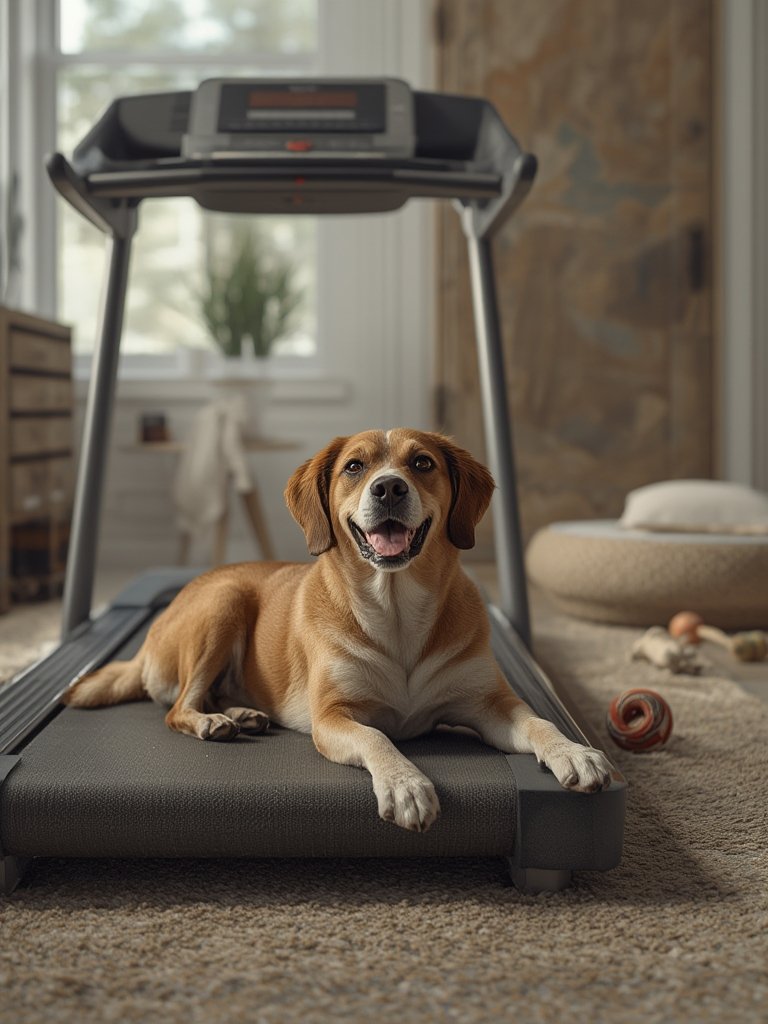
Indoor dog walking treadmill indoor solutions offer a practical exercise option for large breeds—especially when urban life reduces outdoor access. Expect a significant learning curve, realistic space and noise tradeoffs, and the need to supplement treadmill time with interactive play and enrichment. Shop carefully, introduce slowly, watch for safety and behavioral cues, and you’ll maximize your investment.
Ready to explore more at-home upgrades for your pet? Start now, and for tailored fitness tools, revisit our guides on dog puzzle feeders and pet water fountains for a happier, healthier dog life.
Frequently Asked Questions
Are dog walking treadmills actually safe for large breeds?
Yes—if properly introduced, supervised, and matched to your dog’s size and mobility. Look for emergency stop, safety rails, and always begin with short, slow sessions while monitoring for any distress. Never leave a dog treadmill running unattended.
How much noise do indoor dog treadmills make?
Noise varies by model, but heavy-duty treadmills for large breeds often produce moderate-to-high motor and belt noise. Some dogs adapt to this; others become anxious. Desensitize gradually and prioritize quiet-drive designs if noise is a concern.
Can treadmills replace outdoor dog walks completely?
No. Treadmills provide controlled aerobic activity but don’t offer the environmental enrichment, sniffing, or social interactions of outdoor walks. Use indoor treadmills as a supplement, not a substitute.
What is the typical cost of a dog walking treadmill indoor for large breeds?
Expect to pay USD 700–1,500 for sturdy, large-breed models. “Smart” WiFi-enabled systems run USD 1,500–3,500+. Consider space, weight, and features before investing.
Are app-connected (WiFi/Bluetooth) dog treadmills worth it?
They offer convenience—remote start/stop, workout history, and sometimes workout reminders. However, most connectivity features do not replace hands-on supervision or breed-specific health guidance.
—