

Compact indoor greenhouse cabinet glass is rapidly gaining popularity among urban gardeners and design enthusiasts seeking to display and nurture plants inside modern homes and apartments. As more people live in smaller spaces, these glass-door cabinets offer an optimal balance of style, functionality, and plant health benefits—yet they come with challenges and overlooked technical considerations. This guide will cover everything you need to know, including actionable setup steps, pitfalls to avoid, and tips for seamlessly fitting a greenhouse cabinet into your interior.
Key Takeaways
- Compact indoor greenhouse cabinet glass units provide year-round plant growth, aesthetic display, and maximize sunlight exposure for apartments or small homes.
- Glass greenhouse cabinets outperform plastic in durability and light clarity, but setup and integration can be challenging if you overlook humidity, ventilation, or cabinet specs.
- Technical details—like frame material, glass thickness, ventilation, and lighting—directly impact both plant health and indoor decor results.
- 1. The Core Concept
- 2. Step-by-Step Guide
- 3. Advanced Analysis & Common Pitfalls
- 4. Conclusion
- 5. FAQ Section
The Core Concept: What Is a Compact Indoor Greenhouse Cabinet Glass & Why Use One?
A compact indoor greenhouse cabinet glass setup is a freestanding or wall unit with glass-panel doors and sides, designed to house houseplants or edible greens in a controlled microclimate indoors. These cabinets, often under five square feet in area, allow for controlled humidity, stable temperatures, and stylish integration with modern home décor, especially for space-constrained apartments.
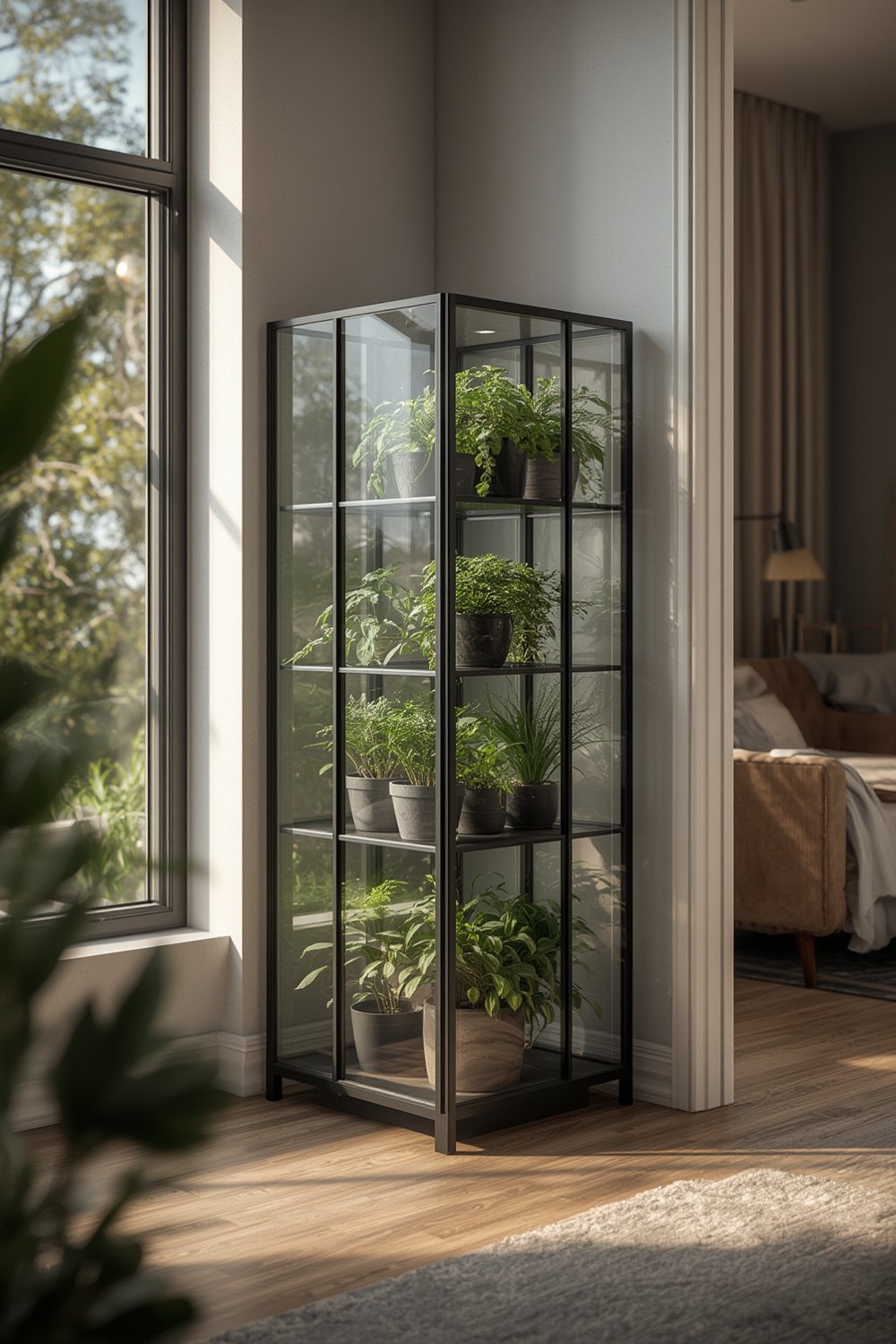
These glass-door cabinets address two main needs: healthy plant growth and elegant display. Unlike traditional plastic greenhouses, they use clear horticulture glass for maximum sunlight penetration and year-round photosynthesis, boosting plant health and vibrancy. Additionally, their glass and metal or wood framing suit minimalist design trends.
Recent market research projects strong demand for residential glass greenhouses due to superior light quality, longevity, and a focus on energy efficiency over plastic alternatives. Urbanization, apartment living, and rising interest in small-space gardening further fuel the appeal of these cabinets.
However, installation, microclimate management, and blending the unit with existing décor require careful planning—especially when features like automated lighting, ventilation, or smart home integration come into play.
Step-by-Step Guide: Setting Up a Compact Indoor Greenhouse Cabinet Glass
Proper setup is key for both healthy plants and a polished look in your space. Here’s how to do it right:
- Choose the Right Location
- Pick a spot with indirect sunlight near a window or use full-spectrum grow lights. Avoid areas with wild temperature swings.
- Measure the Space and Cabinet
- Check both outer and internal cabinet dimensions. Compact models typically fit into nooks or beside sofas in small apartments.
- Select the Right Frame and Glass
- Look for rust-resistant aluminum or sealed wood frames. Horticulture glass provides optimal clarity, while polycarbonate panels offer extra insulation (but may yellow over time).
- Plan Ventilation and Humidity Control
- Small cabinets trap humidity quickly. Integrate USB fans, adjustable vents, or even a mini automatic vent opener. Use a smart hygrometer to monitor levels.
- Install Adjustable Lighting
- Install dimmable LED grow strips or bulbs (ideally on separate shelves). Make sure any wiring routes are waterproof and do not trap excess heat inside the glass enclosure.
- Layer the Shelves and Organize Plants
- Use moisture-resistant adjustable shelves to accommodate plant heights and maximize airflow. Place humidity-loving plants together and drought-tolerant species on open or upper shelves.
- Add Insulation and Drip Trays
- Line the base for water leaks. Add weatherstripping to seal doors for consistent humidity.
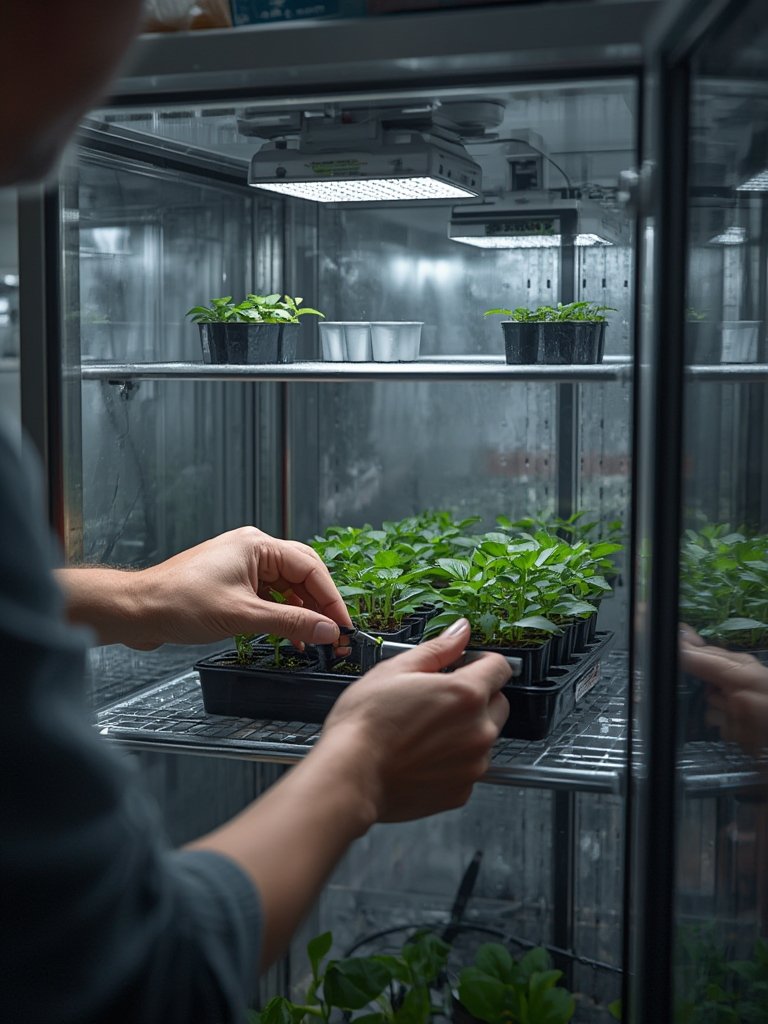
- Set Up Smart Accessories
- Integrate timers, remote temperature or humidity sensors (like a smart hygrometer), and app-controlled LED strips for hands-off control and notifications.
- Test, Adjust, and Monitor
- Let your setup run empty for 24-48 hours to ensure stable humidity and temperature. Use sensors or smart plugs as needed for convenience.
For those who want an easier setup, modular greenhouse cabinets specifically designed for indoor use are becoming easier to find, though specific pricing and warranty information is currently limited (
see compact glass garden cabinet trends here).
Interested in optimizing other home systems? Check out solutions like a kitchen sink storage organizer or a standing desk converter for small-space functionality.
Advanced Analysis & Common Pitfalls
Compact indoor greenhouse cabinet glass models offer great growth potential but are not always plug-and-play. Here’s what expert research and market trends reveal about real-world risks and missed considerations:
| Aspect | Overlooked Issue | Actionable Fix |
|---|---|---|
| Humidity Control | No built-in vents or hygrometer, rapid humidity swings. | Add adjustable vents and an affordable digital hygrometer. |
| Glass Durability | Thin or untempered glass can be a safety risk, especially in homes with pets or kids. | Opt for 3-5mm tempered horticulture glass and avoid cabinets with unreinforced glass doors. |
| Assembly Difficulty | Instructions may be vague, extra tools may be needed, and some units lack proper insulation seals. | Review online user videos and be ready to supplement with weatherstripping and custom liners. |
| Lighting & Electrical Safety | Heat buildup from non-LED lights, no moisture shielding, or improper wiring for humid environments. | Use waterproof LED strips and route wires externally or above moisture lines, following cabinet safety standards. |
| Space Optimization | Cant fit larger potted plants or multi-level arrangements due to non-adjustable shelves. | Choose or retrofit with adjustable metal or heavy-duty glass shelving. Consider stacking or using two short cabinets side by side. |
| Aesthetic Fit | Some cabinets clash with decor, especially in minimalist or contemporary rooms. | Select frames in black, white, or wood tones. Paint or add interior accent LED lighting for modern impact. |
Another common pitfall: overlooking smart home integration. Many modern plant parents want app-controlled lights or self-watering systems but find retrofitting tough, as few cabinets ship with built-in tech. When searching for the best options, prioritize units that explicitly mention compatibility or plan for third-party upgrades.

While brand-level cost, warranty, and technical benchmarks for indoor glass greenhouse shelves are still scarce (see here for overview), you’ll find most high-quality units use horticulture glass and some form of lightweight aluminum or cedar for corrosion resistance and longevity—reflecting findings from global industry reports (see greenhouse market trends).
If you’re interested in maximizing other small-space or home gardening solutions, you may also want to explore setting up a vertical garden system or pairing your greenhouse cabinet with a cat water fountain to support holistic home environments.
Conclusion
Choosing a compact indoor greenhouse cabinet glass setup can transform your plant care routine—offering a fusion of style, healthy growth, and functional storage. Prioritize quality glass, efficient ventilation, and adjustable lighting for best results, and be ready to troubleshoot humidity, assembly, or decor blend issues as you go. With realistic preparation and careful selection, your indoor plant cabinet can thrive for years.
Ready to bring nature indoors? Start exploring compact indoor greenhouse cabinet glass models and take the first step toward lush, vibrant apartment gardening. For extra tips, see our guide to greenhouse cabinet indoor setup.
FAQ Section
Are glass greenhouse cabinets better than plastic for indoor plant growth?
Glass greenhouse cabinets offer superior light clarity for year-round growth and resist yellowing or warping over time, making them a long-lasting choice compared to plastic. However, they may require more careful installation and are heavier, so consider your apartment’s space and safety needs.
How do I control humidity in a compact indoor greenhouse cabinet glass setup?
Use a digital hygrometer to monitor humidity, add weatherstripping to seal gaps, and install USB fans or small vents for airflow. Group similar plants together and avoid over-watering to prevent mold.
Is it possible to add smart controls or lighting to a glass greenhouse cabinet?
Yes, you can retrofit most models with smart plugs, timers, or app-controlled LED grow lights. Make sure to use waterproof fixtures and route wires above water trays to maintain electrical safety.
What problems do people face when assembling glass plant cabinets?
Assembly can be challenging if instructions are unclear, and some cabinets may lack proper weather seals or sturdy shelves. Watch setup tutorials in advance and buy extra weatherstripping or shelf brackets if needed.
Can I use a compact indoor greenhouse cabinet for propagation or hydroponic setups?
Absolutely. These cabinets are ideal for starting cuttings or small hydroponic systems, as you can tightly control humidity and light. Just be sure to insulate and waterproof the interior.
—