

Smart irrigation timer hose faucet technology is changing the way households and gardeners control water use, cut utility bills, and keep landscapes healthy—with just an app or simple controls. If you’re weighing the pros and cons of switching to a smart irrigation timer hose faucet for your garden or yard, this guide will give you a clear, practical breakdown of features, costs, close-up pitfalls, and actionable setup tips, using only the latest market data and real user pain points.
Key Takeaways
- Smart irrigation timer hose faucets save water, offer precise control, and can be managed remotely—but reliable WiFi and careful planning are required for best results.
- Costs for smart hose timers run higher upfront than manual options, but with weather-adjusted scheduling, they help reduce water waste and manual tasks.
- The right setup will maximize convenience and benefit, but buyers must check compatibility, installation needs, and potential connectivity issues before purchase.
- What Is a Smart Irrigation Timer Hose Faucet and Why Upgrade?
- How to Set Up a Smart Irrigation Timer Hose Faucet: Step-by-Step
- Advanced Analysis & Common Pitfalls
- Conclusion
- FAQ
What Is a Smart Irrigation Timer Hose Faucet and Why Upgrade?
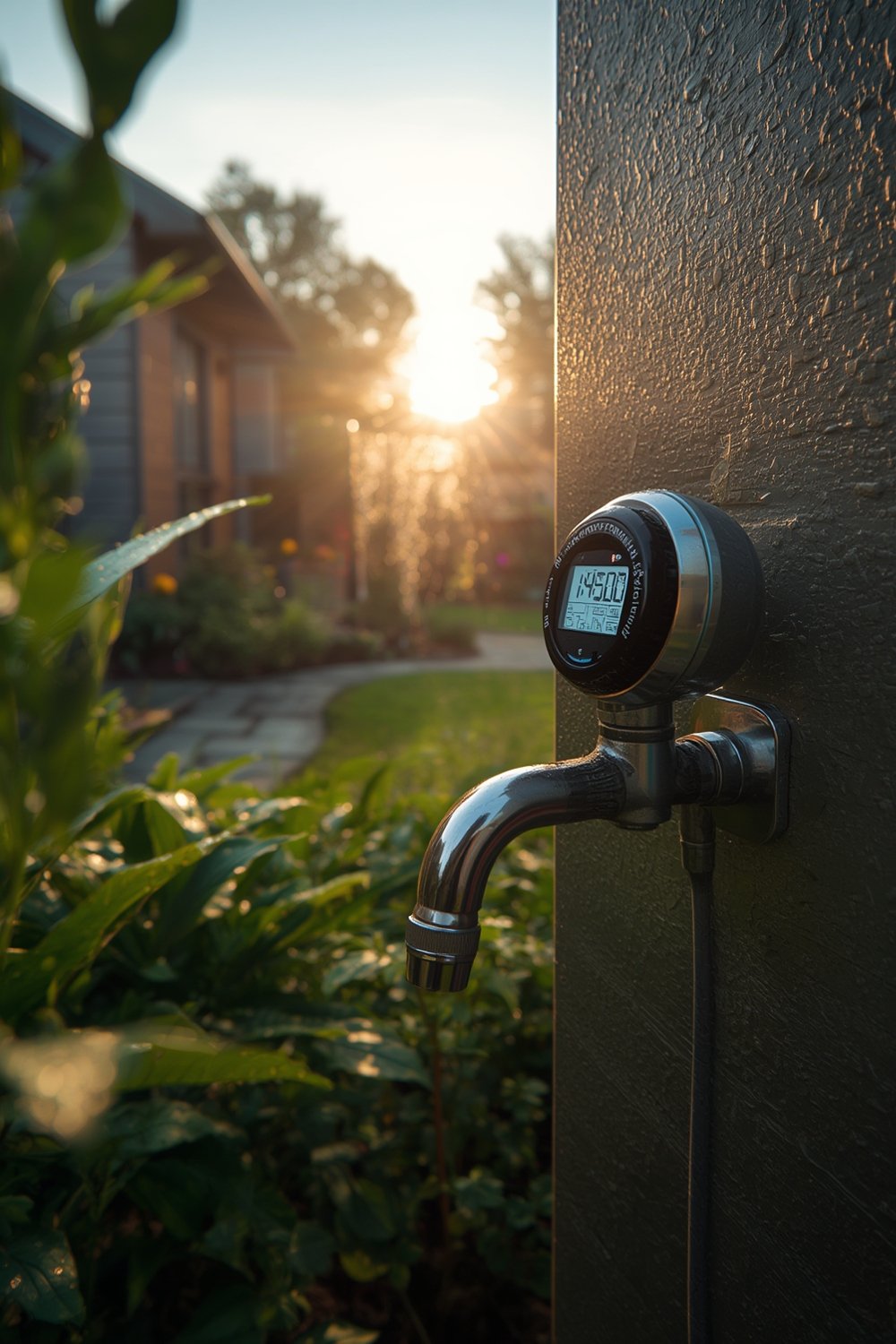
A smart irrigation timer hose faucet is a WiFi or app-connected device that attaches directly to an outdoor faucet, automating watering schedules for your plants, lawn, or garden. Unlike a manual timer, this smart version lets you program, pause, or adjust irrigation from your phone—even when you’re not home.
Some models respond to local weather, soil sensors, or smart home assistants, optimizing when and how much you water. In 2024, the smart irrigation market grew to $1.5 billion globally and is projected for double-digit growth each year through 2031, with North America leading adoption [source].
Households are swapping out old analog timers for smart hose faucet controllers to cut down on water waste, avoid overwatering, and make yardwork easier—all without stepping outside.
How to Set Up a Smart Irrigation Timer Hose Faucet: Step-by-Step
Installing and optimizing a smart irrigation timer hose faucet can be done in under an hour. Here’s exactly how to go from box to a fully automated watering schedule:
- Pick The Right Product: Choose a timer compatible with your outdoor faucet. Check if you want WiFi, Bluetooth, or Zigbee integration, as well as app compatibility with your phone (iOS or Android). Double-check that the timer supports the number of zones you need.
- Check WiFi/Bluetooth Coverage: Test the signal at your faucet location before purchase. Weak WiFi will limit remote scheduling and may cause reliability issues.
- Install Batteries (or Power): Most smart hose timers use AA batteries—insert as directed. Write the install date on the battery door for easy maintenance.
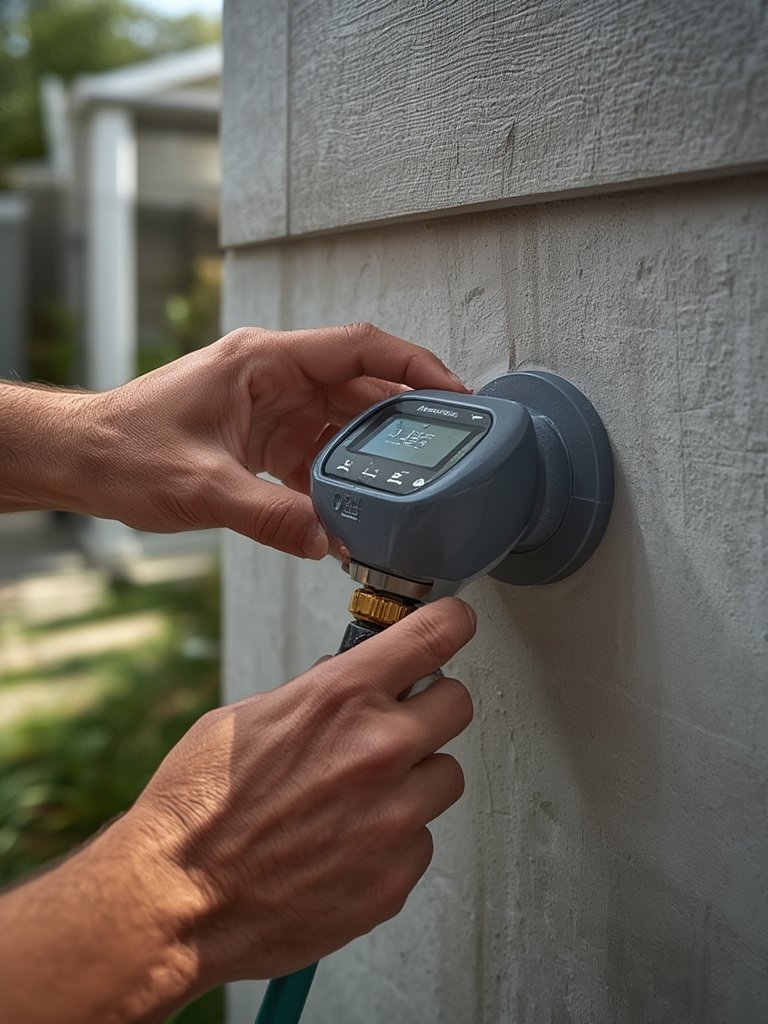
- Connect to Hose and Faucet: Screw the timer onto your outdoor faucet and attach your hose. Use supplied washers and make sure connections are snug, but don’t over-tighten.
- Download and Configure App: Install the manufacturer’s app, then add your device. Set up WiFi/Bluetooth connections, naming zones if you have more than one.
- Set Schedules and Integrate Sensors (Optional): Program your desired watering times. Some timers connect with weather APIs or soil sensors for automatic control—take advantage if available.
- Test System: Run a manual watering cycle from the app to verify everything is working. Check for leaks and that the app reports device status correctly.
- Troubleshoot Signal Issues: If the timer loses connection, reposition your router, use a WiFi/Alexa extender, or try switching WiFi bands (2.4 GHz usually works best through walls).
If your garden setup includes multiple beds, consider a multi-zone timer or use a hose splitter compatible with automated shut-off valves. Integration with soil moisture sensors leads to more accurate watering—if your timer supports this, install the sensors 3 to 6 inches deep for vegetable beds or close to drip zones for landscaping.
For a deeper dive into water-saving landscape ideas, check out our drip irrigation kit raised bed guide and smart sprinkler controller recommendations.
Advanced Analysis & Common Pitfalls
Choosing and using a smart irrigation timer hose faucet isn’t always as seamless as the ads suggest. Here’s what’s often overlooked, especially as the segment rapidly grows:
- WiFi Reliability Is Critical: If your WiFi or Bluetooth signal is weak outdoors, scheduled watering may fail or the app may not update. Before purchasing, test connectivity using your phone at the installation spot.
- Device/Battery Maintenance Is Ongoing: Most timers use AA batteries, which need replacing every 3-12 months. Devices left exposed to hot summers or heavy rain tend to consume power faster.
- Upfront Cost Is Higher: Quality WiFi-enabled timers run $60-$200, and installation may require adapters or new hoses. By contrast, manual tap timers cost as little as $15.
- Subscription Fees: Some brands charge small monthly or annual fees for advanced app features or weather-data integration. Read app-store details before choosing, especially for models that promise AI-based weather scheduling.
- Not All Timers Are Fully Weatherproof: Look for IPX5 or higher ratings if the timer will be exposed to regular rainfall or direct sun.
- Smart Home Integration Varies: While some support Alexa, Google Assistant, or IFTTT for voice and rule-based control, ensure your chosen model works inside your home’s automation ecosystem.
| Feature | Smart Hose Timer | Manual Tap Timer | Entry Sprinkler Controller |
|---|---|---|---|
| Upfront Cost | $60-$200 | $10-$30 | $150-$350+ |
| Typical Installation Time | 15-45 min | 5-10 min | Professional/DIY, 1-3 hours |
| Remote Scheduling/App | Yes (WiFi/Bluetooth) | No | Yes (WiFi, often more zones) |
| Sensor Integration/Weather Adjust | Yes (model dependent) | No | Yes |
| Battery/Maintenance | Batteries (Change 2-4x/year) | Battery or mechanical | AC Power/Battery backup |
| Warranty/Lifespan | 1-2 yrs typical (info varies) | Up to 2 yrs | 3 yrs+ (controller) |
Most notably, durability varies widely—while branded products like Rain Bird offer some peace of mind, there’s surprisingly little public data on service life or real customer-reported durability. Always keep your purchase receipts, check the return policy, and review warranty terms.
Smart irrigation products can help reduce water waste, especially those connected to local weather and sensors [source], but actual savings depend on setup accuracy and the discipline to check schedule and hardware periodically.
If you’re seeking more advanced systems with multi-zone or dripping support, start with our vertical garden system setup guide or explore water-friendly backyard upgrades such as an artificial grass turf conversion.
Conclusion
If you want to simplify your garden routine, save time, and keep your landscape healthy without manual guesswork, investing in a smart irrigation timer hose faucet is a worthwhile upgrade. The latest controllers bring real benefits—remote scheduling, weather-driven adjustments, and fewer wasted gallons—though they come with a learning curve, higher initial price, and maintenance demands.
Always check your WiFi strength, read warranty details, and buy from brands with solid support. Ready to set up your own smart irrigation timer hose faucet? Start by picking a model that matches your needs, install it following our steps, and monitor performance each season for the best results.
Want more advice on outdoor tech and smarter home solutions? Explore our guides on battery powered lawn mowers, expandable garden hose systems, or set up a timed pet feeding schedule with a smart pet feeder.
Take the next step—get your smart irrigation timer hose faucet working for you this season.
FAQ
Do I need WiFi for a smart irrigation timer hose faucet to work?
Most smart timers need WiFi for remote control and weather adjustment. Some models offer Bluetooth automation if your phone is nearby. Without WiFi, you’ll lose app-only functions but local scheduling may still work.
How often do I have to change the batteries?
Expect to change AA batteries every 3-12 months, depending on device quality, how often the valve operates, and your climate. Hot weather and frequent use drain batteries faster.
Can smart irrigation hose timers connect to Alexa or Google Assistant?
Many newer models now support Amazon Alexa, Google Assistant, or both, allowing for voice control and automation. Always check the product specs and app store listings for compatibility before buying.
Are there ongoing subscription fees?
Some brands now charge for advanced features, like AI scheduling or real-time weather data. Always review app terms in the app store or manufacturer’s site before you buy if avoiding ongoing fees matters to you.
Is a smart faucet timer as durable as manual options?
Durability varies. Most smart timers are rated for at least two years, but exposure to sun, heat, or freezing temperatures can limit lifespan. Manual timers have fewer electronics, so they may last longer with less maintenance.