

Vertical garden system setups are rapidly changing how people grow food and greenery indoors, promising lush harvests even in tight city apartments. Yet behind the hype, hidden downsides and real challenges can quickly trip up beginners. Before you invest in a wall of herbs or microgreens, know exactly what it takes to make vertical gardening work for your space and budget.
Key Takeaways
- Indoor vertical garden systems use 95-98% less water and just 1% of the land of traditional gardens, but require much more electricity for lighting and ventilation.
- Getting results at home depends on choosing the right plants, optimizing energy usage, and preparing for a higher initial cost than most realize.
- Despite impressive yields and space savings, most user complaints center around high running costs, energy inefficiency, and misleading sustainability claims.
- What is a Vertical Garden System & Why Try One?
- How to Set Up an Indoor Vertical Garden System: Step-by-Step
- Advanced Analysis & Common Pitfalls to Avoid
- Conclusion & Next Steps
- FAQs
What is a Vertical Garden System & Why Try One?
A vertical garden system is a space-saving way to grow plants on upright surfaces—think living wall planters inside your home or balcony, packed with herbs, greens, or flowers stacked in layers. These systems tap into hydroponics or soil alternatives and use artificial lighting to support plant growth year-round, even in places with zero outdoor space.
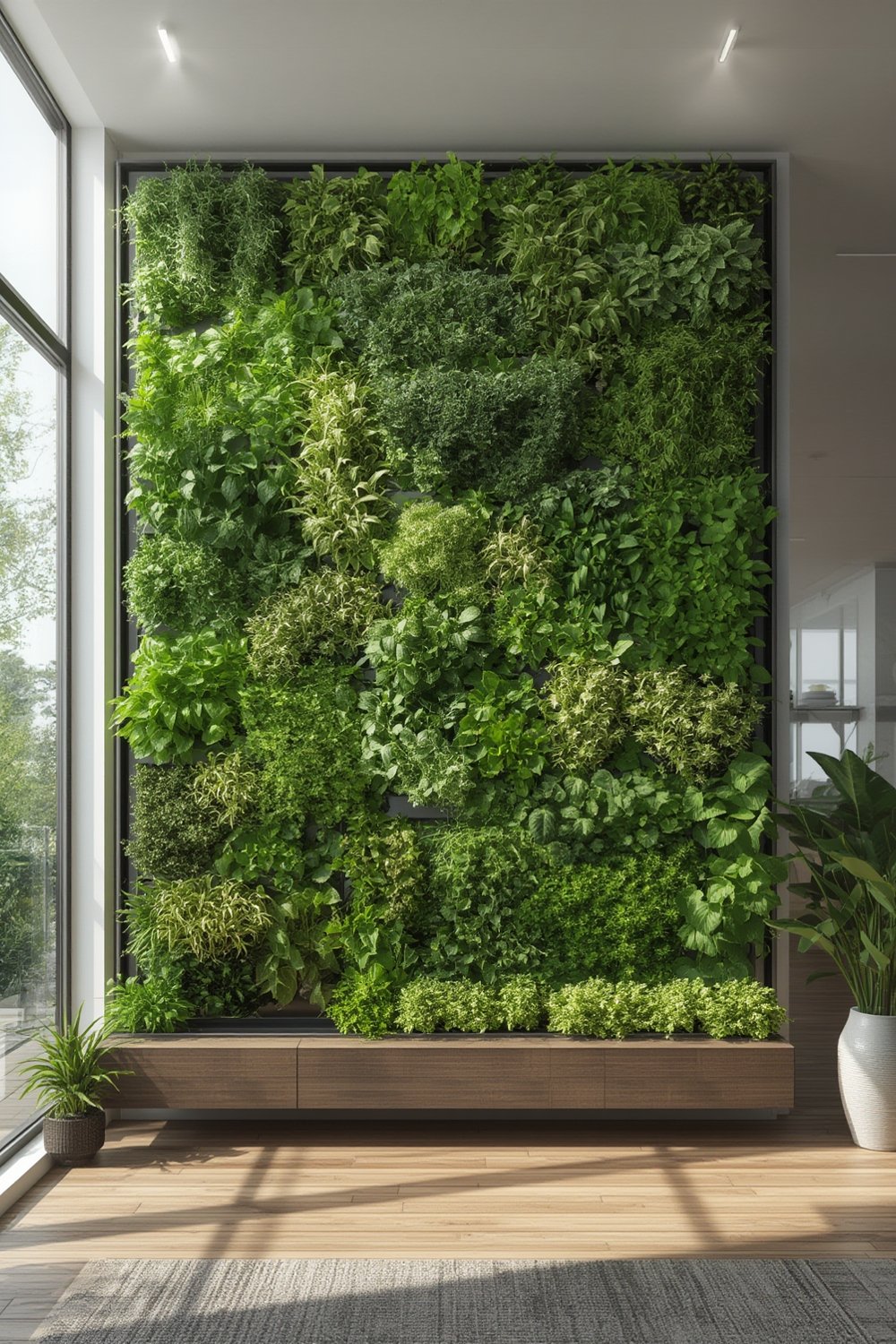
Why consider it? Urban living makes traditional gardens rare, but vertical garden systems let you harvest fresh microgreens, herbs, or even strawberries from a kitchen wall or compact living room. Scientific studies show these systems can use just 1% of the space of conventional gardens and up to 98% less water, thanks to advanced recirculation and hydroponic technology (Strategic Market Research). However, these advantages come with new costs and complexities—energy usage for lighting, ventilation, and higher setup expenses rise significantly above what backyard soil gardens need.
Demand is booming. The global indoor farming market, which includes vertical garden systems, reached $42.08 billion in 2024, expected to more than double by 2030 (Grand View Research). Hydroponic methods dominate, representing 55% of all installations, and consumers in Europe and Asia-Pacific are adopting these solutions at record speed.
How to Set Up an Indoor Vertical Garden System: Step-by-Step
Ready to transform your wall or spare corner into a productive green space? Here’s exactly how to start your vertical garden system at home and set yourself up for better results than most first-timers:
- Assess your space and goals.
- Select a wall or vertical area with access to power and minimal foot traffic.
- Decide what you want to grow—herbs (basil, chives, mint), leafy greens (lettuce, spinach), or ornamental flowers.
- Measure carefully. Wall systems are often modular, stacking up to achieve yields equivalent to 4–6 acres of farmland per compact indoor unit (The Growcer).
- Choose the right vertical garden system.
- For beginners, start with a simple pre-assembled hydroponic wall unit—these handle most pumping and watering tasks automatically.
- Ensure the system includes high-intensity, full-spectrum grow lights—preferably LED for lower energy draw.
- Look for adjustable shelves or pockets to fit plant types and space constraints.
- Install lighting and ventilation.
- Mount grow lights directly above each layer. Most home systems require artificial lighting for 12–16 hours daily; this represents over 50% of total operating costs (Tech Explorist).
- Install a fan if your room has stagnant air—ventilation uses an estimated 18% of total energy.
- Set up your hydroponic or soil system.
- Hydroponics is most water-efficient (using up to 98% less than soil), with more than 75% of farm-scale setups employing automated recycling.
- Mix mineral nutrient solutions or select a trusted pre-made product.
- Test the watering system before adding plants—look for even flow and no leaks.
- Plant, monitor, and adjust.
- Start with easy producers: leafy greens, herbs, or cherry tomatoes—these top the results in user and commercial installations.
- Track water reservoirs, check lights, and monitor air circulation daily; deficiencies lead to rapid crop failures indoors.
- Use a smart meter to monitor energy draw and identify sudden spikes.
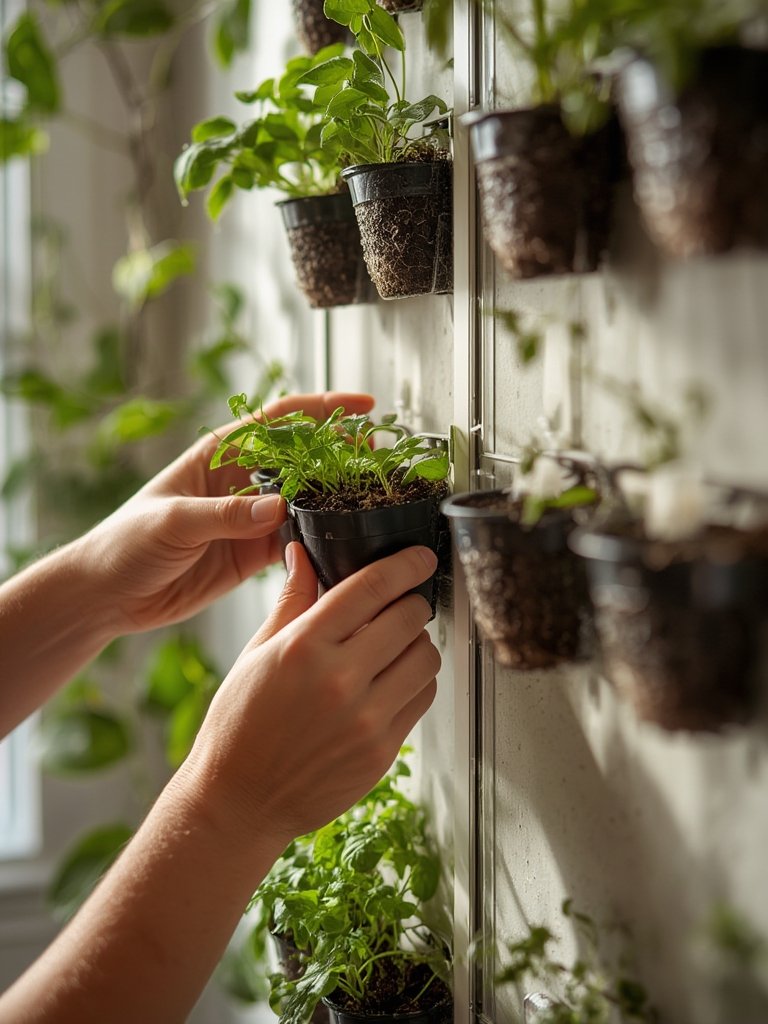
Maintaining an efficient system means routinely cleaning pumps, inspecting for mold, and optimizing settings for each season. To further enhance your indoor experience, you might want to explore pet-friendly and space-saving designs, like those featured in our artificial grass turf guide. If you’re a pet owner, consider how an automated system like a smart pet feeder can harmonize with your tech-managed green wall.
Advanced Analysis & Common Pitfalls to Avoid
Most blogs highlight the pros of vertical garden systems, but realistic users face serious frustrations after purchase. Based on both the latest studies and user experiences, here are the main issues plus how home setups compare with traditional gardening.
| Comparison | Vertical Garden System (Indoor) | Traditional Outdoor Garden |
|---|---|---|
| Land/Space Needed | 1% of typical space (high stacking); can produce 4-6 acres per module | Large area required; limited stacking |
| Water Use | 95-98% less due to hydroponics & recycling | High (dependent on rainfall or irrigation) |
| Energy/Electricity | Very high (lighting >50% total, ventilation 18%, irrigation 9%) | Low (sunlight and natural air) |
| Startup Cost | High (hardware is >60% of industry spend) | Low to medium |
| Best Crops | Leafy greens, herbs, berries, small tomatoes | Most desired crops; fewer restrictions |
| Common Issues | High electricity bills, failure of improper lighting systems, misleading product claims, complexity of upkeep | Pests, weather, soil requirements |
Top Pitfalls to Avoid
- Underestimating energy costs: Domestic vertical farms for crops like red lettuce use five times more electricity per plant than professional installations.
- Misleading sustainability marketing: Many manufacturers overemphasize water savings but underplay the spike in power bills and setup costs.
- Poorly planned plant selection: Certain crops (like large root vegetables or energy-hungry lettuce) are hard to grow efficiently indoors. Start with herbs or compact greens for best results.
- Ignoring real-time energy management: Lack of smart meters or timers means you risk paying premium electricity rates during peak hours, making yields more expensive than store-bought produce.
- Neglected maintenance: Pumps, reservoirs, and lights need regular cleaning and checks. Mold, nutrient imbalances, or pump failures can wipe out plants almost overnight.
Yield potential is enormous—scientific studies forecast over 200 million metric tons of vertical-farmed crops per year by the end of this decade. Yet the tech isn’t “set and forget.” For city-dwellers keen on keeping pets happy too, check out our quiet pet fountain tips and automatic litter box recommendations for other smart upgrades worth integrating into your ecosystem.
Conclusion & Next Steps
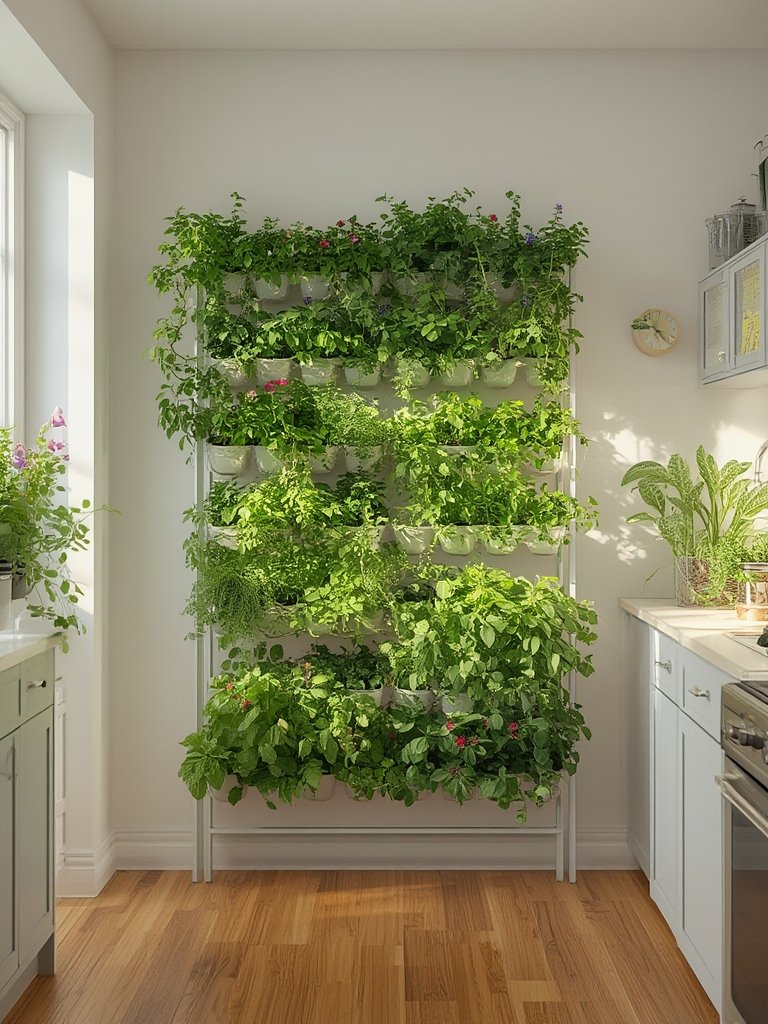
Indoor vertical gardening is no longer just a futuristic trend. Installed well, a vertical garden system delivers fresh greens and herbs while maximizing your living space and cutting water use to a fraction of outdoor gardening. Yet it also brings persistent challenges—high energy usage, up-front costs, and real maintenance burdens that require commitment the hype rarely mentions.
If you’re considering starting your own indoor vertical garden system, plan ahead, start small, and continuously optimize for cost and energy savings. Ready to make the leap? Begin with a simple herb setup and share your progress—or check out more home technology transformations in our smokeless fire pit guide and pet enrichment toy overview for more ways to upgrade your space.
FAQs
Are vertical garden systems expensive for home use?
Yes. The initial cost is usually higher than traditional outdoor gardens. Most hardware kits cost substantially more, and energy bills can rise sharply due to artificial lighting running up to 16 hours a day. Water and space savings are real, but don’t underestimate the total investment.
What are the best plants to grow in a vertical garden system indoors?
Leafy greens (lettuce, spinach), compact herbs (basil, mint, chives), and strawberries or cherry tomatoes are most successful. Large root vegetables and demanding fruit crops struggle indoors due to lighting and space limits.
How much water does a vertical garden actually save?
Compared to traditional soil gardens, a hydroponic vertical system uses 95-98% less water. Automated irrigation and recycling are highly efficient—over 75% of setups recycle water. However, savings depend on properly maintained equipment.
Is it possible to reduce the electricity consumption of my vertical garden?
Yes. Use LED instead of fluorescent lighting, set up smart timers to avoid peak-rate hours, and match light intensity to crop needs. Some users pair their systems with solar panels or optimize light schedules to minimize costs.
Do indoor vertical gardens really improve air quality?
There’s no conclusive scientific evidence that typical indoor vertical gardens make a major difference in air quality. Their clearest benefits are yield, water efficiency, and space savings, not filtration or oxygen boosts.