

Tankless water heater electric systems deliver hot water on demand, promising space savings and energy efficiency over traditional tank models, but are they right for your home? Here is what you should know before making the switch, plus actionable steps, real user pitfalls, and need-to-know maintenance advice.
Key Takeaways
- Electric tankless water heaters offer endless hot water, but require careful sizing and electrical capacity checks before installation.
- Common problems include inconsistent temperatures and low water pressure—often due to scale, undersizing, or improper setup.
- Routine maintenance is essential, especially in hard water areas, to keep your electric tankless system running smoothly and avoid costly issues.
- 1. The Core Concept
- 2. Step-by-Step Guide
- 3. Advanced Analysis & Common Pitfalls
- 4. Conclusion
- 5. FAQ
The Core Concept: What is a Tankless Water Heater Electric & Why Consider Switching?
An electric tankless water heater heats water only when you turn on the tap, eliminating the need for a bulky storage tank and the wasted energy of keeping gallons hot 24/7. This on-demand system saves space and, in many cases, energy—if matched to your household needs and installed with proper electrical infrastructure.
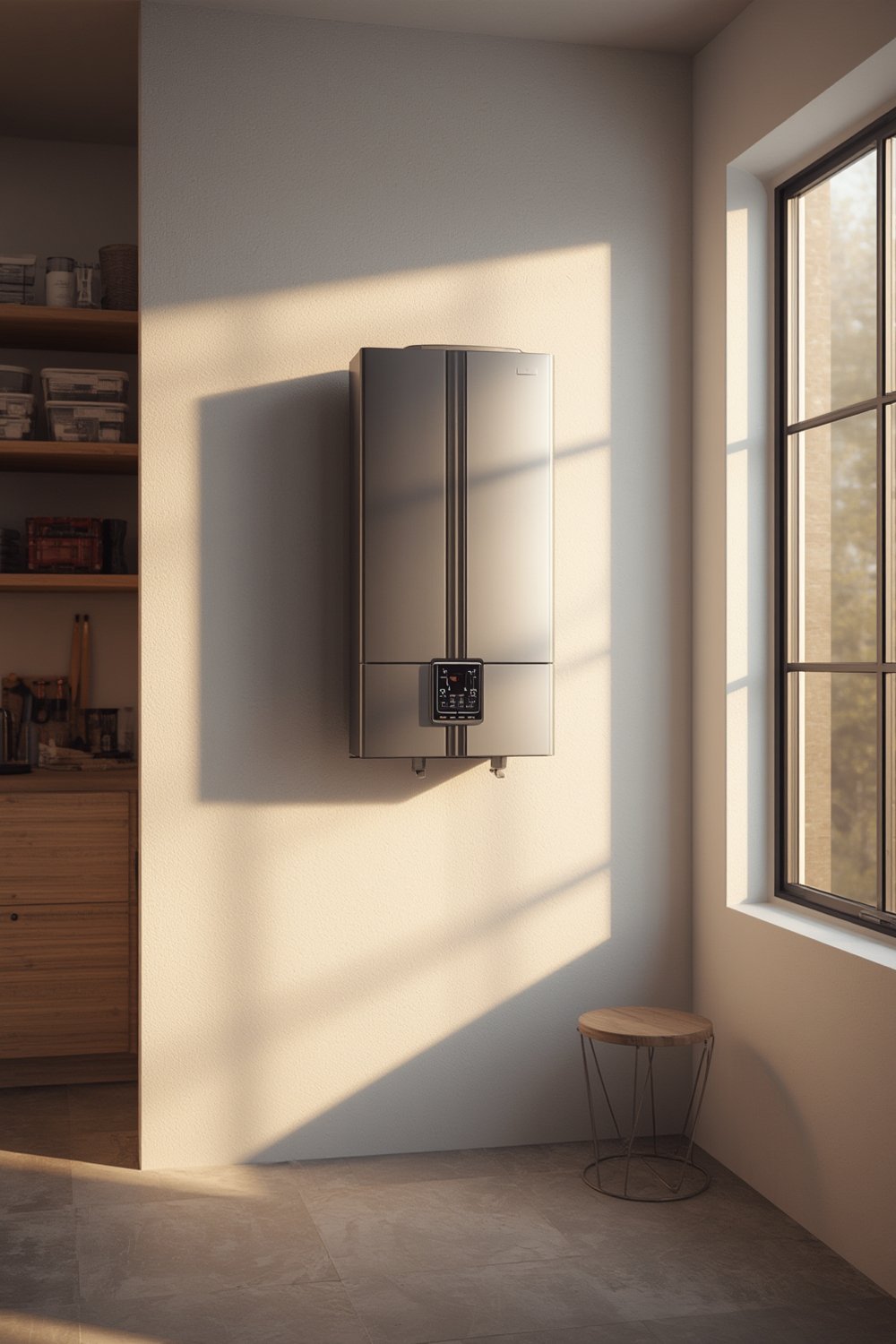
Unlike gas tankless options, electric models do not require venting, making them easier for indoor installation and suitable for apartments, cabins, and add-ons. However, they rely heavily on stable electric supply and require attention to flow rates and amperage demand.
Many eco-friendly homeowners choose electric tankless water heaters to reduce standby energy loss, especially when replacing old storage tanks. However, making an informed jump means understanding the limitations—like hot water output during simultaneous showers, or needing electrical panel upgrades for larger households.
Consider pairing a tankless upgrade with smart home improvements, such as an energy saving thermostat for whole-home efficiency.
Step-by-Step Guide: How to Choose & Install Your Electric Tankless Water Heater
Ready to upgrade? Here’s a clear, practical path to a hassle-free installation and lasting performance.
- Assess your household demand. Count showers, appliances, and fixtures you expect to run simultaneously. Electric tankless heaters are usually best when you don’t expect to run more than 2–3 hot water taps at once. If your demand exceeds 5 gallons per minute (GPM), a single electric unit may not suffice.
- Calculate the required flow rate. Add up flow rates for simultaneous use (e.g., shower: 2 GPM, dishwasher: 1.5 GPM). Choose a heater rated for at least that total.
- Evaluate your electrical system. Check if your main panel has enough amperage to power the unit. Many whole-home electric tankless heaters require 100–150 amps and two or three double-pole breakers (240V). If your home’s service is 150 amps or less, you may need an upgrade.
- Select an appropriately sized unit. Don’t try to save money by buying too small; undersized units will deliver lukewarm water or frequently shut off. Consult sizing guides and calculators from manufacturers and double-check with a pro.
- Professional installation matters. Improper wiring or failing to use the correct gauge wire not only risks performance but may void your warranty. Also, ensure plumbing connections are secure and filtered, especially in hard water regions.
If you have a pet-friendly or automated home, learn how a smart pet feeder can complement energy-saving devices for a seamless routine.
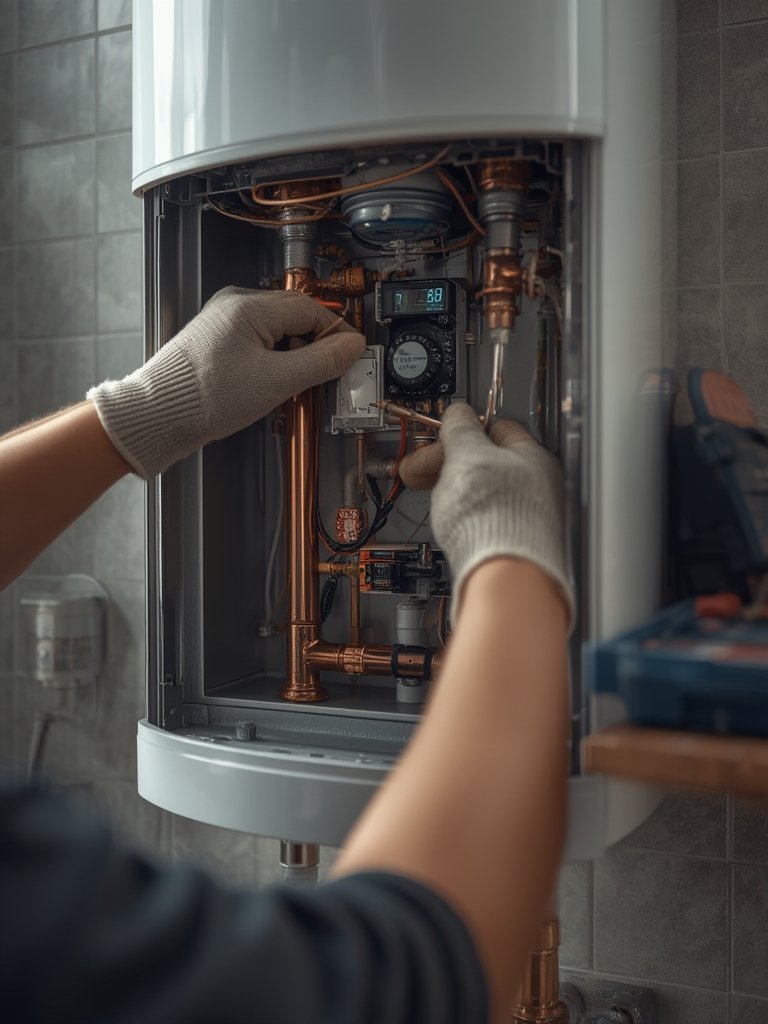
- Maintain with a regular schedule. Even the best electric tankless system will develop mineral scale, especially in hard water zones, leading to performance issues. Plan to flush your system every 6–12 months, and clean inlet screen filters quarterly.
For step-by-step maintenance, follow manufacturer guidelines or see these maintenance tips. - Check for leaks and temperature fluctuations. Promptly investigate any water leaks or fluctuating temperatures. These are early signs of scale buildup, clogged filters, or wear on heating elements.
- Seek help for electrical or persistent issues. Do not DIY electrical troubleshooting or repairs—modern units are complex and may pose shock/fire hazards.
Adding modern equipment like an automatic cat litter box or wireless GPS dog fence may have minimal impact on your electrical load, but always factor all high-amp appliances in your household planning.
Advanced Analysis & Common Pitfalls: Problems, Limitations, & What Most Guides Don’t Reveal
While many homeowners choose electric tankless water heaters for efficiency and space, reality often brings challenges that typical product pages omit. Here’s what the research and user reports say:
| Issue | Root Cause | How to Avoid or Fix |
|---|---|---|
| Inconsistent Water Temperatures | Power supply drops, scale buildup, system overload from too many simultaneous taps | Flush unit regularly, avoid oversizing household demand, check wiring and circuit breakers |
| Low Water Pressure | Clogged inlet filter or scale, undersized unit, partially closed valves | Clean filter, pick correctly sized unit for peak demand, open all valves fully |
| Insufficient Hot Water | Attempting to run too many appliances at once, mineral accumulation | Stagger appliance usage, flush unit, upgrade to higher GPM model |
| Installation Errors | Improper sizing, missed electrical requirements, poor plumbing | Run a full electrical load calculation; use a licensed pro for both plumbing and electrical work |
| Frequent Breaker Trips | Home lacks panel amperage for heater and other simultaneous loads | Upgrade panel, or install point-of-use units only |
Some advanced tips:
- Electrical Load Calculators are a must. Before buying, use a load calculator or speak with your electrician. Overlooking this step can halt installation or damage your system.
- Hard water areas increase maintenance. If your home has hard water, expect to flush the unit more often and install a filter or softener. See more expert advice at this guide.
- Climate impacts performance. Colder groundwater reduces heater efficiency—a 4 GPM model may only deliver 2.5 GPM in northern climates. Plan accordingly, especially for showers or bathtubs with high flow rates.
Some competitors ignore the importance of panel upgrades or regional incentives, yet these can greatly affect the cost and practicality of a tankless upgrade.
Mistakes in size, installation or maintenance can impact warranty and performance, as outlined in detail by Plumbing Outfitters’ common mistakes guide.
Enhance your energy savings even further with smart home devices like a smart sprinkler controller or a battery powered lawn mower in eco-focused homes.
Conclusion
If you want endless hot water and can meet the electrical requirements, an electric tankless water heater delivers modern convenience and space savings. Just make sure to size your unit properly, plan for regular maintenance, and factor in both your household demand and electrical panel limits. For many, the investment pays off in long term reliability—especially when paired with other smart home upgrades.
Ready to make the switch to a tankless water heater electric system? Consult with a licensed electrician and plumber for a smooth upgrade. Have questions about energy-saving home products? Explore our other guides on vertical garden systems or automatic litter boxes to maximize the benefits of a modern, efficient home.
FAQ: Tankless Water Heater Electric
Do electric tankless water heaters really save money?
While they reduce standby energy loss, actual savings depend on correct sizing and sequencing of hot water use. Savings will be less if the unit is undersized or if your region has high electricity rates and hard water, which increase maintenance needs. For more details, see these maintenance insights.
What’s the biggest risk of installing an electric tankless system myself?
Improper installation—especially electrical work—can be dangerous and void the warranty. It’s best to use licensed professionals and ensure your panel can support the system’s amperage.
Can I install an electric tankless water heater in an older home?
You can, but many older homes require electrical panel upgrades since modern tankless units draw high amperage. Have a professional check your panel’s total available amps before deciding.
How often do I need to flush or clean my tankless unit?
In most regions, flush every 6–12 months, but in hard water areas this may increase to every 3–6 months. Clean inlet screen filters quarterly to prevent pressure and flow drop issues.
Which tankless electric brands or models are “best” in 2024?
Recent search data does not identify clear winners by reliability or efficiency; focus on selecting a model matched to your home’s needs and with strong local support. Always check for up-to-date consumer reviews from independent organizations.