

### Blog Post:
Smart smoke detector technology is changing home safety, making fire alerts faster, smarter, and more connected than ever. But are these app-connected alarms worth the cost and complexity, or could hidden problems put your family’s safety at risk?
Key Takeaways
- Smart smoke detectors offer real-time notifications, multi-hazard alerts, and smart home integration, but device cost and connectivity issues are common hurdles.
- Battery backup, offline alerts, and reliable multi-sensor detection are crucial features often missed in other buying guides.
- Privacy, installation complexity, and compatibility can limit the fail-safe reliability of WiFi and app-connected smoke alarms.
- What is a Smart Smoke Detector and Why Consider One?
- Step-by-Step: Choosing and Installing a Smart Smoke Detector
- Advanced Analysis: Pitfalls, Limitations, and How to Avoid Them
- Conclusion: Is a Smart Smoke Detector Worth It?
- FAQs about Smart Smoke Detectors
What is a Smart Smoke Detector and Why Consider One?
A smart smoke detector is an app-enabled safety device that detects smoke, fire, and sometimes other hazards like carbon monoxide or heat. Unlike traditional alarms, these devices send instant alerts to your phone, can trigger connected alerts across your home, and smoothly integrate with popular smart home systems like Alexa and Google Home.

The global smart smoke detector market was worth $2.27 billion in 2024, and is projected to reach $3.62 billion by 2032, with WiFi models holding nearly half of the market share.Source North America accounts for almost 37% of revenue, thanks to high adoption of smart home tech.Reference
Multi-sensor models (combining smoke, CO, heat, or humidity detection) make up more than 40% of smart smoke detector sales, often featured in comprehensive smart home bundles and systems. Many also support DIY installation for quick setup without an electrician, reducing upfront costs for homeowners.
Some advanced models, such as those from Google Nest and Amazon Ring, leverage AI to reduce false alarms and are increasingly included as part of smart security packages. If you’re looking to upgrade other aspects of home security, see the smart door lock fingerprint guide for more connected safety solutions.
Step-by-Step: Choosing and Installing a Smart Smoke Detector
- Assess your needs and home compatibility. Decide if you want single-room coverage or whole-home protection. Most smart smoke detectors use WiFi, but if your home has poor connectivity in some areas, consider models with local alerting or battery backup.
- Choose detection type: Photoelectric (best for smoldering fires and fewer false alarms), ionization, or dual/multi-sensor (smoke, CO, heat). Multi-sensor models provide the most comprehensive safety, especially in homes with gas appliances or attached garages.
- Check smart home compatibility with your preferred platform (Alexa, Google Home, Ring, SmartThings). Limited interoperability is a constraint; double-check manufacturer lists before buying.
- Consider power options. Battery-operated models are easiest for DIY and provide backup during outages, but some offer hardwired kits for existing systems.
- Install following the manual. Place alarms according to local fire codes—typically in bedrooms, hallways, and each floor. Use the companion app to connect and test alarms. Confirm that push or voice notifications work for every device and household member.
- Test regularly and review app alerts. Smart detectors rely on both software and hardware—test alarms monthly and check the app for any missed updates or low battery warnings.
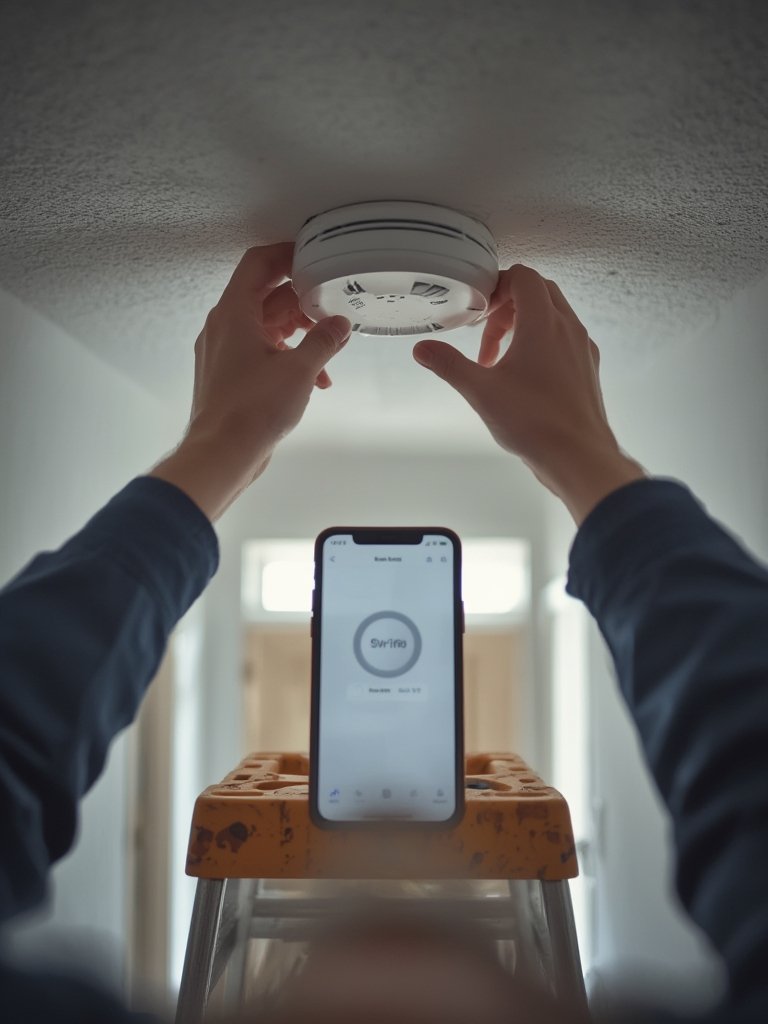
Looking for a seamless DIY experience? Battery-operated smart models typically require only a screwdriver, and some offer peel-and-stick options for apartments or rentals. Want even more connected safety? Consider pairing your detector with a solar powered security camera for complete peace of mind.
Don’t ignore ongoing costs. Some brands require subscription fees for advanced features or cloud alerts. Factor this into your budget alongside the higher device cost compared to traditional detectors.
If you’re also automating other smart home essentials, check out our simple guide to smart thermostat installation to optimize energy safety alongside fire protection.
Advanced Analysis: Pitfalls, Limitations, and How to Avoid Them
Smart smoke detectors offer cutting-edge convenience, but they come with unique challenges.
- High device and installation costs: Smart detectors are often 2-4 times more expensive up front than standard smoke alarms—and costs can rise with professional installation or bundled system requirements.Source
- Connectivity dependence: Without internet, you’ll lose remote notifications, automatic phone alerts, and smart integrations—potentially critical during a crisis. Some models do not provide local alarms if WiFi or power is lost.
- False alarms: Early smart detectors had issues with nuisance triggers from cooking smoke or steam. While AI filtering and photoelectric sensors have helped, users in review forums still report occasional false positives, especially with cheap models.
- Privacy & cybersecurity: App-connected smoke detectors can expose your household data to hackers or third parties, with vulnerabilities increasing if you don’t update device firmware. No major privacy breaches have been reported, but always check for regular updates and enable two-factor authentication where supported.
- Limited interoperability: Some detectors only work with specific platforms. For example, Google Nest Protect integrates natively with Google products, but won’t sync with Alexa or third-party smart hubs. Always double-check for compatibility—especially if building a connected ecosystem of products like your automatic litter box or a vertical garden system.
| Feature | Traditional Alarm | WiFi Smoke Detector | Advanced Smart Detector |
|---|---|---|---|
| Upfront Cost | Low ($10-$30) | Medium-High ($40-$100+) | High ($80-$200+) |
| Installation | Easy | DIY or Pro; can be complex | DIY/Pro, app setup required |
| Connectivity Required | No | Yes (WiFi) | Yes (WiFi/Z-Wave), local backup varies |
| Remote Alerts | No | Yes | Yes, often multi-user |
| False Alarm Handling | Basic | Improved with some models | Best with AI/photoelectric sensors |
| Multi-Hazard Detection | Rarely | Sometimes | Common (smoke, CO, heat, humidity) |
| Privacy Risks | None | Medium | Medium-High (app/data concerns) |
| Battery Backup | Standard | Standard or optional | Standard/high-capacity or hardwired |
| Offline Alarming | Always | Varies by brand | May require manual check |
Many competitor guides skip over these pain points. Users in rural homes or buildings with thick walls might be better off with standalone battery-powered interlinked detectors for reliable coverage. Always confirm offline audibility—don’t risk safety just for smart features.
For more advice on networked home technology, explore tools like the wireless GPS dog fence or see how leak alarms and app alerts are transforming safety in our whole house water filter guide.

Conclusion: Is a Smart Smoke Detector Worth It?
Smart smoke detectors deliver fast, real-time notifications and can dramatically improve peace of mind, particularly in smart homes. Still, they come with higher costs, sometimes tricky installations, and the risk of missing alerts during WiFi drops. If you value convenience, multi-hazard safety, and connected monitoring, a smart smoke detector is a strong investment—just ensure it has battery backup, local audible alerting, and verified compatibility with your home’s systems.
Ready to boost your home’s fire protection? Compare features carefully and install the right smart smoke detector for your needs today.
FAQs about Smart Smoke Detectors
Are smart smoke detectors really safer than traditional alarms?
Smart smoke detectors offer faster alerts, real-time phone notifications, and multi-hazard detection. However, their safety still depends on reliable connectivity, power backup, and correct installation. Choose models with local alarms for the best protection.
What happens if my WiFi goes down?
If your WiFi drops, you may lose remote notifications and smart home triggers. Ensure your smart smoke detector has battery backup and local sound alarms, so it still functions as a basic detector regardless of network status.
Can I use smart smoke detectors in apartments?
Yes. Most battery-powered models are suitable for apartments and rentals. Look for peel-and-stick or screw-mount options that allow easy removal. Just confirm any local fire code requirements.
What privacy risks do smart smoke detectors have?
Smart detectors that connect to apps or IoT networks collect some household data and network information. While no major breaches have been reported, always update firmware, use secure passwords, and review brand privacy policies.
Do smart smoke detectors require a subscription?
Some brands offer free remote alerts, while others charge for premium features such as extended cloud history or multiple user notifications. Check before buying to avoid surprise fees.