

### Blog Post:
Smart plant pot with app technology is changing how people care for their houseplants. These devices make it easier for beginners and busy plant owners to maintain healthy indoor plants.
Today, it’s possible to monitor soil, automate watering, and receive instant care advice directly from your smartphone.
Key Takeaways
- Smart plant pots with app integration enable real-time plant care and automation, ideal for busy or urban lifestyles.
- Wi-Fi, voice assistant compatibility, and advanced sensors are now standard—but reliance on connectivity and power are common drawbacks.
- Ongoing cost, data privacy, and occasional technical glitches remain important considerations despite rapid market growth.
- The Core Concept: What Is a Smart Plant Pot With App (and Why Use One)?
- Step-by-Step Guide: Getting the Most From Your Smart Plant Pot
- Advanced Analysis & Common Pitfalls
- Conclusion
- FAQ
The Core Concept: What Is a Smart Plant Pot With App (and Why Use One)?
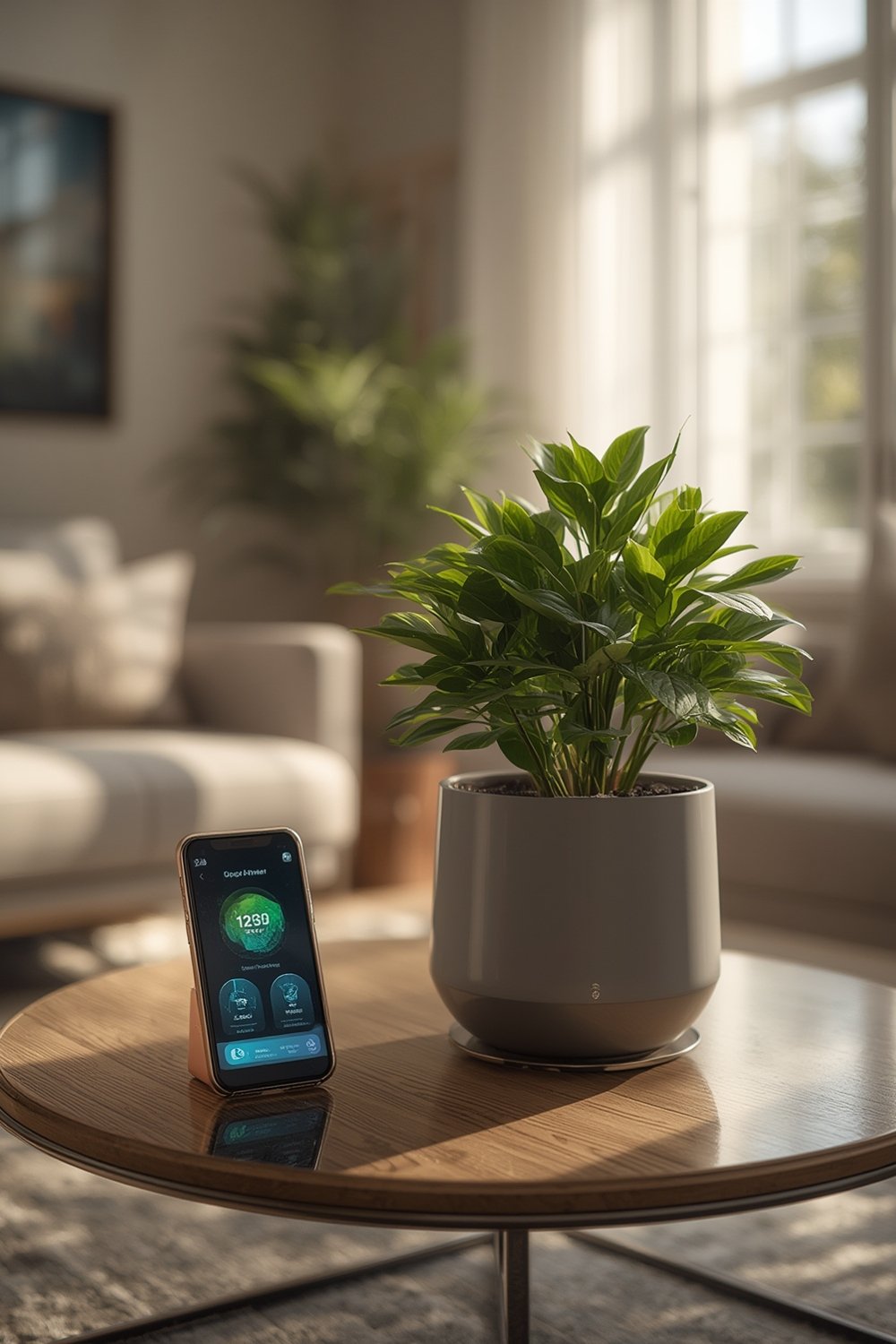
A smart plant pot with app connectivity is a self-monitoring planter equipped with built-in sensors.
These sensors track soil moisture, temperature, light levels, humidity, and sometimes nutrient levels.
When paired with a smartphone application, the pot sends alerts when your plant needs water or a change in environment. Some advanced models even automate watering or light recommendations for improved growth.
Why does this matter? Many plants die because of inconsistent care—people either forget to water them or water them too frequently.
Smart planters help reduce these common mistakes using automation and real-time data.
They are especially helpful for busy urban residents, frequent travelers, or anyone new to plant care.
Modern devices are also becoming more advanced. Features such as voice assistant compatibility and AI-driven care recommendations—like those found in the latest Xiaomi pots (source)—are pushing the category towards true “set and forget” convenience.
This industry is growing quickly, with projections showing worldwide sales could rise from $17.5 billion (2023) to $30 billion (2033) (source).
Wi-Fi-enabled plant pots are leading the way because they integrate easily into the broader smart home ecosystem.
These devices function similarly to connected products like smart pet feeders or smart sprinkler controllers used in modern homes.
Step-by-Step Guide: Getting the Most From Your Smart Plant Pot
Setting up and using a smart plant pot with app should feel straightforward. Here’s a simple, actionable breakdown for first-time users:
- Unbox and Inspect: Remove all packaging. Take note of sensor locations and look for a QR code on the pot for app pairing.
- Charge or Add Batteries: Some pots are rechargeable; others use AA/AAA batteries. Make sure it’s fully charged before using the app.
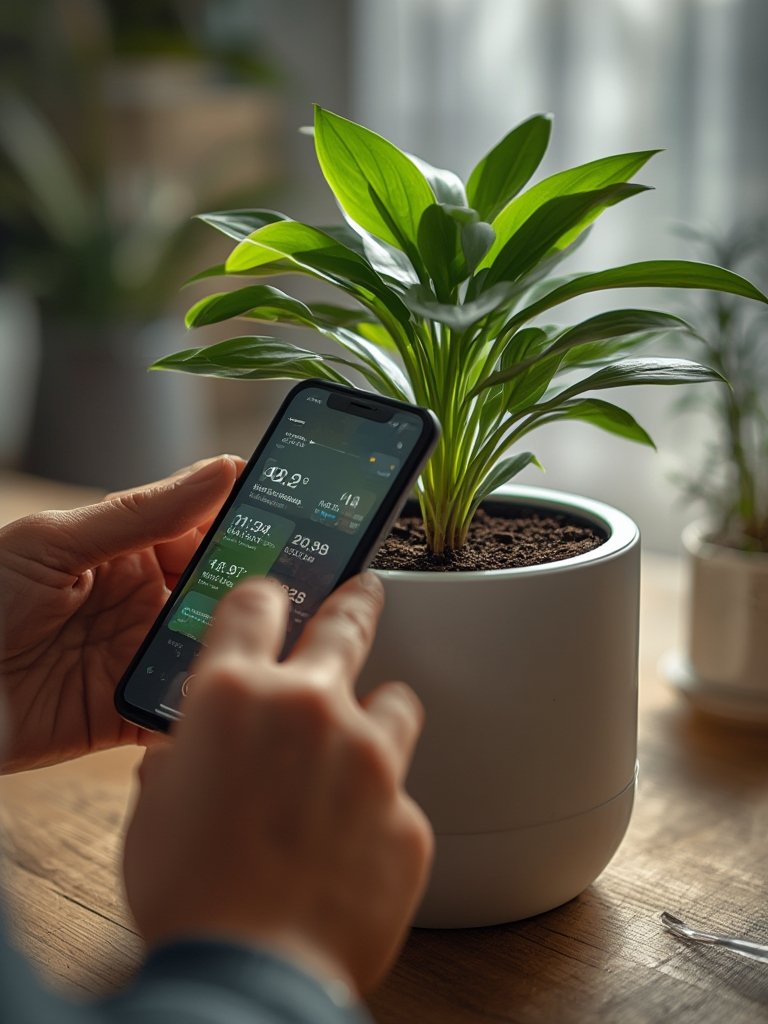
- Install the App: Download the manufacturer’s official app from your app store. Register and log in.
- Connect to Wi-Fi or Bluetooth: Follow the app’s on-screen instructions. Use a 2.4GHz Wi-Fi network, as many pots are incompatible with 5GHz bands.
- Pair Devices: Use the pot’s QR code or enter the serial number—and authorize the connection in your app. Allow permissions for notifications.
- Add Your Plant: Input the plant species in the app. Many apps provide tailored care advice based on plant type.
- Place and Fill: Add soil and your plant. Place the pot in an area matching your app’s light recommendations. Many users benefit from additional technology, such as a vertical garden system for space efficiency.
- Set Alert Preferences: Choose which alerts you want: watering, light, fertilizing, etc. Test notifications with a dry-wet soil simulation.
- Automate If Available: If your model supports self-watering or light adjustment, turn on automation features in the app.
- Monitor Data and Adjust: Check the dashboard regularly, especially during the first weeks. Adjust care based on feedback and app suggestions.
- Routine Maintenance: Clean sensors every few months to avoid buildup. Check batteries or charging levels. Compare plant progress to in-app recommendations.
- App Ecosystem: Link your pot to voice assistants—Alexa, Google Assistant, or Apple HomeKit—if supported (source). For more comprehensive automation, consider integrating with other smart gardening solutions such as a drip irrigation kit for raised beds.
Advanced Analysis & Common Pitfalls
While smart plant pots with apps simplify plant care, several real-world issues can trip up new users. Awareness is key to smooth adoption and long-term satisfaction.
| Aspect | Ideal Features | Potential Problem Area |
|---|---|---|
| Connectivity | Stable Wi-Fi/Bluetooth, Alexa/Google/Apple integration | Can disconnect easily; not all home Wi-Fi setups compatible; reliance on cloud services |
| Sensor Accuracy | Measures soil, light, temp, moisture, nutrients | Inaccurate readings after several months; sensors need cleaning or replacement |
| Battery/Power | Long battery or reliable plug-in option | Batteries drain fast with frequent alerts; outage causes missed watering cycles |
| App Experience | Clear setup, custom care recommendations | Bugs, crashes, unfinished interfaces; some require subscriptions for advanced features |
| Data Security | Encrypted, transparent privacy policy | Very limited info on how data is used, shared, or protected (source) |
| Pricing | One-time buy, or optional subscription | Price can be high for premium pots; ongoing costs unclear; affordable alternatives may lack features |
| Real-World Results | Data-driven improvement in plant health | Manufacturer claims (like 20% improved plant health from new self-watering models) may not match user outcomes (source); few independent studies |
Another factor to consider is lifestyle compatibility. If your home Wi-Fi frequently drops or you dislike managing multiple apps, these devices may feel inconvenient.
Power outages can also interrupt automated watering cycles—similar to what happens with connected devices like a battery-powered lawn mower or smart pet door.
Conclusion
Smart plant pots with app support are a realistic way to bring some ease and consistency to modern plant care. For those prone to overwatering, forgetting chores, or just seeking more automation, they offer measurable benefits—when set up and maintained well.
While the tech is evolving (and real-world results still depend on your habits), anyone interested in remotely managed gardening or integrated smart home tools will likely find value in a smart plant pot with app. Ready to take plant care into the future? Compare models and read real-world experiences before buying.
FAQ
Do smart plant pots with apps really help plants grow better?
Smart plant pots offer automation and reminders, which reduce human error like overwatering or neglect. While manufacturers claim plant health improvements (up to 20% in some self-watering pots), actual results depend on consistent app use and maintenance. Independent data is limited, but most users report fewer dead plants and healthier growth.
What sensors are usually included in a smart plant pot with app?
Most models track soil moisture, ambient temperature, sunlight exposure, humidity, and sometimes soil nutrient levels. This data powers accurate, specific care recommendations and automations.
Do smart plant pots require a monthly subscription?
Some basic features are free, such as care notifications and real-time monitoring, but advanced analytics or history tracking may require a paid subscription. Always check the app’s plan details prior to buying.
Are there privacy risks with smart plant pots and their apps?
Current research shows little information is provided on data handling practices for these devices. Before connecting, review the manufacturer’s privacy policy—if available—and avoid sharing unnecessary personal data.
Can I integrate my smart plant pot with other smart home devices?
About 60% of smart plant pots now support Amazon Alexa, Google Assistant, or Apple HomeKit, allowing integration into broader smart home systems. Always check compatibility before purchase to ensure a smooth setup.
—