

Smart pet feeder wifi amazon devices are transforming the way modern pet owners manage feeding routines. These smart feeders combine automation and connectivity to simplify daily care while giving owners greater control over portion sizes and feeding schedules.
As more households adopt connected pet technology, the smart pet feeder wifi amazon category continues to grow rapidly. Busy professionals, travelers, and multi-pet families rely on these devices to keep feeding consistent even when they are away from home.
Key Takeaways
- The WiFi smart pet feeder segment is booming on Amazon, powered by urban demand and app-based controls.
- Battery life and real-time connectivity are common user pain points, while features like app integration and video streaming drive adoption.
- Buying based only on features can backfire—always check for compatibility, battery backup, and reliability ratings.
- 1. The Core Concept
- 2. Step-by-Step Guide
- 3. Advanced Analysis & Common Pitfalls
- 4. Conclusion
- 5. FAQ
The Core Concept: How Smart Pet Feeder WiFi Amazon Devices Work—and Why People Rely on Them
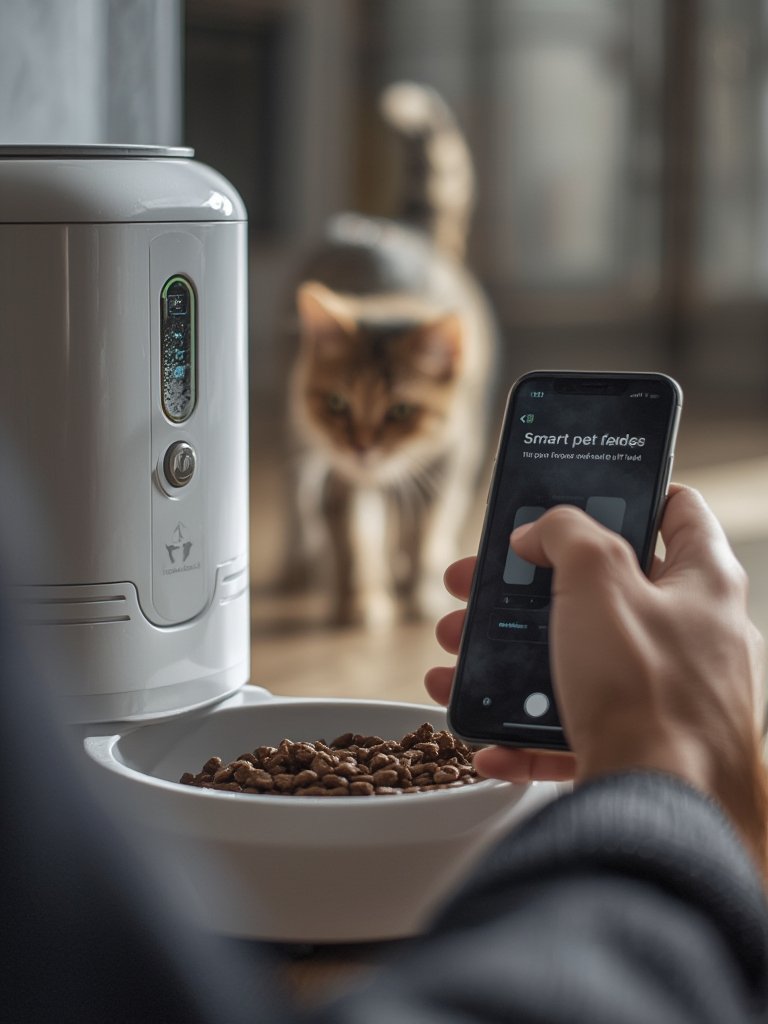
Smart pet feeder wifi amazon devices combine automated food dispensing with real-time control through smartphone apps using built-in Wi-Fi connectivity.
Pet owners can schedule meals, monitor portion sizes, and receive notifications remotely. Features like integrated cameras and two-way audio allow owners to check on pets from anywhere, which is especially useful for busy schedules or travel.
Compared with traditional automatic feeders, a smart pet feeder wifi amazon model provides much more flexibility. Owners can adjust feeding schedules instantly, receive alerts if a feeding cycle is missed, and in some cases even dispense treats remotely.
In 2024, nearly 66% of smart feeder revenue in the US came from Wi-Fi enabled models, reflecting growing demand for connected pet care (source).

Step-by-Step Guide: Setting Up and Using a Smart Pet Feeder WiFi Device from Amazon
Setting up a smart pet feeder wifi amazon device is straightforward, but doing it methodically ensures reliability and a safe experience for your pet. Use this actionable checklist:
- Unbox and Inspect. Verify the packaging, look for cracks or missing parts, and check the manual for model-specific considerations. Clean the feeding tray before use.
- Assemble and Power On. Attach bowls, connect any camera modules, and ensure all moving parts are unobstructed. Install batteries for backup power if included.
- Connect to WiFi. Plug in the device. Download the designated mobile app (as specified in your manual). Follow the in-app steps to scan a QR code or manually select your Wi-Fi network. Use a 2.4GHz network (most feeders are not 5GHz compatible).
- Calibrate and Set Schedules. Add pet profiles, customize daily feeding times, adjust portion sizes (test with dry kibble) and, if available, record voice prompts.
- Test App Notifications and Camera. Run a dry test: trigger a remote feeding via app, check notification alerts, and use live video if your feeder supports it. Make sure the camera has a clear view and apps show the correct status updates.
- Integrate with Smart Home (Optional). Some feeders can connect to Alexa or Google Home for voice commands or routines. Check app and device compatibility.
- Monitor and Adjust. Regularly check battery and connection status (most apps display these), and clean the feeder at least once a week to prevent jams or mold.
Looking for other smart pet essentials? Check out guides on automatic litter box maintenance, finding the best pet water fountain for hassle-free hydration, or leveling up feeding time with dog puzzle feeder toys to tackle boredom.
Advanced Analysis & Common Pitfalls
While smart pet feeder wifi amazon devices make life easier, they are not hassle-free. Here’s an honest look at the main problems, strengths, and how the features stack up.
Top Challenges and Realistic Downsides
- Power Consumption: Wi-Fi and motorized functions can drain batteries quickly. Most owners end up plugging in or replacing batteries more often than with non-smart feeders (source).
- Wi-Fi Reliability: Spotty home internet or router compatibility issues (many only work on 2.4GHz) can result in missed feedings or lost notifications.
- Limited Pet Profile Integration: True multi-pet scheduling and two-way audio is often limited to premium models, driving up cost.
- Data Security Unclear: There is little public information on how leading smart feeder brands secure user and pet camera data.
- Maintenance Still Required: You still need to regularly clean trays and check mechanics, especially with oily foods or if you have multiple pets.
Key Feature Comparison Table
| Feature | Standard WiFi Feeder | Premium WiFi Feeder | Automatic (Non-WiFi) Feeder |
|---|---|---|---|
| App Control | Yes | Yes | No |
| Camera & Video | Optional/Low-res | HD/Two-way audio | No |
| Multi-pet Scheduling | Rare | Often included | No |
| Remote Notifications | Standard | Advanced (e.g. low food alerts) | No |
| Backup Battery | Optional | Standard | Usually included |
| Maintenance Alerts | Sometimes | Frequently | No |
| User Data Protections | Not disclosed | Not disclosed | N/A |
Also, consider additional smart home solutions like app controlled pet feeders, wireless GPS dog fences, and even dual cat feeders if you have a multi-pet household.
For reference on how this sector is growing, the global smart feeder market hit $1.46 billion in 2024, on track for $2.35 billion by 2030 (source).

Conclusion
Smart pet feeder wifi amazon devices stand out for flexible scheduling, app-based management, and remote video monitoring. But battery life and Wi-Fi stability can be weak spots, and data security standards remain unclear. Before buying, weigh how crucial features like live camera feeds or two-way audio are for your lifestyle, and always consider ease of cleaning and battery backup. For urban pet owners especially, smart pet feeder wifi amazon devices can be a game-changer. Ready to upgrade? Compare top-rated models, read owner reviews, and invest in a device that’s truly compatible with your daily habits—and your pet’s well-being.
FAQ
How do I know if my WiFi pet feeder will work with my router?
Most smart feeders require a 2.4GHz WiFi network. Check your router settings—some modern routers use 5GHz only, which is incompatible with most feeders sold on Amazon.
Are video and two-way audio features worth the extra cost?
For anxious pets or owners who travel often, live video and two-way audio can provide peace of mind. However, if your pet is low maintenance, a simpler model might be more reliable and energy-efficient.
How often do I need to clean a smart feeder?
Clean all food trays and moving parts at least once per week or more if you use wet food. This prevents jams, odors, and unhealthy residue for your pets.
Do WiFi pet feeders still feed if my internet goes out?
If you’ve pre-programmed feeding times in the app and the device supports onboard memory, it will usually feed on schedule even during outages. However, app control and video features won’t work until WiFi is restored.
Is my pet’s data or camera feed secure?
Privacy and security policies are often unclear with many low and mid-priced smart feeders. Check for SSL encryption, user privacy assurances, and recent firmware updates from the brand.