

### Blog Post:
shower water filter installation is now one of the most practical ways to reduce your exposure to chemicals in tap water, with nearly all US municipal systems using chlorine or chloramine as disinfectants. Whether you’re living in an older home or a modern apartment, upgrading your shower with an effective filter means you can be more confident in the water that touches your skin daily.
Key Takeaways
- Nearly all US municipal tap water contains either chlorine or chloramine, which are safe for most, but can be harsh on sensitive skin and hair.
- Choosing the right shower water filter involves understanding local water quality, knowing filter limitations, and planning for maintenance.
- Many online claims about dramatic skin or hair improvements from filters aren’t yet backed by strong clinical evidence, so realistic expectations are important.
- What Is a Shower Water Filter and Why Consider One?
- How to Choose and Install a Shower Water Filter: Step-by-Step Guide
- Advanced Analysis & Common Pitfalls
- Conclusion
- FAQ
What Is a Shower Water Filter and Why Consider One?
US municipal water supplies, including trusted sources like DC Water and large Navy facilities, rely extensively on chlorine or chloramine to disinfect tap water and keep it safe for consumption. According to the CDC and EPA, both disinfectants are used in nearly all public water systems to control microbial growth and are considered safe at levels up to 4 mg/L. However, while these chemicals play a crucial role in public health, many people notice that showering in chlorinated water can sometimes leave hair feeling dry or skin slightly itchy, especially for those with sensitivities or preexisting skin conditions.
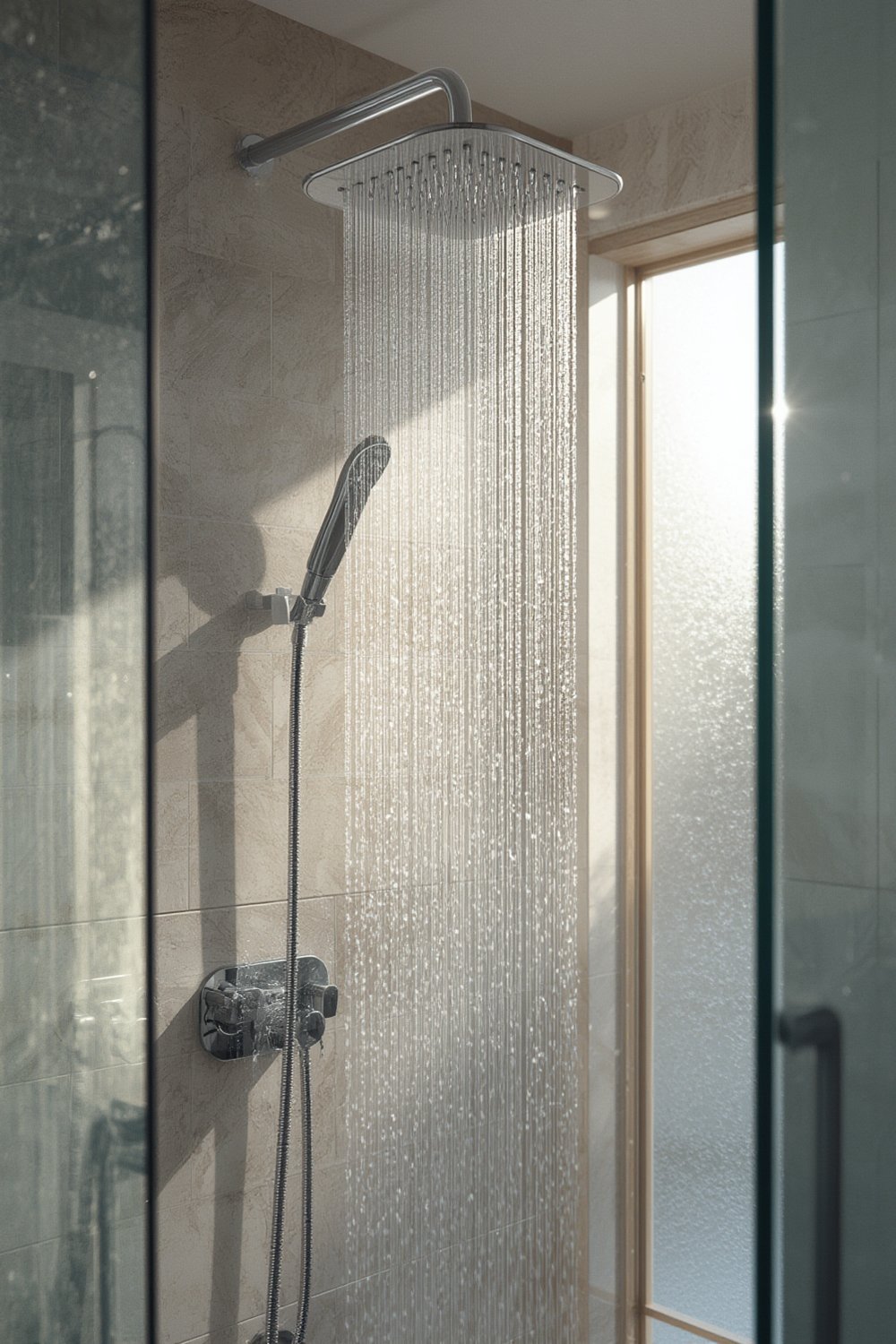
A shower water filter is a simple device that attaches directly to your showerhead and removes or reduces certain chemicals from your water before it reaches your skin. Most shower water filters are designed to target chlorine, chloramine, sediment, and sometimes heavy metals like lead and copper. The goal is not just softer-feeling water, but also peace of mind—especially in homes with aging pipes that may leach metals more when treated with chloramine.
It’s important to set realistic expectations: while filtered shower water may feel better, current science does not confirm dramatic improvements in skin or hair health for most people. Still, those with allergies, eczema, or color-treated hair may notice subtle benefits and the overall experience can be more pleasant. For high-level water quality upgrades across all fixtures, consider a whole house water filter system as well.
How to Choose and Install a Shower Water Filter: Step-by-Step Guide
Installing a shower water filter is straightforward, but choosing wisely and maintaining your filter are essential for good results. Here’s a concise, actionable process to follow:
- Check your water quality report: Review your municipality’s Consumer Confidence Report (CCR). For example, DC Water’s 2024 report shows both chlorine and chloramine are actively used with typical levels below EPA safety limits. Look for chlorine/chloramine levels and any notes on lead or copper.
- Select the right filter type: If you have high chlorine or chloramine, choose a multi-stage filter with both KDF and activated carbon. KDF is effective for chlorine and some heavy metals, while catalytic carbon handles odors and organic chemicals.
- Verify compatibility with your shower setup: Most filters fit standard 1/2″ threaded pipe, but some rain- and hand-held heads may need adapters.
- Install the filter: Remove your current showerhead, attach the filter unit according to manufacturer instructions, and reattach your showerhead. Use Teflon tape for a snug, leak-proof fit.
- Run water for 3–5 minutes: Flush the system to remove loose carbon and activate the filter media.
- Track replacement cycles: Most cartridge filters last 3–6 months based on water volume and quality. Mark your calendar or set a smartphone reminder.
- Monitor for reduced flow or odor: If water flow drops or you notice chlorine smells returning, your filter may be saturated and require immediate replacement.
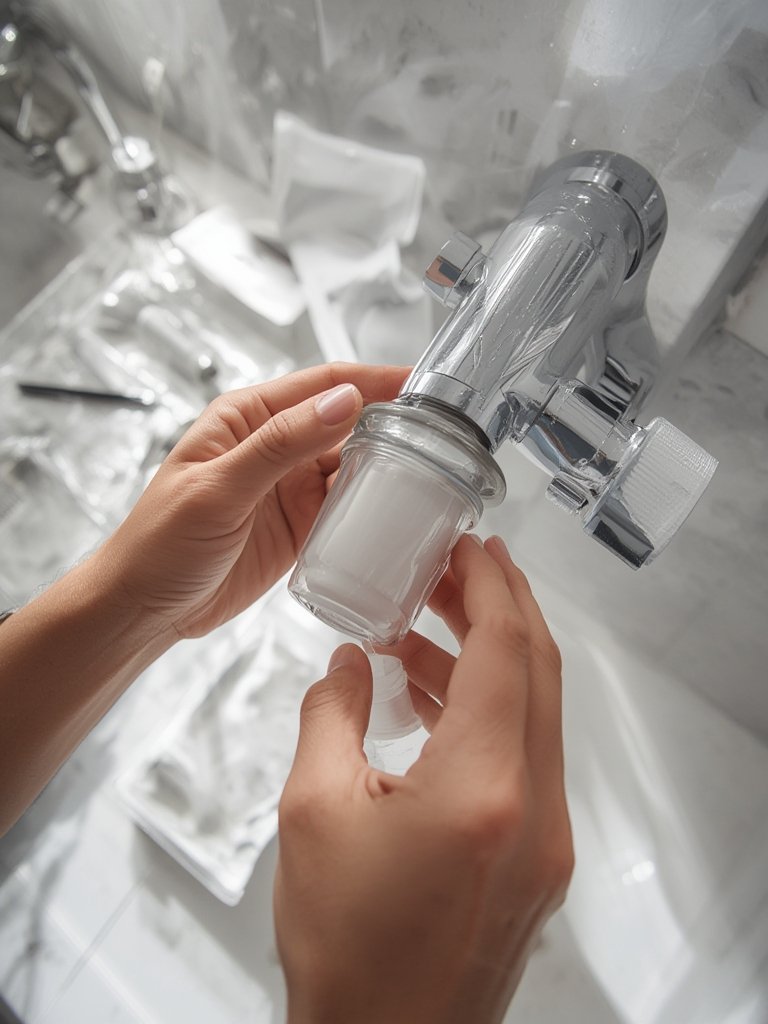
Maintenance matters too. If you own pets, filtered water can support gentler bathing, especially for dogs with allergies. For more ways to keep your pets healthy and home water fresh, check out our guides to the pet water fountain and automatic litter box.
Advanced Analysis & Common Pitfalls
With little direct research and few long-term customer reviews for 2025, it’s critical to take a clear-eyed look at what a shower water filter truly can—and cannot—do. Here’s what we know from available data and real-life user experience:
- Filter limitations: Most shower filters are optimized for chlorine and sediment. Many are not proven to remove significant amounts of chloramine, heavy metals, or very fine contaminants—especially at the high flow rates typical of showers.
- Unproven health claims: There are currently no credible clinical studies showing dramatic, universal improvements in skin or hair after installing a shower filter. Any perceived difference is usually subjective and mild.
- Cartridge costs and lifespan: With no verified year-over-year customer reviews, assume that most mainstream cartridges last 3–6 months, with annual filter costs ranging from $40–$120 for one shower. This does not include installation labor if you hire out.
- Installation headaches: Some users find removal of old showerheads difficult due to scale; a few encounter leaks if threads or washers are not properly sealed.
- Flow rate reduction: All filters introduce some restriction. If your home’s water pressure is already low, adding a filter may reduce flow further—even models marketed as “high flow.”
| Issue | Potential Solution |
|---|---|
| Chlorine taste or odor returns before 6 months | Change cartridge sooner; confirm correct model for your chlorine/chloramine level. |
| Not effective on chloramine | Choose catalytic carbon or KDF filters and confirm lab certifications first. |
| Water flow is weak after filter is added | Clean aerator, remove sediment pre-filter, or switch to a higher-flow model. |
| Leaks at connection points | Reapply Teflon tape and check for proper washer installation. |
| Pet bathing concerns (skin dryness, odor) | Use filtered water for sensitive pets; consider a second filter at alternative tub location. |
While you may see many articles hyping miraculous results, keep a realistic perspective. Many of the most searched questions (like dramatic hair improvements or cost breakdowns) are still unanswered by any independent, top-ranking expert articles. As home tech evolves, keep an eye on innovation by exploring solutions like the tankless water heater electric and energy-saving upgrades like the smart thermostat installation. And for pet owners, see how cleanliness and smart gear can come together with our roller pet hair remover review.

Conclusion
Adding a shower water filter to your bathroom is a sensible, low-effort home upgrade with the potential for cleaner-feeling water, minor improvements in comfort for sensitive skin or hair, and peace of mind—especially if your local supply contains high chlorine or older piping. Yet don’t expect miracle health results. Instead, base your decision on a review of your water quality and household needs. The shower water filter is one small tool in making your home healthier—just be sure to research and maintain it properly for real value.
Ready to take your home’s water quality into your own hands? Start by checking your local water report, then select and maintain the right shower filter for your setup. Share your questions or home upgrade stories in the comments!
FAQ
Does a shower water filter remove chloramine as well as chlorine?
Most standard shower filters are more effective at reducing chlorine. Removing chloramine requires specific filter media such as catalytic carbon. Always review lab certifications and your local water chemistry before choosing a filter.
How often should I replace my shower filter cartridge?
For most households, every 3–6 months is recommended, depending on water usage and quality. Slow flow or the return of chlorine smell means a new cartridge is needed.
Will a shower filter soften hard water?
Most shower filters do not soften water by removing minerals like calcium or magnesium. They mainly tackle chlorine, some heavy metals, and sediment. For true softening, a separate water softener system is needed.
Are there any proven skin or hair health benefits to using a shower water filter?
There are currently no large-scale, peer-reviewed clinical studies proving that filters dramatically improve skin or hair health for the average person. Some individuals with sensitive skin or allergies may notice minor benefits.
Can a shower filter help reduce pet allergies or odors?
Filtered water can be gentler for pet bathing, especially for dogs and cats with sensitive skin. It may help reduce dryness and residual odors but is not a cure-all for pet allergies.