

Roller pet hair remover devices have changed the way pet owners tackle stubborn fur on clothing, furniture, and cars. Whether you share your home with cats or dogs, these tools offer a fast and reusable solution to an all-too-common problem. But are all rollers equally effective? Let’s break down the real-world results and what you can expect before making a purchase.
Key Takeaways
- Roller pet hair removers come in both disposable and reusable forms, but not all consistently pick up fine pet hair.
- User reviews often highlight major differences in adhesion, durability, and maintenance between roller brands.
- Real costs and eco-friendliness can vary considerably; features like sheet quantity and reusability impact long-term value.
- Understanding Roller Pet Hair Removers: What & Why
- How to Use a Roller Pet Hair Remover Effectively
- Advanced Analysis & Common Pitfalls
- Conclusion
- Frequently Asked Questions
Understanding Roller Pet Hair Removers: What & Why
Roller pet hair removers are handheld tools designed to lift pet hair, dander, and debris from fabric surfaces. Most use adhesive sheets or textured surfaces to catch hair with each roll. These tools have become a mainstay for pet owners dealing with sheds in homes, vehicles, and on clothing.

Disposable rollers use sticky sheets that can be peeled away, while reusable lint rollers like the ChomChom roller or iLifeTech use static or textured surfaces that require no refills. Features such as retractable handles or compact designs—like the Flint roller—offer portability and easy storage, making them favourites for travel or office use.
Why choose a roller pet hair remover? They are quick, mess-free, and don’t require electricity or special cleaning fluids. However, not all products work equally well on every fabric. Understanding the differences can help you avoid the disappointment some users experience when rollers fail to pick up all pet hair, especially fine or short fur.
How to Use a Roller Pet Hair Remover Effectively
The key to using a roller pet hair remover is technique and maintenance. Here’s a clear process for getting the most from your lint roller or reusable device:
- Choose the right roller for your needs (disposable for quick jobs, reusable for long term and eco-friendly use).
- Test the roller on a small, inconspicuous area of the fabric. Delicate materials or unstable dyes may not respond well to adhesive-based rollers.
- Press the roller gently but firmly onto the surface. Roll repeatedly in one direction to maximize pickup. Use short, overlapping strokes for couches and car seats.
- For disposable rollers, peel away each sticky sheet when it becomes full of hair or debris. For reusable rollers, remove the collected hair manually after each section and rinse if needed (following manufacturer instructions).
- Store the roller in a dry, clean place. Retractable models should be closed to keep the adhesive or pickup surface clean for longer life.
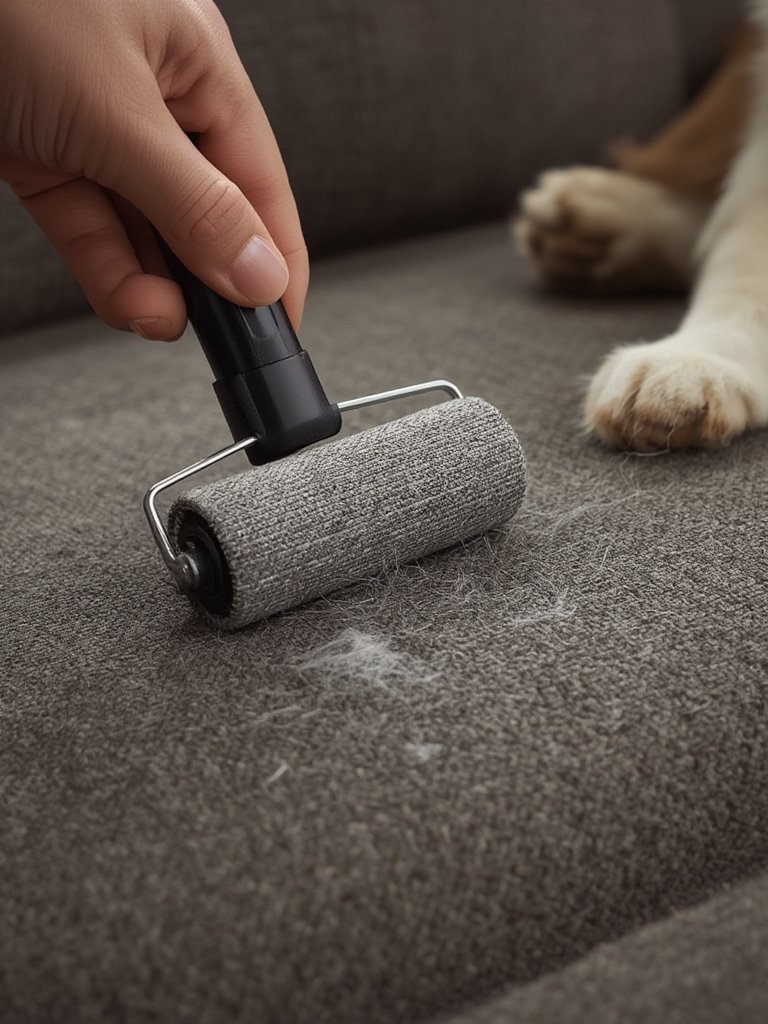
For maximal value, consider affordable rollers with refill packs, or opt for a reusable tool like Scotch-Brite Pet Hair Rollers for proven everyday performance. Curious about other home solutions? Check out our review of portable pet hair vacuums and deep cleaning dog beds for more tips.
Don’t forget to combine weekly lint rolling with selecting pet-hair-safe fabrics and routine brushing with grooming gloves vs rollers. It’s a whole-home routine that pays off in comfort and cleanliness for pet lovers.
Advanced Analysis & Common Pitfalls
Now let’s take an honest look at the problems users face and how different roller pet hair removers stack up in practice.
- Adhesion Challenges: Many users complain that some rollers, especially disposable types, don’t pick up short fur or fine undercoats. Black dog and cat hair may cling to fabric even after repeated rolling (Scotch-Brite reviews).
- Durability Disappointment: Reusable rollers can wear out with heavy or improper use. Sticky sheet models need frequent refills, which can become costly if you have multiple shedding pets.
- Lack of Market Data: There’s little transparent information on market growth or exact pricing. You’ll need to check product pages for the latest pricing and availability (see product reviews).
- Missing Lab Tests: Users rely mostly on personal experience or crowdsourced reviews, as independent lab comparisons for effectiveness and durability aren’t readily available.
- Unknown Safety Factors: None of the major reviews or listings mention whether materials are allergen-free or environmentally safe. Frequent use on different fabrics might leave residues or wear sensitive upholstery.
| Roller Type | Strengths | Common Problems |
|---|---|---|
| Disposable Adhesive Rollers | High initial pickup, low cost per unit, widely available | Poor at fine or embedded hair, require frequent refills, sticky residue risk |
| Reusable Textile Rollers | No ongoing refill cost, eco-friendly choice, decent for daily cleaning | May wear down, less effective on certain fabrics, can miss short or fine hair |
| Retractable/Travel Rollers | Portable, stays clean in storage, great for cars and pet travel bags | Smaller pickup area, may fill up quickly on large jobs |
To avoid these pitfalls, buy from reputable brands and always check recent, verified buyer reviews. If possible, test the roller on your own pet’s hair type and favourite fabrics. And don’t expect miracles—sometimes, a combination of tools (including vacuums, brushes, and rollers) gets the best result.

Conclusion
Roller pet hair remover tools can be a game-changer for keeping your home and clothes pet-hair-free, but results depend on matching the tool to your actual needs. Pay attention to adhesion quality, durability, and ease of maintenance. For major shedding, consider pairing the roller with other solutions from our articles on best pet hair removal tools and cleaning upholstered furniture of pet hair.
Don’t settle for a generic lint roller; choose the roller pet hair remover that matches your pet, your furnishings, and your budget. Ready to step up your pet hair removal game? Try a new roller today and see the difference for yourself.
Frequently Asked Questions
Do roller pet hair removers damage delicate fabrics?
Most roller pet hair removers are safe for standard upholstery and clothing, but they can snag loose weaves or delicate materials. Always test on a hidden spot first.
How do I clean a reusable roller pet hair remover?
Remove hair debris after each use by hand or with a vacuum. Some reusable rollers can be rinsed with water, but check your manufacturer’s directions to prevent water damage or loss of effectiveness.
Are reusable lint rollers actually worth it?
If used regularly, reusable rollers save money versus disposable refills and reduce landfill waste. However, their performance may decline over time, and some hair types are harder to pick up without a sticky adhesive.
Is there a roller that works on all surfaces (clothes, couches, car seats)?
Some high-adhesion rollers or travel designs claim multi-surface use. However, expect to use different tools for embedded hair, thick upholstery, or large areas for the best results.
What should I do if a roller pet hair remover leaves sticky residue?
Immediately wipe the fabric with a clean, damp cloth. For persistent residue, use a little rubbing alcohol, but always test on an inconspicuous section first.