

Raised garden bed with wheels lets you bring the garden to your exact spot, whether that’s sun, shade, or your patio for easy care—making vegetable gardening flexible and accessible even in tight or urban spaces.
Key Takeaways
- Mobility enables you to chase sun, protect plants from weather, and simplify garden maintenance year-round.
- Material choice (wood, metal, or plastic) affects bed longevity, upkeep needs, and possible plant health outcomes.
- Drainage, weight limits, and wheel design are critical specs that most buyer’s guides still overlook—assess them before purchase.
- Understanding Raised Garden Beds with Wheels
- How to Set Up and Use a Mobile Raised Garden Bed
- Advanced Analysis & Common Pitfalls
- Conclusion
- Frequently Asked Questions
Understanding Raised Garden Beds with Wheels
A raised garden bed with wheels is an elevated planting box set on sturdy casters or rolling frames so it can be easily relocated. They’re designed for outdoor patios, small backyards, and urban gardeners who want high yields but limited permanent yard space. Mobility is more than a convenience—it lets you maneuver heavy planters for sunlight, avoid storms, and tend plants from any angle without back strain.
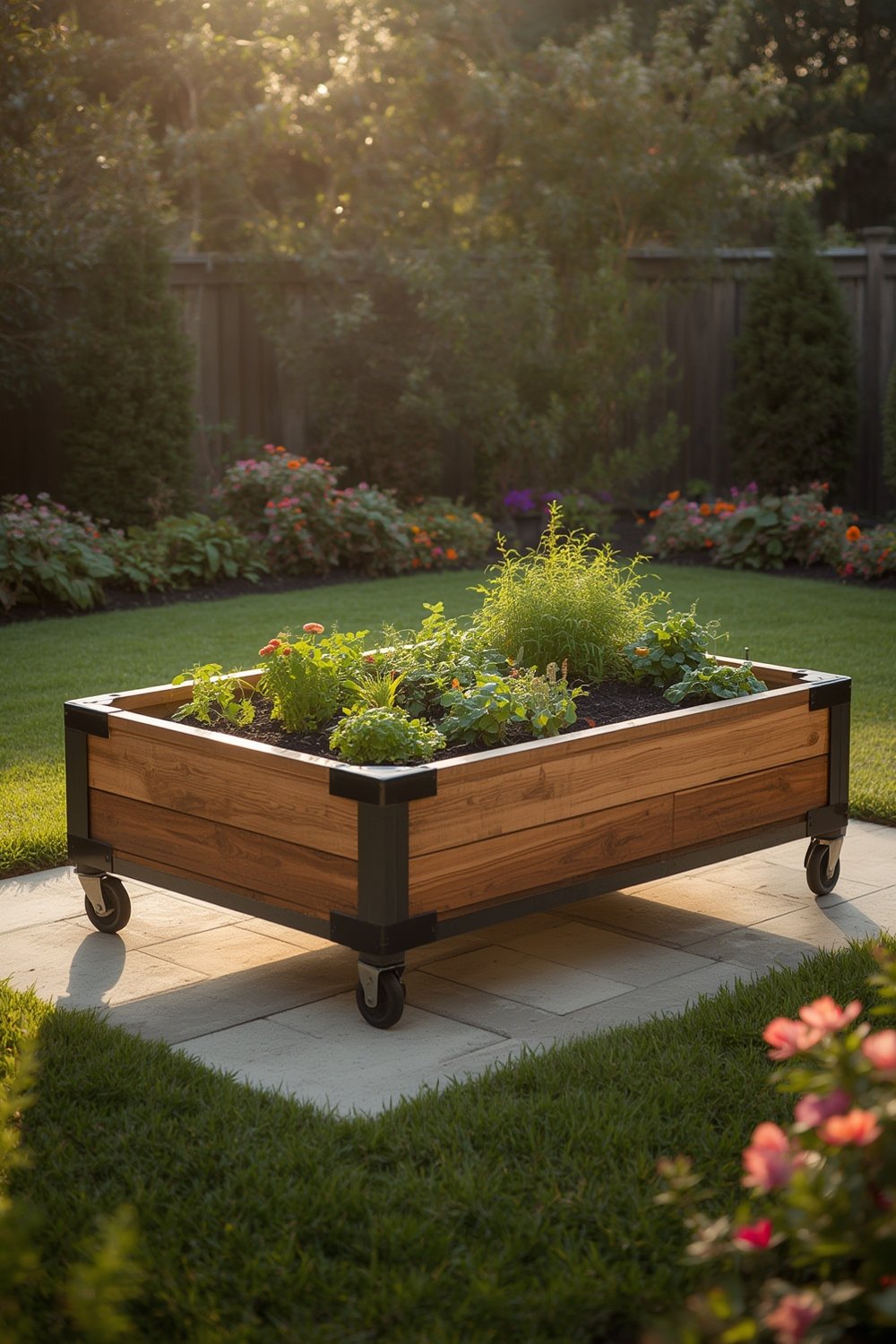
Why consider a mobile planter? Many gardeners—especially renters, wheelchair users, and apartment dwellers—choose them for flexibility. You can start seedlings in sun, roll under an awning during hail, or decorate your terrace without lifting or repotting. As urban gardening grows (with online sales of raised beds up 27% between 2022 and 2024), the demand for movable, versatile garden solutions is accelerating.
How to Set Up and Use a Mobile Raised Garden Bed
- Choose the Right Model:
Look for a raised garden bed with wheels that matches your available patio space and growing goals.- Wood gives a warm, natural look and is eco-friendly, controlling 45% of the raised bed market [source].
- Galvanized steel offers over 20 years of use and exceptional pest resistance, with 32% global market share.
- Plastic/resin beds provide light weight and ultra-low maintenance.
- Inspect Wheel Design:
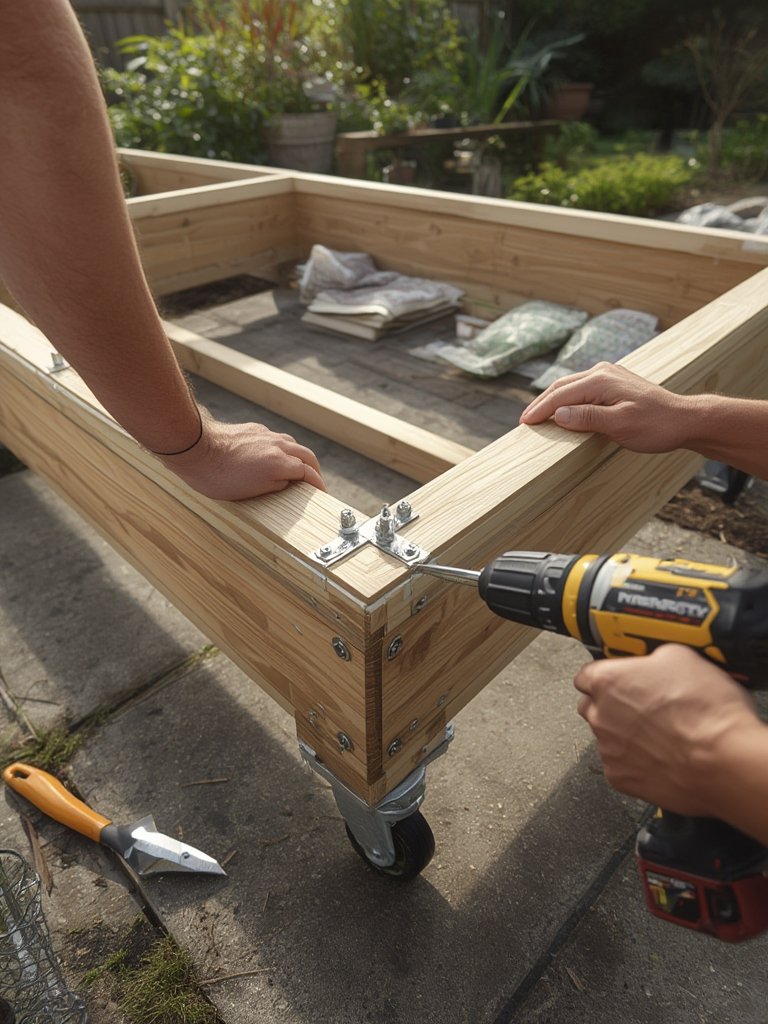
Not all casters are created equal. Ensure the wheels are large, lockable, and rated for the full soil and water weight you’ll add (often 150-250 pounds for a medium planter). - Assembly Tips:
Most raised beds ship flat-packed. Have a helper for moving pieces, and pre-sort bolts and casters. Check for reinforced corners and cross-bracing, especially if you’ll be rolling over uneven pavers. - Plan Drainage:
Good drainage prevents root rot. Select models with oversized drainage holes or add a layer of landscape fabric and gravel before soil. Avoid beds without any underflow opening, as waterlogging quickly becomes a problem. - Fill and Plant:
Use lightweight, high-quality potting mix to reduce weight. Don’t load past the manufacturer’s max capacity. Install drip irrigation or a soaker hose for easy, efficient watering. - Position and Move:
Roll into sunniest spot—ideally 6 to 8 hours of sunlight for vegetables. Lock wheels when wind is forecast.
Consider integrating a drip irrigation kit for raised beds for water conservation, especially if you roll your planter into partial sun or shield it from summer storms.
Not sure where to store tools and seeds for fast access? Pair your setup with an outdoor storage shed (resin) that keeps everything organized right on your patio.
Advanced Analysis & Common Pitfalls
While rolling raised garden beds promise adaptability, real-world use exposes several challenges—most overlooked in general garden advice. Here are the biggest pitfalls and what to do about them:
| Issue | Impact | How to Solve |
|---|---|---|
| Wheels jam or wear out | Bed becomes immobile, may tip when forced | Grease casters, periodically check bolts, replace with steel or upgrade wheels if needed |
| Wood rotting or warping (especially at corners) | Leaks, structural breakdown, possible pest entry | Seal joints annually with food-safe exterior wood sealant, add corner braces |
| Plastic beds degrade in UV light | Cracking, brittleness, and soil spill risk after 2-4 years | Check for UV-stabilized resin, use shade cloth in intense summer |
| Poor drainage or water pooling | Root rot, stunted plants, fungal disease | Drill extra holes if needed, use coarse substrate layer at bottom |
Market data notes nearly 3.4 billion USD projected market value for raised beds by 2030, but there’s a real gap in publicly available reviews for mobile variants. That means buyers need to check their own needs for climate (excessive sun weakens plastic, frost damages thin metal), pay attention to assembly quality, and consider the long-term wear and tear caused by regular rolling on hard or rough surfaces.
Don’t neglect other outdoor improvements: a smokeless fire pit or vertical garden system naturally complement your mobile gardens, especially for decks and small-space living.
Conclusion
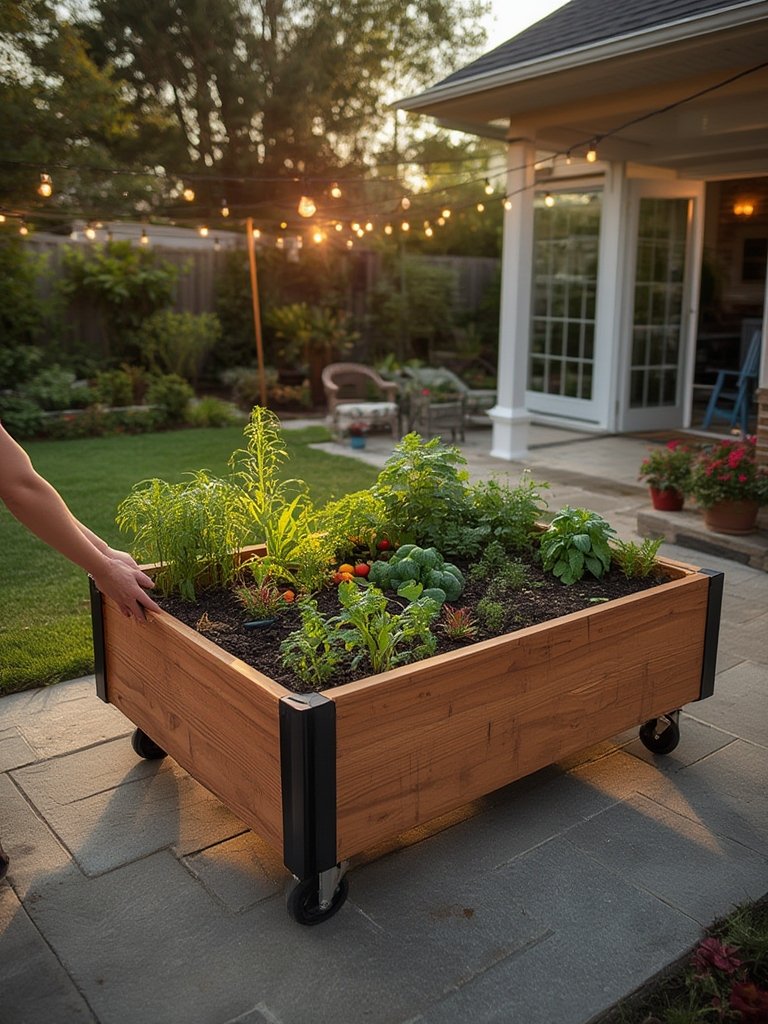
A raised garden bed with wheels empowers urban gardeners and anyone short on permanent yard space to grow vegetables, herbs, and flowers anywhere. Mobility isn’t just about convenience—it improves plant success by allowing instant microclimate control. Watch for weak casters, properly seal wood, and always compare specs before investing. Ready to roll out better yields? Raised garden bed with wheels is your modern shortcut to flexible, productive gardening. Make your pick, check your deck, and get growing.
Level-up your outdoor setup: browse tough battery powered lawn mowers and solar waterproof garden lighting to complete your space.
Frequently Asked Questions
What size raised garden bed with wheels is best for a small balcony?
For most apartment balconies, look for beds 24-36 inches long and 12-16 inches deep. This size fits most narrow outdoor spaces, remains movable even when full, and is large enough for salad greens, herbs, or two tomato plants.
Can I use a rolling raised bed year-round in cold climates?
Yes, but take precautions. Move beds undercover during frost or snow. Consider models with optional clear covers—like mini-greenhouse attachments—to extend your growing season by several weeks.
Do I need special soil for a mobile planter box?
Use lightweight potting mix or vegetable container soil blends. Avoid dense garden soil, which is too heavy and often clogs drainage. Mix in compost or worm castings for extra nutrients.
How do I prevent the raised bed from rolling away in wind?
Always lock or chock the wheels after moving the bed. If your location is especially windy, position the bed against a wall or add temporary wheel blocks (like wooden wedges) for added safety.
Are metal or wood rolling raised beds better for plant health?
Both are safe if untreated. Metal tends to last longer and deter pests, but can overheat roots in extreme sun. Wood provides insulation, but needs sealing and may harbor pests if not well maintained.
—