

Rain barrel kit systems are one of the most practical ways to save water and lower your utility bills, whether you’re building a sustainable garden or preparing for droughts. Growing adoption, local incentives, and increasing water costs have brought rain barrel kits into the spotlight in 2024. But choosing the right kit and installing it properly means understanding the real options, challenges, and savings involved.
Key Takeaways
- Rain barrel kits are gaining popularity, especially in drought-prone areas, due to water conservation incentives and increased awareness.
- Understanding technical specs, installation steps, and common pitfalls is crucial for maximizing your investment.
- State and local rebates can significantly reduce your rain barrel kit costs—research programs in your area for hidden savings.
- The Core Concept: What Is a Rain Barrel Kit and Why Use One?
- Step-by-Step Guide: How to Install and Use a Rain Barrel Kit
- Advanced Analysis & Common Pitfalls
- Conclusion & Next Steps
- Frequently Asked Questions
The Core Concept: What Is a Rain Barrel Kit and Why Use One?
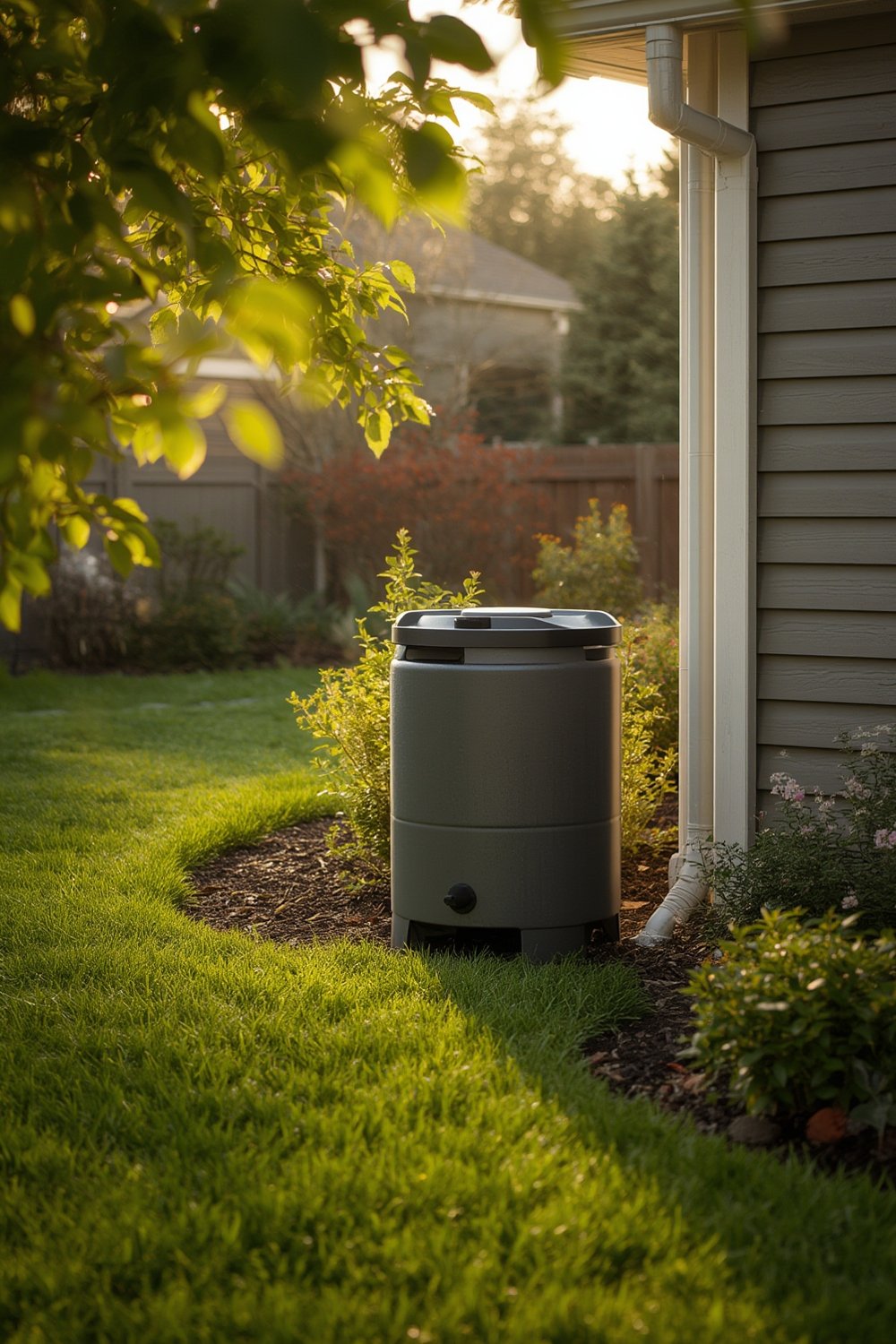
A rain barrel kit captures rainwater from your roof and stores it for later use in your garden or landscaping. The core appeal is straightforward: reduce your municipal water usage, cut your bills, and help the environment by making the most of every downpour. With droughts affecting up to 42.55% of the US and water costs rising, these kits have become a practical necessity in many regions rather than just a green lifestyle choice.
Globally, the rainwater harvesting market is booming. In 2024, it’s valued at roughly US$1,850 million and projected to nearly double by 2034. Rain barrel systems specifically account for around 28.3% of this market, and North America drives a significant share thanks to rebate programs and drought concerns.
A rain barrel kit usually includes the barrel, diverter, spigot, overflow valve, and debris screen. While plastic is the most common—and budget-friendly—material, premium versions now feature modular, smart irrigation compatibility and advanced filtration options. Whether you have a modest flowerbed or a sprawling landscape, sizing your rain barrel kit (most homeowners choose 50-100 gallons) lets you reclaim up to 40% of your household’s outdoor water usage—a major boost for sustainability and for your wallet.
If you are also interested in other water-saving solutions for outdoor spaces, see our deep dive on vertical garden systems and how they pair well with rainwater collection kits.
Step-by-Step Guide: How to Install and Use a Rain Barrel Kit
Installing a rain barrel kit is a straightforward home project for most DIYers. Here’s how to get it right the first time:
- Choose the Right Location. Place your rain barrel under a downspout near your garden or landscaping for easy access. Ensure the surface is level.
- Prep Your Surface. Clear debris and use concrete pavers or a stable platform to support the full weight of a filled barrel.
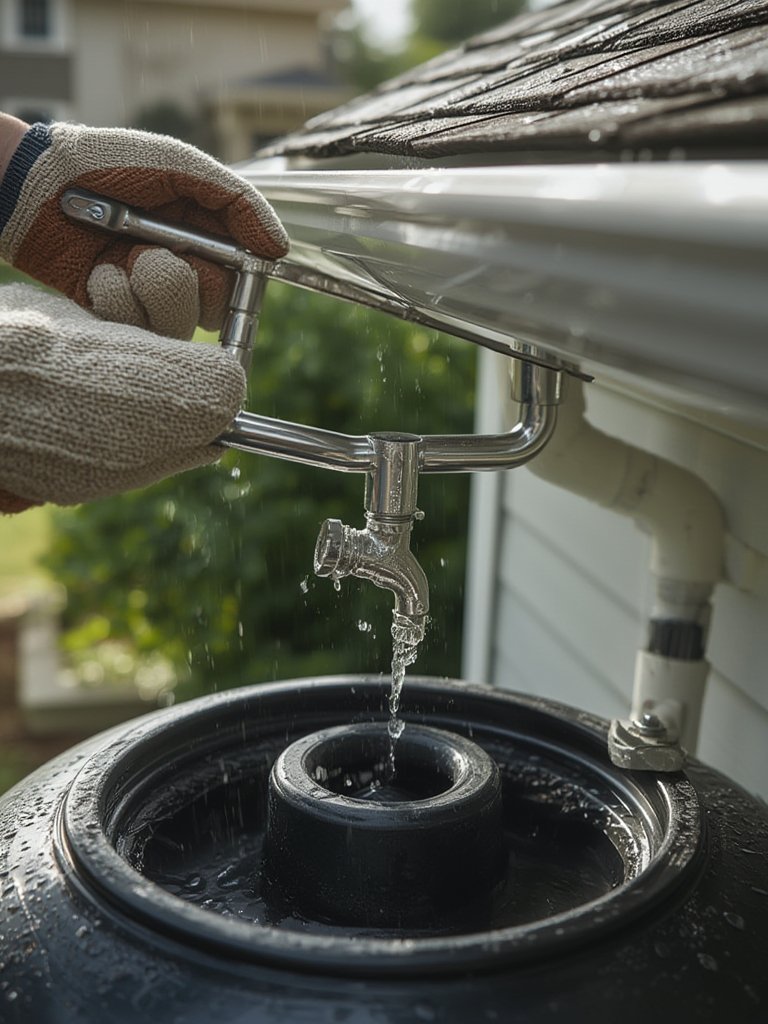
- Install the Diverter. Use the included diverter or flex hose to route water from your downspout into the barrel. Follow manufacturer instructions for drilling or attaching components.
- Attach the Spigot & Overflow Valve. Tighten all fittings, then install a debris screen to block leaves and insects.
- Test the Connections. Run water down the gutter to identify leaks. Address any drips with plumber’s tape or by reseating gaskets.
- Begin Collection. Let it rain—your barrel will begin filling with the next shower. Use the spigot to draw water for your garden or washing outdoor tools.
- Maintain Regularly. Rinse the barrel seasonally, check for clogs, and monitor for mosquito activity.
Advanced users can connect rain barrel kits directly to smart irrigation controllers—see our review of app-enabled watering systems for extra automation and water savings.
For small-space gardeners, coupling your rain barrel kit setup with pet-friendly artificial turf keeps your yard green and water-efficient year round. Save even more by using your collected water for dog washing stations or cleaning—just check local guidelines.
Advanced Analysis & Common Pitfalls
Rain barrel kits offer huge potential—but there are common traps and technical issues many homeowners overlook. Let’s break down real-world pitfalls and how to avoid them:
- Gaps in Local Regulations: Some regions incentivize rainwater harvesting with rebates, while others have restrictions on water use for potable or non-garden applications. Research your city’s programs before purchasing and confirm you’re eligible for rebates or not subject to restrictions. See market data on regulatory initiatives here.
- Under-Sizing Your Barrel: Many buyers opt for the lowest-cost (40-50 gallon) kit thinking it’s “enough.” But in regions with infrequent rain, a larger (100+ gallons) tank offers far greater savings and reduces daily maintenance. Medium size barrels (50-100 gallons) are most popular for US households (46.8% share).
- Ignoring Technical Specs: Cheaper rain barrel kits often use thin-walled plastics prone to UV degradation. Premium kits offer thicker BPA-free materials, integrated overflow controls, and debris filters. Smart home compatible barrels streamline automation but cost more upfront.
- Poor Mosquito Control: If screens aren’t tightly installed or gaps exist at fittings, standing water becomes a mosquito magnet. Select kits with ultrafine mesh and check seals every few weeks, especially in summer.
- Neglecting Winterizing: In climates where temperatures drop below freezing, unprotected barrels can crack or hoses burst. Always drain and disconnect your rain barrel kit before winter. Store it upside down or indoors to prevent damage.
| Feature | Budget Rain Barrel Kit | Premium Rain Barrel Kit |
|---|---|---|
| Material | Basic plastic, thin walls | Thick UV-resistant plastic, optional wood or metal accents |
| Capacity | <50 gallons | 50-100+ gallons, modular expandability |
| Overflow Management | Simple overflow port | Integrated diverter, soil safe overflow routing |
| Filtration & Screens | Basic or none | Fine mesh, replaceable debris filters |
| Smart Integration | No | App monitoring, irrigation controller compatibility |
| Price | $$ | $$$ – $$$$ (rebates may offset cost) |
Hidden costs can include extra downspout diverters, replacement screens, permits (in rare localities), and seasonal maintenance supplies. While US-specific installation costs are not widely published, expect kit prices to range from $45 to $200+, with premium models and accessories costing much more. Local rebates in states like California, Texas, and Arizona can offset 30%–100% of initial outlay—check your municipal sustainability office for current offerings.
If maintenance and indoor upgrades are also on your radar, consider pairing your rain barrel water use with a tankless electric water heater for optimized hot water needs, or streamline garden tasks with storage solutions like our resin outdoor storage shed guide.
Conclusion & Next Steps
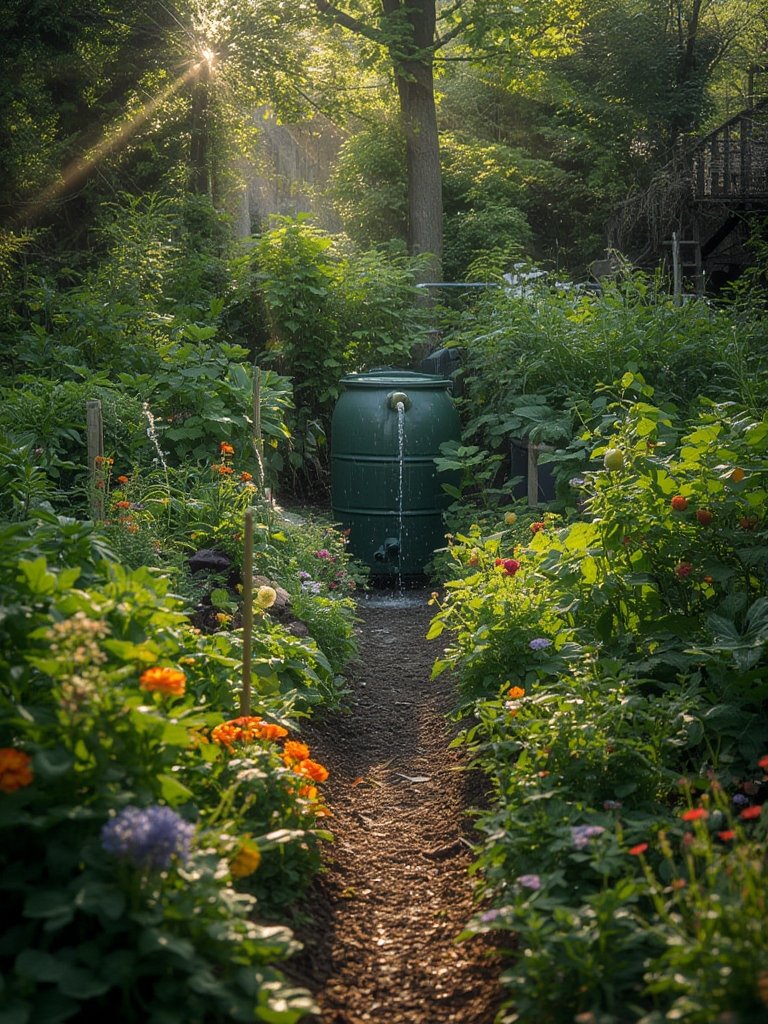
Rain barrel kits are smart investments that pay dividends in lower utility costs, greener landscapes, and better drought resilience. They’re more than just a “sustainable trend”—they’re becoming essential home equipment in water-stressed areas. The key to maximizing value lies in sizing your system, understanding technical specs, utilizing local rebates, and planning for real-world maintenance.
If you’re ready to get started, research rebate programs in your area and compare kits for durability and features. A properly installed rain barrel kit will save you time, money, and hassle for years to come. Start collecting free water from your roof—your wallet and your garden will thank you.
Frequently Asked Questions
How much water can a typical rain barrel kit collect per inch of rainfall?
The actual amount depends on your roof size. As a general rule, every 1,000 square feet of roof collects about 623 gallons per inch of rain. A 50-gallon rain barrel fills quickly—often after a single moderate rainfall. For larger yards, consider connecting multiple barrels for extra capacity.
Are there restrictions on using a rain barrel kit in my state?
Most US states encourage or allow rainwater harvesting for residential use, especially for non-potable applications like irrigation. Some localities offer rebates; very few restrict usage. Always check local ordinances and rebate programs before installing. California, Texas, and Arizona are leaders in incentives.
What is the best way to prevent mosquitos in my rain barrel kit?
Use an ultrafine mesh screen firmly attached at all inlets and outlets. Check regularly for any gaps around the lid, hose, or spigot. Consider treating water with a mosquito dunk (BTI, safe for plants and pets) if local mosquito pressure is high.
Should I winterize my rain barrel kit?
Yes, in any climate where it drops below freezing. Drain and disconnect the barrel, leaving valves open to prevent cracking. Store the barrel upside down or indoors for winter. Replace any damaged fittings before reinstalling in spring.
How do rain barrel kits compare to other backyard upgrades?
Unlike a compost bin or smokeless fire pit, rain barrel kits deliver ongoing utility bill savings and direct water conservation. They pair well with smart watering and landscaping solutions for maximum efficiency.