

Portable power station solar compatible solutions offer reliable off-grid energy for camping, emergencies, and travel by harnessing the sun for unlimited recharging—no noisy generators or fuel required.
Key Takeaways
- Portable power stations between 1,000 Wh to 2,000 Wh lead the 2024 market for solar-compatible applications, combining portability with enough power for most off-grid needs.
- Lithium Iron Phosphate (LFP) batteries now dominate for safety, lifespan, and thermal reliability—making them the preferred choice for solar generator units.
- Direct customer complaints are underreported, but knowing compatibility, charging limitations, and real usage expectations is crucial before making a purchase.
- Understanding Portable Power Station Solar Compatible Technology
- How to Use and Maximize a Portable Power Station Solar Compatible Unit
- Advanced Analysis & Common Pitfalls with Solar Compatible Power Stations
- Conclusion
- Frequently Asked Questions
Understanding Portable Power Station Solar Compatible Technology
A portable power station solar compatible device is a rechargeable battery system that powers small appliances and electronics while allowing direct solar recharging.
This setup enables true energy independence, unlike gas generators or basic power banks.
Most 2024 models fall within the 1,000 Wh to 2,000 Wh range.
This capacity offers a practical balance between portability and usable power for devices like laptops, lights, CPAP machines, and mini-fridges.
Modern units rely on Lithium Iron Phosphate (LFP) batteries.
These provide better thermal stability and significantly longer lifespans—often exceeding 3,000 to 5,000 cycles—making them ideal for repeated solar charging.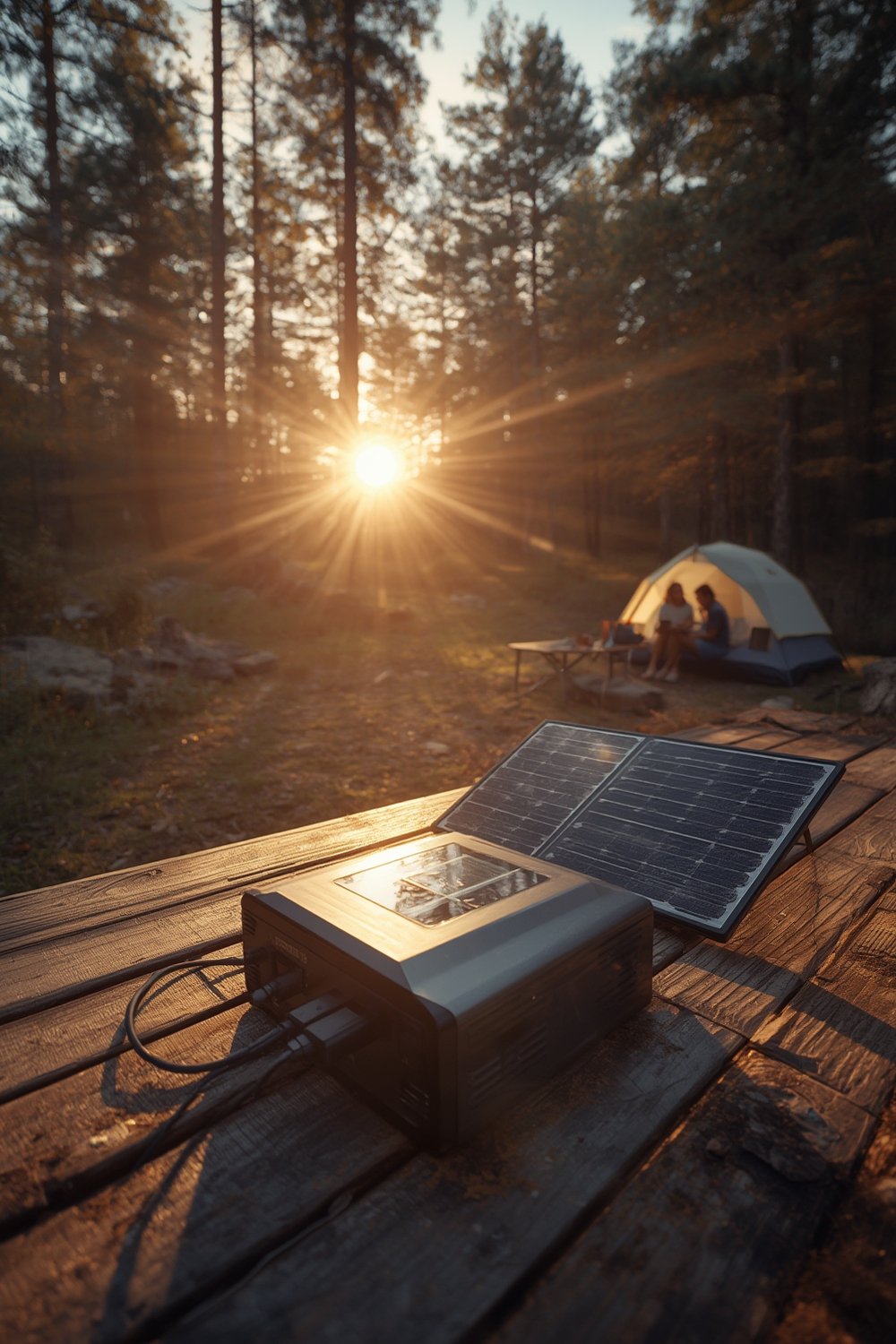
Solar compatibility in this context means the station can directly interface with solar panels (typically MC4 or proprietary plug types).
Many also include MPPT charge controllers, which improve charging efficiency by optimizing energy conversion from sunlight.
Leading brands such as EcoFlow, Jackery, Bluetti, and Goal Zero dominate this space with feature-rich models.
These systems typically include multiple AC/DC outputs, fast charging, and reliable performance for outdoor or emergency use.
According to industry research, the U.S. market reached $280 million in 2024, with over 50% of the value concentrated in this midrange segment.
When choosing a unit, focus less on marketing specs and more on real-world compatibility.
Battery type, input wattage, and connector support should align with how you actually plan to use the system.
How to Use and Maximize a Portable Power Station Solar Compatible Unit
Deploying a solar compatible portable power station for camping, van life, or storm prep is relatively simple, but optimizing real-world performance requires a few deliberate steps:
- Verify your device and solar panel compatibility.
Always match the station’s maximum input voltage/amperage to your solar panel’s output, or you risk damaging your station or getting slow charging speeds. Look for MC4 or proprietary connectors and check manufacturer documentation. - Position solar panels for optimal performance.
Angle and relocate panels toward peak sunlight throughout the day, ideally between 10am and 2pm, to maximize input wattage. Shadows dramatically reduce output—even partial coverage can drop performance by 70%. - Monitor usable watt-hours (Wh) and real power loads.
Calculate device runtime by dividing the power station’s effective Wh by the combined wattage of devices in use. For example, a 1,200 Wh unit running a 60W CPAP could theoretically last around 18–20 hours, accounting for inverter loss. Always cross-check manufacturer specs with your device’s needs. - Charge with mixed methods if possible.
Some models allow simultaneous solar and wall (AC) charging. Use this to “boost” your battery if you have a short weather window or need power in a hurry. - Maintain battery health for the long term.
Store the station within the recommended temperature range and recharge it every 3–6 months if kept in storage. LFP batteries are resistant to deep discharge but keeping them above 20% extends lifespan.
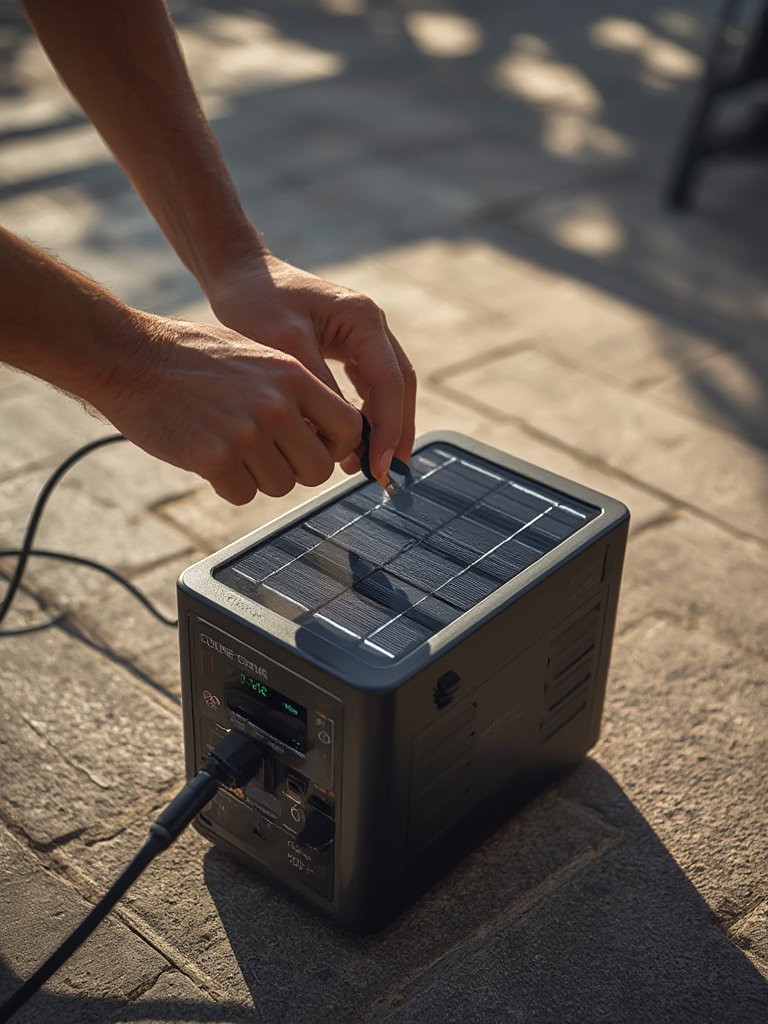
Staying realistic about your needs matters. For example, if you want to power a smart litter box or a smokeless fire pit during a backyard power loss, be sure to test your setup beforehand. Not all electronics have the same inverter compatibility, and power loss in conversion (AC inverter = 10-15% loss) adds up quickly.
For pet owners using power stations to keep devices like pet water fountains or smart pet feeders running off-grid, always calculate the daily watt-hour requirement and check that your solar panel’s rated output is achievable for your climate.
Advanced Analysis & Common Pitfalls with Solar Compatible Power Stations
Based on the latest market research and real-world usage, several persistent gaps and user pitfalls remain:
| Pitfall | What Happens | How To Avoid |
|---|---|---|
| Incompatible solar panel connections | Panels can’t connect or charge at all | Always check for MC4 or proprietary plugs; buy adapter cables if needed |
| Overestimating runtime | Devices run out of power unexpectedly | Subtract 10-15% for inverter loss, and always test your device load in advance |
| Slow or unpredictable solar charging | Slow recharging, especially in shade/cloud | Use high-efficiency panels, reposition, and clean panel surfaces often |
| Ignoring battery chemistry | Shorter battery life or safety risks | Choose LFP (LiFePO4) for the safest, longest-lasting solution where possible |
Another ongoing challenge is precise cost comparison. As recent research highlights, average prices and brand feature breakdowns are frustratingly opaque, making it tricky to determine value for money based on annual field performance rather than marketing specs.
Independent test data on actual run times for essentials like CPAP, mini-fridges, or laptops is limited. It’s wise to conduct your own tests before relying on any setup as an emergency backup. For those powering additional smart home devices—like a smart thermostat or solar-powered security camera—always verify your station’s inverter output and surge ratings, not just its theoretical capacity.
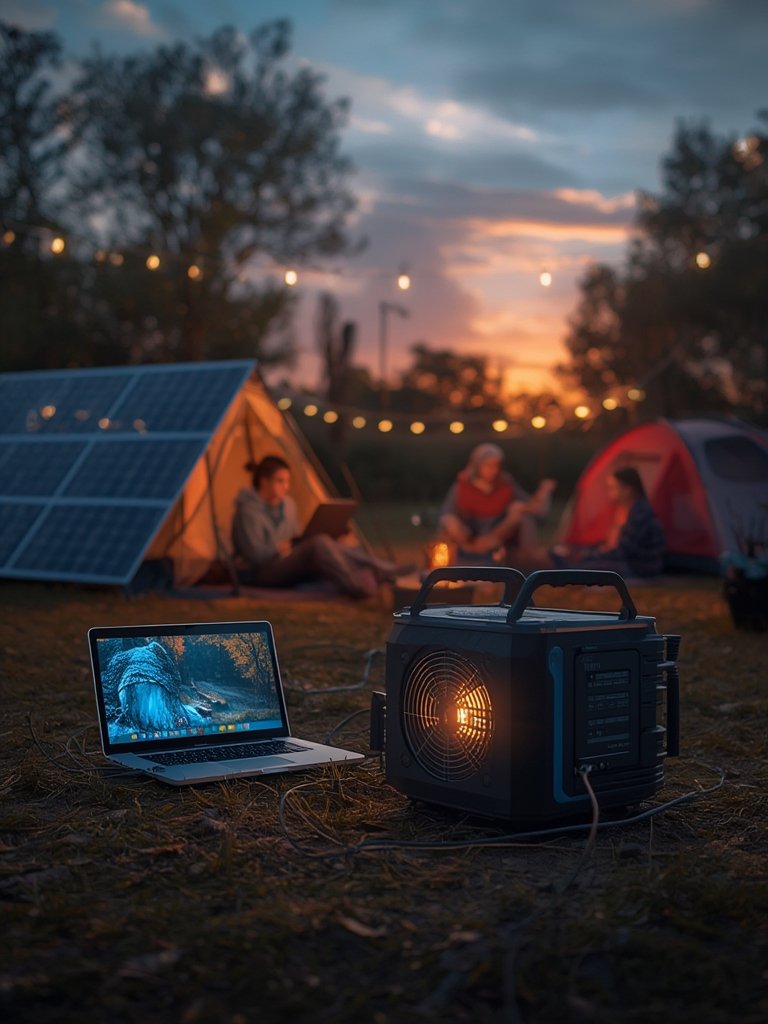
Despite these uncertainties, one area stands out: LFP battery advances. The 2024 market has consolidated around LFP chemistry for portable and solar-compatible uses, thanks to better safety and a much longer cycle life than legacy Lithium-ion. This focus increases peace of mind, especially for users in remote locations or where heat is a concern.
Conclusion
Portable power station solar compatible technology has rapidly become the gold standard for off-grid and backup power needs, especially as LFP batteries and solar input efficiencies continue to improve. To get the most from your setup, focus on real-world use calculations, compatibility, and a bit of pre-trip testing. Brands are evolving, but transparency and honest self-assessment of your needs matter more than marketing hype.
Ready to go solar for your next camping trip or prep for home emergencies? Invest in a modern, portable power station solar compatible unit designed for your specific devices and always test before you need it most.
FAQ
What is the best portable power station solar compatible battery chemistry?
Lithium Iron Phosphate (LFP) batteries are now the safest and most durable choice. They last longer than standard lithium-ion and are less likely to overheat, making them ideal for solar integration and repeat use in all conditions.
Can I use any solar panel with my portable power station?
No. You must match connector types (like MC4, Anderson, or proprietary) and ensure the voltage/amperage from your panel does not exceed the station’s maximum input. Always check manufacturer compatibility guidelines.
How long does it take to charge a power station with solar panels?
Charging speed varies by panel size, sunlight, and input specs. A 200W panel in full sun can charge a 1,200Wh station in 7–8 hours, but this slows dramatically in clouds/shade. Using two panels in parallel can speed up charging if the unit allows dual inputs.
Can these stations power high-draw appliances?
Some can, but always check both the AC inverter output (continuous/surge ratings) and total battery capacity. Most midrange units handle laptops, small fridges, fans, and CPAPs, but may struggle with items like space heaters or microwaves.
How do I tell if a power station is truly solar compatible?
Look for “solar charging” or “MPPT controller” in the specs, and confirm that the station includes the right port/connector for your solar panel. Also verify allowable voltage/amperage ranges to avoid damage or charging failures.
—