

Portable electric chainsaw ownership is accelerating fast in 2024 as homeowners want lightweight tools for DIY yard work, but real differences in performance, maintenance, and safety set these models apart from gas or corded saws. Are they right for you? Let’s break down the facts and hidden challenges before you buy.
Key Takeaways
- Portable electric chainsaw adoption jumps 18% annually, driven by lightweight 20V lithium-ion models in US homes.
- Electric models are quieter and lower maintenance, but can struggle on large, dense wood compared to gas saws.
- Choose models with safety features like quick-stop switches and always consider bar length for your yard tasks.
- What Is a Portable Electric Chainsaw and Why Homeowners Love Them
- How to Choose and Use a Portable Electric Chainsaw: Step-by-Step Guide
- Advanced Analysis: Real-World Challenges, Costs, and Comparison Table
- Conclusion: Is a Portable Electric Chainsaw Worth It?
- FAQ
What Is a Portable Electric Chainsaw and Why Homeowners Love Them
A portable electric chainsaw is a compact, rechargeable tool designed to handle light to moderate yard work – think pruning trees, trimming branches, storm cleanup, or prepping firewood. In 2024, these chainsaws grab a 78% share of mini saw unit sales worldwide, and they’re especially popular among gardeners and DIY home users who value maneuverability and reduced noise (<90 dB). Unlike bulky gas saws, new battery-powered models (such as common 20V lithium-ion) weigh less, start instantly, and eliminate oil and fume hassles. This makes them ideal for “grab-and-go” cutting in residential spaces, balconies, and even small workshops. Demand is rising with 65% of US gardening households choosing them, as e-commerce bundles and social media showcase cordless convenience (source).
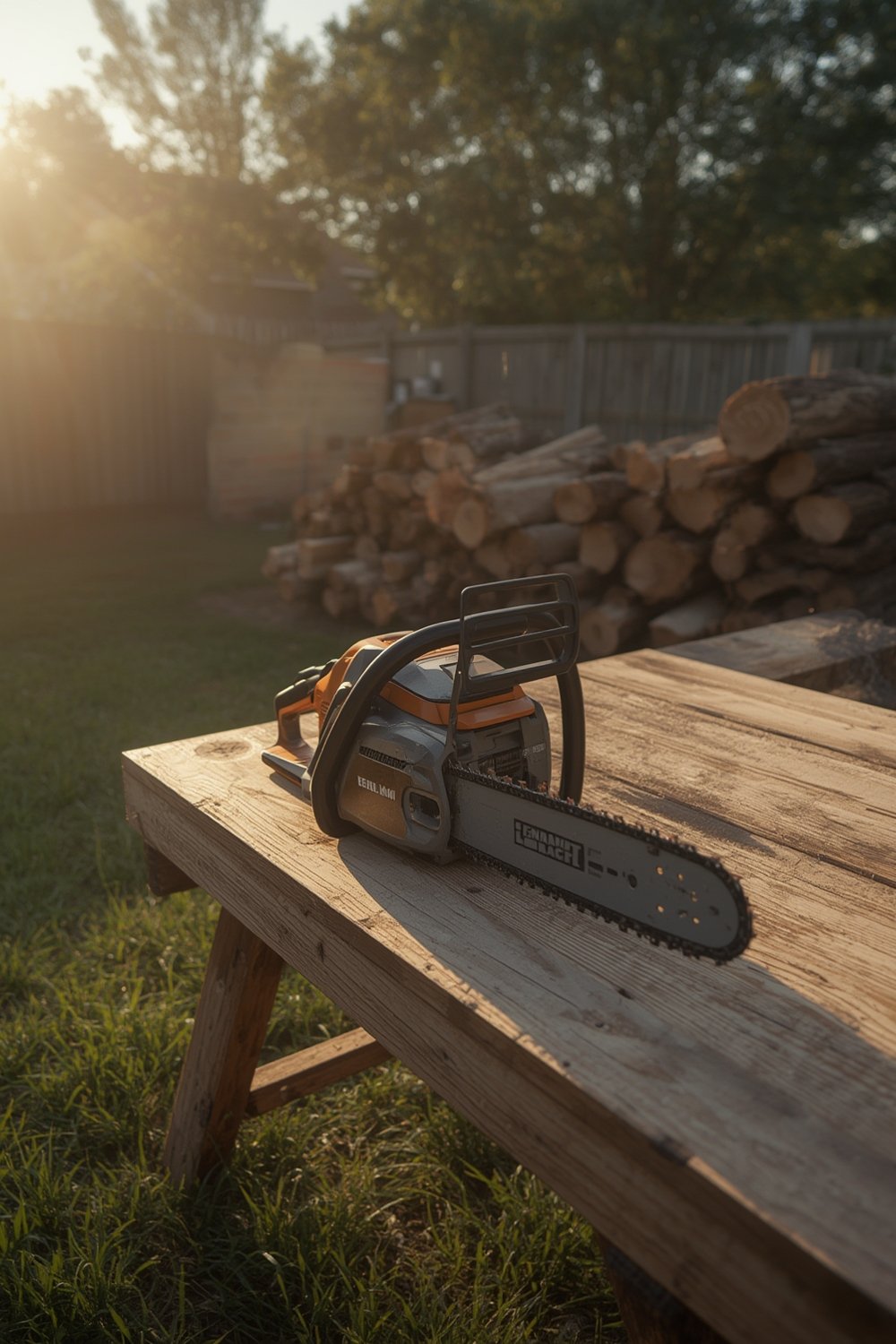
Newer models run on lithium-ion batteries with capacities from 2.0Ah to 5.0Ah. That means less downtime, more cuts per charge, and fast swap-and-go battery systems. Homeowners value the easy upkeep and quick readiness — no cords to unravel or fuel to mix.
Still, these saws aren’t for everyone. Power limitations remain for serious logs or hardwood jobs. For heavy-duty sawing, gas still rules at 61.78% market share (source), though electrics are fast improving for most residential needs.
How to Choose and Use a Portable Electric Chainsaw: Step-by-Step Guide
- Assess Your Typical Yard Work
Write down your regular yard tasks. Are you trimming small bushes, pruning fruit trees, or tackling big logs after storms? Electric saws work best for branches up to 16 inches and clean, dry wood. - Check Key Specs: Weight, Bar Length, and Battery
Lightweight is king for DIY. Most homeowner-friendly models weigh 5-8 lbs with bar lengths from 6 to 14 inches. Ensure the battery offers at least 40 minutes runtime if you have a big yard. - Understand Charging and Maintenance
Look for fast-charging (often 60–90 minutes), and consider buying a second battery for longer projects. Regularly clean the chain and bar; keep the chain sharp for safe operations. - Prioritize Safety Features
Search for quick-stop switches, reduced kickback bars, and chain guards. Always wear gloves and eye protection. Residential chainsaw models often comply with OSHA and EU safety standards to reduce injury risk. - Read Real-World Reviews (Not Just Star Ratings)
Since there’s little standardized complaint data, scan several user comments for repeated issues about battery drain or weak cutting, especially if you’ll push the saw’s limits.
For product examples, the Robert Bosch GKE 18V-40 Professional is a standout with brushless motor and fast AmpShare battery (source). - Plan for Yard Debris Disposal and Storage
Electric chainsaws are smaller — store them indoors away from damp, and fully charge batteries every few months when not in use.
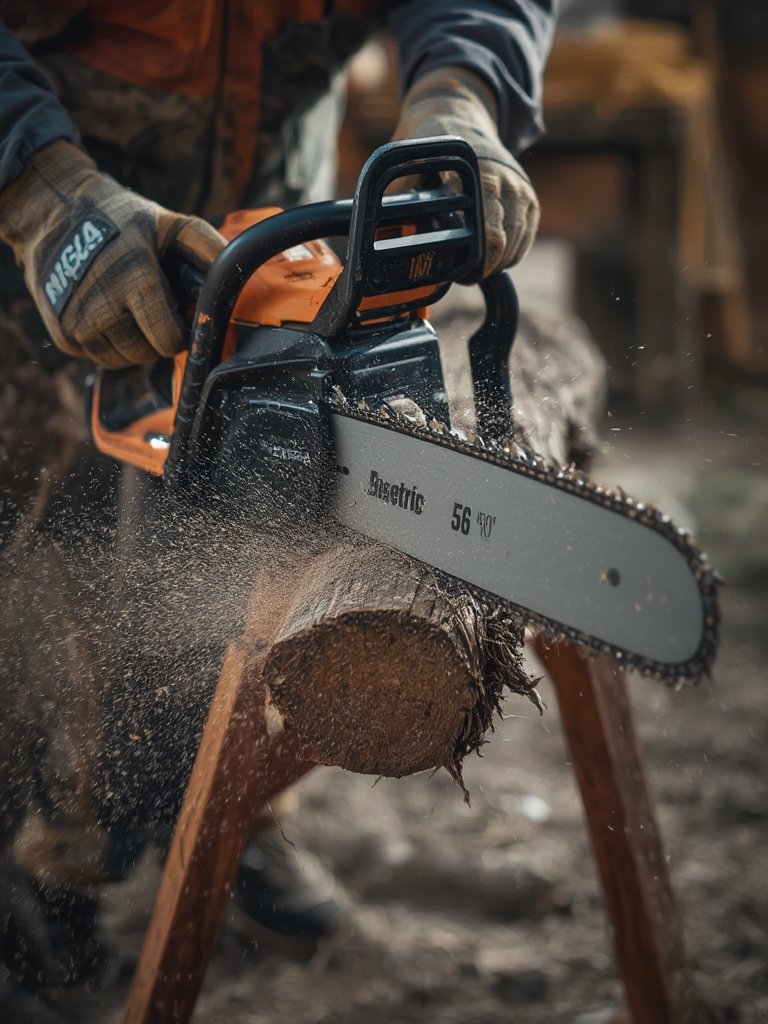
Looking to build out your smart yard toolkit? Pair your portable chainsaw with a smokeless fire pit for debris burning or check our automatic litter box guide for truly hands-off pet care between yard days.
Advanced Analysis: Real-World Challenges, Costs, and Comparison Table
Electric chainsaws shine for convenience, but you’ll encounter practical setbacks. Here are the most common user challenges and overlooked issues:
- Battery Life Anxiety: Most mini chainsaws offer 40–60 minutes of runtime, which may drop in cold weather or under heavy load. Make sure you size your purchase for your yard, or buy an extra battery.
- Cutting Power Limits: Battery saws can slow down on old hardwood or thick trunks. Gas models deliver more torque for tough, dense materials but add noise, emissions, and maintenance burdens.
- Replacement Costs: While acquisition costs are dropping, replacement batteries and chains are not always cheap—especially if you need several sizes. Models with standardized battery formats help mitigate this expense.
- Maintenance Surprises: Expect to sharpen chains more often if you cut dirty or sappy wood. Always clean the bar and chain after each use to avoid build-up that drains battery power.
- Safety Concerns: While modern units include quick-stop and anti-kickback mechanisms, improper technique still causes accidents. Follow best practices and manufacturer guidelines (no recall or major injury stats reported for 2024–2026, but always check current databases).
- Urban Usability: Electric chainsaws run at <90dB, which many neighbors appreciate. Still, check local ordinances and charge overnight to avoid project delays.
- Real-World Feedback: Verified review complaints are limited online, so trial with small branches first or consult user forums for durability feedback. If you need gear for demanding work like tree removal, a gas unit may serve better.
How do popular models compare? Data for 2024 is limited, but here’s a summary based on available sources:
| Model | Weight | Battery Run Time | Bar Length | Charging Time | Notes |
|---|---|---|---|---|---|
| Robert Bosch GKE 18V-40 Professional | Not Specified | Not Specified | 40 cm (~16 in) | Fast-Charging Noted | Brushless motor, AmpShare battery system |
| Typical Mini Chainsaw (2024) | 5–8 lbs | 40–60 min | 6–14 in | 60–90 min | Varies by brand and battery size |
Cost data for 2024 is fragmentary, but cordless chainsaws generally cost less to operate over time—no gas, no spark plugs, and minimum emissions (market report). Replacement batteries can be a major expense, so check if the battery platform matches your other power tools.
Want to get even more use from your investment? Consider cross-compatible lithium-ion tools like a smart pet feeder or supplement your garden upgrades with a cat water fountain stainless steel for hydration alongside quiet yard work days.
Conclusion: Is a Portable Electric Chainsaw Worth It?
If you do monthly trimming, light pruning, or quick yard cleanups, a portable electric chainsaw is a smart fit — fast, low-maintenance, and safer than ever for homeowners. Power users or pros may still prefer gas for raw strength or daily use, but for most residential landscapes, electric models deliver run time, maneuverability, and low noise in a compact, affordable package.
Ready to level up your yard work? Make sure your next power tool is a portable electric chainsaw. Compare battery systems, check local deals, and join the thousands of homeowners upgrading their tools for 2024.
FAQ
How long does the battery last on a portable electric chainsaw?
Most run for 40-60 minutes per charge, depending on wood thickness and battery capacity. Cold weather or heavy use can reduce this run time.
Can a portable electric chainsaw cut hardwood or large logs?
They’re best for light to medium work — softwoods, small branches, pruning, or storm cleanup. For dense hardwood or thick trunks, a gas saw is usually more effective.
Is maintenance difficult?
Maintenance is much easier than gas models. Keep the chain sharp, clean after use, and make sure batteries are regularly charged. No fuel or spark plug upkeep needed.
Are electric chainsaws safe for beginners?
Modern electric chainsaws include safety features like quick-stop switches and reduced kickback. Always read the manual, wear safety gear, and follow best practices for safe operation.
What does a typical portable electric chainsaw cost?
Prices vary widely, but most cordless homeowner models range from $80 to $250, with spare batteries costing $30–$80 each. Bundles or cross-compatible kits with other tools may save money in the long run.