

Pet water fountain use is more than a trend—it is a solution many pet owners now consider for healthier, happier animals. Instead of simply filling a bowl, these devices promise fresh, filtered water at all times, potentially increasing your pet’s daily water intake and making life more convenient for both you and your furry companion. But do they truly deliver on these promises, and what should you be aware of before buying one? This no-nonsense guide answers those key questions, making sure you only invest if it is right for your household.
Key Takeaways
- Pet water fountains can help some cats drink more water, but actual hydration impact varies by individual and pet type.
- While fountains offer fresher, filtered water and reduce refill frequency, they require regular thorough cleaning and filter replacement to avoid hygiene issues.
- Consider your pet’s preferences and your willingness to handle maintenance before switching from a standard water bowl.
- What Is a Pet Water Fountain and Why Consider One?
- How to Use a Pet Water Fountain: Step-by-Step
- Advanced Analysis and Common Pitfalls
- Conclusion: Should You Try a Pet Water Fountain?
- FAQs
What Is a Pet Water Fountain and Why Consider One?
A pet water fountain is an automatic device designed to provide a constant source of fresh, circulating water for your cat or dog. Instead of water sitting stagnant in a bowl, a built-in pump keeps the water moving through filters that trap hair, dust, and bacteria. This circulating action can be more appealing—especially for cats—who have a natural instinct for flowing water.
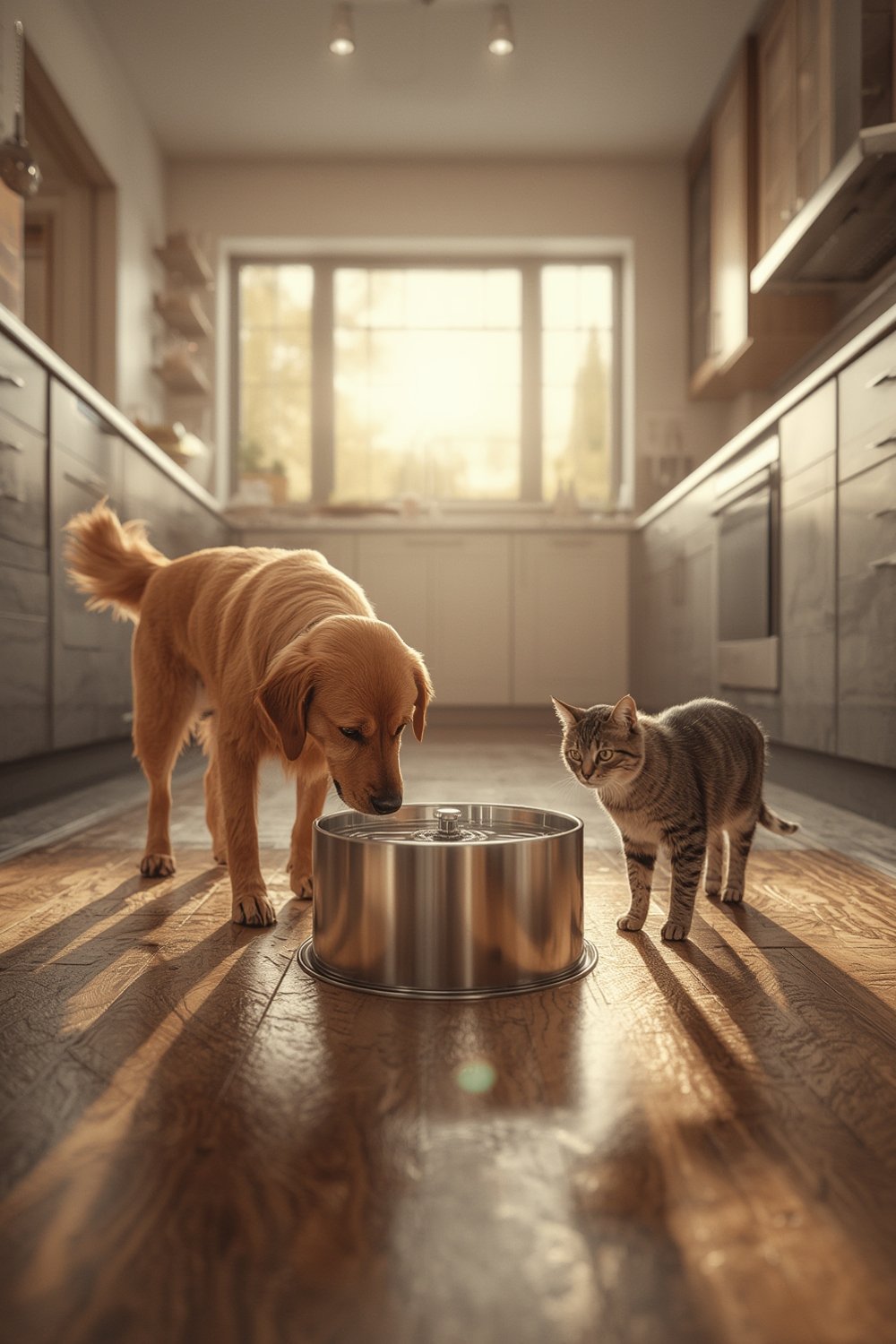
Why make the switch? According to research referenced by Dr. Christopher Pachel, some cats indeed consume more water from a fountain than a stagnant bowl—though responses are individual. Fountains can also mean fewer daily refills, as many models have a larger capacity. Plus, built-in carbon or charcoal filters can reduce contaminants, which is particularly important if your cat or dog sheds a lot or if your home has hard water.
Read our detailed breakdown on cat water bowl vs fountain for more insights into which system matches different pet personalities and owner routines.
How to Use a Pet Water Fountain: Step-by-Step
Switching from a basic water bowl to a pet water fountain is simple, but getting it right on the first try improves your odds of long-term success. Here’s the process:
- Select the right model: Stainless steel and ceramic fountains are usually less likely to harbor bacteria than plastic options. Look for models with easy-to-clean parts and certified safe materials. Explore our buying guide for top picks by material and size.
- Read the instructions: Before the first use, take a few minutes to skim the manufacturer’s manual. Each fountain is different in how you assemble, wash, and maintain components.
- Rinse and assemble: Wash all components—especially the water reservoir, spout, and pump—using gentle dish soap and rinse very thoroughly. Assemble according to manufacturer steps.
- Add filtered water and a fresh filter: Fill the reservoir with clean, cold tap or filtered water. Insert a new charcoal or carbon filter if included.
- Place the fountain strategically: Choose a quiet location away from your pet’s food bowl and litter box. Some pets are sensitive to noise or movement, so avoid putting it in high-traffic areas.
- Plug in and monitor: Activate the fountain, ensuring water is flowing smoothly. For the first few days, observe your pet’s reaction, encourage exploration, and keep a backup bowl nearby.
- Clean and swap filters routinely: Fully disassemble and deep-clean at least once per week. Replace filters every 2-4 weeks or as specified by the brand.
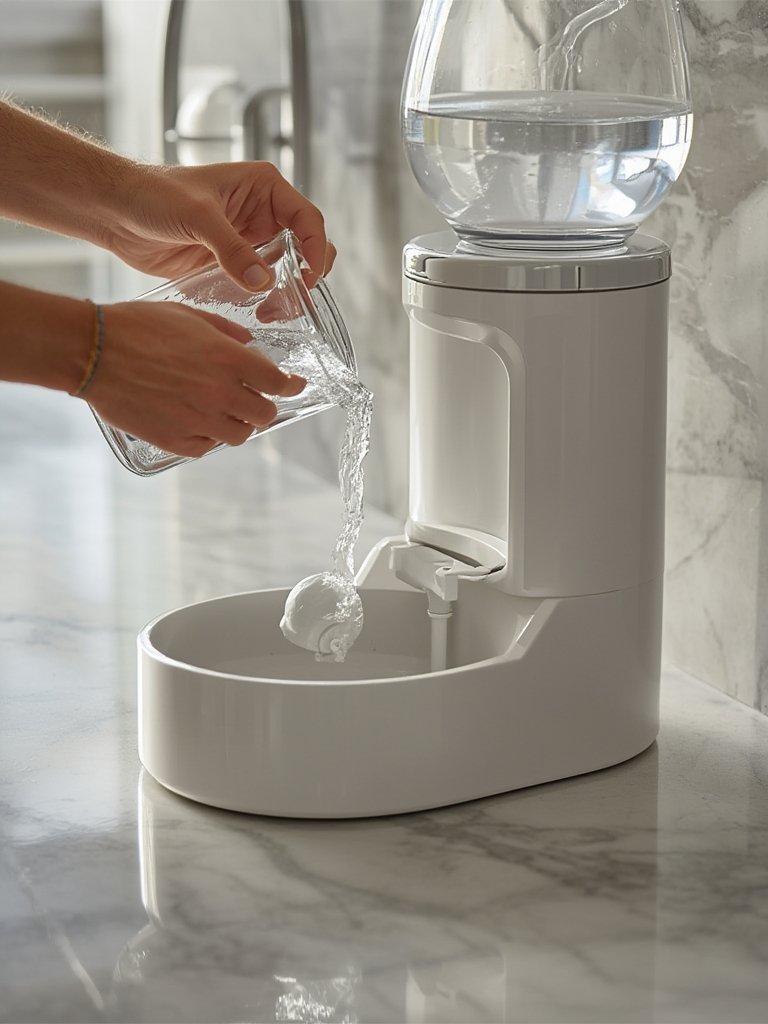
Monitor your pet’s usage. Some cats might need a gradual transition from bowl to fountain. Try running the fountain alongside the old water bowl at first, then slowly remove the bowl after the pet shows comfort with the new setup. Refills are less frequent with larger fountains, but still check water levels daily to prevent the pump running dry.
Ready for a more hygienic upgrade? See our in-depth care and troubleshooting instructions here.
Advanced Analysis and Common Pitfalls
While pet water fountains seem straightforward, research and customer experience reports surface critical downsides and issues:
- Some pets may ignore fountains: According to Dr. Carlo Siracusa, current studies do not show a preference for running water in dogs, and not all cats prefer fountains either. Individual reactions vary.
- Maintenance is essential: Fountains do reduce daily refills, but they require weekly disassembly, cleaning, and frequent filter changes to prevent biofilm and bacteria growth—especially for plastic models. Neglect leads to health risks.
- Plastic can harbor bacteria: Studies (source) reveal that plastic fountains may retain scratches where bacteria builds up, leading to odor and slimy buildup.
- Noise sensitivity: Some pets are spooked by fountain sounds. Pumps can become louder as filters clog or water runs low.
- Higher initial and ongoing costs: A quality pet water fountain costs more than a bowl upfront, and replacement filters are a recurring expense. (No recent recalls or regulatory alerts cited in 2024.)
- Downside of insufficient cleaning: Several users report that forgetting to clean for even a week leads to foul smells, pump issues, and persistent slime—especially in warm weather.
| Aspect | Pet Water Fountain | Standard Bowl |
|---|---|---|
| Water Freshness | Constantly filtered & circulating | Stagnant, requires frequent changes |
| Ease of Cleaning | Weekly disassembly required (multiple parts) | Easily hand-washed, minimal parts |
| Appeal to Cats | Many cats show preference, but not all | Some cats lose interest if water is stale |
| Upfront/Recurring Cost | $$$$ (device & filters) | $ |
| Pet Safety | Better water; risk if maintenance neglected | No pump parts; no filter maintenance |
Ensure you understand cleaning needs and recurrence costs before buying. If you travel often or dislike cleaning pet gear, a simple water bowl (see our top water bowl picks) might actually work better for a low-maintenance setup.
Conclusion: Should You Try a Pet Water Fountain?
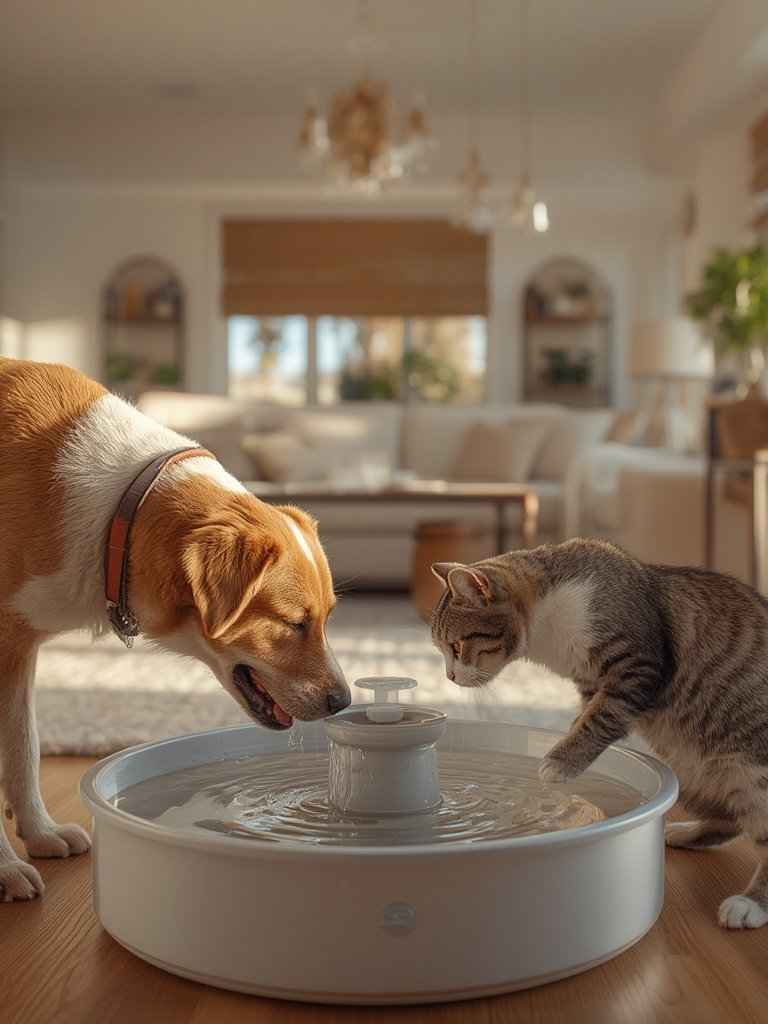
For many pet owners seeking improved hydration, fresher water, and convenience, a pet water fountain offers genuine benefits—if you are ready for the cleaning commitment. Pick a quality, easy-to-disassemble model and schedule weekly cleanings to maintain safe water and pump health. Watch your pet closely—some cats love fountains, while others may ignore or fear them. Considering all pros and cons will help you make the right decision.
Ready to upgrade? Compare fountains to automatic waterers here or see our hands-on reviews now. Your pet’s health—and your peace of mind—are worth it.
FAQs
Do pet water fountains really get pets to drink more?
Some studies show that cats tend to drink more from fountains than standard bowls, but results vary. Dogs have not shown a consistent preference for running water in research to date. How much your pet drinks may depend on their personality and curiosity. See more data here.
How often should I clean a pet water fountain?
Every component should be fully washed and scrubbed at least once per week. In warm weather or with multiple pets, consider cleaning more often to prevent build-up and odors.
Are stainless steel pet water fountains better than plastic?
Stainless steel and ceramic fountains often stay cleaner longer and are less likely to harbor bacteria in scratches. Plastic is more affordable, but scratches easily and can hide lingering grime. Both types need proper maintenance and cleaning.
Can I use tap water in my pet water fountain?
Yes, but consider filtering tap water if your area has very hard or treated water to improve taste and reduce mineral build-up in pumps and filters.
What is the average lifespan of a pet water fountain?
Most well-maintained fountains last 2-4 years. Pump replacement may be needed if it becomes noisy or fails. Regular cleaning can extend the life of both pump and main unit.