

pet odor eliminator spray offers a practical solution for pet owners struggling with lingering smells and stubborn stains. If you’re tired of living with those persistent pet odors, this guide breaks down what works, what doesn’t, and how to make these products safe and effective for your home.
Key Takeaways
- Enzyme-based pet odor eliminator sprays actually break down odor-causing molecules, unlike traditional masking products.
- They are broadly safe for use around pets and kids, but ventilation is still important during application.
- Effectiveness can lessen over time; always check the product’s age to ensure maximum potency.
- What Is Pet Odor Eliminator Spray (and Why Does It Matter?)
- Step-by-Step Guide: How to Use Pet Odor Eliminator Spray Effectively
- Advanced Analysis & Common Pitfalls
- Conclusion
- Frequently Asked Questions
What Is Pet Odor Eliminator Spray (and Why Does It Matter?)
Pet odor eliminator spray is a cleaning product designed to destroy odors and stains caused by pet urine, feces, vomit, and other organic sources, rather than simply covering them up. The secret is enzyme technology. These products contain protease enzymes or multi-enzyme blends that break down proteins, uric acid, and organic materials on a molecular level. Enzyme sprays target carpets, upholstery, hard floors, and even car interiors, working deep into fabrics and surfaces to remove the actual source of the odor instead of just masking it with a perfume.
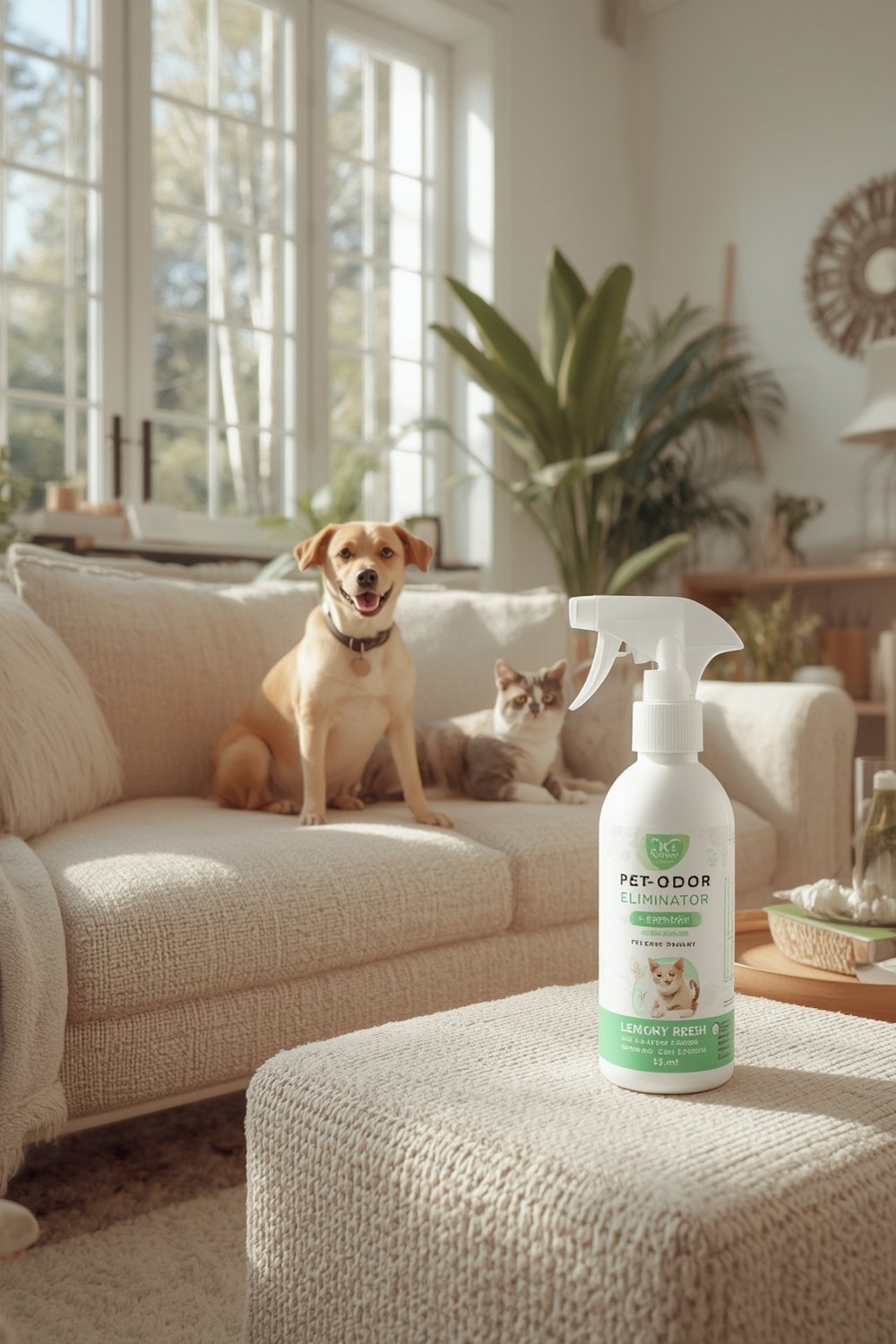
Unlike home remedies such as vinegar, natural enzyme cleaners actually break down uric acid crystals and persistent odor compounds that can linger for months, especially in cat urine. Their advantage lies in ongoing activity—enzymes continue working for up to 48 hours after application, ensuring thorough elimination of stink and stain. Learn more about enzyme mechanisms.
Step-by-Step Guide: How to Use Pet Odor Eliminator Spray Effectively
Using pet odor eliminator spray isn’t complicated, but there’s a right way to ensure success. Follow the steps below for best results.
- Blot up as much of the mess as possible. If the spot is fresh, use a clean, absorbent cloth or towel—this makes the enzymes’ job much easier.
- Shake the bottle well. Enzyme activity improves when mixed just before use.
- Saturate the affected area. Spray enough product to soak deep into carpet padding, grout, or fabric fibers.
- Let it sit undisturbed. For light messes, allow at least 10-15 minutes. For heavier, older stains, let the area stay damp for several hours (or overnight for tough pet urine spots).
- Gently blot again. Avoid scrubbing—this can damage some fabrics and spread the stain.
- Allow to air dry. As the area dries, the enzymes continue to neutralize odor-causing compounds.
- Repeat if necessary. Deep or old stains sometimes need another treatment.
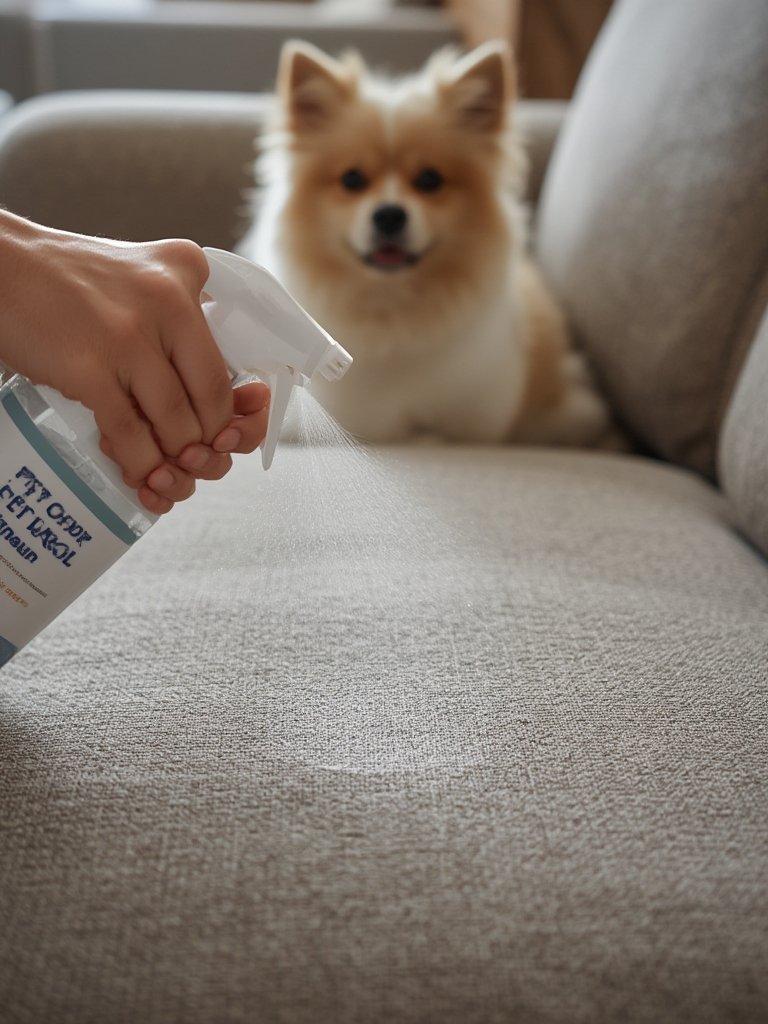
For whole-room odor, you can apply the spray to soft furnishings, pet bedding, or even your car interior. Always ventilate the room by opening a window while applying. While sprays are marketed as non-toxic and biodegradable (see safety details), you should keep pets and children out of the area until everything is dry.
If you’re tackling persistent stains in your home’s most-used areas—like the living room rug—consider upgrading your cleaning toolkit as part of your pet-proofing plan. Explore ways to improve your home’s cleanliness with a reusable lint roller for pets or a cat water fountain.
Advanced Analysis & Common Pitfalls
Enzyme-based pet odor eliminator sprays are not perfect. Understanding their limitations and common mistakes can help you get better results—and avoid wasting money.
Here are the main challenges and pitfalls:
- Potency declines with product age. Enzyme cleaners gradually lose power after 12-24 months from manufacture—always check the best-by date for maximum effectiveness (source).
- Improper application reduces results. Spraying lightly or letting the area dry too quickly limits the enzyme’s time to work; for hard-to-treat surfaces like grout or thick carpet, patience is required.
- Not all surfaces clean up equally. Although enzyme sprays are versatile, removing old stains from hardwood, tile grout, or car upholstery takes multiple treatments. Some sensitive materials still risk discoloration.
- Mistaking masking agents for true enzymes. Many “odor remover” products mask rather than eliminate odors. Look for ingredient lists that mention protease enzymes or multi-enzyme blends. Avoid bleach and harsh chemicals—they can set stains or irritate skin and airways.
- Safety can be overlooked. While enzyme sprays are generally safe and non-toxic (read more), avoid inhaling mist, and keep surfaces dry before letting pets or children return.
| Surface Type | Effectiveness | Notes |
|---|---|---|
| Carpet & Upholstery | Very High | Penetrates fibers deeply; multiple treatments may be needed for old messes |
| Hard Floors (Tile/Hardwood) | High | Safe on most finishes but can leave streaks if over-applied; check in a small area first |
| Grout & Concrete | Moderate | Requires soaking and repeat application for entrenched smells |
| Pet Bedding/Furniture | High | Works well, but always check colorfastness |
| Car Interiors | High | Allows for targeted spot cleaning |
To make the most of your cleaning routine, consider pairing your spray with other smart home pet tools. Efficient cleaning goes hand in hand with products like a automatic litter box or an app-based wireless dog fence for a truly pet-friendly and low-odor home.
Conclusion
Pet odor eliminator spray gives you a real edge in fighting pet mess and keeping your home fresh. Enzyme-based formulas really work because they dismantle odors and stains at the source instead of masking them. They’re safe for most families, but only when used with care—remember to check for product freshness and never rush the application. For pet owners who want a cleaner, healthier home, a pet odor eliminator spray is a top choice. Ready to upgrade your cleanup routine? Choose a quality enzyme spray and experience the difference for yourself.
Looking to level up your pet-friendly home? Explore our guides on pet-friendly sofa fabrics and dog enrichment toys to keep your pets happy and your space cleaner.
Frequently Asked Questions
Are enzyme-based pet odor eliminator sprays safe for cats and dogs?
Yes. Enzyme-based sprays are generally safe for household pets and children when used as directed. They use natural, biodegradable enzymes without harsh chemicals. Keep pets away from treated spots until dry for extra safety.
Do these sprays really get rid of cat urine smell?
Enzyme cleaners are one of the few proven solutions for breaking down uric acid crystals in cat urine, which cause persistent odor. They penetrate carpet and fabric to neutralize the source, not just mask the smell.
How long should I let the spray sit for maximum effectiveness?
For best results, allow the spray to remain on the affected area for 10-15 minutes (for fresh messes) or several hours to overnight for old stains. Covering the spot with a moist towel can improve results.
Will the spray leave residue on hardwood floors or furniture?
Most enzyme-based products are pH neutral and safe for sealed hard surfaces, but over-application can leave streaks. Always spot-test on hidden areas first to confirm compatibility.
Does the effectiveness drop over time?
Yes. Enzyme cleaners lose potency 12–24 months after production. For maximum effectiveness, buy fresh product and avoid using expired bottles.