

Outdoor storage shed resin has rapidly become the go-to solution for homeowners wanting efficient, weather-resistant, and hassle-free storage. As backyard spaces shrink and low-maintenance living becomes essential, resin sheds stand out as a practical alternative—but are they truly the best fit for every need? Here’s what you must know before you buy or upgrade.
Key Takeaways
- Resin storage sheds offer robust weather resistance, minimal upkeep, and easy DIY assembly, fitting most suburban backyards.
- Buyers should weigh real-world pros and cons, such as weight limits, eco-impact, and potential assembly quirks—details competitor guides rarely mention.
- Ongoing market growth signals rising demand, but a careful feature comparison with wood and steel sheds is still vital.
- What Is an Outdoor Storage Shed Resin and Why Choose One?
- Step-by-Step Guide: How to Choose and Set Up a Resin Storage Shed
- Advanced Analysis & Common Pitfalls
- Conclusion
- Frequently Asked Questions
What Is an Outdoor Storage Shed Resin and Why Choose One?
Outdoor storage shed resin models are modular, synthetic storage cabins mainly built of high-density polyethylene or PVC. Designed to handle harsh outdoor conditions, resin sheds have taken nearly 40% of the global plastic shed revenue in 2024, thanks to their weatherproof qualities, low maintenance, and resilience to rot, rust, and vermin.
Unlike wooden or metal sheds, resin models don’t need painting or sealing, and they won’t warp or corrode in wet climates. The sheds can store everything from garden tools and bikes to snowblowers or even pet gear for those using a GPS dog fence system. Manufacturing is driven by rapid market growth—resin and plastic shed sales topped $1,251.2 million in 2024 globally, with a projected CAGR of 5.30% through 2031.
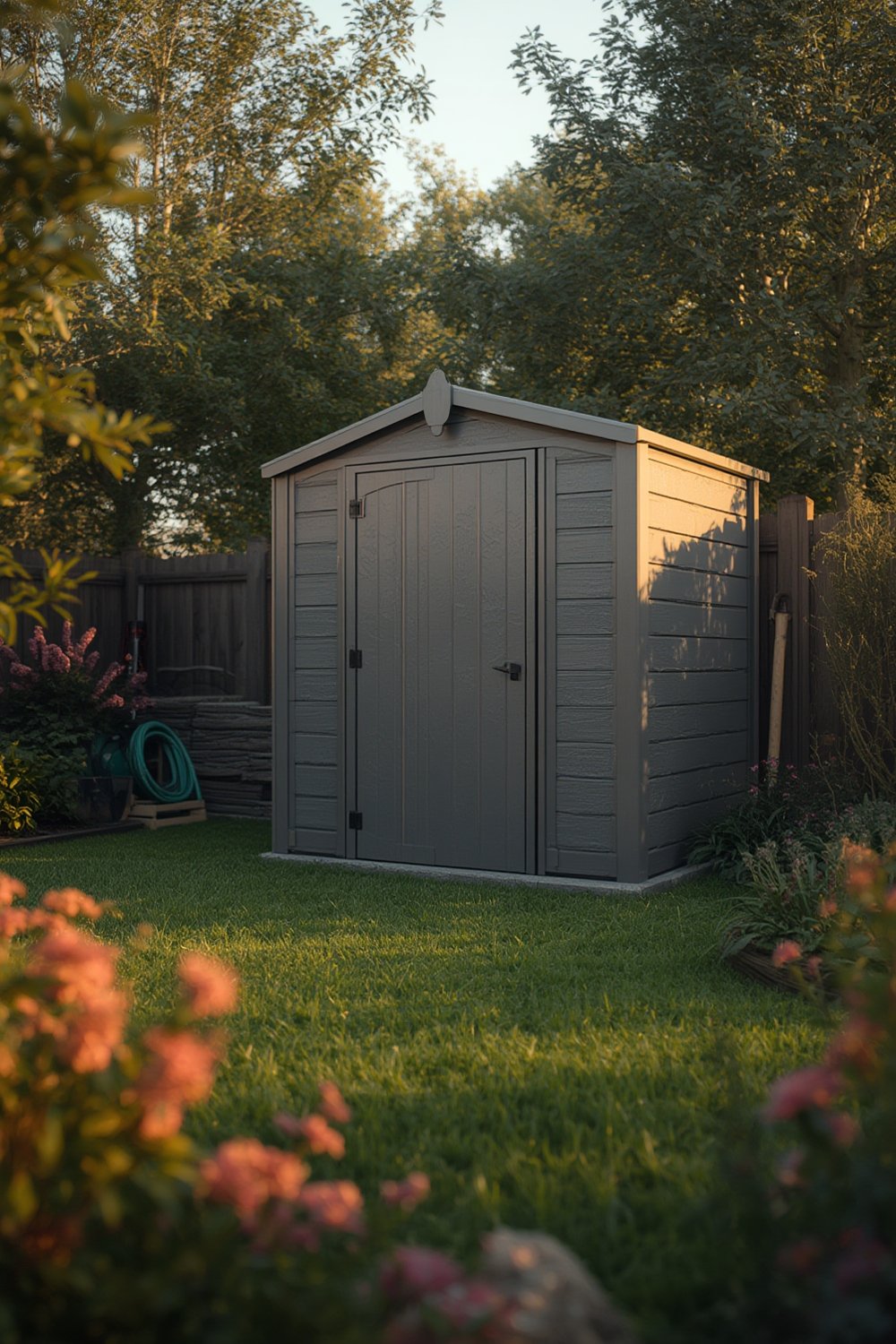
Key reasons for choosing a resin shed include:
- Weather resistance: UV-stabilized panels that withstand hot summers, rainy springs, and snowy winters.
- Zero major upkeep: Just rinse off the dust—no repainting or rustproofing required.
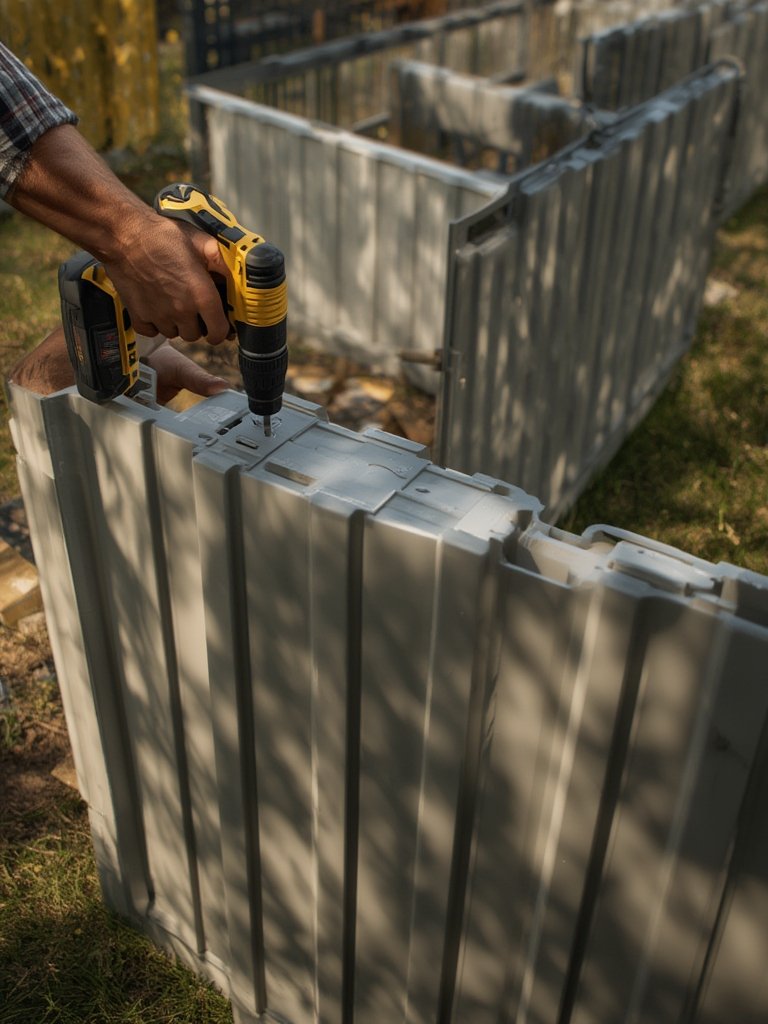
- Easy and flexible installation: Lightweight panels and modular design make for straightforward DIY tasks, even on weekends.
- Versatility: Use for gardening tools, bikes, pool supplies, or create a space-saving companion to your outdoor fire pit area.
Step-by-Step Guide: How to Choose and Set Up a Resin Storage Shed
Choosing the best outdoor storage shed resin for your home means balancing space, budget, and real-world use. Here’s how to get it right:
- Assess Your Storage Needs:
- Make a quick inventory: gardening gear, patio furniture, bikes, pet feeders, or bulky sports equipment?
- Medium resin sheds (45-101 sq.ft.) dominate current sales; they’re ideal for most residential lots [source].
- Compare Material Features:
- High-density polyethylene (HDPE) and PVC offer the best durability and fade-resistance.
- Check for double-walled panels, steel-reinforced roofs, and heavy-duty latches for extra security if needed.
- Review Local Climate Needs:
- Choose UV-protected, moisture-barrier resins in places with extreme sun or seasonal rain/snow.
- In tornado-prone or high-wind areas, reinforce resin sheds or opt for steel—but know that rust management is a trade-off [learn more].
- Plan for the Base and Drainage:
- Install on flat, compact soil or a pre-leveled concrete/paver base for best longevity.
- Raise slightly above yard level for drainage, especially if you have synthetic turf or sprinklers controlled by a smart sprinkler controller.
- Assembly & Installation:
- Most kits are designed for DIY (1-2 hours for smaller sheds, half a day for large).
- Read the manual—each brand’s tab-lock, snap, or screw system matters.
- Have basic tools ready: screwdriver, rubber mallet, level, stepladder, and a second pair of hands for roof lifting.
- Customization, Upkeep & Security:
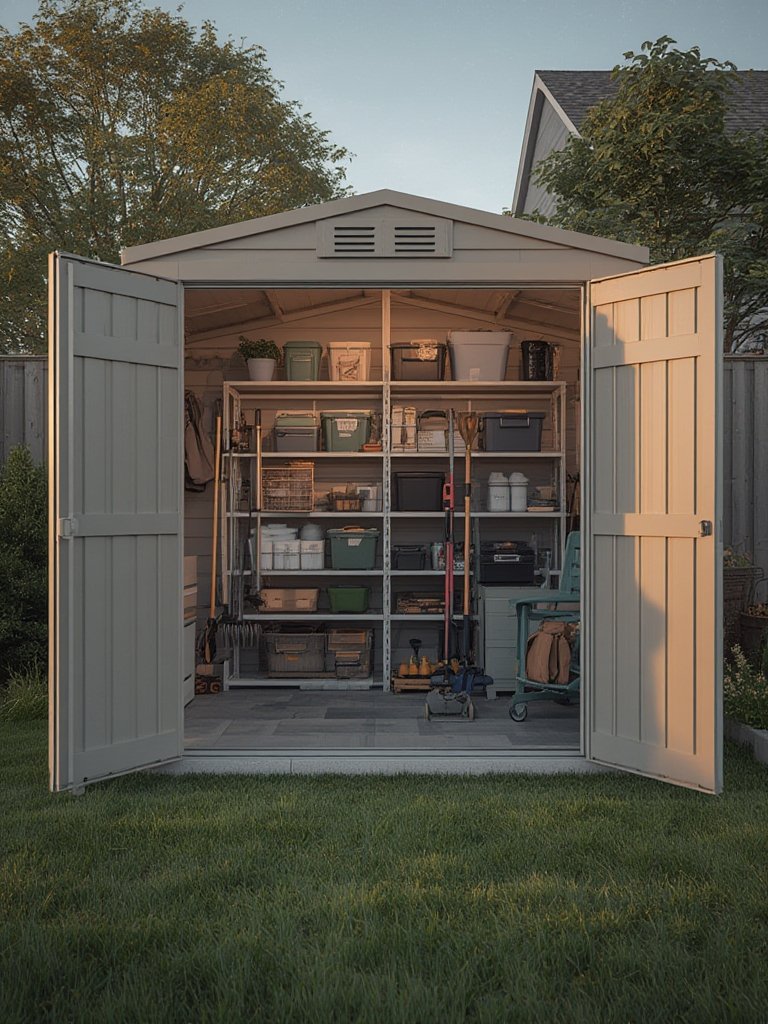
- Add shelves, hangers, or weatherproof lighting inside after set up.
- Check door hinges and locks yearly, especially if harsh winters, but no painting or sealing needed.
- Spray with a garden hose seasonally to wash off dust or bird droppings.
Resin sheds can even be repurposed as small workshops, vertical gardens (see our in-depth vertical garden system guide), or secure hobby spaces. Some homeowners use bolt-on solar panels to power shed lights or charge smart pet devices—flexibility is key.
Advanced Analysis & Common Pitfalls
Despite rapid market growth and glowing manufacturer claims, outdoor storage shed resin solutions have real-world limitations. Here’s how they stack up based on current research and direct comparison.
| Aspect | Resin (Plastic) | Steel (Metal) | Wood |
|---|---|---|---|
| Weather Resistance | Excellent (UV, rain, snow, rot, vermin) | Excellent, but prone to rust if uncoated | Varies (requires regular treatment) |
| Maintenance | Minimal (just rinse or wipe) | Must check for rust and repaint | Requires frequent sealing, staining, or painting |
| Assembly | Easy DIY with interlocking panels | Can be complex; heavy parts | Time-intensive, needs carpentry skills |
| Security | Moderate (plastic latches/doors can be forced) | Strongest (steel locks/panels) | Varies (good with upgraded locks) |
| Weight/Load Capacity | Lower (not for heavy equipment) | Highest | High (structural wood types) |
| Lifespan | 10–20 years (depends on UV, impact) | 15+ years if maintained | 10–30 years with upkeep |
| Eco Impact | Fossil fuel based; non-biodegradable | Recyclable, but steel production energy-intensive | Biodegradable but uses harvested timber |
| Appearance | Modern, neutral colors, but “plastic” look | Industrial, utilitarian | Classic, may suit traditional homes |
Common Pitfalls and Problems:
- Weight Limitations: Resin sheds rarely handle very heavy items; overloading can distort floors over time.
- Security: Plastic doors and locks can be weaker than metal—best for gear, not valuables.
- Environmental Impact: Non-biodegradable plastic production deters eco-conscious buyers, and disposal may cost extra.
- User Complaints: Most frustration centers on unclear instructions or missing parts during DIY assembly—always double-check inventory before starting.
- Not All Are Created Equal: Some budget resin sheds use single-wall panels or brittle plastics that yellow or become brittle under constant UV. Seek reinforced or double-wall models.
Missing in Most Guides:
- No detailed price-per-square-foot comparisons for resin versus steel or wood. Without these, ROI is hard to gauge.
- Lack of public, brand-specific lab tests or real user longevity studies by climate.
- Few guides aggregate actual reviews about hidden fees (like delivery/assembly), or frustrations users face over multi-season use.
Conclusion
Outdoor storage shed resin solutions score high marks for suburban homes and busy families wanting simple, dry storage for tools, sports equipment, or pet supplies. They resist North American weather, are easy to install, and keep costs and maintenance low compared to classical wood or steel sheds. Still, be wary of weight limits, know the real eco impacts, and always review genuine user feedback before committing.
Ready to bring order to your yard or side passage with an outdoor storage shed resin? Measure, compare, and choose the right shed for your budget. Have outdoor gear to store? Start your upgrade today.
Frequently Asked Questions
How long does an outdoor storage shed resin typically last?
With proper installation and basic maintenance, most quality resin sheds last between 10 and 20 years. UV-resistant models hold up best over time.
Are resin sheds safe to store expensive garden or power tools?
Resin sheds are ideal for weather protection but offer moderate security. For high-value gear, reinforce doors/locks or consider steel options for added safety.
What is the average cost to install a medium-sized resin shed?
No public 2024 average price exists, but DIY kits keep costs low—usually under two hours’ work using standard tools. Factor in a stable base for best performance.
What are the biggest environmental concerns with resin sheds?
Most resin sheds are made from non-biodegradable materials and fossil fuels. Disposal can be challenging at end of life, so look for recycling programs if available.
Can I customize my resin storage shed after set-up?
Most resin sheds support shelving, hooks, bike racks, and battery lights. Some brands offer modular panels or accessory kits for further upgrades.