

### Blog Post:
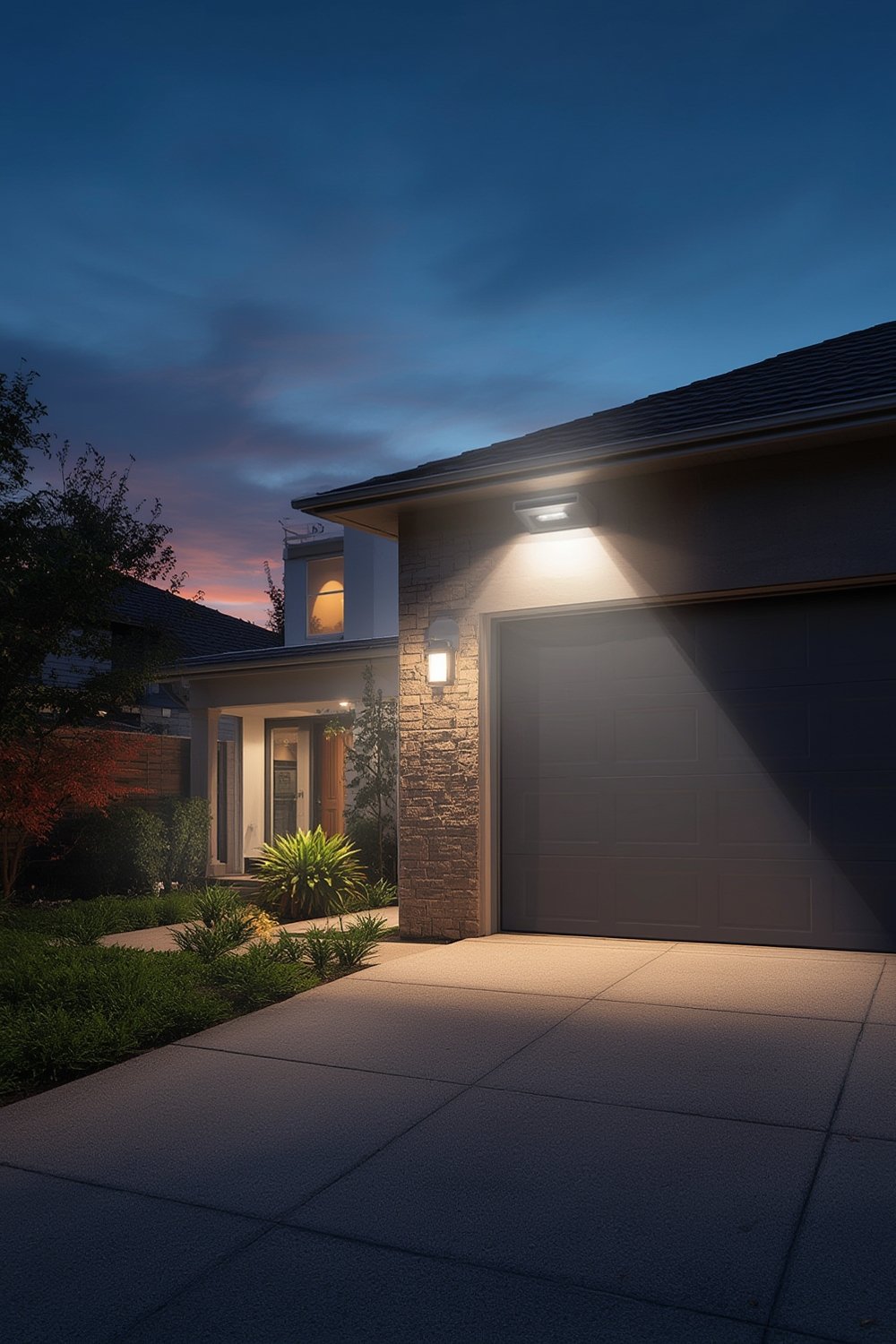
Outdoor motion sensor flood light solar solutions are a popular choice for homeowners wanting simple security and lower energy costs.
These lights provide bright illumination without wiring, making them ideal for driveways, patios, sheds, and other areas where traditional electrical installation is difficult.
But how reliable are they in real-world conditions? Understanding setup requirements and limitations helps ensure long-term performance.
Key Takeaways
- Solar-powered motion sensor lights offer true wireless security lighting, but common problems include charging issues and dimness during bad weather.
- Proper installation, panel cleaning, and battery maintenance are key for reliable performance beyond the first season.
- There are big gaps in public data on adoption, cost breakdowns, and real-world performance—but quality units with IP66-IP67 weatherproof ratings hold up well.
- What Is an Outdoor Motion Sensor Flood Light Solar Model?
- Step-by-Step Guide: Installing and Optimizing Your Solar Motion Security Light
- Advanced Analysis & Common Pitfalls: Real-World Issues and How to Solve Them
- Conclusion
- FAQ
What Is an Outdoor Motion Sensor Flood Light Solar Model?
An outdoor motion sensor flood light solar model is a self-powered lighting system that uses sunlight to charge an internal battery.
When movement is detected, built-in LEDs activate automatically to illuminate the surrounding area.
Because the system runs on solar energy, installation is simple and ongoing electricity costs are eliminated.
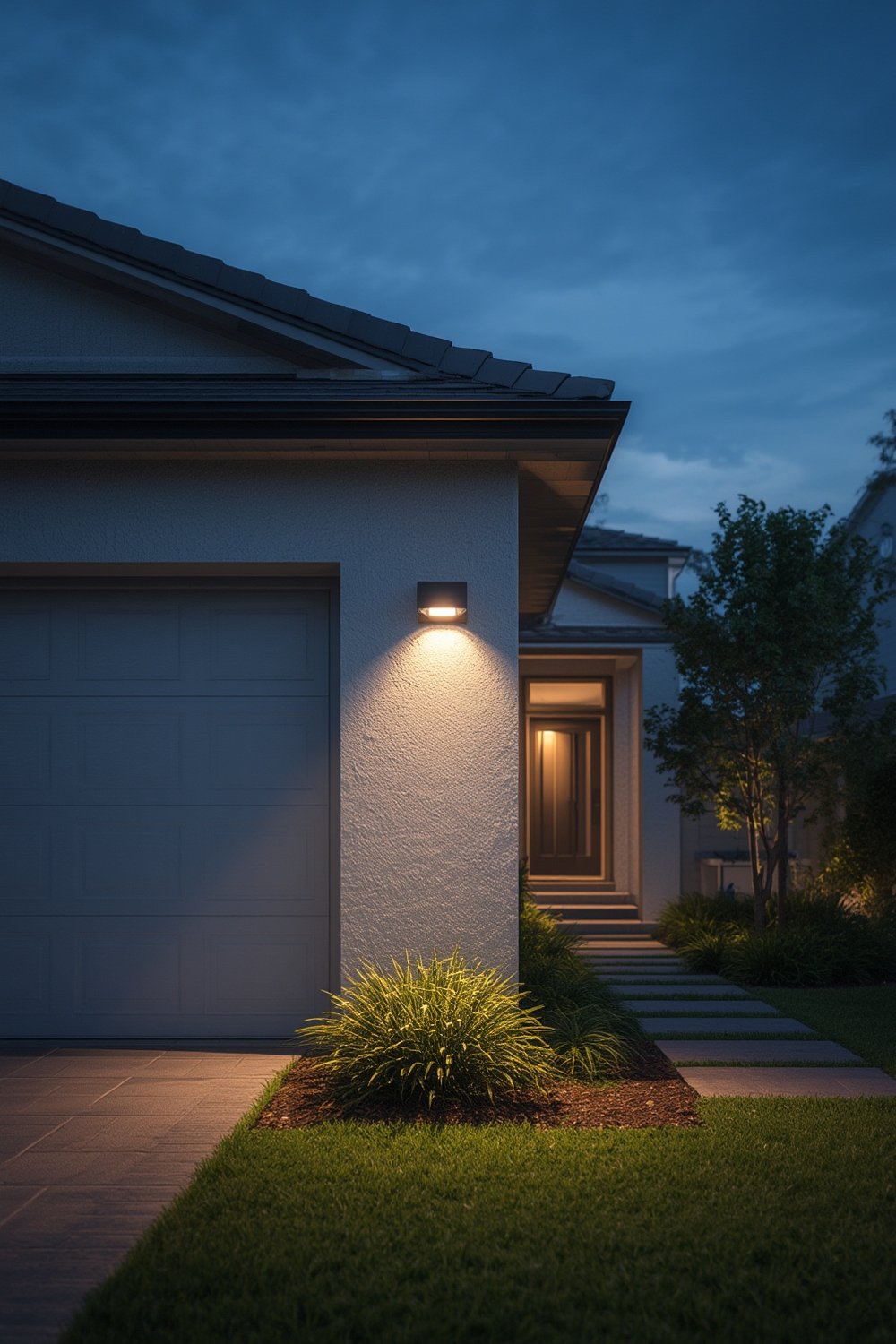
These lights are especially useful for security zones, backyards, garages, and walkways.
Many models advertise high brightness output, weather-resistant housing, and adjustable sensitivity settings.
However, actual performance depends heavily on sunlight exposure, battery quality, and installation position.
Unlike basic solar path lights, these motion-sensing floodlights use much larger solar panels and batteries, plus a Passive Infrared (PIR) sensor for motion activation.
Recent models often feature IP66 or IP67 waterproof ratings to protect against rain, dust, and temperature fluctuations.
Correct placement is critical. Poor panel angle or shaded locations are among the most common reasons solar lights fail to perform as expected.
For additional insights into weather-resistant lighting innovations, see Okelilamp’s guide.
Step-by-Step Guide: Installing and Optimizing Your Solar Motion Security Light
- Scout your location. Choose a place with at least 6 hours of direct sunlight, free from shading by roofs, trees, or nearby buildings—even partial shade can dramatically hurt performance.
- Mount the panel properly. Use supplied screws/brackets. For wireless models, aim for a south-facing tilt in the northern hemisphere (or north-facing in the south) and a 30-45 degree angle.
- Set the sensor zone. Ensure the PIR sensor is pointed at the area you want lit when movement occurs. Test its coverage—don’t assume the default.
- Charge before use. Let the battery build a full charge for 1-2 sunny days before proper nighttime use.
- Tweak the detection sensitivity and timer. Many units allow adjustment—fine-tune to avoid false alarms from passing cars or pets.
- Maintain regularly. Wipe solar panels monthly with a damp cloth. Inspect for water ingress, debris, or corrosion to maximize output.
- Replace batteries as needed. If brightness drops noticeably or runtime halves after a year or two, swap for a new compatible battery pack.
Wireless solar motion lights are simple to mount, but smart planning pays off. One-time groundwork up front gives you the best result. For a deep dive on hybrid solar battery backup, see our solar power station guide.
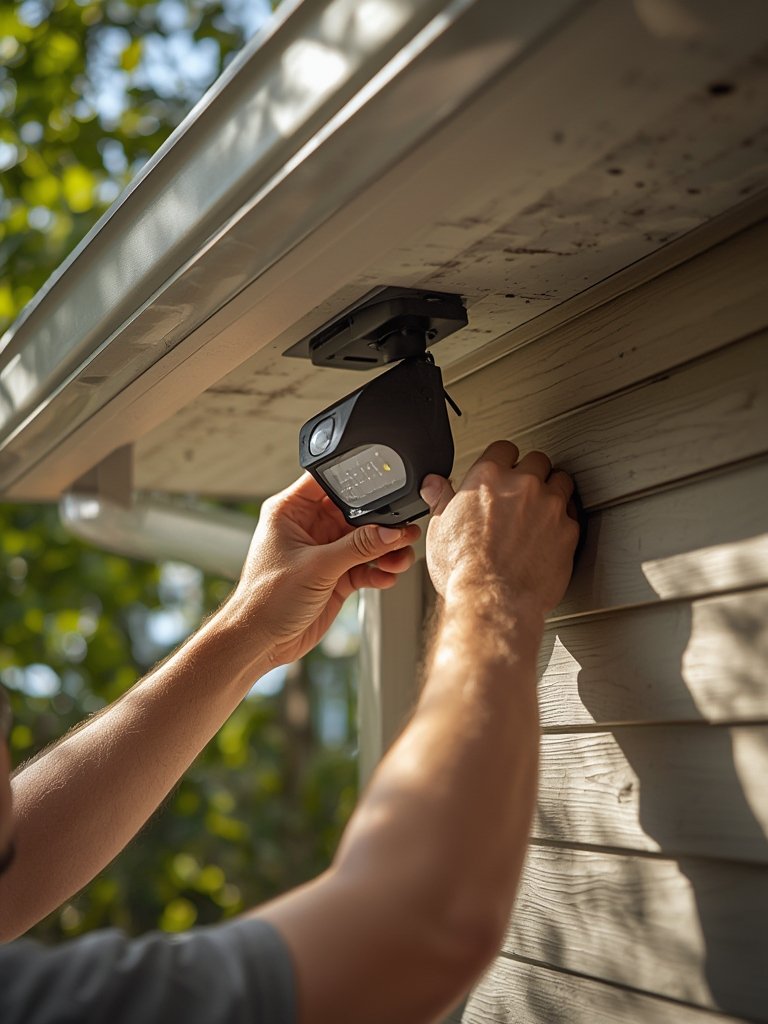
Maintenance is minimal compared to traditional wired floodlights. You don’t need to reset circuit breakers or worry about wire damage. If you need a solution for hard-to-reach yard zones or sheds, solar floodlights often outperform lengthy extension cords or digging up your lawn. For related outdoor upgrades, check out vertical garden systems and DIY pergola kits that also prioritize wireless installation.
Advanced Analysis & Common Pitfalls: Real-World Issues and How to Solve Them
While outdoor motion sensor flood light solar solutions are efficient, their performance is not guaranteed. User reviews and technical breakdowns reveal a handful of recurring issues and gaps in the data.
Common Reliability, Brightness, and Installation Issues
- Charging failures: Shaded, dirty, or poorly angled panels can’t gather enough energy, causing lights to flicker, run dim, or stop working after a very short runtime. Environmental factors like extended cloud cover, frequent rain, and seasonal low sunlight also significantly reduce charging efficiency (source).
- Battery degradation: Over time, rechargeable batteries lose capacity—expect 1–3 years for most models. Symptoms are reduced brightness and short runtime. Regular battery swaps or upgrades can restore performance.
- Dim or failed LEDs: LEDs rarely fail suddenly. Most dim gradually due to battery problems rather than LED defects. Cleaning panels and battery replacements are usually the real fix (source).
- Sensor or remote malfunctions: Inconsistent motion detection can be due to blocked PIR sensors, physical misalignment, or water ingress. In rare cases, remotes don’t work at all or come without clear instructions (Walmart review).
- Electrical issues/corrosion: Loose connections, corrosion at terminals, or sealing failures can lead to flickering or total non-operation. IP66/IP67 ratings are important for long-term reliability—be wary of off-brand products that skimp here.
Performance Gaps in Top-Ranking Articles
- Missing performance benchmarks: Most reviews don’t show side-by-side comparisons of lumens output, sensor distances, or real-life runtime (source).
- No cost analysis: There’s a lack of concrete numbers for purchase price, battery replacement costs, or how “wireless” savings compare to wired or hybrid options over, say, three years.
- Poor coverage on low-sunlight solutions: Very few guides discuss how to cope with extended bad weather. No major solar + hardwired “hybrid” recommendations are widely featured, so DIY’ers often miss out on these options.
| Feature | Solar Motion Light (Typical) | Traditional Wired Floodlight | Hybrid (Solar + Wired) |
|---|---|---|---|
| Initial Cost | $25-$120 (varies by lumens/size) | $40-$150 (plus wiring cost) | $60-$200+ (rare; limited models) |
| Maintenance | Batteries need replacement every 1-3 yrs | Bulb/timer/electrician as needed | Both battery and electrical checks |
| Installation | DIY; no wires | Requires wiring/electrician | Complex; sometimes pro install |
| Best For | No wiring, remote areas | Continuous lighting, all weather | Low-sunlight + reliable backup |
| Downside | Can fail after bad weather; dimmer in winter | No light during blackout; cable failure risk | Higher initial cost and setup |
Weatherproof Ratings, Lifespan, and Continuous Lighting Limits
- High-quality units have IP66-IP67 waterproofing to block rain, dust, and UV damage (Okelilamp). Cheaper units may leak or corrode in year 2 or 3.
- There is little published data on true lifespan; most units need batteries replaced every 1–3 years, LEDs last much longer.
- During extended cloudy or rainy stretches, lights may go dim or cease to work after midnight, no matter how good your brand is. Pros recommend moving panels or upgrading to larger-capacity batteries or direct-wired solutions if security is critical.
For more on maximizing your outdoor experience, check our smokeless fire pit guide, or discover ways to make your garden and patio both beautiful and functional with a vertical garden system.
Conclusion
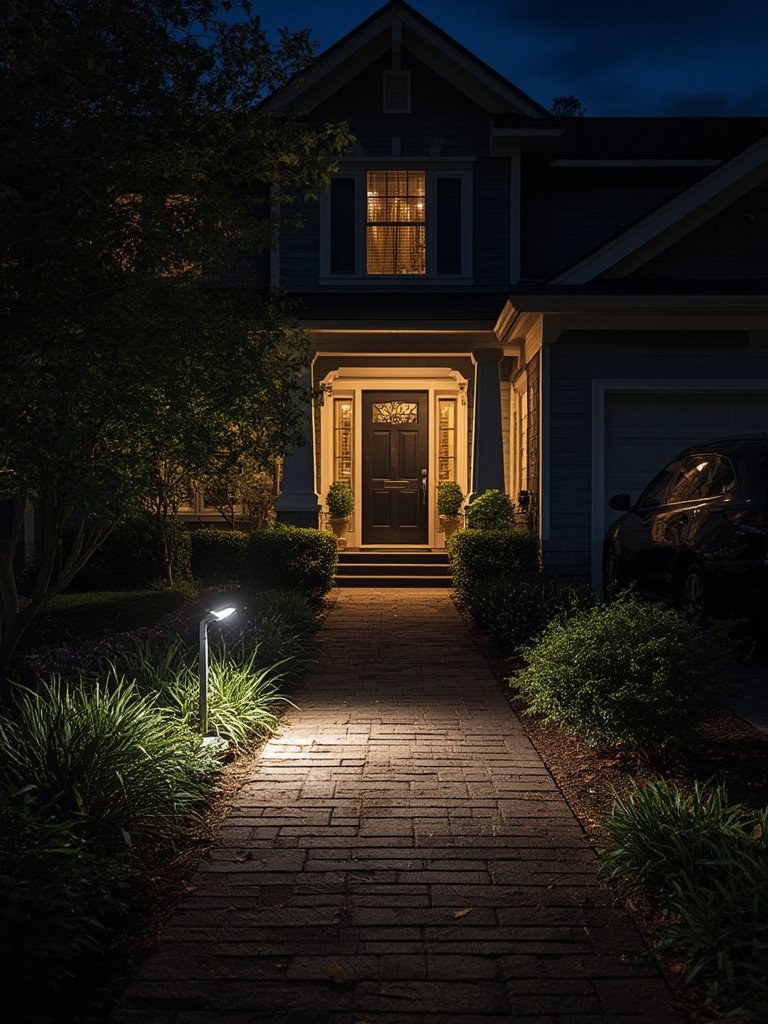
Outdoor motion sensor flood light solar systems offer an easy way to improve security while reducing electricity use.
They work especially well in areas where wiring is impractical or expensive.
Consistent sunlight exposure, proper positioning, and occasional maintenance ensure the best results.
Regular cleaning and battery replacement solve most performance issues.
If continuous lighting is essential, consider combining solar lighting with a wired backup or a solar-powered security camera for additional protection.
If you’re ready to try an outdoor motion sensor flood light solar setup, choose an IP66/IP67-rated model, install in full sun, and commit to periodic upkeep. Shop smart, and enjoy dependable wireless security lighting.
Want more tips on home automation, energy savings, and reliable outdoor upgrades? Explore our guides on smart sprinkler controllers and battery-powered lawn mowers.
FAQ
Do solar motion sensor flood lights work in winter or cloudy weather?
They work, but runtime and brightness can drop sharply if the panel doesn’t get at least 6 hours of direct sun daily. Extended periods of rain or clouds can lead to dim or unreliable operation. Move the panel or consider a backup wired or hybrid solution for critical security areas.
How often should I replace the battery in my solar floodlight?
Most batteries last 1–3 years, depending on charge cycles and weather exposure. If your light no longer runs all night or is much dimmer, try replacing the battery before replacing the whole unit.
Can I mount the panel separately from the light?
Many quality models let you mount the solar panel up to 10–15 feet away from the light with an included extension cord. This is a great option for eaves, shaded sheds, or garages where roof sunlight is better than the wall.
How do I maximize the brightness of my solar motion flood light?
Clean the panel monthly, mount it at the optimal angle and orientation, and avoid any shade from nearby objects. Upgrade to a higher-capacity battery if necessary to restore original performance.
What weatherproof rating should I look for?
Always choose models with IP66 or IP67 ratings for best protection against rain, dust, and temperature swings.