

Outdoor modular furniture is transforming patios, balconies, and gardens into flexible living spaces where style meets hard-working practicality. Whether you have a petite city balcony, an expansive backyard, or a quirky outdoor nook to furnish, modular patio furniture systems open up fresh options—if you know what to look for and how to avoid the common headaches.
Key Takeaways
- The outdoor modular furniture market is growing fast—especially customizable, weatherproof pieces for small and unique spaces.
- Most buyers want better durability and easier assembly, but details like climate-resistant cushions and connector systems require close inspection.
- Top-ranking guides often skip over user complaints, specific pricing, and technical climate resilience—so we tackle those gaps here.
- What Is Outdoor Modular Furniture and Why Choose It?
- How to Choose and Set Up Outdoor Modular Furniture: A Step-by-Step Guide
- Advanced Analysis & Common Pitfalls: What Most Guides Miss
- Conclusion
- Frequently Asked Questions
What Is Outdoor Modular Furniture and Why Choose It?
Outdoor modular furniture refers to a system of customizable seating, tables, and accessories that can be easily rearranged, expanded, or adapted to different outdoor spaces. Unlike fixed outdoor sofas or benches, modular furniture lets you create unique seating layouts, add or remove sections as your needs change, and often select from multiple fabrics, finishes, and connectors.
For homeowners and renters, the main appeal is flexibility. You can start small—say, with a two-piece sectional—and expand over time as your budget or space allows. These systems are especially valuable if your outdoor area is irregularly shaped, part of a balcony, or you simply like to reconfigure your space for parties, family, or relaxing solo.
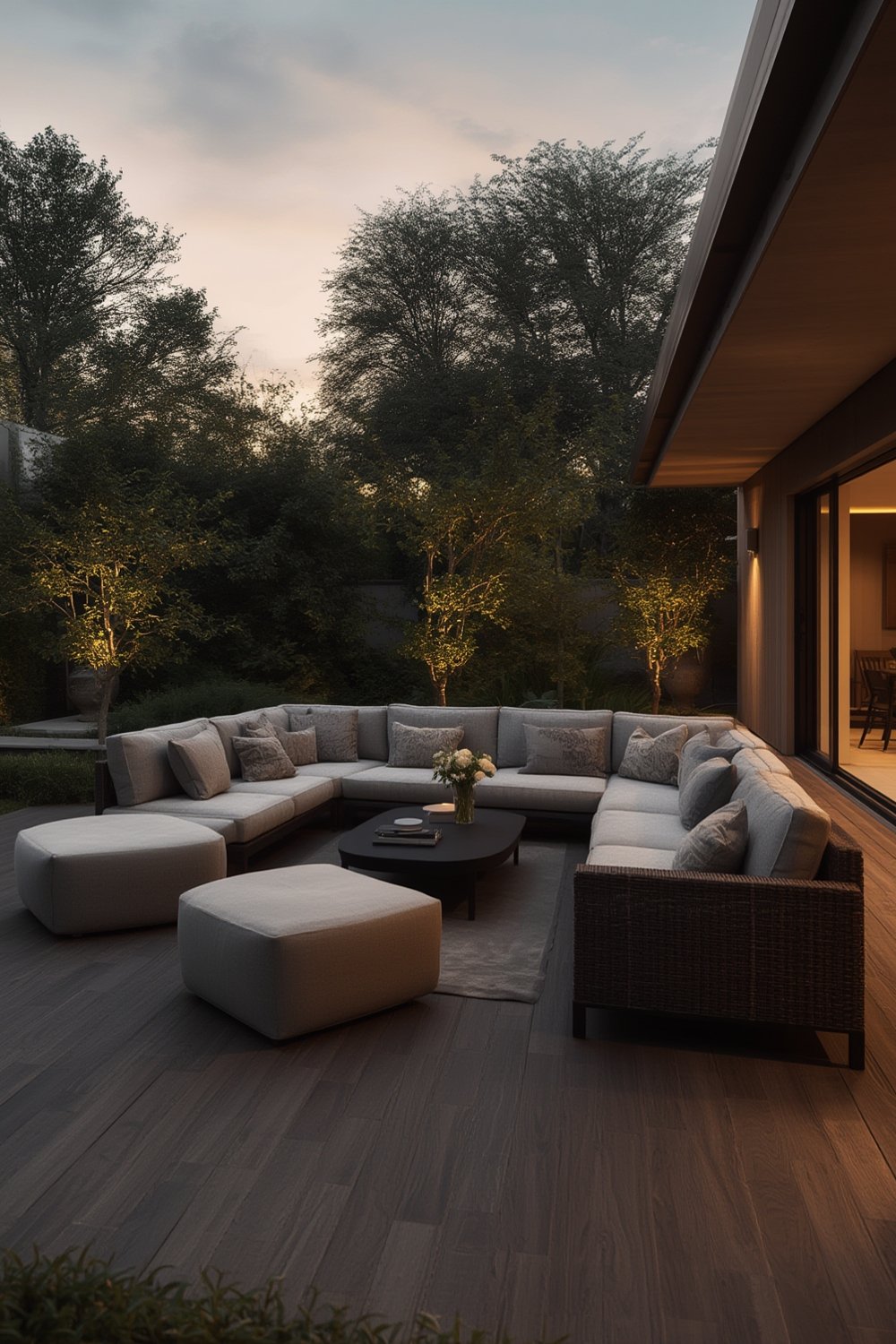
The rise in outdoor living priorities (with 62% of home buyers now demanding functional outdoor space) and ongoing urbanization trends have fueled a sharp increase in modular outdoor setups. Nearly half of all U.S. outdoor furniture sales happen online, reflecting both the popularity and the challenge of evaluating features and durability from afar.
Still, not all modular patio seating is created equal. Next, we’ll walk step by step through how to choose and set up modular outdoor pieces that actually last and deliver on their promise.
How to Choose and Set Up Outdoor Modular Furniture: A Step-by-Step Guide
-
Measure Your Space—Twice.
Before browsing, precisely measure your available patio, deck, or balcony. Modular setups are flexible, but misjudging clearances or walkways leads to awkward layouts and returns. Sketch a floor plan or use painter’s tape to outline possible configurations.
-
Define Your Primary Use Case.
Will your outdoor modular furniture host big family dinners, serve as a peaceful reading nook, or handle frequent parties? Knowing the main use helps you pick the right shapes—L, U, curved, or straight sectionals—and choose add-ons like coffee tables or ottomans.
-
Check Material Specs for Your Climate.
Materials are paramount. While wood dominates 41-44% of the market, only thermally modified or chemically treated woods provide true weather and pest resistance. If you live in a wet or sunny area, prioritize aluminum (rustproof) or synthetic wicker with UV-resistant, waterproof cushions. Weatherproof features pay off in lifespan.
-
Understand Customization Features.
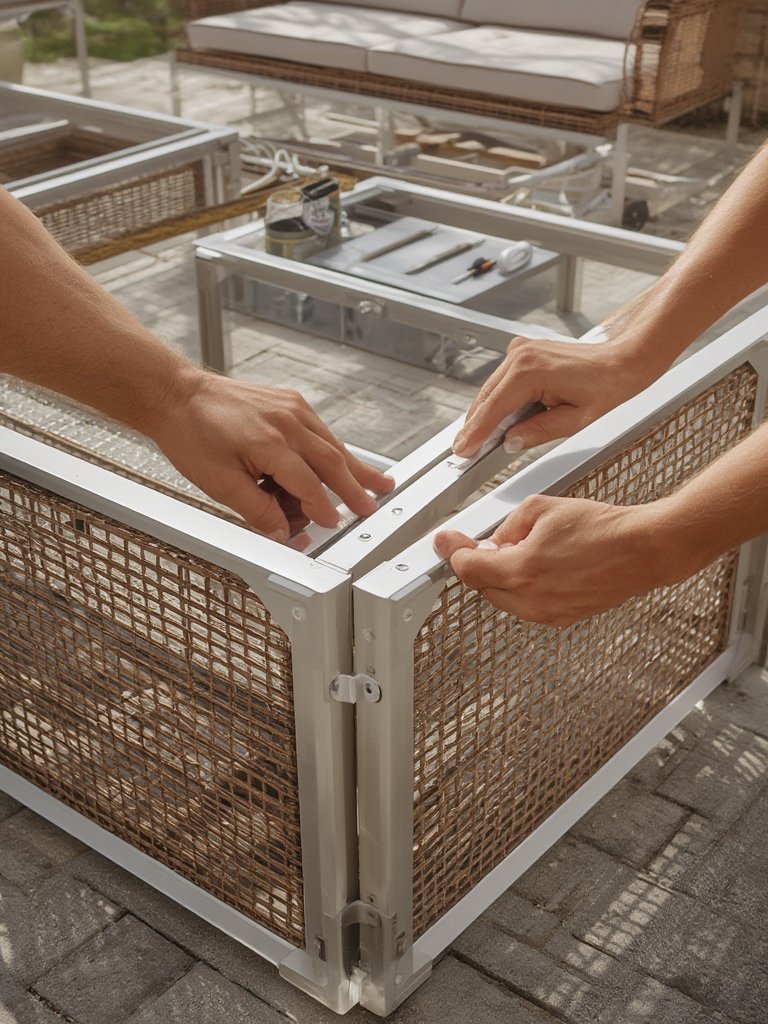
Quality modular sets often offer adjustable connectors (to lock sections firmly), swap-in/outtable backrests and arms, and a spectrum of fabrics/fillers for cushions. Some sets even let you order expansion modules at any time—a boon for growing families or evolving tastes.
-
Ask About Assembly & Maintenance.
Many complaints focus on complex assembly or hard-to-replace parts. Look for clear instructions, tool-free setups, and customer support for missing connectors or specialized clips. Removable/washable covers and easy-cleaning surfaces will save hours in the long run.
-
Compare Price Tiers Cautiously.
Though pricing details are rarely shared in depth, expect wide variation by material and brand. A basic aluminum modular set may start around $600-800, while treated wood or brand-name systems with weather-resistant cushions can exceed $2,000. Configuration (piece count, fabric upgrade, table add-ons) will nudge price and functionality.
-
Plan for Adaptability and Storage Needs.
If you’re furnishing a small city space—or want to store pieces off-season—choose lighter modules, stackable sections, and weatherproof covers. Some brands now offer starter kits for tight urban balconies, with expansion packs available later.
For small or awkward spaces, consider pairing modular patio sofas with vertical elements like a wall planter system or using compact storage benches. This not only maximizes functionality but taps into the leading trends for urban outdoor living.
Bonus: If you have a pet, modular pieces make integration with a virtual dog fence setup or a nearby automatic litter box easier by letting you rearrange dividers and routes safely.
Advanced Analysis & Common Pitfalls: What Most Guides Miss
While modular patio seating is far more flexible than traditional outdoor furniture, there are important downsides and technical “gotchas” that often go unmentioned in mainstream reviews.
| Factor | What to Watch | Potential Pitfalls |
|---|---|---|
| Weather Resistance | Treated wood, rustproof frames, UV-proof fabrics | Untreated wood rots, low-quality metal rusts, cushions fade or mildew quickly |
| Customization & Expansion | Universal connectors, modular add-ons, fabric options | Missing/universal parts, obsolete kit expansions, poor fit between different brands |
| Assembly & Maintenance | Tool-free assembly, labeled hardware, washable covers | Complex instructions, missing parts, non-replaceable fabrics |
| Price Transparency | Detailed price breakdown by material, size, brand | Hidden upcharges for cushions, delivery, or necessary hardware—budget overages |
| User Reviews | Verified feedback on durability and comfort | Vague product descriptions, limited warranty coverage for connectors or seats |
Three overlooked realities:
- Assembly headaches: Some modular sofa modules come with minimal instructions or require extra tools and strength—making solo assembly difficult.
- Climate mismatch: A garden sectional that thrives in California may quickly degrade in a humid southern climate or with harsh winters.
- Expansion limitations: Brands may discontinue expansion modules, connector types, or certain fabric lines a year or two after launch—so always research future-proofing before committing.
The preference for weather-resistant, easy-clean seating reflects real user frustrations with mold, mildew, or furniture that breaks down after one season. Unfortunately, many top guides don’t dig into these enduring problems—or specify how accessories and upgrades really impact long-term satisfaction.
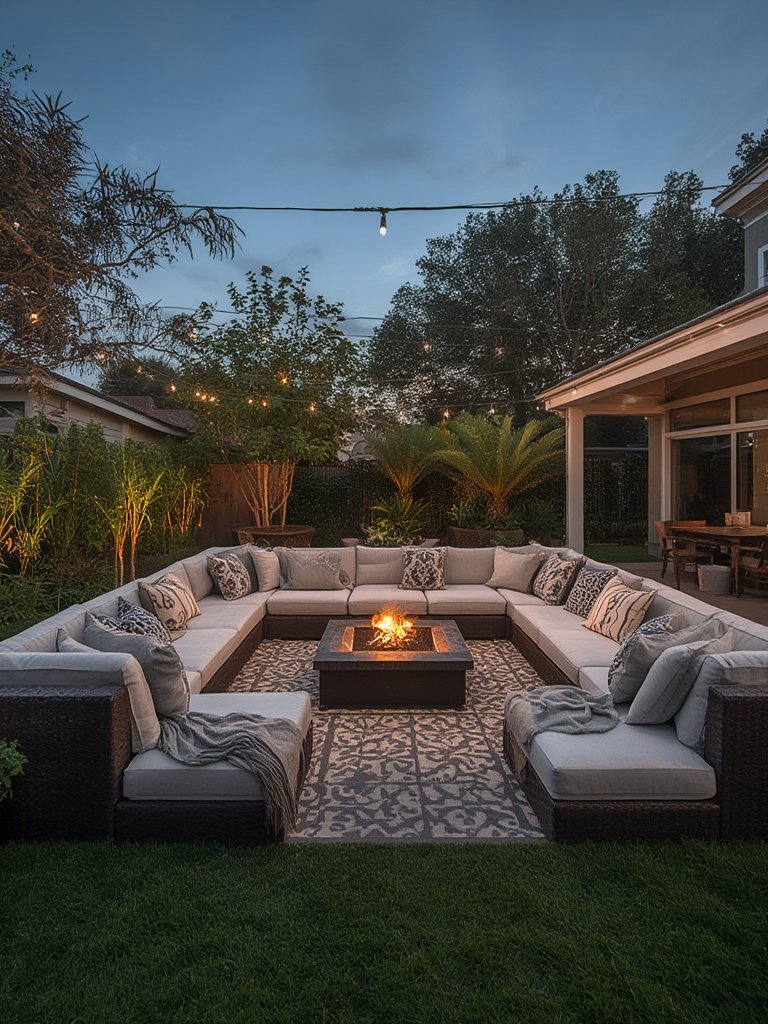
For tightly spaced decks or high-traffic patios, consider furniture with clip-on connectors and universally sized modules for ongoing adaptability. Urbanites or renters often get the most value from lighter, reconfigurable pieces paired with compact outdoor storage sheds or portable seating add-ons for guests.
Conclusion
Modular outdoor patio furniture is booming in popularity—and for good reason. With the right planning, you can create a space that transforms how you relax, entertain, and adapt to changing outdoor needs. But realistic expectations matter: always dig into technical specs, connector designs, and climate fit before investing. When in doubt, blend flexibility, user reviews, and future-proof customization for the best results.
If you want your project to go beyond “just another patio,” start by applying the steps above to your outdoor modular furniture search. Smart choices now can deliver seasons of low-maintenance, high-impact outdoor living. Ready to transform your space? Dive deeper into our related guides or connect with experts for tailored advice!
Frequently Asked Questions
How long does outdoor modular furniture usually last?
With quality treated materials and weatherproof covers, outdoor modular furniture typically lasts 5–10 years or more. The actual lifespan depends on climate, care, and whether you store pieces in extreme conditions.
Can I mix and match outdoor modular furniture from different brands?
Sometimes. Many brands use proprietary connectors, so verify compatibility or plan to use universal anchor kits. Always check module dimensions as widths or heights can vary between brands.
What’s the easiest material to care for in outdoor modular furniture?
Aluminum is the lowest maintenance (rustproof and lightweight), while synthetic resin wicker with removable, washable cushions is also easy to keep clean. Untreated wood requires frequent sealing or staining.
Do I need to cover or store outdoor modular furniture during winter?
If you live in an area with harsh winters or heavy rainfall, store modular frames and cushions when not in use, or invest in quality outdoor covers to prolong lifespan and maintain appearance.
Is outdoor modular furniture worth the investment for small spaces?
Yes. Flexible module sets can be reconfigured as your needs or space change, often letting you maximize limited patios, balconies, or alcoves more efficiently than traditional fixed pieces.