

### Blog Post:
Greenhouse cabinet indoor setups are changing how people grow plants at home, merging stylish furniture with advanced plant care for year-round harvests—even in small apartments. DIY fans and plant lovers are transforming regular cabinets into thriving indoor greenhouses. Here’s how to do it, what to avoid, and why this trend isn’t just a passing fad.
Key Takeaways
- DIY or ready-made, greenhouse cabinet indoor builds can maximize plant health with climate control and smart features.
- Core challenges include airtight sealing, choosing compatible grow lights, and maintaining ideal temperature and humidity.
- Energy-efficient upgrades and modular shelving are propelling this trend for urban gardeners and hobbyists alike.
- What Is a Greenhouse Cabinet Indoor and Why Are They So Popular?
- How to Build or Upgrade Your Greenhouse Cabinet Indoor: Step-by-Step
- Advanced Tips, Pitfalls, and Real-World Issues with Indoor Greenhouse Cabinets
- Conclusion & Next Steps
- Frequently Asked Questions
What Is a Greenhouse Cabinet Indoor and Why Are They So Popular?
A greenhouse cabinet indoor is a furniture-grade cabinet (often glass-fronted, like IKEA’s fabrications) converted into a mini greenhouse for houseplants, herbs, or even compact vegetables. These cabinets keep temperature and humidity stable, supporting lush plant growth year-round. Most start with a standard cabinet, then upgrade it with grow lights, climate management, and sometimes smart controls.
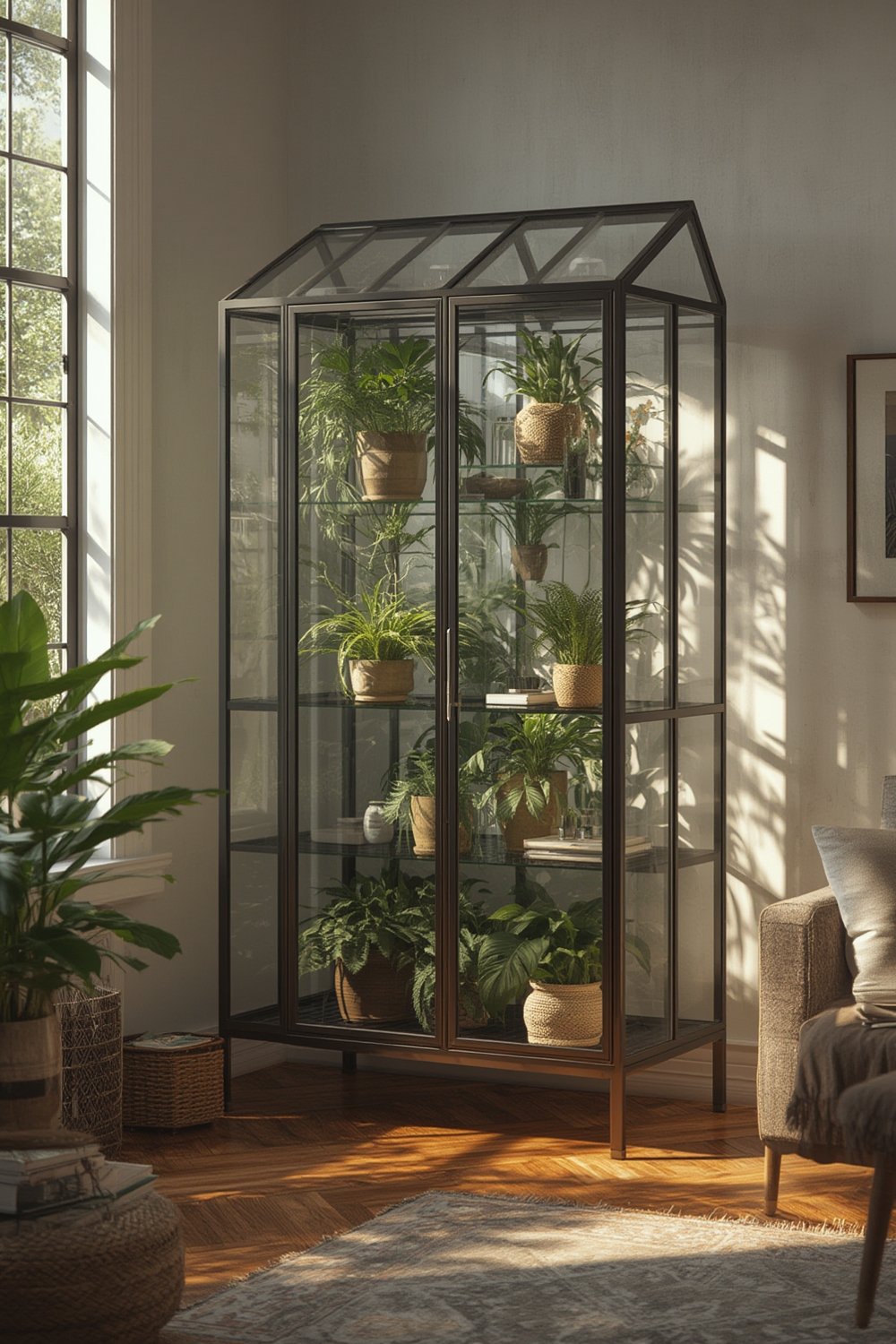
This interiorscaping trend exploded in 2023 and 2024, fueled by demand for organic home-growing and visually striking plant displays. North America represents more than 40% of the smart indoor garden system market, with brands like Click & Grow, AeroGarden, and DIY IKEA conversions dominating sales. Market size is expected to double by 2032 thanks to urban gardeners, apartment dwellers, and hobbyists prioritizing both aesthetics and health for their plants. (see interiorscaping report)
Compared to traditional shelving or windowsills, greenhouse cabinet indoor solutions boost humidity and temperature control, reducing plant stress—including for humidity-loving species like ferns, mosses, or carnivorous plants. Automated smart cabinets even monitor water and light cycles, bringing commercial greenhouse precision to your living room.
How to Build or Upgrade Your Greenhouse Cabinet Indoor: Step-by-Step
The process ranges from a quick beginner build to a fully automated smart cabinet. Start simple, then add upgrades as you grow your collection.
- Pick Your Base Cabinet
DIY greenhouse cabinet indoor projects often start with IKEA models (like Fabrikör, Milsbo, or Detolf). Choose one with enough vertical space for your plants and adjustable shelves. - Seal Air Gaps and Boost Humidity
Use clear weatherstripping or flexible silicone strips to fill every door and panel junction. Less air leakage equals better temperature and humidity control. - Install Compatible Grow Lights
Use full-spectrum LED grow bars or strips. Magnetic-mount LEDs (with adhesive backing) are best for metal cabinets and easy repositioning. Most houseplants thrive at 3,000–6,500K and 12–16 hours of light daily. - Add a Climate Controller (Optional but Recommended)
Invest in a plug-in thermostat/hygrostat that auto-triggers fans or mini humidifiers to keep temperature (generally 68-80°F/20-27°C) and humidity (50-80%) steady. - Promote Air Circulation
clip-on USB fans prevent mold, disease, and leaf burn. Avoid pointing airflow directly at plants—gentle circulation is best. - Automate Watering (For Advanced Setups)
Small basin-based hydroponic inserts, capillary mats, or programmable micro-drippers are affordable upgrades. These can reduce hands-on work while maintaining ideal root moisture. - Organize with Modular Shelving or Risers
Use adjustable shelves for tall and short plants, or add stackable units for propagation trays and cuttings.
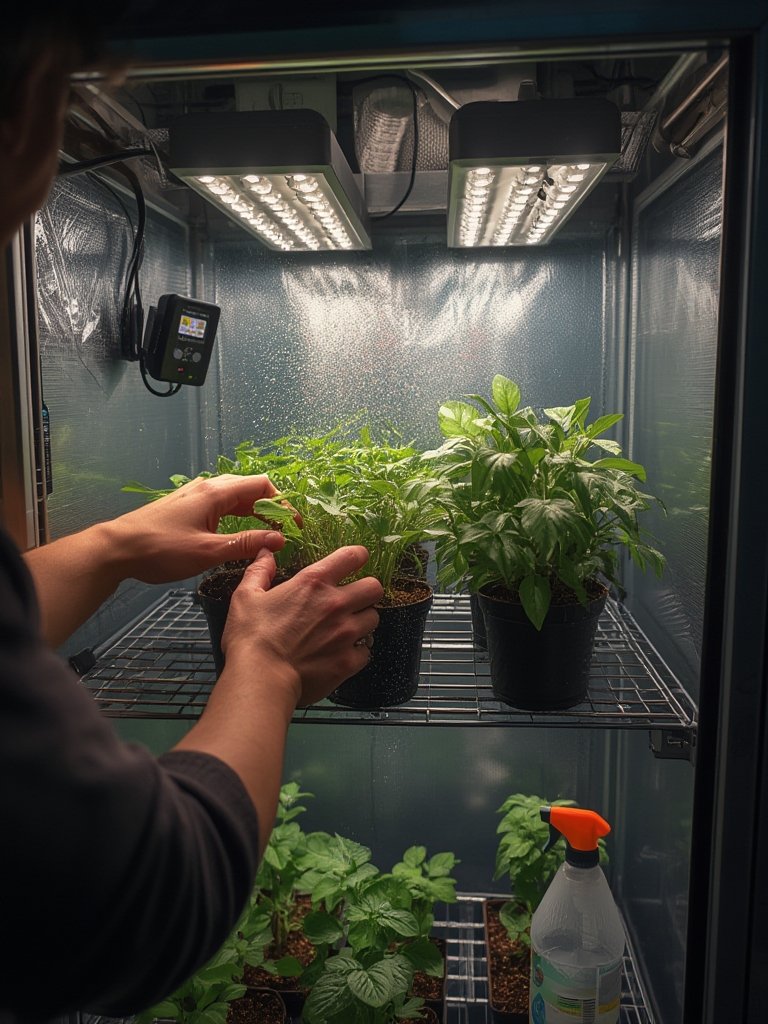
If you want smart integration, look for products supporting Matter, Apple HomeKit, or Alexa. This lets you monitor temperature, flooding, and air flow from your phone (see smart system market stats here). For long-term setups, solar panels (for grow light power) and AI-driven app controls can halve energy use and automate reminders (see technical analysis).
Looking to build out more complex displays or propagate multiple species at once? Check out vertical gardening systems in our vertical garden system setup guide for pro-level inspiration and stacking strategies.
Advanced Tips, Pitfalls, and Real-World Issues with Indoor Greenhouse Cabinets
While greenhouse cabinet indoor setups offer huge advantages, there are drawbacks and recurring challenges highlighted by user experience and market research.
Common Pitfalls and Real Problems
- Poor Sealing: Gaps in cabinet doors or joints let dry air in and humidity out, causing brown leaf tips or fungus gnat infestations. Weatherstripping is a non-negotiable upgrade.
- Overheating from Grow Lights: Without a digital thermometer or ventilation, cabinets can reach 90°F (32°C) or more—even moderate LED arrays emit heat in a closed space.
- Weak Light Penetration: Deep or wide cabinets often have dim corners. Consider adding extra lights or reflective backdrops for lower shelves.
- Space Constraints: Compressed shelves limit tall plants or fast-growing species. Modular risers and regularly rotating plant position solve this, but require hands-on attention.
- Assembly & Modification Difficulty: DIY IKEA modifications are affordable, but require basic handyman skills—especially for electrical work and drilling for ventilation fans. Always double-check for metal shards or rough edges inside after modifications.
- Water Damage & Condensation: Spilled water, leaking hydroponic trays, or uncontrolled condensation can warp shelving or damage flooring. Use watertight trays and clean up excess daily.
| Feature | DIY IKEA Cabinet | Ready-Made Smart Cabinet |
|---|---|---|
| Initial Cost | $$ (lower; $120–$300 + upgrades) | $$$–$$$$ (higher; $400–$1,400+) |
| Effort/Skill Required | Medium–High (sealing, light install) | Low (plug-and-play) |
| Climate Control | Manual or semi-auto with add-ons | Fully automated via app/sensors |
| Maintenance | Moderate (daily/weekly checks) | Low (reminders, auto-watering possible) |
| Energy Use | Moderate; can add solar for lights | Optimized (up to 50% saving with Eco-Grow/Solar) |
| Plant Health Risk | Varies (depends on setup precision) | Low (AI monitoring, automated) |
| Customization | High (choose all parts & layout) | Medium (modular, but less modifiable) |
Want to avoid under-watering, pests, or nutrient issues? Smart home fans should consider app-connected systems that automate not only lights but also watering, humidity, and airflow. This tech is advancing aggressively in 2024 (read smart greenhouse market analysis).
Concerned about the total cost? Ready-made smart systems tend to run higher up-front but can recoup costs in energy savings and reduced plant loss. DIY projects save cash, but require patience and some mess. For a deeper cost breakdown (and if you’re also a tech enthusiast), see our guides on smart thermostat installation and smart sprinkler controllers for related automation hacks.
For homes with pets, remember that soil humidity and warmth can attract cats and dogs—protect your setup and your pets by reviewing our guide to pet-friendly sofa fabrics and our popular automatic litter box solutions.
Conclusion & Next Steps
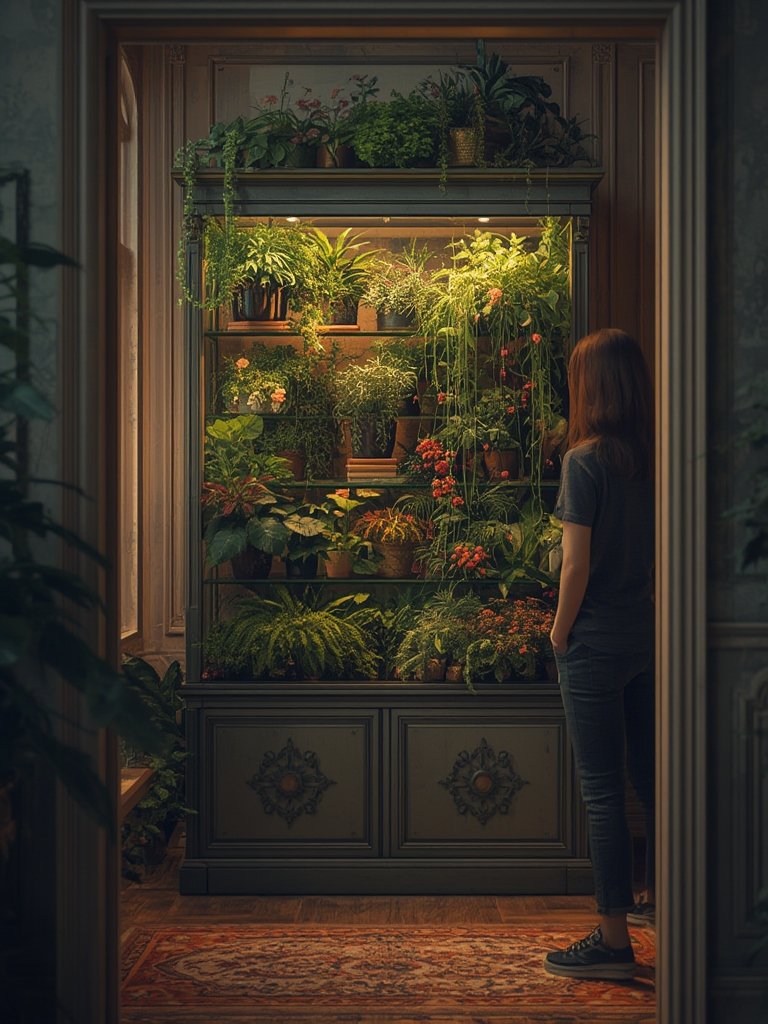
A greenhouse cabinet indoor gives you ultimate flexibility and creativity—whether you crave statement plant displays or trouble-free herb growing in tough climates. DIY conversions provide unbeatable customization and cost savings, while ready-made smart systems streamline care with next-gen features. Weigh your hands-on skills, budget, and automation needs before you build or buy. The result? Happier plants and a more vibrant home. Ready to start? Explore your cabinet options—and don’t forget to tailor for your favorite plants’ specific needs.
Frequently Asked Questions
What is the ideal temperature and humidity in a greenhouse cabinet indoor?
Most common houseplants thrive at 68–80°F (20–27°C) with 50–80% humidity. Adjust targets for specialty species (like orchids or tropicals), and always use a digital sensor to monitor conditions.
Are DIY greenhouse cabinet indoor builds cheaper than buying a smart cabinet?
Yes, if you have basic skills and own tools, DIY (starting with IKEA cabinets) is usually more affordable. Expect to invest $120–$300, but factor in time and effort for sealing and upgrades. Smart cabinets cost more but save time on setup and maintenance.
What type of lighting works best in a greenhouse cabinet indoor?
Full-spectrum LED grow strips or bars (rated 3,000–6,500K) are best. Look for energy-efficient models with adjustable mounting options. Magnetic or adhesive-backed LEDs simplify installation, especially in metal cabinets.
Do I need smart controls for my indoor greenhouse cabinet?
No, but smart controls (for temperature, humidity, lighting, and watering) can prevent common plant health issues and make maintenance far simpler, especially for beginners or those with busy schedules.
What are the most common mistakes to avoid with greenhouse cabinet indoor setups?
Poor sealing and lack of airflow, overheating lights, overwatering, and using non-waterproof trays are top issues. Always test and tweak your setup before adding rare or expensive plants.
—