

GPS dog fence technology is transforming how pet owners keep their dogs safe and contained—without digging up yards or putting up new barriers. It’s now one of the fastest-growing segments in pet containment, but a closer look reveals plenty of nuance and important considerations before making the switch.
Key Takeaways
- GPS dog fences offer wireless freedom, but real-world results often vary depending on environment and coverage.
- Subscription fees and hidden costs are common, so budget beyond the upfront purchase price.
- Technical info and safety records are harder to find than for traditional dog fences, making brand research essential.
- What Is a GPS Dog Fence and Why It Matters
- How to Set Up a GPS Dog Fence: The Realistic Playbook
- Advanced Analysis & Common Pitfalls
- Conclusion: Should You Invest in a GPS Dog Fence?
- FAQ: GPS Dog Fence Essentials
What Is a GPS Dog Fence and Why It Matters
Unlike traditional fences or buried wires, a GPS dog fence creates an invisible boundary using satellite positioning and a specially designed dog collar. The collar receives GPS signals that determine your dog’s location relative to a digital perimeter you set using an app—no digging or construction required. When your dog approaches or crosses this virtual boundary, the collar triggers a warning sound or other correction to deter escape.

This shift matters for several reasons. The global market for GPS-enabled dog fence collars was valued at $1.1 billion in 2024 and is expected to nearly triple by 2033. Ease of installation, portability, and suitability for changing boundaries give urban and suburban owners a flexible alternative to buried wire or visible fences. No wonder wireless GPS collars now account for over 55 percent of sales—especially in the booming residential market where their adjustable zones and convenient management shine.
If you’ve been considering a solution for containing your pet—especially if you rent, move often, or have neighborhood restrictions—GPS dog fences remove many of the historic headaches of physical alternatives.
How to Set Up a GPS Dog Fence: The Realistic Playbook
Ready to implement a GPS dog fence? Here’s what works for most dog owners—step by step, with practical tips along the way.
- Choose the right system for your needs. Prioritize models with high user ratings on accuracy, battery life, user interface, and flexibility. Consider internal guides like Dog Fence vs GPS Dog Collar: Which is Right for Your Yard? for more decision details.
- Inspect your terrain. GPS signals can struggle with heavy tree cover, dense buildings, or steep slopes. Visualize where you want the boundary and check for “blind spots.”
- Unbox and fully charge the collar. Most GPS collars ship partially charged. Charge fully for optimal performance (see your system’s instructions).
- Install and configure the mobile app. Follow setup prompts, register the collar, and define your custom boundary directly on your phone.
- Walk the boundary with the collar in your hand. Test the warning zones, monitor GPS accuracy, and note any spots with inconsistent results.
- Introduce your dog gradually. Use positive reinforcement and keep initial training sessions short. Reward your dog for obeying the warning cues.
- Monitor and adjust. Use app data to fine-tune the boundary or correction settings if your dog gets too close to problem areas.
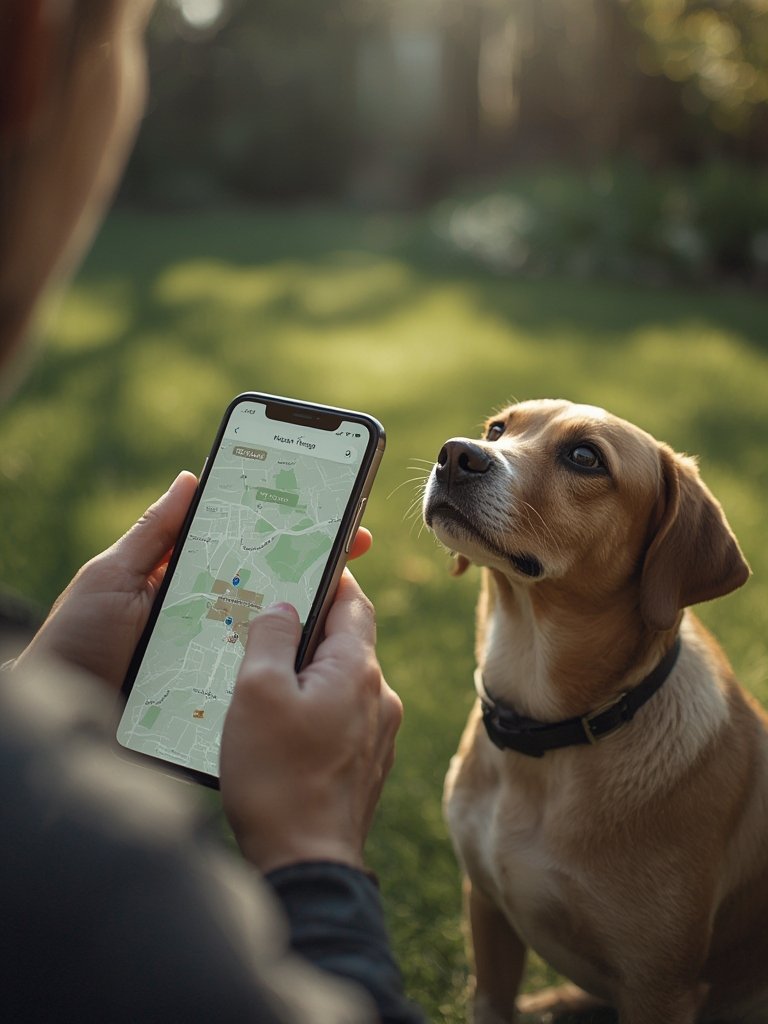
Need more setup specifics? Dive into our Wireless Dog Fence Troubleshooting Guide for in-depth solutions to common hiccups. For multi-pet households, our article GPS Dog Fence for Multiple Dogs: What You Need to Know addresses everything from collar syncing to herd behavior tips.
Advanced Analysis & Common Pitfalls
As promising as GPS dog fences sound, there are significant challenges and downsides that don’t show up in marketing headlines. Here’s a reality check based on the research data.
- Subscription fees and hidden charges. Many top GPS dog fence systems require ongoing app subscriptions for advanced features, live support, or history tracking—fees that quickly add up. Always confirm the monthly and annual costs before purchasing. Replacement collars and batteries are often sold separately.
- Coverage range and accuracy limitations. Specifications for range, battery, waterproofing, and accuracy are rarely published in detail. Real-life tests show that GPS accuracy can vary by several feet—enough for a determined dog to slip out unchallenged, especially in wooded or hilly areas.
- Spotty performance in challenging environments. While wireless GPS systems market their flexibility and portability, users have reported struggles in forests, near tall buildings, and in remote areas with weak GPS signals. Advancements are being made, but consistency remains an issue for certain landscapes. See our breakdown: Wireless & Invisible Dog Fence: Pros and Cons.
- Lack of public safety records or reliability data. Unlike electric wire systems with decades of use, GPS dog fences have little published info on reliability or failure rates. Regulatory oversight is limited mainly to product certifications, not ongoing safety reporting. For details, refer to this global electronic pet fence report.
- Battery and maintenance concerns. With some GPS collars, battery life is only a day or two under active tracking. Forgetting to recharge means the fence won’t work, so set reminders or use backup collars for extra safety.
| Product/System | Accuracy | Battery Life | Waterproofing | Coverage Range | Source |
|---|---|---|---|---|---|
| (No data available) | – | – | – | – | – |
Transparency is limited, so always dig into return policies and customer service reviews before buying. You’ll also want to check local ordinances about collar types and containment requirements—some areas restrict the use of electronic collars or require signage.

For even deeper coverage, check out our guide Best Wireless Dog Fence Reviews: Unbiased Truths or see what veterinarians recommend in Vet-Approved GPS Dog Fence Comparison.
Conclusion: Should You Invest in a GPS Dog Fence?
GPS dog fences combine high-tech innovation with practical pet safety, allowing flexible, wire-free boundaries—especially valuable for renters and move-prone families. Yet the technology brings trade-offs including subscription costs, varying accuracy, and few published safety records. If you do your research and set training expectations accordingly, a GPS dog fence can be a strong solution for many—but not all—dogs and properties.
Ready to explore further? Start by reading up on Wireless vs Traditional Dog Fence: What’s Best for Your Dog? and compare smart collar options before making your investment. The future of pet containment is here, and understanding the realities of a GPS dog fence will help you make the smartest choice for your companion.
Take action: Research at least two competing systems, verify their ongoing costs, and test a demo fence zone whenever possible before committing.
FAQ: GPS Dog Fence Essentials
How accurate are GPS dog fence collars in daily use?
Most models are accurate within several feet, but signal drift and environmental factors may affect boundaries—especially near trees or buildings.
Are subscription fees required for GPS dog fences?
Many systems now require a monthly or annual subscription for advanced features and support. Always check what’s included before you purchase.
Can GPS dog fences be used for more than one dog?
Some brands support multiple collars from one app, but it’s crucial to ensure each collar stays synced and every pet responds correctly to training.
What are common issues with GPS dog fences?
Owners often report fluctuating boundaries, limited battery life, and poor GPS signal in some environments. Customer support and a solid return policy are key.
Is a GPS dog fence suitable for very large or small properties?
Coverage depends on the device, but some systems may struggle with very large properties or require multiple recharging cycles for extended coverage.