

Garage storage system upgrades are more popular than ever in 2024 as homeowners battle clutter and chase multipurpose use of garage spaces. Deciding on the right system—especially modular designs and wall-mounted options—can dramatically boost organization, but hidden pitfalls and overlooked details can trip up even the savviest DIYer. Here’s what really matters when choosing and installing a garage storage system this year.
Key Takeaways
- Durable metal or heavy-duty plastic garage storage systems outperform wood in variable temperature and moisture conditions.
- Modular designs and adjustable racks allow flexible, vertical organization as needs change or hobbies evolve.
- Proper planning is vital: mistakes during installation or material selection often lead to wasted money or premature repairs.
- What Is a Garage Storage System and Why It Matters
- How to Set Up a Garage Storage System: Step-by-Step
- Analysis and Common Pitfalls: Don’t Make These Mistakes
- Conclusion
- Frequently Asked Questions
What Is a Garage Storage System and Why It Matters
A garage storage system is a coordinated set of cabinets, racks, shelves, and hardware designed to keep your garage organized, safe, and functional. In 2024, these systems come in modular and wall-mounted options, giving you flexibility to adapt your space to changing needs—from tool mania to hobby storage or home gym zones.
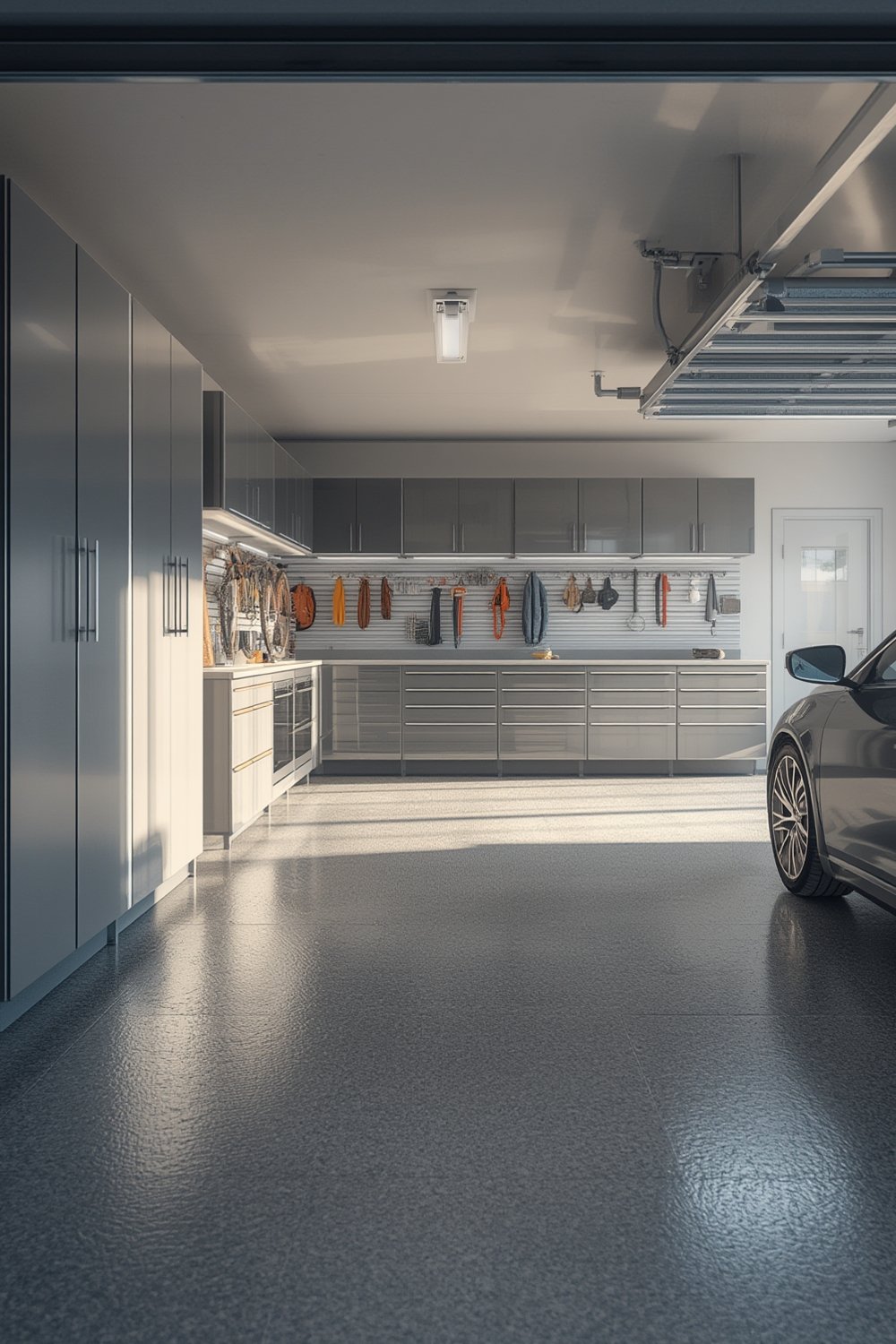
Global demand for garage storage organization continues to rise, with the market valued around $25.1 billion in 2024. In North America, modular units are now fueling about 31% of new system sales growth, propelled by a boom in DIY projects, multipurpose spaces, and the desire for high-value customization options. [Source]
The main goal: convert chaos into useful, adaptable storage while keeping your garage safe, especially from clutter-induced hazards like trips and tool accidents. Durable metal or heavy-duty plastic garage storage systems, particularly ones made from steel or rugged plastic, are designed to handle seasonal shifts, humidity, and weight loads better than wood-based solutions.
Success starts with matching system features to your true storage needs—don’t just buy what’s trendy or heavily promoted. Vertical wall-mounted shelving, for example, can double usable storage in a typical garage and completely change how you use your space.
Thinking of organizing other parts of your home? Modular approaches are finding their way into areas like under-sink organizers and vertical garden systems as well.
How to Set Up a Garage Storage System: Step-by-Step
Transforming your garage from chaos to order isn’t as complicated as it looks. Here’s a practical, realistic sequence to help you choose and install a garage storage system that lasts.
- Design Your Space for Your Needs
- Sketch a simple layout. Mark dimensions of cars, sports gear, tools, and major “zones” like a workbench or gardening corner.
- Prioritize wall space for vertical storage. The more you move upward, the more you free up precious floor space.
- Use online modular system configurators for brands you’re considering—preview how racks, wall cabinets, and bins fit together.
- Select Materials for Durability
- Tip: Metal or heavy-duty plastic is strongly recommended. Wood may warp or rot with garage humidity or temperature swings, often within two years.
- Pick cabinets with powder-coated or laminate finishes for moisture resistance. These stand up to spills, leaks, or seasonal changes.
- Choose Storage Types by Function
- Combine closed cabinets for infrequently used or hazardous items, and open shelving or racks for daily grab-and-go gear.
- Wall-mounted panels offer ultimate flexibility: move hooks, baskets, or bins anytime as seasons or hobbies change.
- Install with Safety and Longevity in Mind
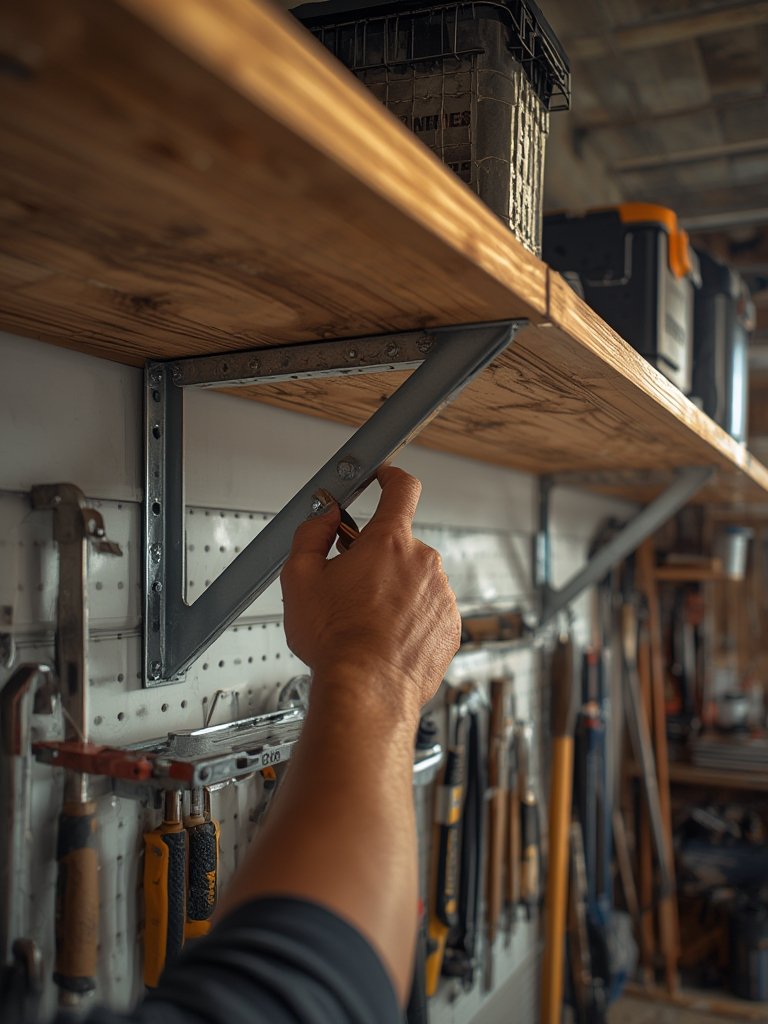
- Always anchor heavy shelves and racks to wall studs. Use recommended fasteners for your wall material—concrete, brick, or drywall.
- Check weight ratings. Overloading shelves is a major cause of failures and mess down the line.
- Leave at least 36 inches of clearance in front of shelves for movement and door swings.
- Label and Group for Maintenance
- Use bins and labels for hardware, sports gear, and holiday items.
- Label high shelves for less-used items to speed up seasonal swaps.
- Group related items in one cabinet or zone—this greatly reduces time spent searching and increases long-term satisfaction.
- Future-Proof: Leave Room for Growth
- Choose modular panels/racks with adjustment slots—don’t lock yourself into a static layout you’ll outgrow.
- Leave at least 10% “open storage” as a buffer for new purchases or future hobbies.
Don’t forget that new pet products and hobby trends can add to the garage’s load. For example, if you plan to add a smokeless fire pit or portable electric chainsaw, anticipate where they’ll be stored as part of your plan.
Analysis and Common Pitfalls: Don’t Make These Mistakes
Even with the best intentions, garage storage system installs can go wrong. Here’s what usually causes disappointment—and how to avoid these issues:
| Common Pitfall | How to Avoid It | Real-World Consequence |
|---|---|---|
| Choosing Wood Systems | Opt for metal or plastic; avoid wood unless garage is fully climate-controlled | Warped, sagging, or even rotting shelves within 1–3 years |
| Ignoring Weight Capacity | Read installation manual for weight limits—especially on wall-mounted units | Shelves pull out from wall or collapse, creating a safety hazard |
| Poor Wall Anchoring | Secure to studs or masonry, never just drywall; use manufacturer-recommended fasteners | Personal injury or expensive repairs when overloaded rack fails |
| No Allowance for Future Growth | Design flexible, modular layouts; reserve open shelf/cabinet space | Outgrown system in a year or two, requiring another investment |
| Overly Complex Layout | Keep system simple and accessible; avoid maximizing every inch for “look” alone | Hard to find tools, blocked car or workbench access, low satisfaction |
In addition, some buyers expect plug-and-play transformation overnight, but underestimate installation time or skill required. Modular systems can be DIY-friendly, but large, heavy components still take hours—not minutes—to assemble and secure. Professional installation is on the rise and may be a smart option for more complex builds [Source].
Keep in mind: As of 2024, no reliable pricing data exists for full-system installation across regions. Expect higher costs in metro areas and when using premium brands or pro installers. [Market Source]
Want more tips on keeping your home organized and pet-friendly? Explore guides like the wireless GPS dog fence or automatic litter box to bring order to every room.
Conclusion
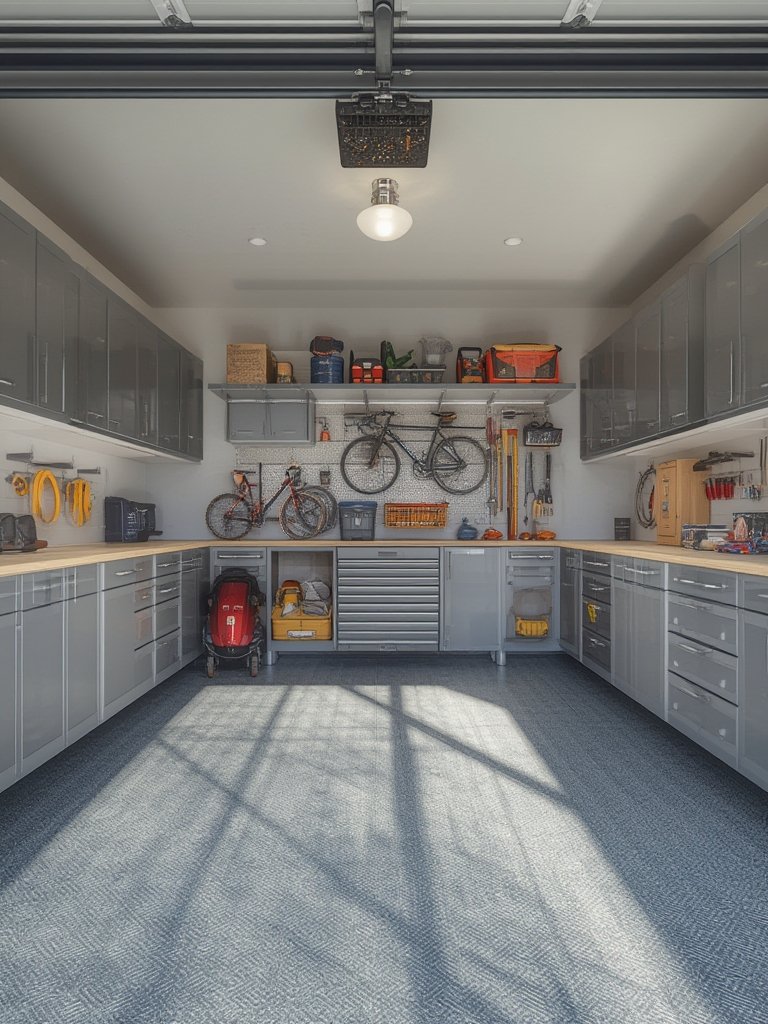
The right garage storage system delivers more than just a tidy garage. With modular or wall-mounted options built from durable metal or plastic, you gain years of flexibility and usable space. Avoid the common missteps—don’t overload shelves, always anchor securely, and leave room for growth—and you’ll sidestep most of the complaints or regrets seen with less robust setups.
Ready to transform your clutter and make your garage a true asset? Start today by choosing a proven garage storage system that matches your real needs, not just what’s trending. Need inspiration for your next home project? Consider guides like the vertical garden system or outdoor storage shed resin for more ways to maximize your space.
Act now: Map out your ideal zones, choose heavy-duty systems, and get started—your garage (and sanity) will thank you.
Frequently Asked Questions
What is the best material for modular garage storage systems in a typical US garage?
Metal or heavy-duty plastic is best for most garages. These materials resist warping and moisture damage seen with wood, providing greater longevity and safety for heavy loads.
How much weight can wall-mounted shelves actually hold?
It depends on wall anchors and manufacturer guidelines. Top-rated metal shelves often support 100–200 lbs per shelf, if properly secured to studs or masonry. Always verify specs before loading up.
Do I need a professional to install a modular garage storage system?
Not always, but complex or large systems are easier and safer with professional help, especially if you need to cut or mount into masonry or concrete walls. Most modular systems offer DIY instructions but expect 3–8 hours for a full install.
Why not just use wood storage shelves in my garage?
Garages face big swings in humidity and temperature, causing wood to warp, bend, or even rot. Metal and plastic options last longer and often have better warranties.
Can I convert all my garage shelves into cabinets later?
If you start with a modular rail or slatwall system, you can typically add or swap out shelves for cabinets anytime. Fixed, stand-alone shelf units may not convert easily.