

Electric wall panel heater slim models offer a modern, ultra-slim way to heat small rooms while saving energy and space. If you want a quiet, effective, and stylish heating solution for tight spots, this guide breaks down what you must know before installing one or switching from a traditional heater.
Key Takeaways
- Slim electric wall panel heaters use much less energy than standard space heaters and cost less to run monthly.
- Most complaints focus on realistic expectations: room insulation, coverage in very large areas, or confusion over controls—not noise or installation hassles.
- Key installation and safety features (like UL/CSA certifications and wall-mounted design) make these heaters reliable for small or urban spaces.
- What Is a Slim Electric Wall Panel Heater and Why Choose One?
- How to Install and Maximize a Slim Wall Heater (Step-by-Step Guide)
- Pitfalls, User Problems, and Advanced Comparison
- Conclusion
- FAQ
What Is a Slim Electric Wall Panel Heater and Why Choose One?
Slim electric wall panel heaters are low-profile, wall-mounted devices that deliver convection (and sometimes radiant) heating to small rooms or apartments. They operate quietly—many with no fans—and blend into your wall like a flat panel. Most models use 500-1000 watts, which is less than half the electricity of typical space heaters, and distribute heat evenly across small to medium rooms.
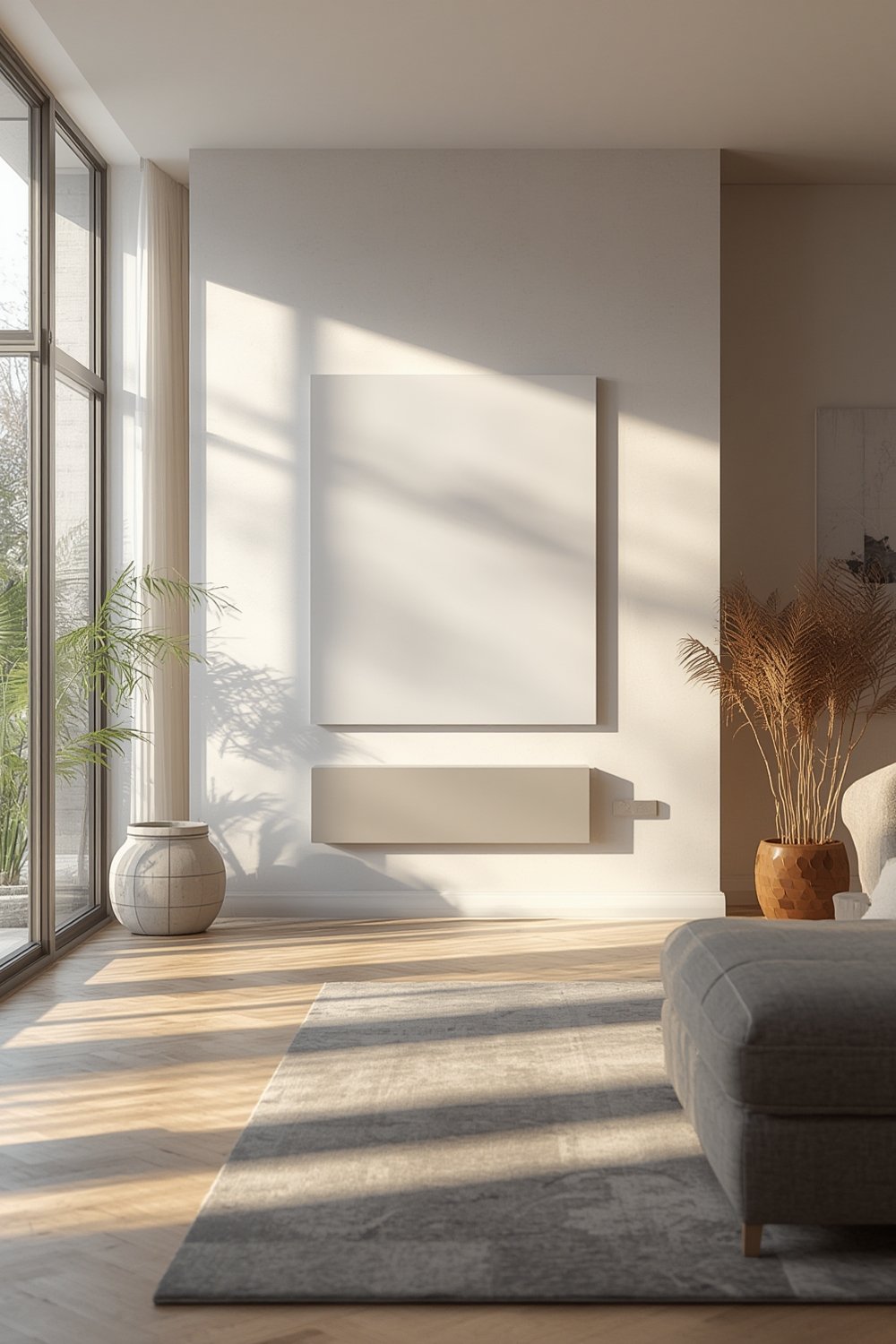
These heaters excel where floor space is limited. They’re popular for bedrooms, home offices, apartments, and tiny homes, helping users avoid the hassle and noise of fan heaters. Many are simple plug-in models with no hardwiring required, and modern units typically include advanced thermostats, app controls, and energy monitoring.
Compared to central heating (which warms every room—used or not), a slim wall panel heater heats where you need it, when you need it. For homeowners prioritizing energy efficiency and cost control, or renters seeking easy DIY installation, these units are a practical upgrade.
How to Install and Maximize a Slim Wall Heater (Step-by-Step Guide)
- Choose Your Model: Look for a certified heater rated for your room size—ideally 500-1000W for under 200 sq ft. Models like Envi or similar are efficient and easy to install.
- Pick the Best Spot: Select a wall clear of furniture and curtains, usually under a window or on an external wall. This ensures the best airflow and heat distribution.
- Mark and Attach Mounts: Use the included template or guide to mark mounting holes on the wall. For plug-in models, make sure you’re close to an outlet.
- Install the Heater: Attach the wall heater to its mounts, making sure it’s level and secure. Plug in or hardwire as the model requires. Cord management features pull excess wiring out of sight, keeping the area tidy.
- Set the Thermostat: Use the built-in or app-controlled thermostat to set your desired temperature. For optimal efficiency, program it to run only when the room is occupied.
- Monitor Initial Operation: Turn on the heater, check for even warmth, and listen for any unusual noises (there shouldn’t be any with fanless models).
- Regular Maintenance: Wipe the surface with a dry cloth occasionally. No filters or major maintenance is required for most units.
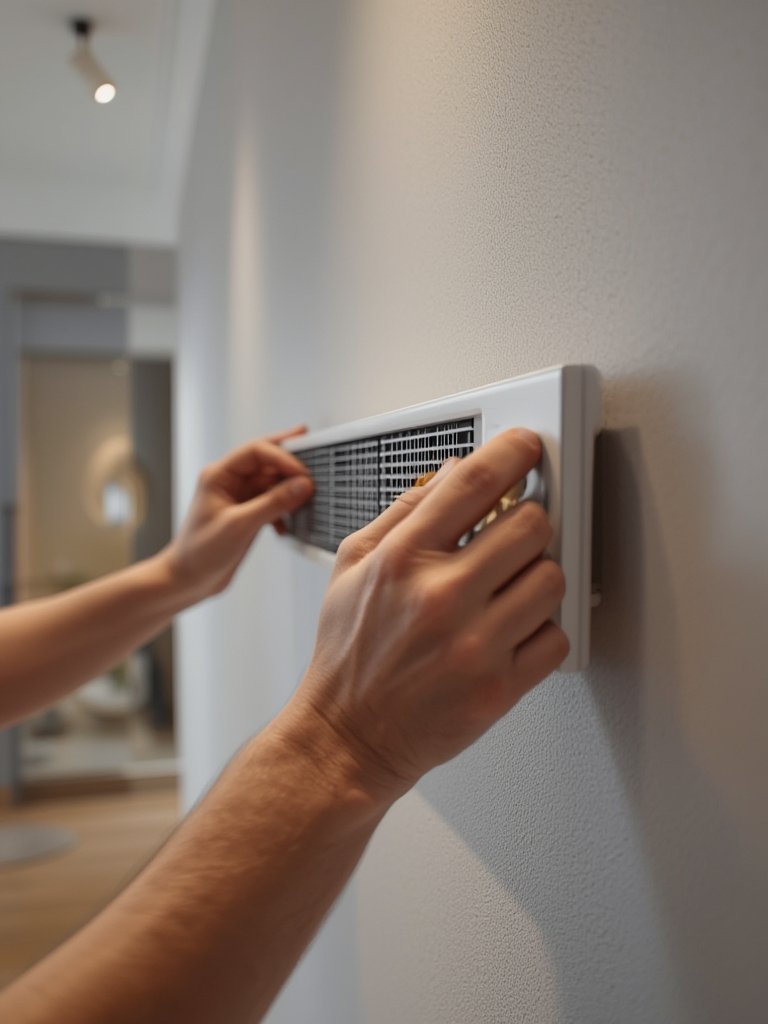
Cut costs further by pairing slim heaters with a smart thermostat for scheduling and remote adjustments—even small tweaks can reduce your electricity bill.
Pitfalls, User Problems, and Advanced Comparison
Even the best slim wall panel heaters come with a few downsides that most reviews gloss over. Here’s what to realistically expect, plus how leading models compare to alternatives:
Most Common Pitfalls (and How to Avoid Them)
- Insufficient Heating in Large or Poorly Insulated Rooms: While perfect for small to mid-sized spaces, 500W units struggle if your room is over 200 sq ft, has high ceilings, or drafty windows/doors. Insulating the space is key—otherwise, heat loss may double your energy use.
Solution: Insulate windows, use draft blockers, and measure your space accurately before purchase. - Misunderstanding Heat-Up Times: Slim panel heaters use convection, which warms a room gradually (15-30 minutes). Instant heat seekers may be disappointed.
Solution: Plan ahead—turn it on shortly before use or use a timer mode. - Thermostat Confusion: Some users report difficulty programming or using smart features, especially with app-based controls.
Solution: Read the manual, update the app, and test scheduling/settings thoroughly. - Coverage Limits: Expect a warm zone in the dedicated room only; don’t expect whole-home heating unless you install multiple units.
- Installation Mistakes: Not mounting securely, blocking airflow, or using undersized circuit breakers can reduce performance and cause nuisance breaker trips.
User Complaints: What Comes Up Most?
- Heating Coverage: Not enough heat for open floor plans—panel heaters are best in enclosed rooms up to 200 sq ft.
- Smart/Home Integration: Compatibility with some systems can be limited. Not every heater supports voice assistants or third-party smart home platforms.
- No Noise—or No Fan?: Some miss the quick boost of a fan heater. However, fanless convection means whisper-quiet performance, which is preferred for most bedrooms and offices.
Comparison Table: Panel Heater vs Traditional Space Heater
| Feature | Slim Electric Wall Panel Heater | Traditional Space Heater |
|---|---|---|
| Power Usage (Watts) | 500-1000W | 750–1500W |
| Monthly Cost (6–8 hrs/day @ $0.16/kWh) |
$7.20–$9.60 | $36–$60 |
| Installation | Wall-mounted, plug-in or hardwired, DIY-friendly | Plug-in, portable; no installation |
| Noise Level | Silent/fanless | Often loud (fan operation) |
| Room Size Limit | Best under 200 sq ft | Varies by model |
| Safety | UL/CSA certified, cool-touch, tip-over-proof | Tip-over risk, hot surfaces, varying certifications |
| Smart Features | Widespread: thermostat, app, WiFi | Occasional: rare WiFi/app control |
| Aesthetics | Slim, unobtrusive, cord storage | Bulky, obvious on floor |
For more information, see the cost breakdowns and energy usage guides available online.
Unique Design Features: What Sets Top Brands Apart?
Top models like Envi include Wall-Sens Technology, integrated cord management, WiFi and app controls, eco-modes (for lower running costs), true digital thermostats, and cool-touch surfaces for safety. Stylish, low-profile looks fit all types of décor. Features like programmable timers and smart home integration appeal to the modern apartment owner.
If vertical real estate matters, explore wall panel décor solutions or soundproofing tips to combine function with comfort.
Market Trends: What Does the Future Hold?
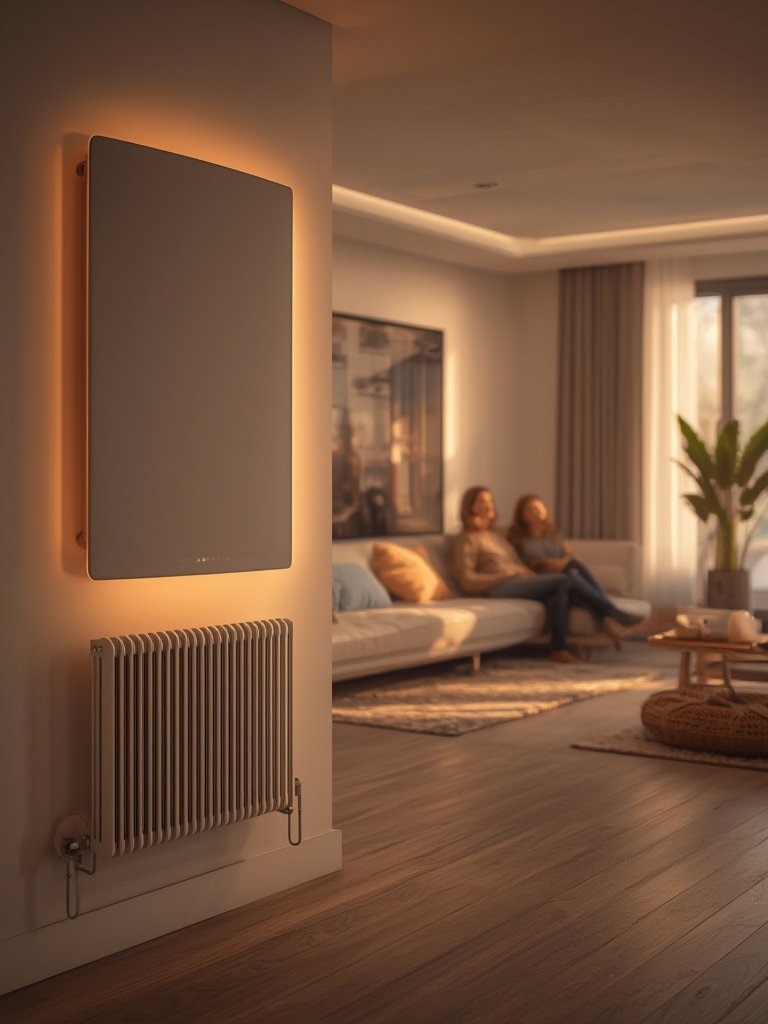
The market for electric wall heaters is growing rapidly, valued at $3.88 billion in 2023 and expected to hit over $6 billion by 2032 (see detailed report). Demand is concentrated in urban apartments and small homes seeking localized, green heating with WiFi or smart app controls. If you’re considering resale value or rental upgrades, this tech trend is not slowing down.
Conclusion
Slim electric wall panel heaters are a smart alternative for efficient, safe, and stylish heating—especially if your priority is saving electricity and maximizing living space. Remember to match heater size to room area, maximize insulation, and explore smart controls for the best comfort and savings. The market will continue prioritizing quiet, unobtrusive, and eco-friendly solutions like the electric wall panel heater slim models over older, energy-wasting options.
Ready to upgrade your comfort? Choose a slim wall panel heater that fits your space—and don’t forget to combine it with smart controls for the biggest savings this winter.
FAQ
How much does it cost to run a slim electric wall panel heater all winter?
At 500 watts, expect about $8–10 a month if you run it 6–8 hours daily at standard U.S. electricity rates ($0.16/kWh). Costs may rise in poorly insulated rooms or with heavy usage.
Are these heaters safe to use in bedrooms or children’s rooms?
Yes, wall panel heaters are UL/CSA certified, mount securely out of reach, run silently, and stay cool to the touch, making them safe for bedrooms and homes with children or pets.
What is the biggest advantage over traditional space heaters?
The top benefit is much lower running costs, followed by silent operation and a slim, unobtrusive design that fits small or crowded rooms with ease.
Can I install one myself, or do I need an electrician?
Most units are plug-and-play and easy to mount on drywall with included hardware. For hardwired models, use a certified electrician. Always follow the product’s instructions.
How do I know what size panel heater I need?
Match the heater’s wattage to your room size: 500–700W for up to 150 sq ft, 1000W for 150–200 sq ft. Insulated spaces are more efficient; drafty rooms may need a larger unit or extra support.