

### Blog Post:
Dog treadmill small breed equipment is rapidly becoming essential for modern pet owners who want reliable indoor exercise for small dogs. Weather changes, apartment living, and busy schedules often limit outdoor walks, making a dog treadmill small breed solution a practical way to maintain daily activity and support long-term health.
Key Takeaways
- The global dog treadmill market is projected to more than double by 2033, with strong demand for compact, small-breed indoor models.
- While small dog treadmills add obvious convenience, users often overlook sizing, feature-limited models, and common pitfalls before purchasing.
- Focusing on product compatibility, realistic expectations, and smart safety use leads to far better experiences for both pet and owner.
- The Core Concept: Why Small Breed Dog Treadmills Stand Out
- Step-by-Step Guide: Choosing & Using a Small Dog Treadmill
- Advanced Analysis & Common Pitfalls
- Conclusion: Is a Dog Treadmill the Right Choice?
- Frequently Asked Questions
The Core Concept: Why Small Breed Dog Treadmills Stand Out
A dog treadmill small breed model provides controlled exercise tailored to smaller dogs with shorter legs and lighter body weight. Unlike large-dog machines, these treadmills feature shorter decks, lower speed ranges, and quieter motors designed specifically for toy and small companion breeds.
Because small dogs often live in apartments or urban homes, compact design is a major advantage. Many dog owners prefer a dog treadmill small breed setup that fits easily in smaller rooms while still offering safe daily exercise.
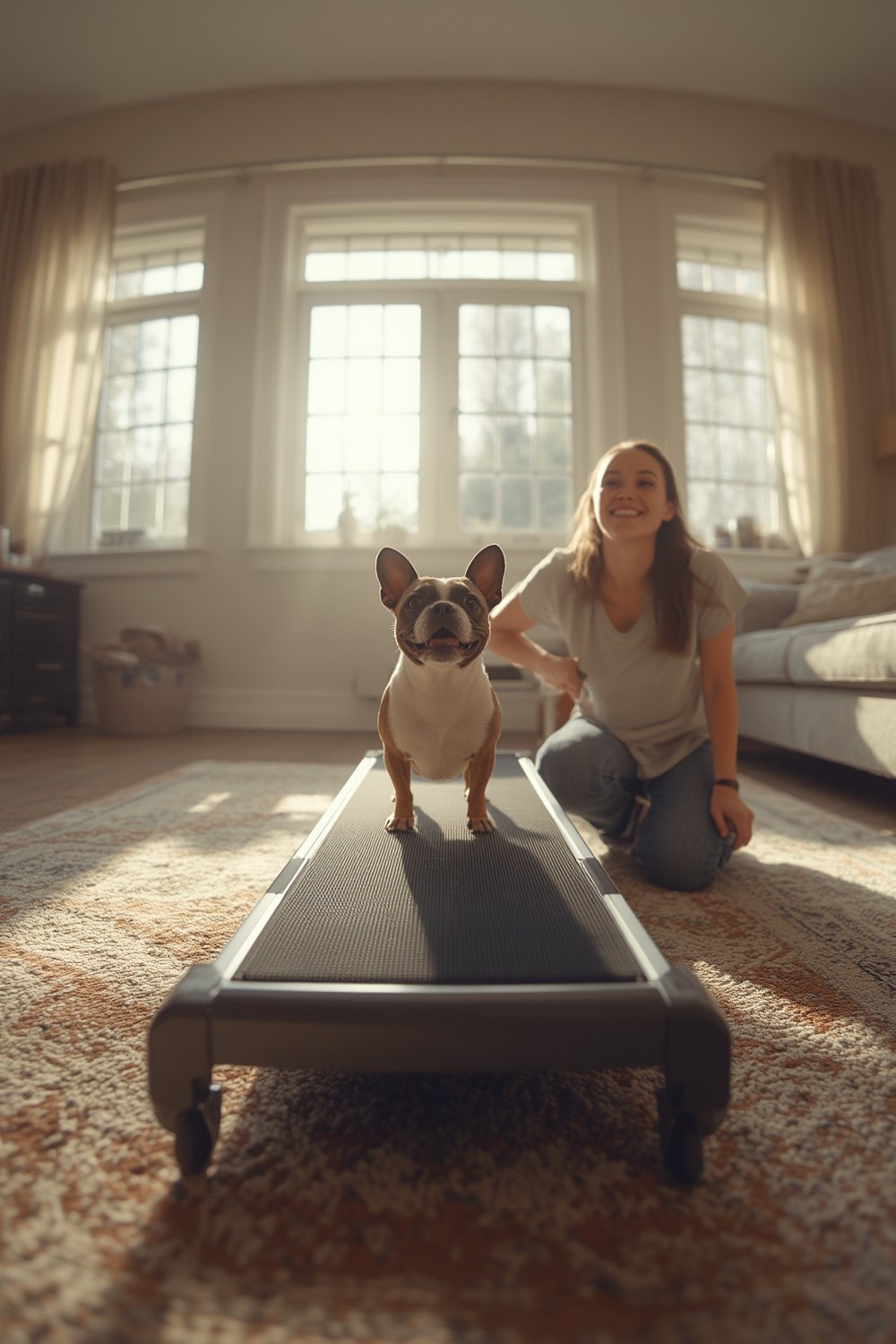
According to 2024 market research, home treadmill use—primarily for small and medium breeds—accounts for 57% of global revenue as pet owners look for space-saving fitness solutions. Motorized treadmills represent about 52% of the market thanks to programmable speeds, safety stop functions, and gradual acceleration features. [source]
These machines make it easier to keep activity consistent, regardless of weather conditions or schedule limitations.
Step-by-Step Guide: Choosing & Using a Small Dog Treadmill
- Measure Your Dog and Home
Before browsing, measure your dog’s length and stride. Small breed treadmills should exceed your dog’s body length plus tail, and fit comfortably in your dedicated room or hallway. - Check Core Specifications
Confirm recommended weight range, minimum deck length, side rail height for safety, and overall dimensions. Avoid “universal” models overly large for toy breeds. - Review Key Features
Look for programmable speed settings (usually 0.5 to 5 mph), quiet motors, sturdy (non-slip) walking surfaces, emergency shutoff, and optionally, side barriers. If you travel frequently, consider foldable or portable models. Features like remote/app controls are useful but not essential for everyone. - Prepare Your Dog for Success
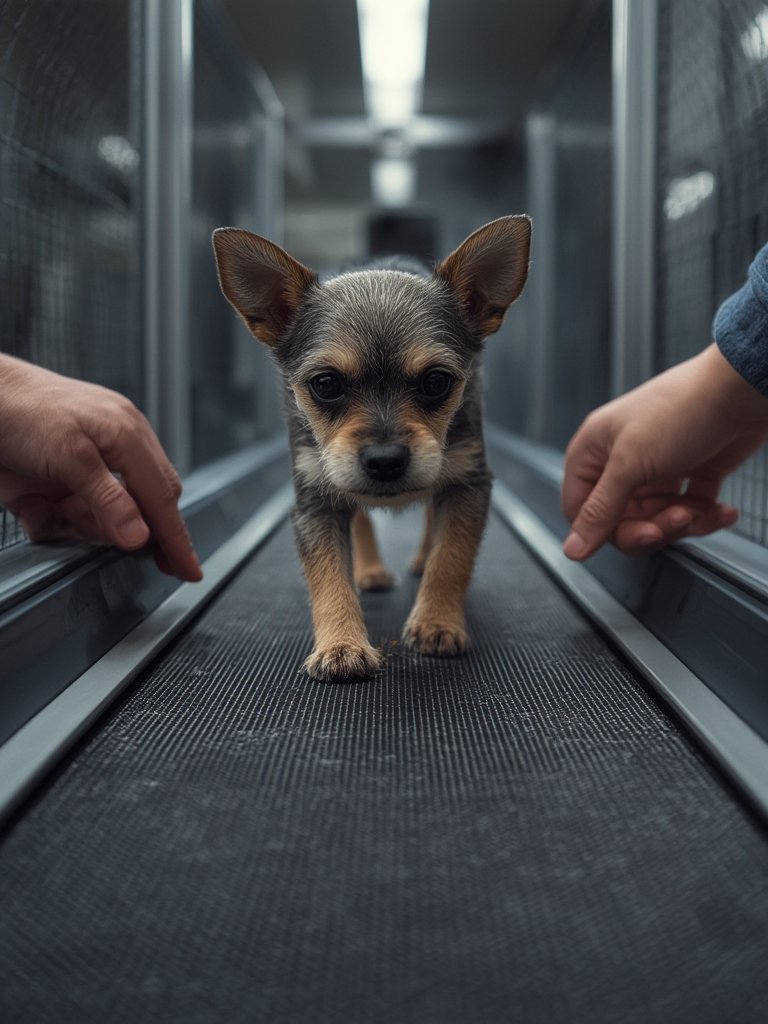
Gradually introduce the machine with the treadmill off, using treats and praise. Build positive associations by letting the dog explore the equipment first before running. - Supervise Every Session
Never leave your dog unattended. Begin at the slowest speed, keep sessions brief (5 to 15 minutes), and watch for signs of fatigue, anxiety, or discomfort at all times. - Maintain and Store Properly
Wipe down the surface after use. Store the unit folded against a wall or under furniture when not in use to minimize the footprint in tight spaces.
Want more enrichment ideas for indoor dogs? Explore our dog puzzle toys guide for creative ways to supplement treadmill sessions—and learn about calming aids like a dog anxiety vest for pets who need extra security indoors.
Advanced Analysis & Common Pitfalls
The dog treadmill market for small breeds is growing but still lacks model standardization, which leads to several common pitfalls:
| Pitfall | Description | How to Avoid |
|---|---|---|
| Wrong Sizing | Choosing a treadmill that’s too big, too fast, or lacks safety rails for your specific small dog. | Measure your dog and match exact specs—ask manufacturers for detailed diagrams if uncertain. |
| Noise & Vibration | Some compact treadmills use louder motors or vibrate on hard floors, making dogs anxious. | Read real owner reviews or request noise level data before ordering. Place on rubber mats to dampen shakes. |
| Limited Features | Budget models skip emergency stops, gradual speed-up, or side barriers—key for small dog safety. | Prioritize safety tech first: auto-stop leashes and side-guards protect pets if startled. |
| Difficult Storage | Bulky models may not fold flat or may require expert assembly in small homes. | Check folding specs and assembly guides before buying. If unsure, ask the brand for an install video. |
| Unrealistic Expectations | Treadmills are not a replacement for all outdoor walks, sniffs, and varied enrichment. | Use as a supplement, not a substitute. Add enrichment toys or external walks when possible. |
Pricing, certifications, and feature verification remain inconsistent globally. As the pet treadmill segment grows, buyers should compare real specifications carefully and verify safety details before purchasing.
Owners may want to supplement their research with virtual dog fence options for broader pet safety, or browse reusable pet hair removers for cleaning after indoor activity.
Conclusion: Is a Dog Treadmill the Right Choice?
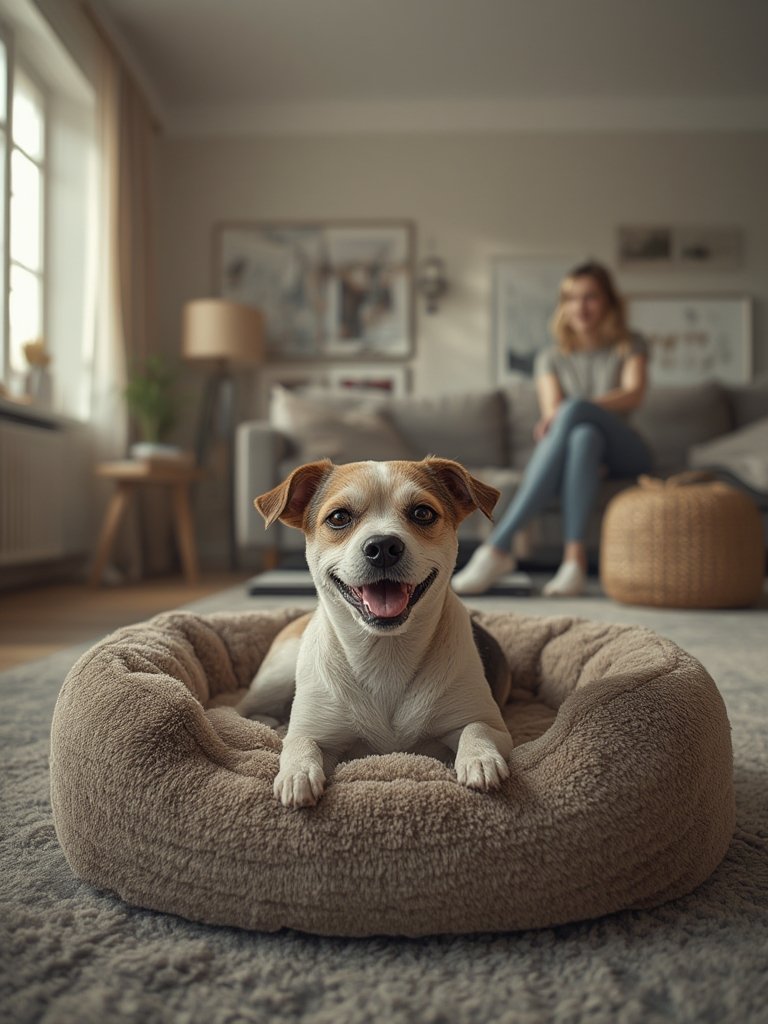
A dog treadmill small breed model can provide dependable indoor exercise when outdoor activity is limited by weather, schedule, or living space.
When chosen carefully, the right dog treadmill small breed solution supports consistent fitness, improved behavior, and healthier routines for small dogs.
Focus on proper sizing, safety features, and gradual training to ensure a positive experience.
If you’re ready to introduce a dog treadmill small breed option into your routine, prioritize comfort, supervision, and compatibility with your available space.
For more ways to keep pets healthy and happy indoors, visit our in-depth guides for pet water fountains and smart pet feeders.
Frequently Asked Questions
How do I choose the right treadmill size for my small dog?
Measure your dog’s full body length and make sure the treadmill’s running surface is several inches longer. Check the manufacturer’s weight and stride recommendations. For toy breeds, always confirm with the seller if unsure.
Are treadmills safe for all small breeds?
Most healthy small dogs can safely use a treadmill under close supervision, but consult your veterinarian if your dog is a puppy, senior, or has mobility or cardiac concerns.
What features should I prioritize in a small dog treadmill?
Focus on adjustable speed, safety rails, emergency shutoff, quiet noise output, and ideally a removable/foldable design for easy storage.
Can I use a regular human treadmill for my small dog?
Human treadmills are often too wide, too fast at their minimum speed, and lack safety rails. Dedicated dog treadmills are much safer and more comfortable for small dogs.
How often should my small dog exercise on a treadmill?
Start with short, supervised sessions (5-10 minutes) a few times a week, building gradually based on your dog’s comfort and stamina. Treadmill exercise should supplement—not replace—walks, play, and other enrichment.
—