

dog lick mat usage has exploded in popularity, but most pet owners have questions about how they truly work, their risks, and whether they live up to the hype for calming and enrichment. This guide covers the facts, actionable tips, and expert-backed advice to help you decide if a lick mat is right for your dog.
Key Takeaways
- Lick mats mainly distract dogs during stressful events, but their direct anxiety-calming effect lacks scientific proof.
- Choosing safe ingredients and supervising use are crucial to avoid health or behavior problems.
- Dog lick mats are best used as part of a broader enrichment and calming plan for your pet.
- What Is a Dog Lick Mat and Why Use One?
- How to Use a Dog Lick Mat: Step-by-Step
- Advanced Analysis & Common Pitfalls
- Conclusion
- Frequently Asked Questions
What Is a Dog Lick Mat and Why Use One?
A dog lick mat is a textured, flat silicone or rubber mat designed for spreading soft foods. These mats encourage dogs to lick for several minutes, slowing down snack time and providing a focused activity. The idea is simple: by spreading a tasty treat such as peanut butter or yogurt on the mat, you give your dog a distraction during grooming, vet visits, thunderstorms, or when you need to keep them occupied.
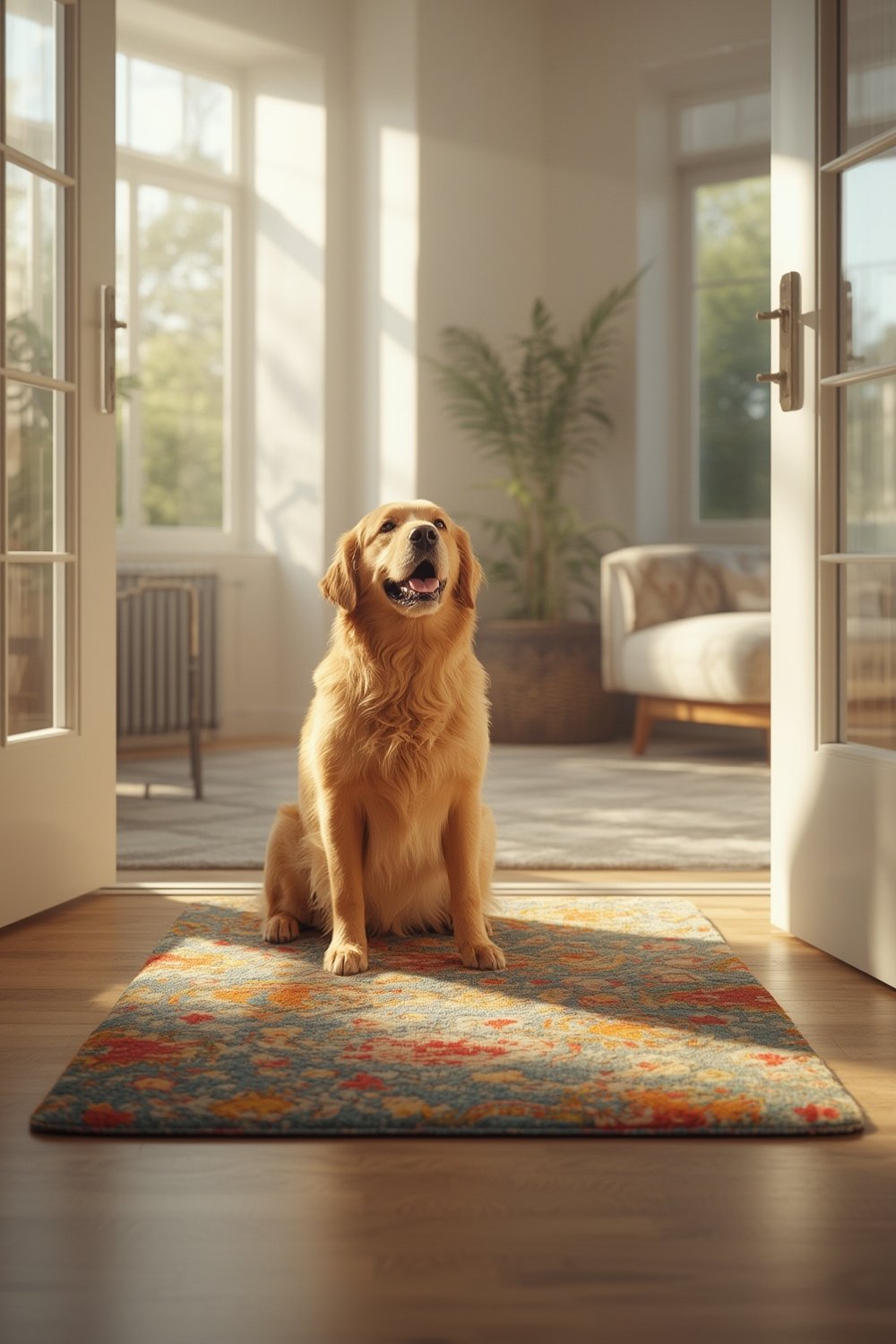
Manufacturers often claim that licking triggers endorphin release in dogs, promoting calmness. However, as of 2024, there is no strong scientific evidence that dog lick mats directly reduce anxiety or cause hormonal calming. According to veterinary sources, their strength lies in distraction—providing dogs with a task that shifts their focus away from stressors rather than biologically “soothing” them.
That said, using a lick mat is a practical way to keep your dog entertained and mentally engaged. They fit into the broader sphere of dog enrichment toys, which support healthy behavior and can help prevent boredom. Lick mats are especially helpful for dogs that get nervous during routine events like nail trims or being left alone for short periods.
The most recognized brand in this space is LickiMat®, which offers various textures and designs. However, keep in mind that most of the anxiety-reduction claims are based on anecdote and marketing, not proven science.
How to Use a Dog Lick Mat: Step-by-Step
Setting up and using a dog lick mat is quick, but there are several best practices to maximize safety and enrichment benefits:
- Choose the Right Mat: Select a lick mat made from food-grade, BPA-free silicone or TPR rubber. Avoid mats with sharp corners or loose parts.
- Pick Safe, Dog-Friendly Spreads: Use natural plain peanut butter (xylitol-free), plain yogurt, unsalted bone broth, dog-safe pumpkin puree, or supplement powders. These are easier to lick and generally well-tolerated. Avoid ingredients containing artificial sweeteners, grapes, onions, or garlic. Read more about safe ingredients here.
- Spread Thinly: Apply a thin, even layer of your chosen ingredient across the mat to make the treat last longer and reduce calorie intake per use.
- Secure the Mat: Place the mat on a flat surface or attach it to tiles/glass if it comes with suction cups. Never leave the mat unsupervised with a known “chewer.”
- Time the Use: Present the lick mat right before or during anxiety-inducing events (grooming, thunder, etc.). For enrichment, offer it as a puzzle during quiet time or crate rest.
- Supervise and Retrieve: Watch your dog during use. Remove the mat once the food is finished to prevent chewing, ingestion, or mat damage.
- Clean Thoroughly: Wash the mat promptly with warm water and mild soap, scrubbing all grooves and nooks. Some mats are dishwasher-safe.
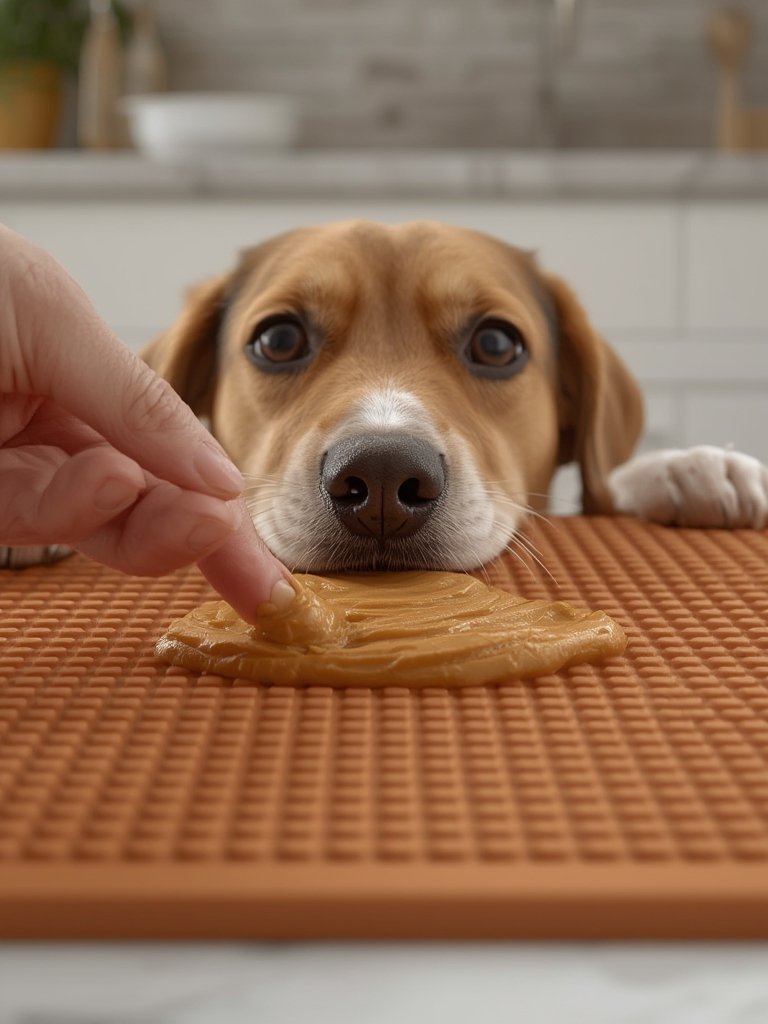
If you need to contain treats further, consider pairing your lick mat session with a dog puzzle feeder for added difficulty. For travel use, foldable mats can fit in bags for hotel stays, vet appointments, or car rides, especially when paired with a dog car seat booster for safety.
Lick mats also align well with broader efforts for canine enrichment and anxiety management. Use in combination with training, physical exercise, or even calming tools like a dog cooling vest during hot, stressful weather.
Advanced Analysis & Common Pitfalls
While dog lick mats are wildly popular and widely recommended, several nuanced issues have surfaced:
- Effectiveness for Anxiety: As of 2024, studies have not confirmed that licking mats directly reduce anxiety in dogs (source). Most calming effects are likely from distraction, not “hormone” release.
- Overuse and Frustration: Dogs that don’t finish or fully engage may become frustrated and develop undesirable behaviors. Overuse may also make the mat less exciting.
- Choking Hazard or Ingestion: Aggressive chewers may rip or ingest parts of the mat, leading to GI blockages that require surgery. Supervision is recommended for all use cases.
- Food Allergies & Weight Gain: Regular use with calorie-dense spreads can cause weight gain or dietary issues if not offset by portion control elsewhere.
- Hygiene Problems: Mats with deep crevices can trap bacteria if not cleaned immediately and thoroughly. Not all mats are truly dishwasher safe.
- Behavioral Dependence: Some dogs can become reliant on the mat as a coping skill, rather than developing more generalized resilience to stressors.
| Calming Tool | How it Works | Evidence Base (2024) | Main Risk |
|---|---|---|---|
| Dog Lick Mat | Distraction, enrichment; spreads encourage licking | Limited; mainly anecdotal or based on expert experience | Mat ingestion, hygiene |
| Anxiety Vest | Applies gentle, sustained pressure | Mixed; some studies show moderate effect | Overheating, discomfort |
| Calming Chews/Supplements | Provide calming ingredients (e.g., L-theanine, CBD) | Anecdotal, variable peer-reviewed evidence | Overdose, interactions |
| Adaptil/Feliway | Release analogues of natural pheromones | Limited, results vary by individual pet | None documented, but efficacy is debated |
| Dog Enrichment Toys | Puzzle toys and food-dispensers to occupy time | Consistent enrichment benefits, modest effect on anxiety | Destruction, ingestion of parts |
If your dog shows boredom or frustration, rotate with other dog enrichment toys, or even switch to a smart pet feeder for scheduled treat delivery.
Always monitor for mat wear-and-tear, allergic reactions, or digestive upset, and review your vet’s current advice on safe treat options, especially for puppies or dogs with special medical needs.
Conclusion
Dog lick mats deliver hands-on enrichment and a simple way to distract dogs in stressful or boring situations, but their direct effect on canine anxiety remains unproven in clinical studies. Focus on safe use, quality ingredients, and thoughtful supervision to make the most of this trending tool—and don’t put all your faith in the hype. For the best results, use your dog lick mat alongside other enrichment toys, training, and expert guidance rather than as your dog’s only solution.
Want more ways to boost your pet’s happiness? Explore our top guides to wireless GPS dog fences for outdoor safety, dog enrichment toys, and essential pet water fountains for healthy hydration.
Ready to try? Choose a high-quality lick mat, start slow, and unlock another dimension of enrichment for your canine companion today.
Frequently Asked Questions
Are dog lick mats scientifically proven to reduce anxiety?
No, current research does not confirm that dog lick mats directly reduce anxiety through hormonal changes. Their calming effects are largely due to distraction, not true anxiety relief. For more information, see veterinary guidance here.
What ingredients are safest to use on a dog lick mat?
Safe choices include plain peanut butter (no xylitol), natural yogurt, bone broth, dog-safe pumpkin puree, and approved supplements. Avoid any foods with artificial sweeteners, grapes, raisins, or onions. Get ingredient tips here.
How often should I use a lick mat?
Use a lick mat several times per week for enrichment or to distract during stressful events. Don’t overuse, as this may reduce its effectiveness or lead to weight gain if not balanced with your dog’s overall diet.
Can my dog chew or swallow the lick mat?
Yes, some dogs—especially strong chewers—may try to chew or eat the mat. Always supervise during use and remove the mat as soon as the treat is finished to prevent ingestion.
What are alternatives if my dog doesn’t like a lick mat?
Try other dog enrichment toys, puzzle feeders, or calming vests. You can read about options like dog puzzle feeders or cooling vests for further enrichment and stress relief.