
Dog enrichment toys are transforming how dog owners support their pet’s mental health, but not all toys are equally effective. Today’s research reveals surprising truths about which enrichment strategies really benefit dogs and what pitfalls owners should watch out for.
Key Takeaways
- Recent studies show not all enrichment toys deliver the same mental health benefits—social and active play outperforms pure food-based toys for relaxation and stress reduction.
- Dog enrichment toys focusing on “searching” and interactive engagement are more effective than those centered on simple treat delivery.
- Despite popularity, there are few innovations and limited transparency about safety or durability features in the enrichment toy market as of 2024.
- What Are Dog Enrichment Toys and Why Do They Matter?
- How to Use Dog Enrichment Toys: A Practical Guide
- Advanced Analysis & Common Pitfalls
- Conclusion
- Frequently Asked Questions
What Are Dog Enrichment Toys and Why Do They Matter?
Dog enrichment toys are interactive objects or puzzles designed to stimulate a dog’s brain, challenge their problem-solving abilities, and give them opportunities for independent play. At their best, these toys address natural canine behaviors like searching, sniffing, chewing, and chasing—providing mental exercise and relieving boredom that leads to problem behaviors.
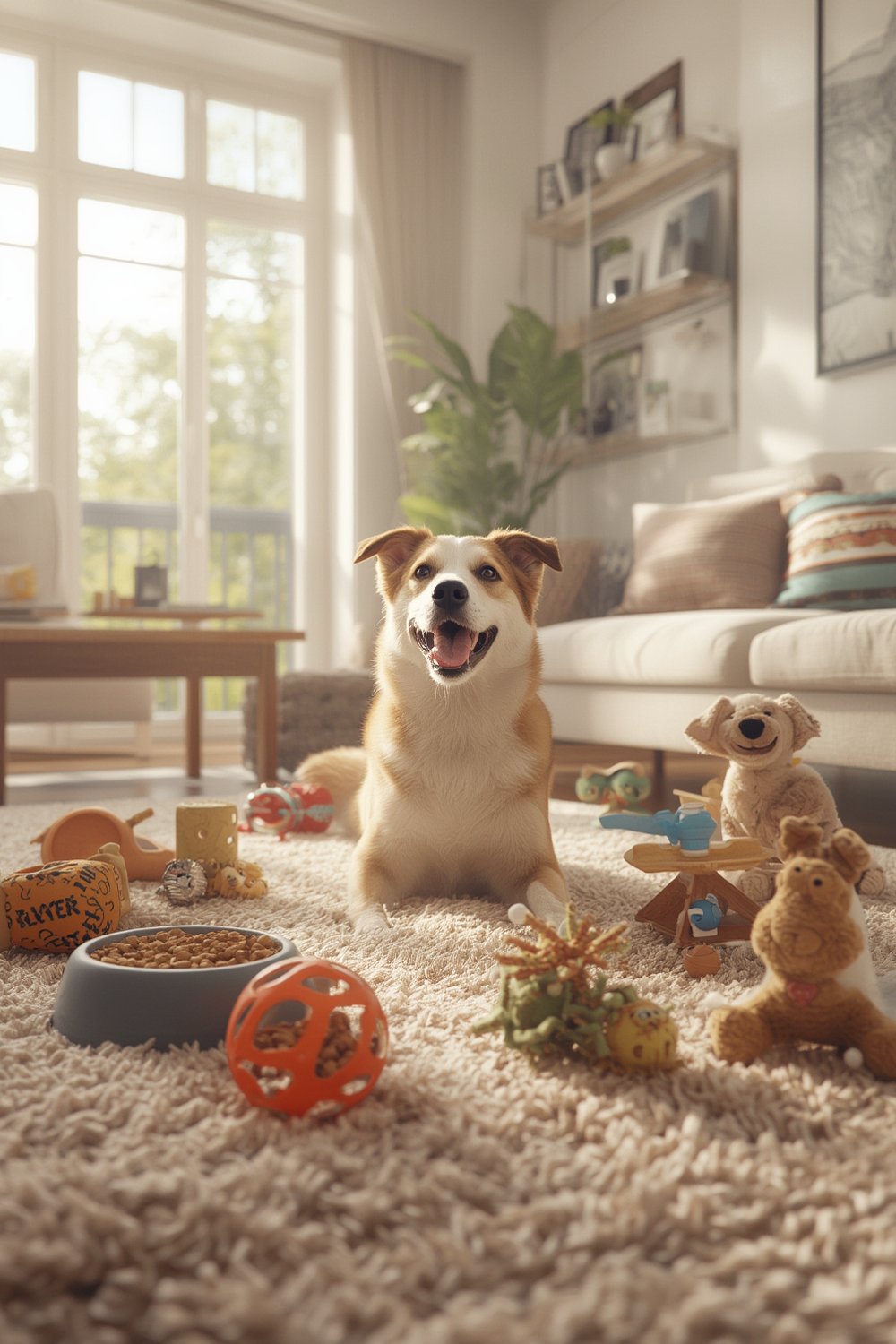
Modern science supports the need for enrichment. Studies between 2022 and 2024 show interactive play and social enrichment activities (like playing with humans or other dogs) reduce alerting and stress behaviors in dogs better than food-based puzzle toys alone. Enrichment should not only satisfy a dog’s “liking” (eating or getting treats), but also their “wanting”—the urge to search, chase, and think. This shift is critical: toys focused solely on treat-dispensing might not deliver the mental benefits owners assume. For a fuller breakdown of the science, see the latest research review.
Integrating high-quality enrichment toys, especially those demanding problem-solving or offering varying textures, can curb boredom-related habits like barking and destructive chewing. Quality matters: durable, challenging toys paired with social or active games create the highest impact environment for canine mental health.
For more context on why enrichment works, read our guide on best dog puzzle games for mental stimulation and see what behaviors enrichment is proven to change.
How to Use Dog Enrichment Toys: A Practical Guide
Bringing out the best in your dog with enrichment toys isn’t just about tossing them a treat-delivering toys. Here’s how to create a truly enriching experience—step by step:
- Choose toys that fit your dog’s play style. For problem-solvers, try food puzzles requiring multiple steps. For active or social dogs, include rope toys or toys that encourage joint play with you or other dogs. See our guide on choosing toys by temperament for more help.
- Build up difficulty. Start easy. If a puzzle is too challenging, your dog may lose interest or get frustrated. Add complexity only as they master basics.
- Supervise at first. Always watch your dog with a new toy. Some enrichment toys contain small parts or can become chew hazards. Once safe, allow for some unsupervised play.
- Combine food with activity. Mix treat-delivering toys with fetch, tug, or scent-based games. Social enrichment is proven more effective than solitary chewing or licking.
- Establish a routine. Dogs thrive on predictability. Set specific “enrichment times” each day when you introduce new toys, play, or puzzles.
- Monitor your dog’s response. Take note of which toys hold their interest and which collect dust. Adapt your strategy if your dog seems bored or overexcited.

Remember to avoid over-reliance on food-based toys alone. Research in recent studies found that social or active enrichment sessions—such as playtime or “play stations”—produce bigger improvements in relaxation than stuffed or puzzle-based food toys. For additional ideas, check out our favorite indoor enrichment activities.
Lastly, track your dog’s behavior changes over time. Reduced boredom behaviors and calmer demeanor during alone time are strong signs your enrichment plan is working. If not, tweak your play routine or toy selection for better results.
Advanced Analysis & Common Pitfalls
Even well-intentioned enrichment plans can fall short when not based on current science or your dog’s needs. Here’s what the latest research highlights—and what many guides miss.
- Food toys are good, but rarely enough alone. Scientific studies from 2022–2024 consistently show interactive, social, or active games (like chase or tug) outperform even the best food-delivery toys for relaxation and stress relief (source).
- Ignore the “one-size-fits-all” hype. Most top sellers, such as Kongs and basic chew toys, are great for treat delivery but lack features proven to create sustained engagement or address a variety of behavioral needs. If your dog gets bored of a toy quickly, switch strategy rather than assuming more treats is the answer. See more in our interactive dog toys for boredom guide.
- Durability and safety data are missing. Consumer reviews and scientific papers fail to document which designs last or are safest for chewers. If your dog is a “destroyer,” opt for tougher toys and check for recalls or breakage often.
- Lack of novelty creates habit, then boredom. Dogs need novelty. Always rotate toys and introduce new textures, noises, or patterns of use.
- High user cost is not always high value. New “innovative” enrichment toys often cost more but do not guarantee durability or more benefit—no 2024 data shows a clear cost-satisfaction relationship.
- Missing appetite vs. effort balance. Toys that only reward easy eating may reinforce lazy or compulsive licking. Toys incorporating multiple steps or combining searching, chewing, and pulling (the “wanting” behaviors) are more effective according to recent analysis.
| Feature | Simple Food Toy | Puzzle/Interactive Toy | Social/Active Enrichment |
|---|---|---|---|
| Mental Engagement | Low | Moderate–High | High |
| Reduces Boredom | Temporary | Longer | Longest |
| Risk of Overuse | Medium (Compulsive Licking) | Low–Medium | Low |
| Encourages Social Bond | No | Sometimes | Yes |
Another often overlooked issue is “toy addiction”—Swiss research in 2025 found dogs can develop compulsive play behaviors, acting out similarly to how humans can be addicted to gambling. Moderation and rotation are essential. For a deeper dive, check our resource on can dogs get obsessed with toys?.
In short, successful enrichment requires variety, supervision, and adaptation over time. If you want more tips on safe, durable products, our best safe dog toys roundup is regularly updated with owner-tested picks.
Conclusion
Dog owners seeking real mental and behavioral health results should look beyond basic treat toys and focus on variety, novelty, and socially interactive enrichment. Modern research is clear: the most effective dog enrichment toys are those that challenge your dog’s brain, encourage active searching, and bring you into the game. Now is the time to rethink your approach—swap out the old food puzzle, introduce a new challenge, and watch your dog thrive. For more on selecting the best dog enrichment toys for your pet’s needs, explore our in-depth guides, or try a new enrichment idea today.
If you found this guide helpful, subscribe to our newsletter for more actionable enrichment strategies and product reviews.
Frequently Asked Questions
What are the best enrichment toys for dogs who get bored easily?
Toys that emphasize problem-solving and searching—like treat puzzles requiring several steps, or interactive toys you move around the house—are best for dogs prone to boredom. Rotate toys and include items that promote play between owner and dog for the highest impact.
Are food-dispensing toys enough to keep my dog mentally healthy?
No. Research from 2022–2024 shows food-based toys offer some benefits, but social and active play with humans or other dogs leads to greater relaxation and lasting behavioral improvements.
How can I safely introduce new enrichment toys to my dog?
Start by supervising your dog with each new toy. Look for signs of frustration, excessive chewing, or breakage. Remove any broken toys and rotate regularly to maintain novelty and safety.
Do expensive enrichment toys last longer or work better?
Not always. As of 2024, there’s little evidence higher-cost toys are more durable or effective. Choose toys with positive reviews for durability and vary the type of enrichment offered.
Can dogs become addicted to interactive toys?
Yes. A 2025 Swiss study showed dogs can develop compulsive play patterns with certain toys. Always moderate play sessions and switch up toy types to prevent problematic behaviors.