

Dog cooling vest products are a fast-growing solution for pet owners battling the dangers of heatstroke, but real-world effectiveness, limitations, and best practices remain murky. Here’s what every informed dog owner needs to know before buying, using, or trusting even the best-reviewed canine cooling vests.
Key Takeaways
- Heatstroke remains a critical summer risk for dogs—recent surges show a fivefold increase during UK heatwaves, with up to a quarter fatal.
- No peer-reviewed studies confirm that dog cooling vests alone prevent heatstroke; best results come from combining vests with smart routines and supervision.
- Choosing the right vest for your dog’s breed, lifestyle, and climate—and using it properly—are essential for safety and results.
- The Core Concept: What Is a Dog Cooling Vest and Why Use One?
- Step-by-Step Guide: How to Use a Dog Cooling Vest Safely
- Advanced Analysis & Common Pitfalls
- Conclusion
- FAQ
The Core Concept: What Is a Dog Cooling Vest and Why Use One?
Dog cooling vests are wearable garments for dogs, designed to help lower their core temperature and prevent heat-related illness during hot days or exercise sessions. Using evaporative cooling (soak-and-wring types), phase-change gels, or breathable layering systems, these vests aim to keep a dog’s body cooler than ambient air—especially when shade, rest, or water breaks aren’t enough.
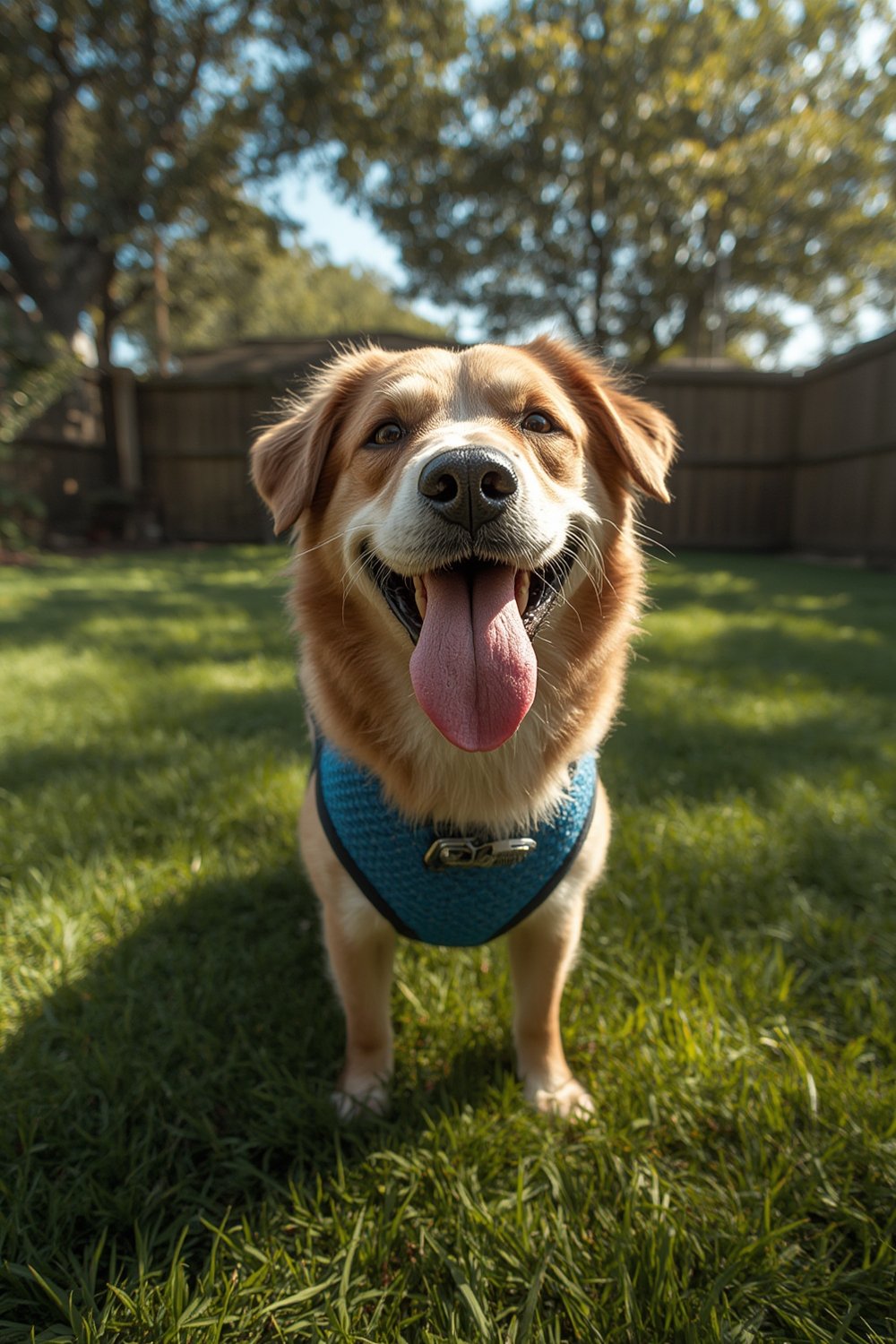
The risk is real. Veterinary records in the UK showed a fivefold jump in dog heatstroke cases during the 2022 summer heatwave, with one out of four affected dogs dying. In the US, heatstroke vet claims rose 78 percent during peak months. This surge is fueled not just by rising temps, but also by routine activities: walks in the midday sun, car journeys, and play sessions when dogs are unaccustomed to the heat.
Despite the marketing claims, there is not yet scientific consensus—or large scale laboratory trials—proving that any single cooling vest will reliably prevent heatstroke. While dogs wearing these vests show anecdotal signs of comfort and lower surface temperatures, experts like the RSPCA and the Royal Veterinary College instead urge owners to focus on a mix of prevention, planning, and active cooling methods.
Relying solely on gear is risky, but used wisely as part of a broader heat management strategy, dog cooling vests can be a practical tool for summer adventures.
Step-by-Step Guide: How to Use a Dog Cooling Vest Safely
Here’s exactly how to select, use, and maintain a dog cooling vest for best results and safety:
- Select the Proper Vest Design.
- Evaporative vests (soak and wring out) suit most climates but need extra water at intervals.
- phase-change gel vests (require freezing/refrigeration) give longer-lasting cooling, ideal for humid or very hot regions.
- Look for adjustable straps and multiple size options.
- Breeds with deep chests or unusual proportions may need breed-specific models.
- If available, check real-user reviews for feedback on fit and ease of use.
- Prepare and Apply the Vest Correctly.
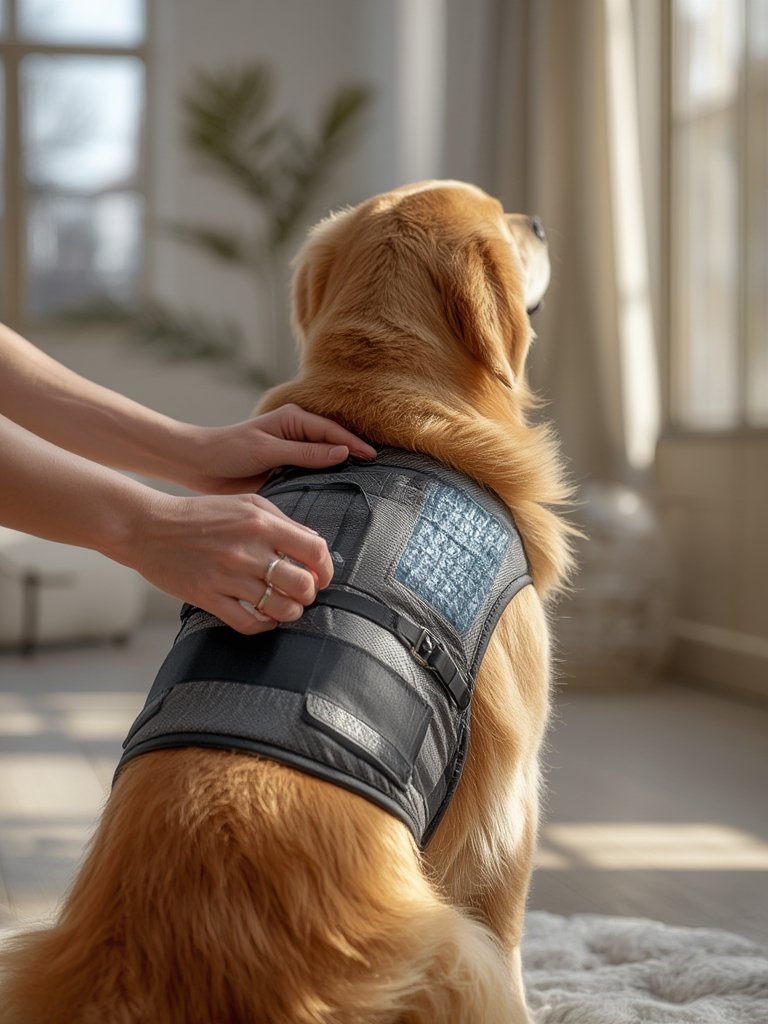
- For soak-style vests, submerge fully in cold water, then wring until damp, not dripping.
- Place snugly on your dog, making sure no part rubs or pinches.
- Keep the vest away from your dog’s airway, especially for short-nosed (brachycephalic) breeds.
- Monitor Your Dog’s Comfort and Behavior.
- Check your dog frequently for signs of stress: heavy panting, confusion, red gums, or refusal to move.
- Remove or re-wet the vest if it dries out or seems to trap heat during ultra-humid weather.
- Never leave your dog unattended with a cooling vest—in the rare event of overheating, allergic reaction, or discomfort, intervene immediately.
- Integrate Other Cooling Strategies.
- Always offer access to fresh, cool water and shade. For extra peace of mind, a quiet pet water fountain keeps hydration steady even during play.
- Avoid peak sun hours (11am–4pm) for outdoor adventures. Plan early mornings or post-dusk outings, as vets recommend.
- For fenced yards, consider a wireless GPS dog fence to keep dogs safely contained and away from sun-baked zones.
- Maintain and Store the Vest Properly.
- Follow cleaning instructions—some models must be air-dried only or require gentle washing.
- Inspect for tears, mold, or hardening between uses. Discard if the vest degrades, as compromised materials can irritate your dog’s skin.
- A high-quality vest should last 1–2 years with normal seasonal use; check your warranty terms at check-out.
If your dog is unmotivated by gear, make cooling time more fun by pairing with dog enrichment toys under shade. Or, combine with a smart pet feeder to avoid post-exercise exhaustion from running for meals in the heat.
Advanced Analysis & Common Pitfalls
While dog cooling vests sound simple, they pose real-world challenges that new buyers rarely expect:
- No cooling vest replaces supervision or smart heat strategies—never walk or exercise during midday heat, even if your dog seems comfortable in a vest.
- Fit issues are rampant: too tight and your dog overheats; too loose and cooling is ineffective. Breeds with thick fur or unique body shapes may require creative sizing or breed-specific designs.
- Vests don’t cool indefinitely. Most lose effectiveness after 20–60 minutes (evaporative) or about 2 hours (phase-change gel), especially during intense activity.
- Some materials may cause chafing, rashes, or allergies, especially if left wet on the skin for hours or not cleaned properly.
| Cooling Vest Type | How It Works | Best For | Pros | Cons |
|---|---|---|---|---|
| Evaporative (Soak-And-Wring) | Water releases as vapor, drawing heat away from your dog | Dry to moderately humid climates, moderate activity | Lightweight; easy to reactivate; inexpensive | Not effective in high humidity; needs frequent re-wetting |
| Gel or Phase-Change | Refrigerated/frozen gel maintains a cool temp for 1–2 hours | Hot/humid climates, long outdoor sessions | Longer cooling period; no need for repeated soaking | Heavier; may be uncomfortable for small dogs; needs advance prepping |
| Reflective/Breathable Fabrics Only | Block sunlight and allow airflow without active cooling | Brief outings or as supplemental gear | Super light; easy to use; no maintenance | Minimal temperature reduction; not a true cooling system |
Pet owners often overlook gear maintenance. Mold, mineral buildup (from hard water), or unwashed hair can reduce cooling function and trigger skin issues. Check and clean your vest carefully. If you deal with a serious shedding problem, try a pet hair remover tool before each use to prevent buildup.
Heatstroke risk isn’t uniform, either. Older, overweight, large, double-coated, or flat-faced dogs are especially vulnerable. For French Bulldogs, Pugs, Newfoundlands, and similar breeds, take double precautions—never rely on the vest alone.
Conclusion
The evidence is clear: dog cooling vests are a practical aid but not a cure-all for summer heat risks. Spiking heatstroke stats and a lack of independent lab data mean owners must use caution. Take time to fit and maintain the vest, combine it with other cooling strategies, and never skip hydration or shade. If you’re ready to help your dog stay safe and comfortable, shop for the right dog cooling vest—and always keep a watchful eye while exploring the great outdoors.
Ready to try? Compare top-rated vests, measure your pup carefully, and invest in year-round comfort and safety for your best friend.
FAQ
Do dog cooling vests actually prevent heatstroke?
Dog cooling vests can help reduce overheating but cannot guarantee prevention of heatstroke. There are no large-scale scientific tests proving full-effectiveness. Always supervise your dog and use a combination of cooling methods including water and shade.
How long does a dog cooling vest stay cold?
Evaporative vests typically stay cool for 20 to 60 minutes depending on weather and activity. Gel-based vests last closer to 1 to 2 hours if properly frozen. You’ll need to re-wet or refreeze the vest during long outings.
Will a cooling vest fit my dog’s breed?
Fit varies by brand and dog shape. Deep-chested, short-nosed, or toy breeds often require special sizes or adjustments. Always measure your dog’s chest, neck, and length before purchase, and check for breed-specific model recommendations.
Can I leave the cooling vest on my dog all day?
No, you should not leave any cooling vest on your dog unsupervised or for extended periods. Prolonged use can cause chafing, skin irritation, or—even worse—overheating if the vest dries out or becomes too warm.
How do I clean and store a dog cooling vest?
Follow manufacturer instructions. Some require gentle hand washing and air drying. Check regularly for mold, odors, hard spots, or frayed seams. Store vests clean, fully dry, and out of direct sunlight when not in use.