

Dog car seat booster is a must-have for pet owners who want to keep their dogs safe and comfortable on every drive. But not all boosters deliver the same level of security or comfort for your pup—or your car. In this guide, you’ll get a clear, no-nonsense breakdown of what works, what doesn’t, and how to choose the safest dog car seat booster for real world use.
Key Takeaways
- Hard-shell CPS-certified dog car seat boosters are safest for small to medium dogs but require proper installation and may not fit all cars.
- Poorly chosen or incorrectly installed boosters can slide, interfere with airbags, or make dogs sick during long rides—always match design and fit to your vehicle and pet.
- Legal requirements for dog car seat boosters vary widely and are rarely enforced, making independent safety certification your best guide.
- What Is a Dog Car Seat Booster and Why Use One?
- Step-by-Step Guide: Choosing and Installing Your Dog Car Seat Booster
- Advanced Analysis & Common Pitfalls
- Conclusion
- FAQ
What Is a Dog Car Seat Booster and Why Use One?
A dog car seat booster is an elevated, secured pet seat designed to keep dogs under 30 lbs safely restrained and comfortable during car travel. Unlike basic seat protectors, boosters keep your dog at window-height for a better view, help restrict movement to reduce distraction, and—if well-designed—protect your pup in sudden stops or impacts.
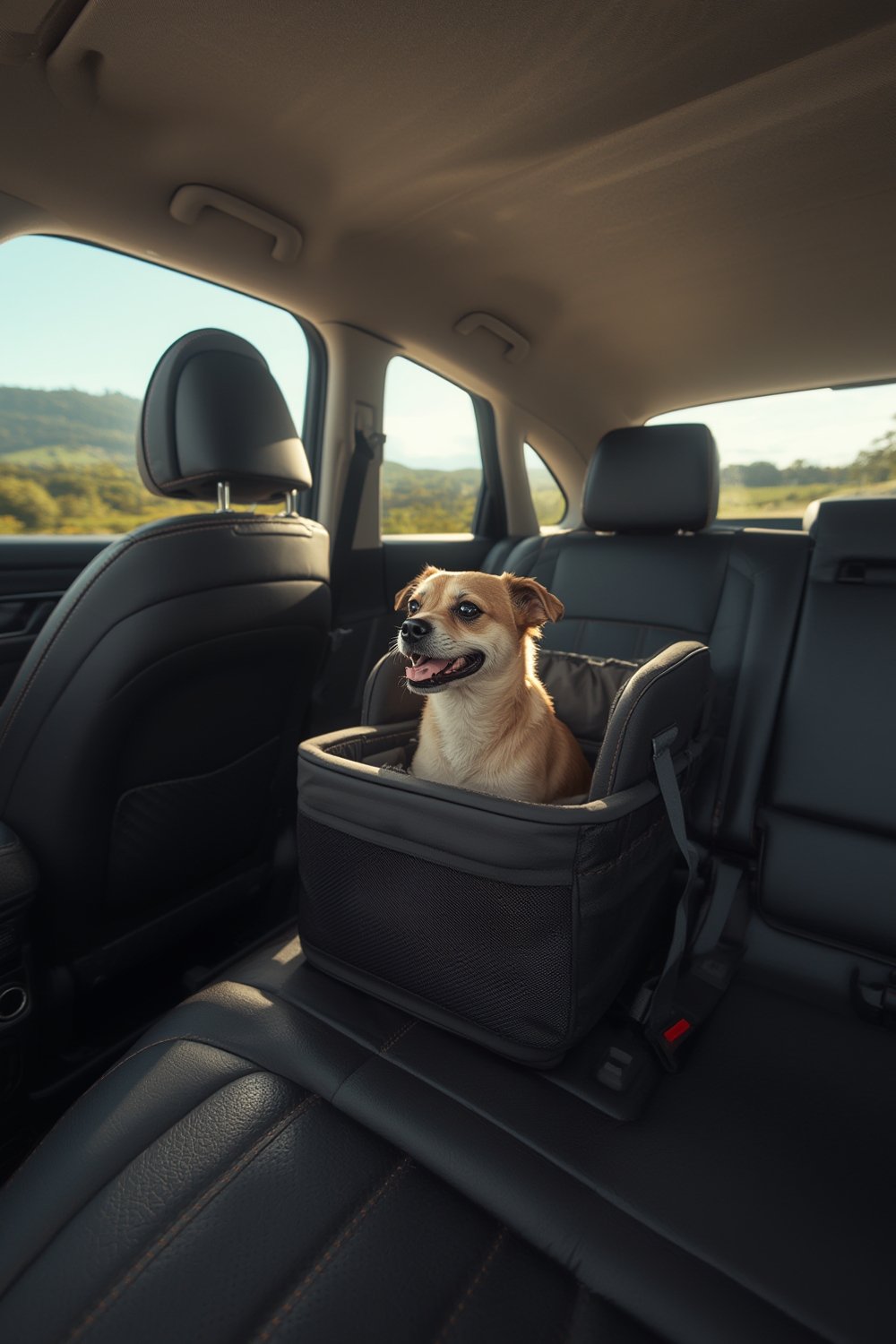
Safety is the primary reason to use one. While actual pet injury stats in crashes are not published by the NHTSA or veterinary groups, independent entities like the Center for Pet Safety (CPS) set performance standards. These certified boosters undergo stress, crash, and fit testing, ensuring structural integrity and no dangerous tethers.
Most boosters are best suited for small to medium dogs up to 30 lbs. Large breeds or pups over 40 lbs should instead travel in crash-tested crates for maximum protection.
Besides safety, boosters can reduce backseat mess and give anxious dogs a better view, helping some relax during travel. But a booster only works if it’s the right type for your pet, car, and travel habits.
Step-by-Step Guide: Choosing and Installing Your Dog Car Seat Booster
- Check Your Dog’s Weight and Size
Determine if your dog is under 30 lbs. Weigh and measure your dog for width, length, and seated height. Review each booster seat’s size chart—avoid any model that claims “universal fit” without detailed specs. - Check Car Compatibility
Inspect your backseat for LATCH anchors or standard seatbelt slots. Some boosters are too bulky for smaller or older cars, or may block rear camera visibility in hatchbacks. - Select Safety-Certified Models
Always prioritize CPS-certified or FMVSS 213-tested boosters. Hard-shell plastic models with padded interiors consistently outperform hanging or “bucket” types in structural safety (source). - Avoid Red Flags
Do not purchase boosters relying solely on suction cups/headrest straps, with no harness tether, or with included extension tethers. These are categorically unsafe and rejected from CPS testing (source). - Install Properly
Read the instructions carefully. Thread the car’s seatbelt or LATCH system through all anchor points. Builders that require extra tools or unclear setups risk leaving the seat loose or misaligned, especially in older or luxury vehicles. - Secure Your Dog’s Harness
Always use a chest-style or full-body walking harness—not a collar. Attach the harness to the internal tether (if included), never directly to the car seat. - Monitor First Rides
Plan a short, low-speed test drive. Watch for sliding, pet anxiety, or instability. Add non-slip mat pads under the booster if it shifts, especially on leather seats.
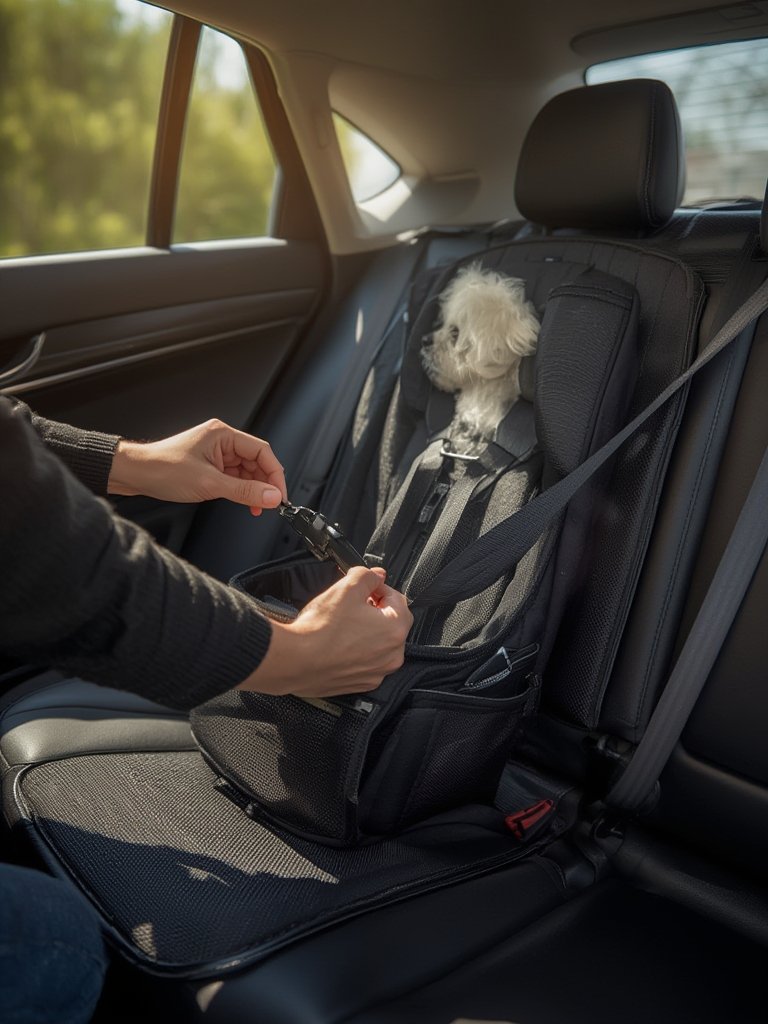
For seasonal travel, choose models with breathable mesh panels to prevent overheating, and removable, machine-washable fabric that dries quickly. In winter, add a washable fleece insert for warmth—never use thick bedding that may interfere with harness function.
If you routinely drive with multiple pets, look for convertible seat/barrier combos with adjustable dividers, or choose two separate boosters designed for side-by-side use. For even more flexibility, some boosters double as home pet beds or travel carriers—check for sturdy bases and easy installation features.
Boosters aren’t just for cars, either. Some convertible models can serve as secure resting spots when visiting friends or vet clinics, helping anxious dogs feel safer away from home. Still, always check the seat for structural damage after any accident—crashed boosters should be replaced immediately. Ask your insurer whether pet restraints are reimbursable, especially after a claim.
- More travel hacks: If your dog is prone to carsickness, look for extra-stable, low-profile models. Supplement with pre-drive calmers or consult your veterinarian if sickness continues.
- For road trips, plan regular stops to stretch and hydrate—portable water fountains for pets (guide here) can help keep your dog comfortable on the go.
Advanced Analysis & Common Pitfalls
Many dog car seat booster problems stem from poor fit, unclear instructions, or unrealistic expectations. Below is a detailed comparison of booster types, risks, and best-use scenarios.
| Booster Type | Safety Rating | Common Problems | Ideal For | Red Flags |
|---|---|---|---|---|
| Hard-Shell Plastic (CPS-certified) |
High | Bulky, may not fit small cars; higher price | Small/medium dogs; frequent travelers; safety-first buyers | No harness tether; extension tethers; no documented testing |
| Convertible Barrier/Seat Combo | Moderate | Heavy; limited crash testing; takes up backseat width | Growing pups, multi-dog families, hatchbacks | Claims “universal fit”; poor instructions |
| Hanging Style | Low | Slides easily; not crash tested; blocks cameras | Short trips; visibility for calm small dogs | Suction cups/headrest-only; flimsy zippers |
User complaints most often relate to models sliding on slick seats, unclear attachment instructions, and booster seats blocking rear camera views in smaller vehicles (source).
Machine-washable liners are universally praised, but beware of flimsy zippers and liners that shrink after repeated cleaning. For durability, choose boosters with reinforced seams.
Most legal regulations in the US, UK, and EU do not require dog car seats, so certification (like CPS) is your best independent safety proof. Avoid products with no crash test data or extension tethers: they are marked “categorically unsafe” by safety testers (source).
Pricing varies: Hanging models are about $50, while convertible and hard-shell boosters are between $100–$120. However, higher price doesn’t guarantee better safety—a $110 seat with no independent testing can be less safe than a $60 properly-installed, CPS-certified booster.
If your car has premium or delicate upholstery, test any new booster for color transfer and sliding. An extra layer (like a pet friendly sofa fabric protector) can help shield your seats from scratches and fur.
Major knowledge gaps persist in booster reviews—very few address car sickness prevention on long drives, age/developmental guidelines (puppies versus adults), or real-world harness effectiveness in minor crashes or sudden stops. For motion-sensitive dogs, a low-profile, stable base is preferable to high-riding “bucket” models (source).
Conclusion
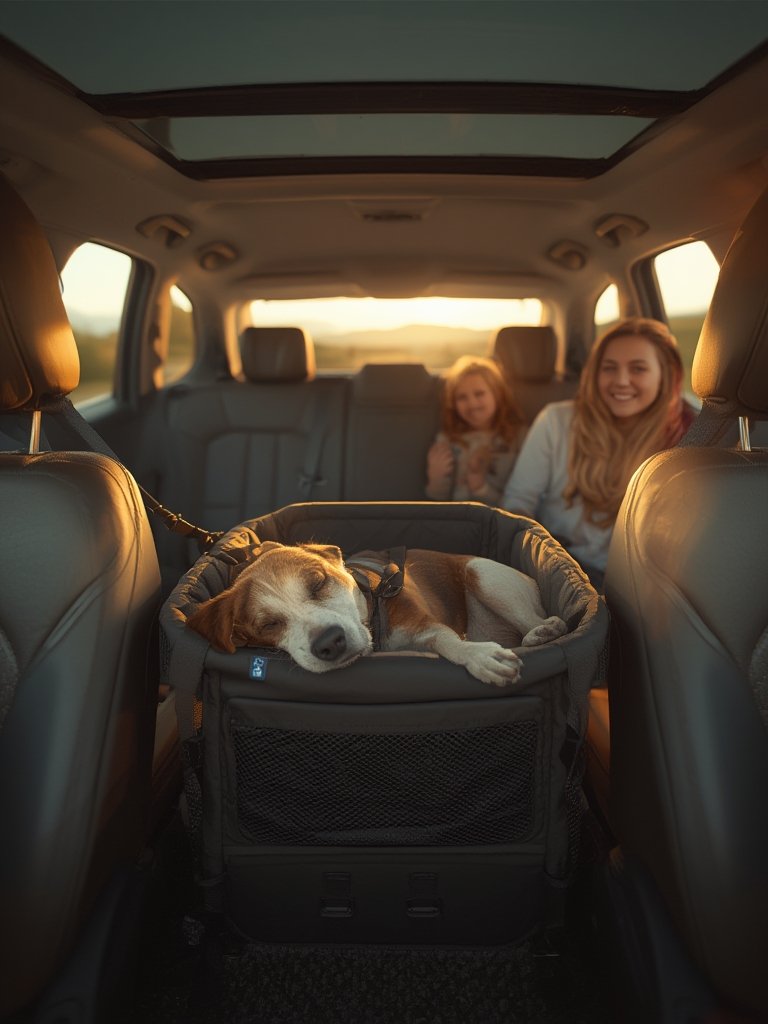
Choosing the right dog car seat booster is about matching your dog’s weight and temperament, your car’s design, and your safety expectations. Go for CPS-certified hard-shell boosters for the best crash protection. Avoid shortcuts or non-tested seats: instability, sliding, and poor installation are the most common real-world risks.
For the safest, cleanest, and most enjoyable rides, invest time in setup, rotate comfort accessories seasonally, and replace any booster after an accident. Keep your dog car seat booster in top shape—your dog’s comfort and safety are always worth it.
Ready to upgrade your dog’s travel experience? Shop smarter and put your dog’s safety first.
FAQ
What size dog car seat booster should I buy?
Choose a booster that specifically matches your dog’s weight and measurements. Most fit dogs between 10 and 30 lbs. Always consult manufacturer size charts to avoid “universal fit” claims that may not hold true.
Can I use a booster seat for two dogs?
Some convertible barrier/seat boosters are designed for multi-pet travel, but always check weight ratings and never overload. For very active or large dogs, use separate boosters or a crate.
Is a CPS certification necessary?
While not legally mandatory, Center for Pet Safety certification is the leading independent safety verification. Always look for CPS or FMVSS 213 tested boosters—avoid models with extension tethers or no published crash data.
Are there boosters suitable for puppies?
Puppies can use boosters if they fit weight/size minimums and are harness-trained. As your dog grows beyond 30-40 lbs, switch to a crash-tested crate for travel safety.
How do I prevent my booster from sliding on leather seats?
Add a non-slip mat or cut-to-fit shelf liner under the booster, especially on leather or heated seats. Some boosters include built-in grip pads, but DIY options work well and are cost-effective.

[…] mats can fit in bags for hotel stays, vet appointments, or car rides, especially when paired with a dog car seat booster for […]