

### Blog Post:
A dog anxiety vest thunder shirt is widely used by pet owners to help calm dogs during stressful situations like thunderstorms, fireworks, travel, or separation anxiety. Many veterinarians and trainers recommend using a dog anxiety vest thunder shirt as part of a broader anxiety-management plan.
But how effective is a dog anxiety vest thunder shirt in real-world situations, and what should dog owners know before trying one? This guide explores how a dog anxiety vest thunder shirt works, what the science says, and how to maximize its calming benefits.
Key Takeaways
- Recent studies find only weak scientific evidence for dog anxiety vests, but many dog owners report anecdotal improvements.
- Fit, material, and consistent gentle pressure are critical for effectiveness—poorly designed vests can cause discomfort.
- There are no known long-term safety risks, but more clinical trials are needed to confirm benefits and side effects.
- Understanding Dog Anxiety Vests and Thunder Shirts
- How to Safely Use a Dog Anxiety Vest (Thunder Shirt): Step-by-Step
- Advanced Analysis: What Actually Works, and Common Pitfalls
- Conclusion
- FAQ
Understanding Dog Anxiety Vests and Thunder Shirts
A dog anxiety vest thunder shirt is a snug-fitting wrap designed to apply gentle, consistent pressure to a dog’s torso. Many pet owners use a dog anxiety vest thunder shirt to create a calming “hug-like” sensation that helps reduce stress during noisy or overwhelming situations.
Dog anxiety vests—commonly called thunder shirts—are often recommended for dogs experiencing anxiety triggered by:
thunderstorms
- thunderstorms
- fireworks
- travel
- vet visits
- separation from owners
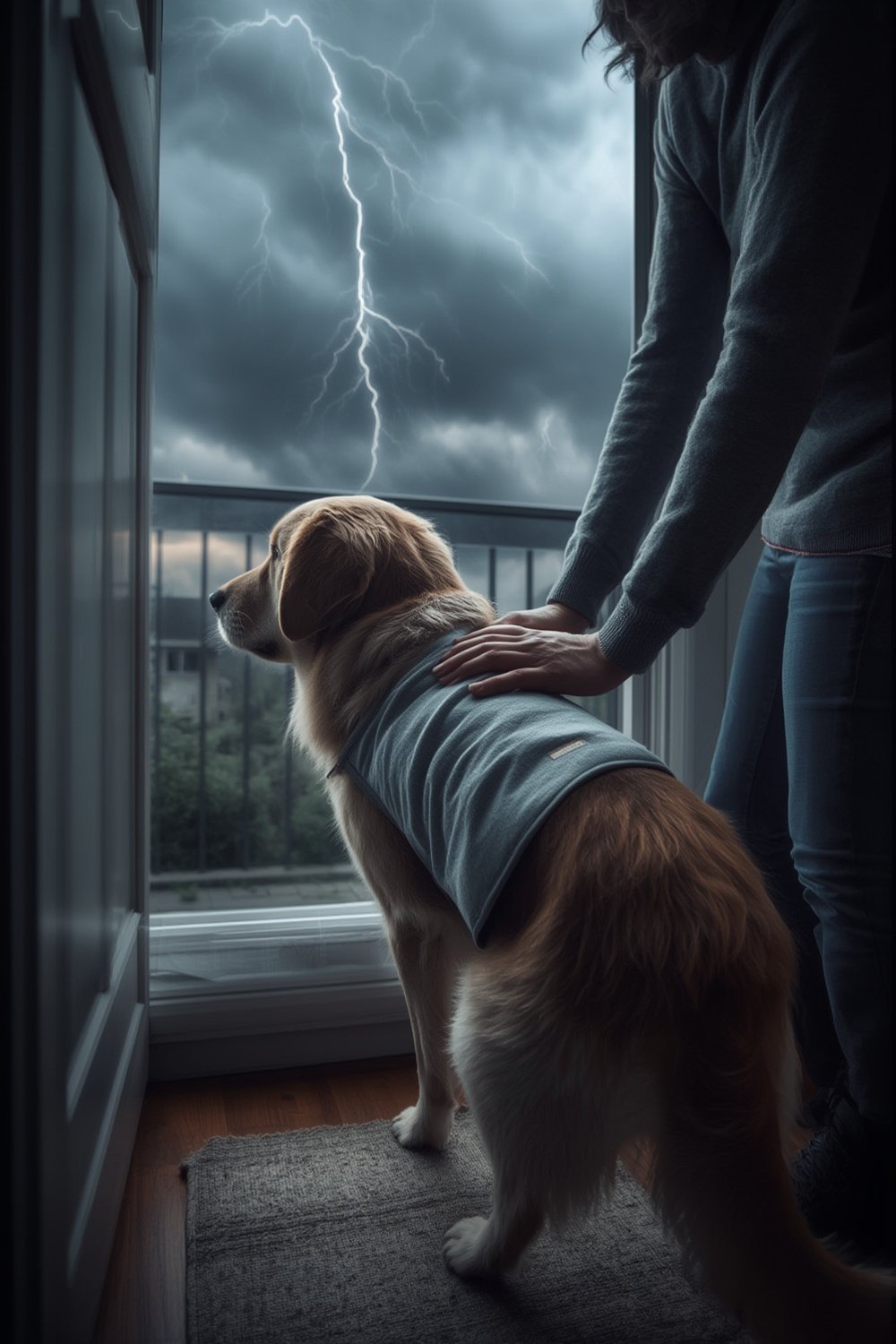
The principle behind a dog anxiety vest thunder shirt is similar to the calming effect of swaddling infants or weighted blankets used by people with anxiety.
Recent systematic reviews and early clinical trials suggest that a dog anxiety vest thunder shirt may reduce physical stress responses in some dogs. For example, a 2025 preliminary trial found that these garments may decrease sympathetic arousal while increasing parasympathetic calm responses in anxious dogs.
However, experts caution that evidence is still limited. Large-scale randomized studies testing dog anxiety vest thunder shirt effectiveness in everyday home environments are still lacking.
Most thunder shirt models use stretchy, breathable fabrics with Velcro or hook-and-loop fasteners to ensure an adjustable fit. Higher-end versions introduce features like cooling fabric, hidden pockets for pheromone scents, or lightweight mesh for hot weather. To learn how supportive equipment is trending for pets, see guides like our dog cooling vest guide and wireless GPS dog fence comparison.
How to Safely Use a Dog Anxiety Vest (Thunder Shirt): Step-by-Step
Follow this structured approach for best results and your dog’s comfort:
- Choose the Right Size
Accurately measure your dog’s chest girth. Most brands offer sizing charts. If in doubt, size up rather than down to avoid excessive tightness, but ensure the vest is snug enough to provide gentle pressure. - Inspect the Material
Opt for breathable, soft, and stretchy fabrics. Poor material choices can cause chafing or overheating, especially in warm weather. See innovations like mesh and cooling vests (dog cooling solutions). - Practice Initial Fittings
Allow your dog to sniff the vest, and slowly introduce it by placing it loosely, then gradually adjusting the fit. Reward calm behavior at every step. - Secure for Gentle Compression
The vest should be tight but not restrictive. You should easily slide two fingers under the wrap. Avoid over-tightening, which can hinder breathing or movement. - Time the Application
Put the vest on 20–30 minutes before a storm or fireworks. Do not leave it on for more than 12 hours at a stretch unless directed by your veterinarian. - Monitor for Signs of Discomfort
Check your dog for excessive panting, redness, or reluctance to move. Discontinue use immediately if any problems occur. - Combine with Enrichment
Use toys such as dog puzzle toys and safe hiding spots during noisy events. This can distract and further calm your dog. - Wash the Vest Regularly
Clean according to manufacturer instructions to avoid odor buildup and skin issues.
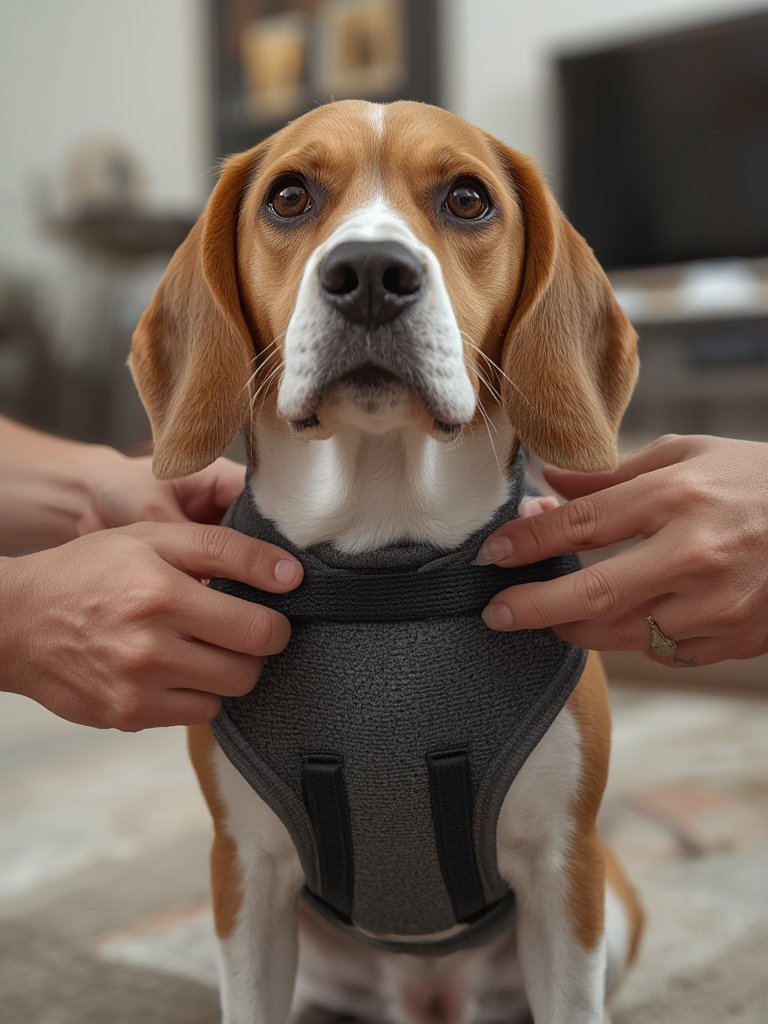
Getting real-life results depends almost entirely on fit, pressure consistency, fabric, and your willingness to observe and adjust. Owners of dogs with special needs or size extremes may need to look for customizable options. Premium models often use features like pheromone pockets or extra breathability, which have gained traction based on market reviews (full market analysis).
If your dog is especially fearful, consider pairing a vest with enrichment feeders (see our dog puzzle feeder guide) or a safe, enclosed space. For apartment dwellers and those looking for further stress management tools, products like a pet water fountain can encourage hydration and provide comfort.
Advanced Analysis: What Actually Works, and Common Pitfalls
Recent scientific findings reveal several key issues and realistic limitations:
- Weak Scientific Support. Evidence from recent reviews and clinical trials is limited. While some dogs benefit, especially in controlled environments, robust long-term data is lacking (systematic review).
- Lack of Quantified Owner Success Rates. Despite market growth, there’s no published data showing what percentage of owners see significant anxiety reduction during storms or fireworks (source).
- Fit and Comfort Complaints. Poor fit (too tight, too loose, wrong body shape) leads to reduced effectiveness and dog resistance. Look for designs with multiple adjustment points.
- Material Matters. Dogs with sensitive skin or allergies may react to certain synthetic fabrics. Overheating can also be a concern in non-breathable vests. Choose soft, machine-washable, and ideally hypoallergenic materials.
- No Confirmed Long-Term Risks. Available data reports no major safety concerns or contraindications for healthy dogs. Still, always consult your vet if your dog has orthopedic, respiratory, or cardiac issues (safety evidence).
- Price vs. Quality. There’s no standardized price range for 2024, but advanced vests with extra features cost more. The global anti-anxiety weighted dog coat market was valued at over $300 million, with premium vests commanding higher prices (market data).
| Feature | Top-Rated Models | Budget/Basic Models |
|---|---|---|
| Material | Breathable, soft, hypoallergenic | Basic cotton/poly blend |
| Pressure Mechanism | Even, adjustable compression | Fixed straps or minimal elasticity |
| Extra Features | Cooling fabric, pheromone pockets, extra adjustability | Few or none |
| Price (2024 Estimate) | Premium pricing (advanced features) | Economical |
For optimal results, always check the latest product innovations. Advanced anti-anxiety vests often focus on small to medium breed fit, breathability, and “hug technology.” For households with multiple pets—including cats—see our guides on automatic dog doors and automatic litter boxes to complete your stress-free pet ecosystem.
Conclusion
Dog anxiety vests and thunder shirts have weak but growing scientific support and few reported safety risks when used appropriately. Their biggest strengths are in gentle fit, high-quality materials, and realistic owner expectations. Whether your dog is noise-phobic or just needs occasional comfort during a storm, the dog anxiety vest thunder shirt is a tool worth trying—especially when paired with enrichment toys, calming routines, and professional guidance if needed.
Ready to take action? Measure your dog, check for advanced features, and always combine best practices with positive reinforcement for smoother transitions and happier pets.
FAQ
Do dog anxiety vests really work during thunderstorms or fireworks?
Scientific studies show weak but possible benefits. Some dogs experience noticeable calming effects, while others may not respond. Most evidence is anecdotal or from small clinical trials (source).
Are there any safety risks or side effects to long-term vest use?
No significant side effects or contraindications are reported in healthy dogs. Dogs with certain medical issues (like respiratory, skin, or heart problems) should only use vests after consulting a veterinarian. More long-term studies are needed (see details).
How do I know if the vest is too tight or uncomfortable?
You should be able to fit two fingers under the vest easily. Watch for signs of distress, excessive panting, or refusal to move. Adjust or remove the vest if discomfort occurs.
What features make the best thunder shirts or calming vests?
Top-rated models use soft, breathable, and stretchy fabric, multiple adjustment points, and stable gentle compression. Extras like cooling mesh, pheromone pockets, and machine-washable design are also helpful (source).
Are there other ways to help my dog during storms?
Yes—combine the vest with enrichment toys such as puzzle toys for dogs, a quiet safe space, and calming routines. For some, veterinarian-prescribed medication or behavior modification may also help.
—