

### Blog Post:
Cordless blind motor systems are changing how homeowners control light, privacy, and energy efficiency—no more tangled cords or manual adjusting. With smart integration and rising demand, these motors are quickly becoming a must-have for modern windows.
Key Takeaways
- Cordless blind motors are surging in popularity, offering hands-free control and up to 30% energy savings.
- Upfront costs and battery maintenance remain common pain points, so weigh true installation and service needs.
- Smart home compatibility and future-proof connectivity (like Matter and Thread) make these systems a long-term investment.
The Core Concept
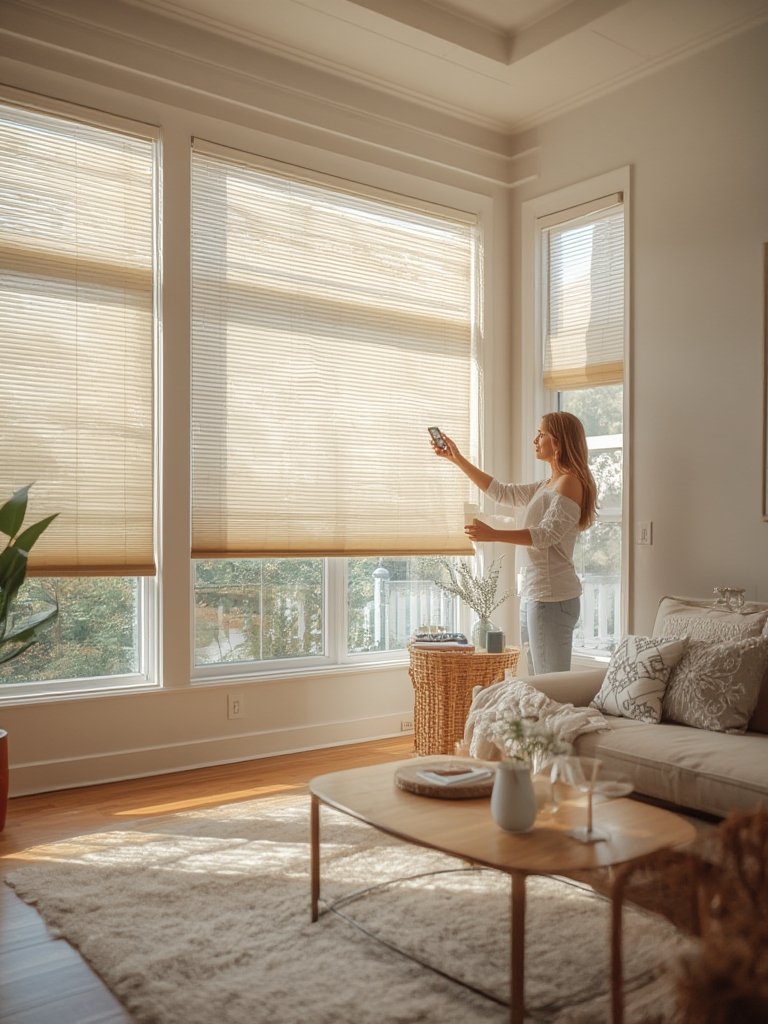
Cordless blind motors automate the raising, lowering, or tilting of window blinds using a small motor installed within or attached to the blind assembly. Unlike traditional blinds, these eliminate dangling cords for a streamlined look and improved safety. Modern systems connect to smart home platforms—think Amazon Alexa, Google Home, and Apple HomeKit—enabling voice control, scheduling, and automation based on sunlight or temperature.

Why are they exploding in popularity? The US electric blinds market hit $320 million in 2024. With 70 percent of US households integrating smart home tech, demand is up more than 10 percent over last year. Globally, this is a multi-billion dollar market, growing as more buyers value both convenience and energy savings. Key drivers include:
- Convenience: Control all shades with a tap or by voice command.
- Energy efficiency: Automated blinds adjust with the sun to reduce HVAC use.
- Safety: Cordless design keeps homes safer for kids and pets.
- Smart home synergy: Seamlessly connects with other devices and routines.
Step-by-Step Guide
Here is a straightforward process to retrofit existing blinds or install new cordless blind motor systems at home:
- Choose your system: Pick between retrofit motor kits for existing blinds or all-in-one smart blind solutions. Confirm compatibility with your window size, mounting style, and smart home ecosystem (Matter, Thread, Zigbee, Wi-Fi, or proprietary).
- Gather your tools: Most battery powered retrofits require basic screwdrivers, a level, and sometimes a drill.
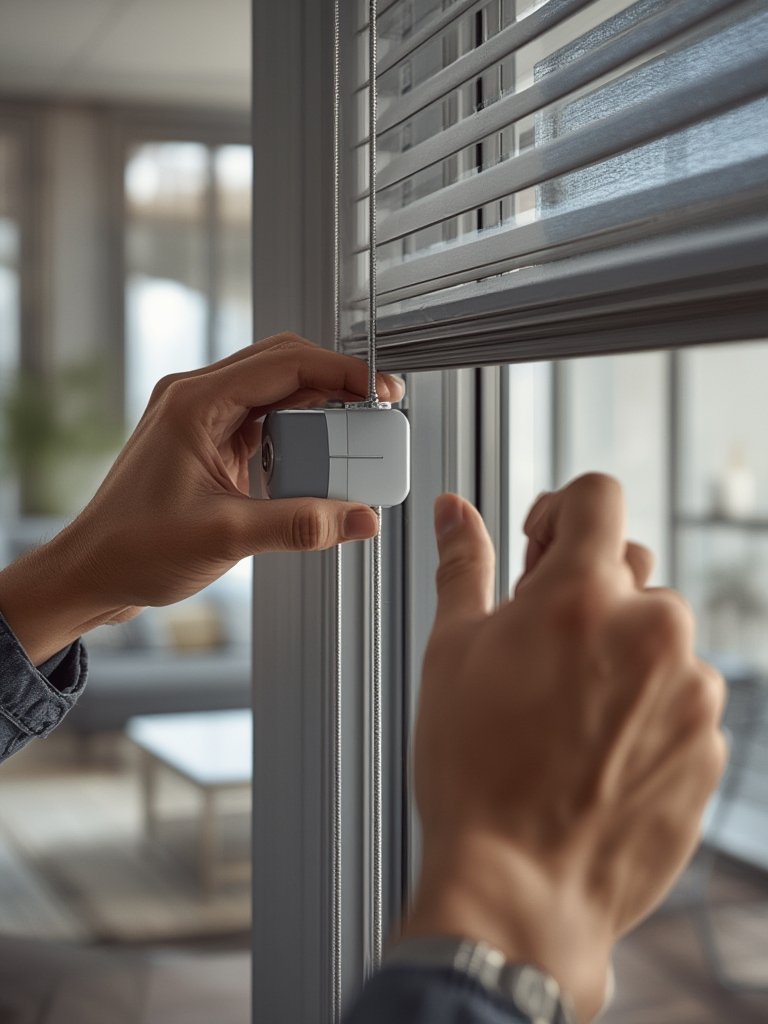
- Install the motor: For retrofits, remove your blinds following manufacturer guidance. Attach the motor unit to the tube or headrail as directed. For new blinds, assemble as per box instructions.
- Power up: Insert lithium batteries (typically good for 2-3 years). Some advanced systems use Power over Ethernet for uninterrupted power.
- Connect: Download the compatible app and pair the motor. Link to your smart home hub.
- Calibrate: Program upper and lower limits within the app—this step is crucial for smooth, precise motion.
- Automate: Set up voice controls and schedules based on sunlight or your daily routine. If using sensors, enable auto sun-tracking.
Want more connected home ideas? See our guide to a smart sprinkler controller for automating your yard. You can also optimize other parts of your space with energy-saving products like our smart thermostat installation guide or improve comfort with a window insulation kit.
Advanced Analysis & Common Pitfalls
Not all cordless blind motors are created equal. Here’s what the research and buyer feedback reveal about common issues and technical trade-offs:
- Upfront Cost: Expect $150 to $1,200 per window. Smart-enabled and custom sizes cost more.
- Battery Anxiety: Most run on lithium batteries rated for 2-3 years, but battery levels can be hard to monitor. Forgetting to charge means stuck blinds.
- Voice Assistant Conflicts: Some brands’ apps can be slow or glitchy, especially if you have mixed ecosystems like Alexa, Google Home, or Apple.
- Integration Complexity: Not every motor supports open protocols (e.g., Matter, Thread), making future upgrades tricky.
- Supply Chain Volatility: Motor/chip shortages can mean delays or higher retrofit kit costs.
- Warranty and Support: Major brands don’t always detail warranties or software update promises. Long-term reliability is often implied via installer networks and dashboard tools, not official documentation.
| Feature | Battery-Powered | Wired (PoE) | Smart Platform Support |
|---|---|---|---|
| Battery Life | 2-3 years (lithium) | Continuous (no battery) | Varies by product |
| Installation | DIY-friendly; quick | Requires wiring; may need a pro | Alexa, Google, Apple, proprietary |
| Maintenance | Battery swap/charge | Minimal | Matter/Thread ensures future-proofing |
| Cost | Lower upfront; ongoing battery cost | Higher fitout; less frequent service | Varies |
| Noise Level | Quieter latest motors (varies) | Still evolving; data limited | Most support at least one major platform |
For more on noise control and better living comfort, learn about modern soundproof wall panels or see how a lift top coffee table boosts smaller living spaces without heavy tools.
Conclusion
Cordless blind motors offer game-changing convenience and real energy savings, but it’s essential to consider cost, battery upkeep, and smart home compatibility. For homeowners looking to automate their living spaces, investing in a cordless blind motor is a practical step that adds comfort and value. Looking to future-proof your home? Start with your windows—and don’t forget to use reputable brands and protocols to avoid headaches down the road. Want more home automation tips? Explore your next upgrade now.
FAQ
How much does it cost to install a cordless blind motor?
Most homeowners pay between $150 and $1,200 per window, depending on brand, window size, and smart features. Installation fees vary, especially for hardwired or custom solutions.
How long do the batteries last in cordless blind motors?
Modern lithium batteries typically last 2 to 3 years before needing replacement or charging. Some models offer battery monitoring in-app, but many require manual checks.
Are cordless blind motors compatible with my smart home?
Most support at least one major ecosystem (Alexa, Google, Apple). For future compatibility, choose motors designed for Matter or Thread protocols.
Will motorized blinds increase my home value?
This feature can boost appeal for tech-savvy buyers and may improve efficiency, but specific impact on resale value is not widely quantified yet.
What are common problems with cordless blind motors?
Battery anxiety, upfront costs, inconsistent app controls, and smart home integration quirks are the top complaints. Professional installation and reputable brands help reduce most issues.