
### Blog Post:
Compost tumbler bin technology has transformed home composting, making it cleaner and more efficient for gardeners and eco-conscious homeowners. If you want faster, low-maintenance composting outdoors, understanding the latest designs, true speed claims, and real pain points will save you time and frustration.
Key Takeaways
- Compost tumbler bins offer faster, cleaner composting than open bins, especially for small to medium spaces.
- Pain points include turning the bin when heavy, freezing in cold weather, and limits on batch size—choose features that address these.
- Look for dual chambers, sturdy materials, and easy-turn mechanisms for year-round, efficient compost production.
- Understanding Compost Tumbler Bins
- How to Use a Compost Tumbler Bin (Step-by-Step)
- Real-World Analysis: Pitfalls and Problems
- Conclusion
- Frequently Asked Questions
Understanding Compost Tumbler Bins
Compost tumbler bins are enclosed, barrel-shaped containers designed to speed up decomposition of kitchen and garden waste through simple manual rotation. By turning the bin, you introduce air and mix the contents—crucial steps for rapid composting. Tumblers are popular for their cleanliness (no open heaps), faster potential breakdown, and rodent-proof design. They fit well in small outdoor spaces where an open bin or compost heap would attract pests or take too long to break down material.
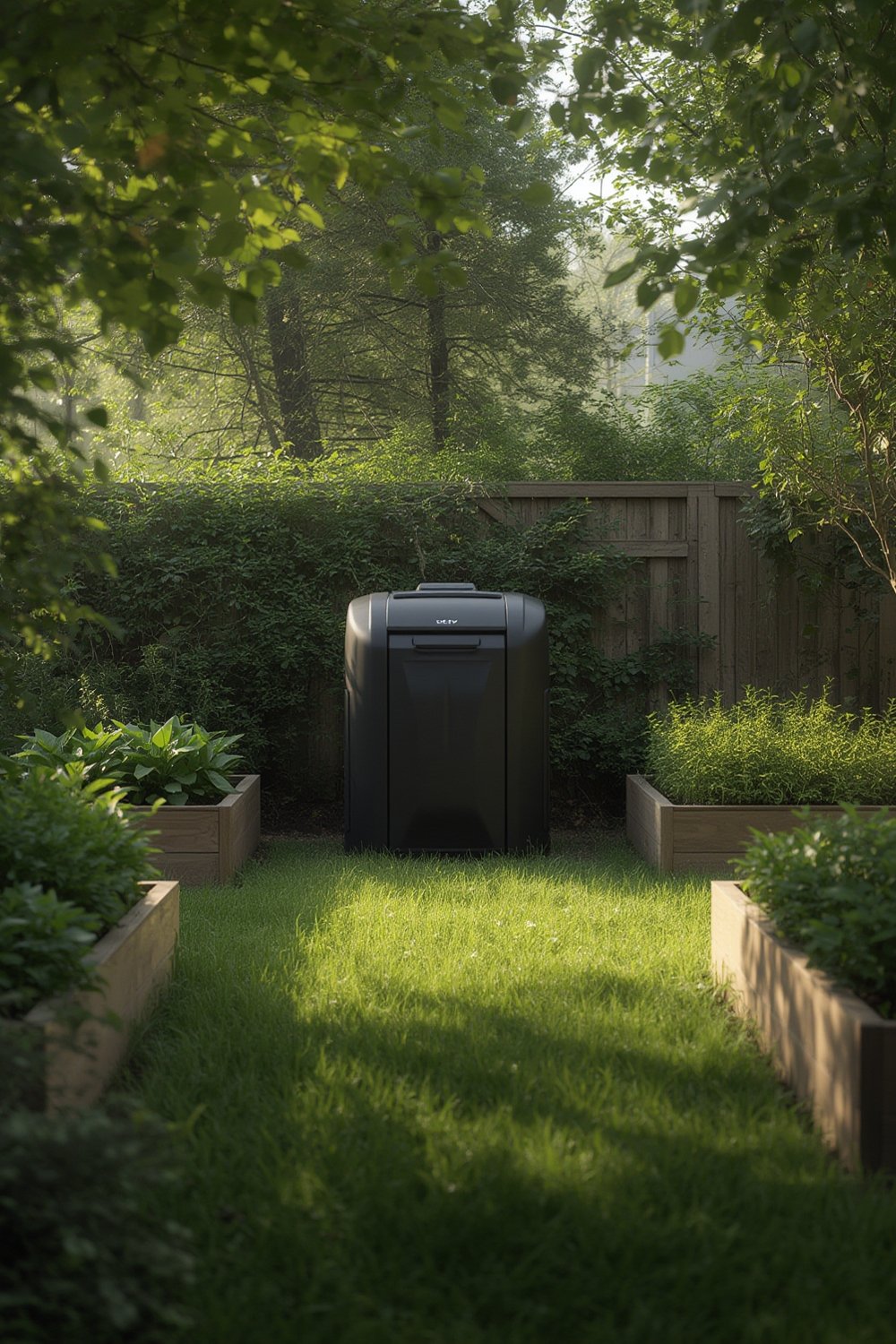
Efficiency depends on regular turning, batch loading, and a balanced mix of green and brown input (high nitrogen and carbon). According to recent real-world reviews and studies, users often see faster decomposition compared to open bins, provided the design is easy to spin and isn’t overloaded. However, winter use and batch management can be tricky—topics often missed in typical reviews.
How to Use a Compost Tumbler Bin (Step-by-Step)
- Choose the Right Tumbler Bin: Look for a size (22–65 gallons is typical for outdoor use) that fits your family’s waste output. Plastic barrels dominate the market for durability and cost, but dual-chamber and single-chamber options offer different advantages.
- Set Up Your Bin: Place the compost tumbler bin in a sunny spot for faster breakdown. Assemble all parts following the instructions—it can take longer than traditional bins, so allow time.
- Load the Bin Correctly: Start with a balanced mix of kitchen scraps (greens) and dry yard waste like leaves or shredded paper (browns). Fill at least half full for optimal results.
- Rotate Regularly: Turn the bin 3–4 times per week. This aerates the mix and helps materials decompose evenly. Most users report easier turning on dual-axle or central-axle models, but bins can get heavy if overfilled.
- Monitor Moisture and Temperature: Add water if contents look dry; add browns if too wet. During winter, expect slowdowns—compost may freeze in cold climates and require insulation or patience until spring.
- Batch vs. Continuous Composting: For quickest results, load one side fully, let it finish, and fill the other (if dual-chamber) after; avoid adding to an active batch as it slows production.
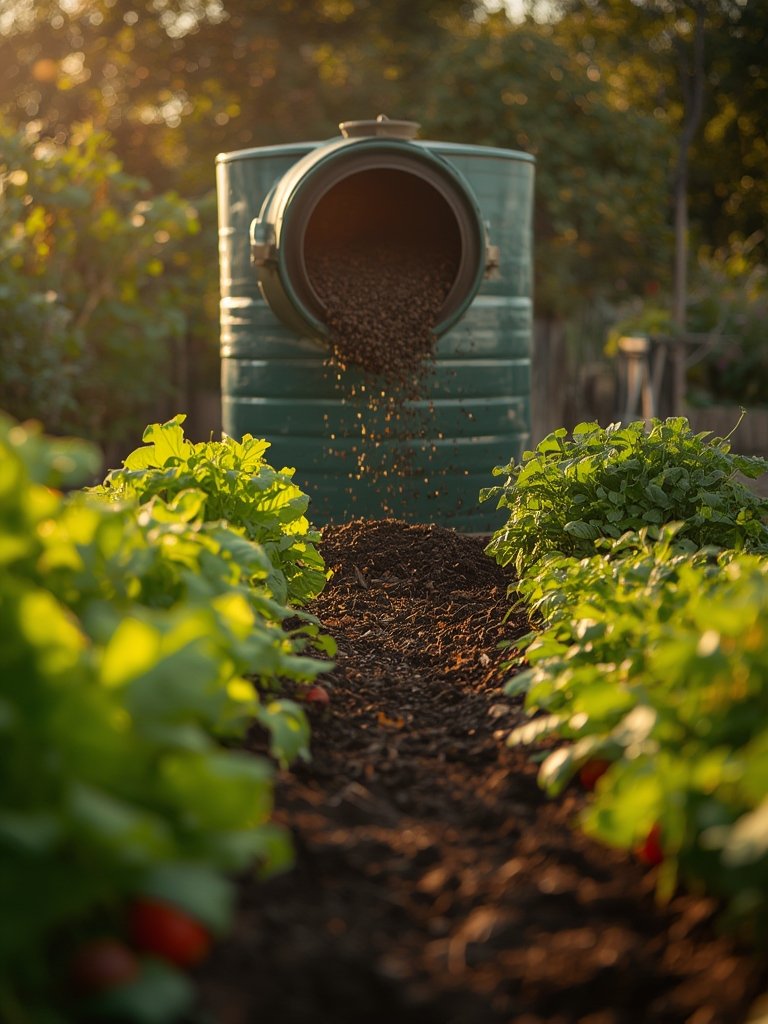
- Harvest and Use Your Compost: Compost is ready in 10–16 weeks on average, depending on weather and material balance. Use finished compost around garden beds, trees, and shrubs.
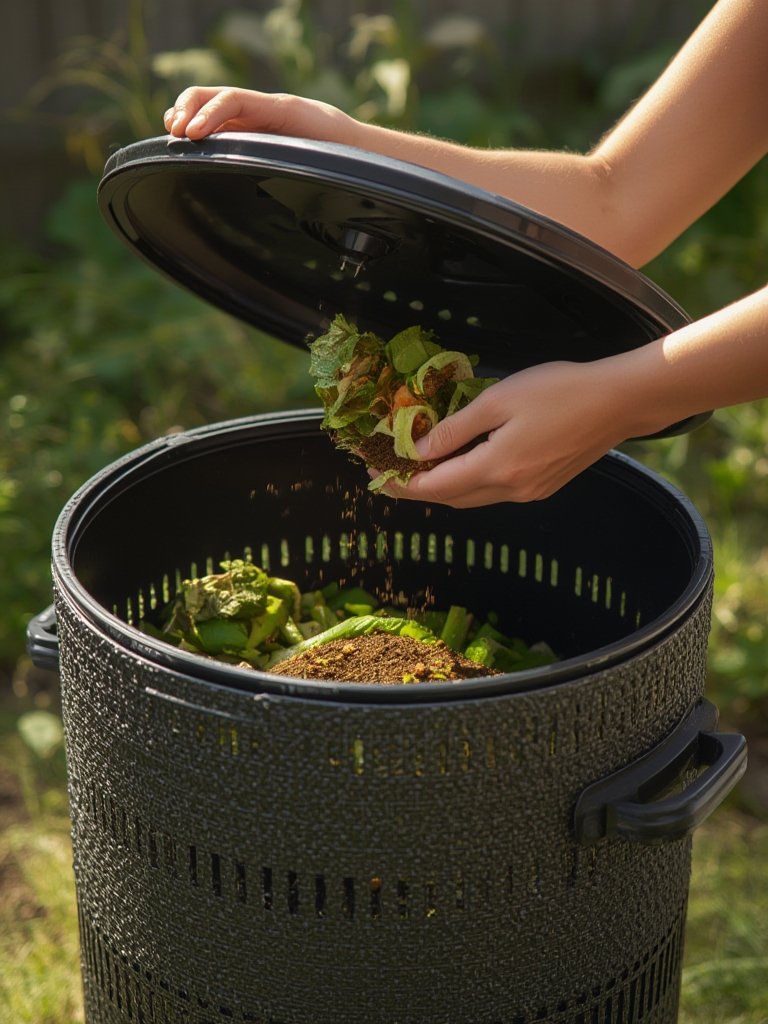
Maintaining a compost tumbler bin is easy once you know the rhythm: load, turn, check moisture, and wait. For a more hands-off approach, some gardeners integrate worms or use a vertical garden system for further compost synergy. Remember, never continuously add food while aiming for fast finished compost—stick to batch cycles.
Real-World Analysis: Pitfalls and Problems
Compost tumbler bins are marketed as set-and-forget, but reality brings some challenges. User reviews and studies reveal several areas where buyers struggle or face disappointment:
- Turning Mechanism Fatigue: Bins over 40 gallons can be heavy and hard to spin, especially if you overfill or pack in wet waste. Continuous loading keeps the weight up and slows the finish. Choose a model with a smooth axle and a locking pin for safe, stable loading and spinning (source).
- Winter Slowdown or Freeze: Tumblers lose internal heat fast unless insulated. In cold regions, contents can freeze solid and cease decomposing until spring, limiting year-round use (source).
- Limited Capacity for Serious Gardeners: If you garden intensively, the batch size of a tumbler is smaller than an open bin or pile. Multiple tumblers solve this, but increase cost and space needs (source).
- Assembly Complexity: Some brands arrive in many parts and take time to assemble. Poor instructions or missing hardware aren’t rare. It’s easier than a shed, but not always a five-minute job.
- Durability Concerns: Over time, UV, moisture, and mechanical stress wear on plastic edges or axles. Look for heavy-duty, UV-stabilized plastics. Metal parts may rust if uncoated. Check reviews on brands like FCMP’s models for real longevity stories (source).
- Pest Control: Tumblers are almost always rodent-proof, but poorly sealed doors may attract fruit flies. Clean drum edging and close lids tightly.
- Cost vs. Value: Budget models start around $80 for 43 gallons; premium brands or extra features climb from there (source).
| Specification | Tumbler Bin | Traditional Bin/Heap |
|---|---|---|
| Average Decomposition Time | 10–16 weeks (with turning 3–4 times/week) | 10 weeks (with weekly manual turning), slower if left still |
| Batch Size (Capacity) | 22–65 gallons per batch | 60–150+ gallons possible, continuous |
| Winter Performance | Slow to freeze; requires insulation for winter use | Retains heat longer; easier to insulate large piles |
| Rodent & Pest Resistance | High (sealed, elevated) | Low to moderate |
| Effort Required | Light (easy spinning, unless overfilled) | Medium to heavy (forking/turning manual) |
| Cost (2024) | $80–$250 (most models plastic, some metal) | $60–$150 (simple bins, DIY heaps may be $0) |
For added gardening tech and ease, some users pair their compost tumbler bin with a smart sprinkler system to keep garden beds hydrated and compost active throughout the season. Smart home gardeners also use a battery powered lawn mower for clean, efficient clippings as brown input for the bin.
Conclusion
A compost tumbler bin offers reliable, low-mess composting and faster results—ideal for backyards that need neatness, speed, or pest-resistance. For best outcomes, research models with ample capacity, sturdy rotation hardware, and dual chambers if you want continuous batches. Remember the downsides: winter freezing, batch limits, and assembly time. Still, for garden enthusiasts who want to minimize effort and keep critters out, a compost tumbler bin is a smart investment. Start yours now for healthier soil and less waste—your plants (and your wallet) will thank you.
Ready to upgrade your composting routine? Explore compost tumbler bin features and find the right product for a cleaner, greener garden today.
Frequently Asked Questions
How often should I turn my compost tumbler bin?
Turn your bin 3 to 4 times per week for fastest decomposition. In hot, active conditions, some users turn daily, but consistency is more important than frequency.
Why is my compost tumbler bin hard to spin?
If the bin is overloaded, wet, or packed unevenly, it can become heavy and difficult to spin. Keep loads within the recommended volume and add more brown material to balance wetness.
Can I use a compost tumbler bin in winter?
Yes, but contents may freeze if temperatures drop below freezing. For year-round use, insulate your tumbler or move it to a sheltered spot. Otherwise, let waste accumulate and resume turning in spring.
What materials should not go in a compost tumbler bin?
Avoid meat, dairy, oils, and pet waste. Stick to plant matter, coffee grounds, eggshells, and shredded cardboard or newspaper for best results and odor control.
Do compost tumbler bins control odor better than open heaps?
Yes, properly balanced and closed tumbler bins rarely emit strong odors. Balance greens and browns, and keep the tumbler closed to avoid attracting pests.
—