

Cat litter disposal system odor control is a top frustration for cat owners seeking a fresh-smelling home. If your litter bin still smells or you want to upgrade from endless plastic bags, understanding the right cat litter disposal system odor control strategy can make daily cleaning far easier.
This guide explains what actually works, what’s hype, and how modern systems help reduce persistent smells in single- and multi-cat households.
Key Takeaways
- New cat litter disposal systems offer advanced odor control, but few proven results exist compared to traditional trash methods.
- System maintenance, proper fit with your litter type, and user habits are just as important as technology or features.
- Carefully weigh costs of refill cartridges, liners, and maintenance—convenience and true odor locking may come at an ongoing price.
- The Core Concept: What Makes a Cat Litter Disposal System Work?
- Step-by-Step Guide: Odor Control With Cat Litter Disposal Systems
- Advanced Analysis & Common Pitfalls
- Conclusion
- FAQ
The Core Concept: What Makes a Cat Litter Disposal System Work?
Cat litter disposal systems are designed to capture waste and smells far better than open trash cans or repeated bagging. These systems typically use sealed pails, dedicated liners, and sometimes odor-fighting technologies like carbon filters or antimicrobial plastics.
These components help limit odor exposure and keep indoor air fresher between trash days. A properly used cat litter disposal system odor control setup can significantly reduce lingering smells, especially in small apartments or enclosed spaces.
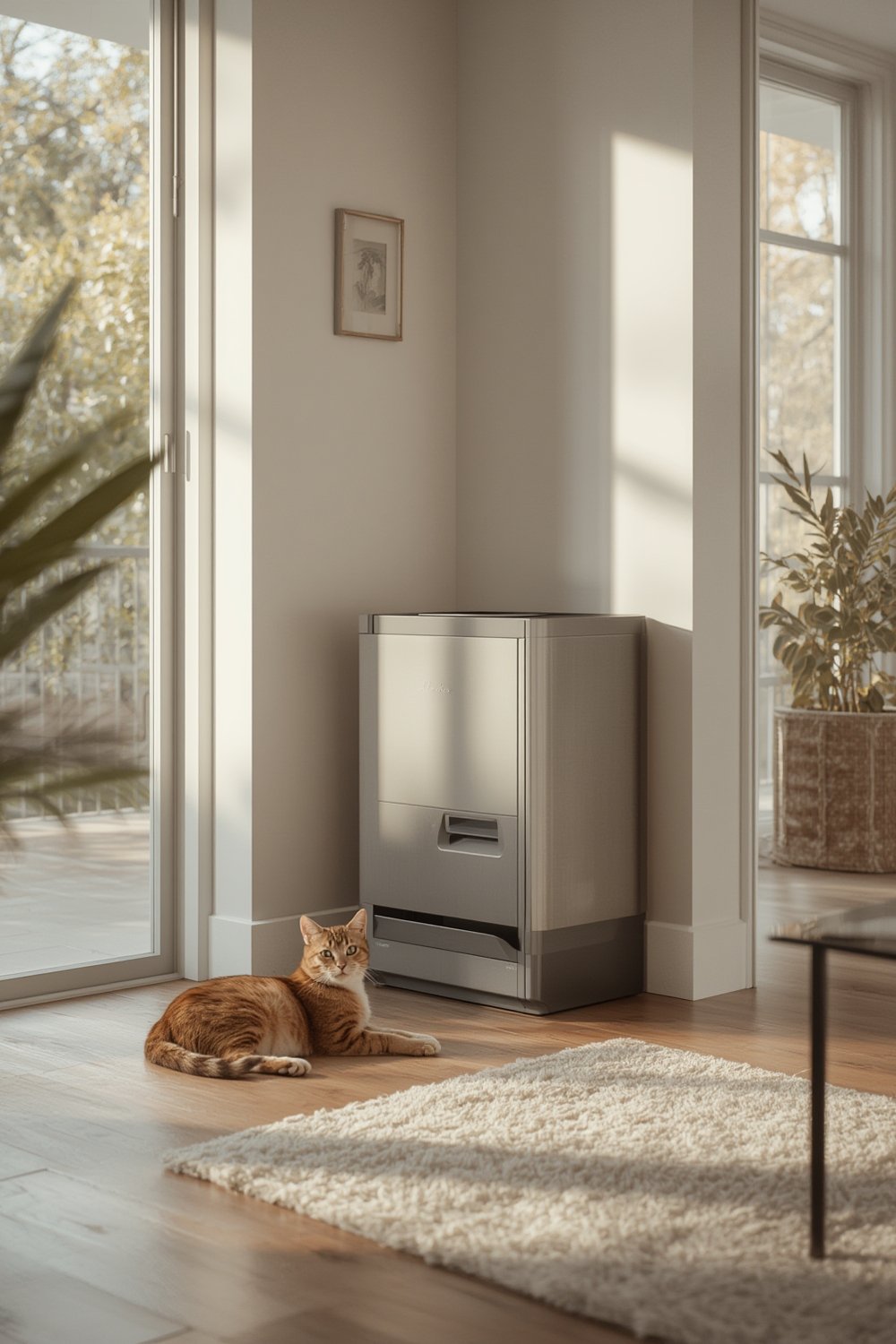
Market insights show strong demand for more hygienic, automatic solutions with claims of “enhanced odor control”. Self-cleaning bins, automatic litter boxes, and disposable boxes are leading the trend. However, according to recent market research, there is a lack of hard data or independent testing directly comparing odor containment between these systems and traditional disposal methods.
If you’re interested in automating more aspects of pet care, check out our smart litter box guide, which covers trends in self-cleaning models and integration with home tech.
Step-by-Step Guide: Odor Control With Cat Litter Disposal Systems
Odor-free results require more than a fancy bin. Here are the actionable steps to maximize odor control and avoid common mistakes:
- Choose the right system for your space and litter type.
- Match the bin’s liner system to your preferred litter—clumping, non-clumping, silica, or biodegradable. Some self-cleaning or odor locking designs don’t work well with heavier or plant-based litters (market trend details).
- For multiple cats, size up: Most pails are optimized for a single cat’s worth of daily waste, so more frequent emptying or an additional bin may be necessary.
- Install cartridges, liners, or carbon filters per instructions.
- Manufacturers recommend sealing mechanisms, antimicrobial liners, and filter changes on a strict schedule. Stick to these to prevent sudden odor surges (even when you can’t always smell it anymore, cats do).
- Daily scoop and disposal habits are non-negotiable.
- Scoop at least once per day, ideally after each use for multiple cats. If your bin is “sealed,” odors are only as contained as the waste is fresh—let it pile up and the system will be overwhelmed.
- Disposal pails should not become mini-landfills. Take out the liner bag to the outdoor trash every 3–5 days, or sooner in warm weather.
- Disinfect and air out regularly.
- Wipe down the inner pail, handle, and lid with an enzyme cleaner every week. Let the empty bin dry in sunlight (if possible) before relining.
- Check and replace odor-control cartridges, carbon filters, or antimicrobial features on schedule or earlier if you notice odors returning.
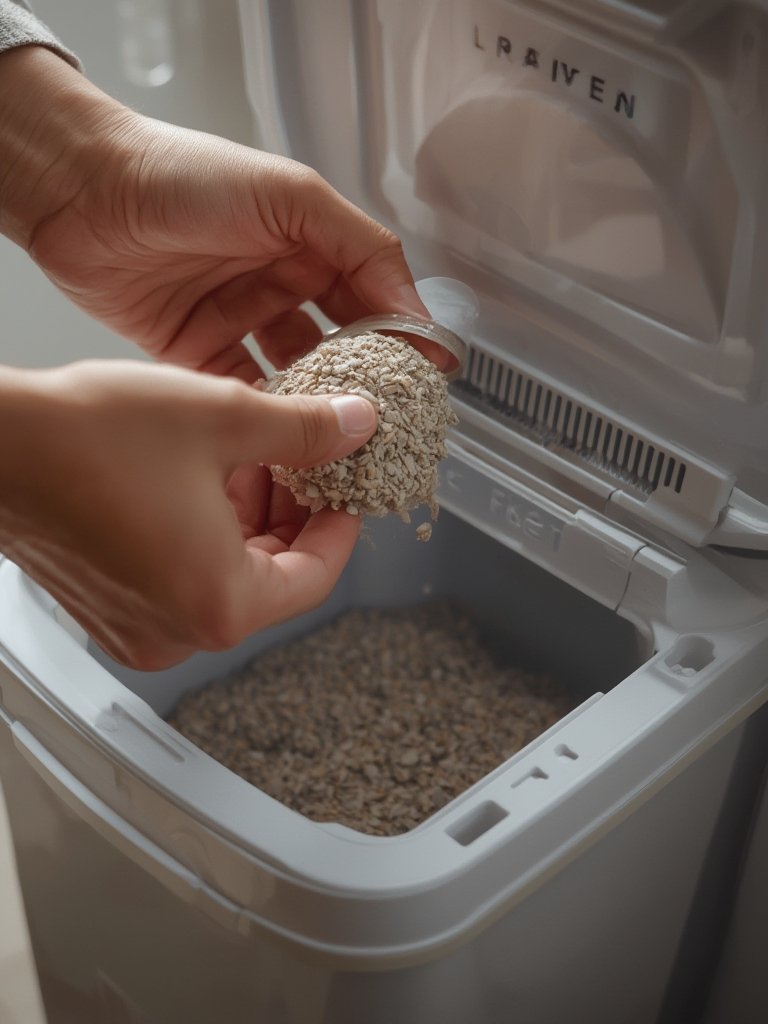
Some owners look for eco-options like compostable liners or try pairing their litter disposal routine with a compost tumbler bin system for plant-based litters (note: never compost cat waste for edible gardens). If you want more tips to keep your living area fresh, the pet odor eliminator spray guide shares fast-action solutions beyond just litter disposal.
If your cat is sensitive to fragrances or chemicals, choose unscented liners and clean with pet-safe solutions. Some self-cleaning boxes integrate automatically with disposal bins, as explained in our automatic cat litter box review—these can reduce daily human effort but require maintenance and recurring charges.
Advanced Analysis & Common Pitfalls
Based on 2024 research and available manufacturer data, here’s what to watch out for before buying or committing to a new cat litter disposal system for odor control:
| Aspect | Common Pitfall | How to Avoid |
|---|---|---|
| Liner & Cartridge Costs | Recurring expense—OEM cartridges and liners cost more than basic trash bags. Compatible generics void warranties or don’t fit well. | Budget for ongoing costs. Check if third-party liners truly fit your bin before bulk-buying. |
| Technology Limitations | Filters and antimicrobial features are rarely tested with measurable results. “Odor control” claims are not standardized (source). | Treat tech as complementary, not a cure-all. Old-school habits still matter. |
| Litter Type Compatibility | Silica, wood, or pellet litters may not seal well or block odors as designed. Wet waste can breach liners faster. | Test your chosen litter type in small quantities. Clean moisture buildup often and avoid overfilling. |
| Over-Trust in “Seals” | Automatic closures and locking lids help, but if left slightly open or overloaded, odors escape rapidly. | Always check the seal after every use. Replace warped or worn-down gaskets quickly. |
| System Size in Multi-Cat Homes | Trying to share one small disposal pail between several cats leads to faster overflows and persistent smells. | Use bigger/extra bins or empty more often—no way around it. |
Currently, there are no independent studies from 2023-2024 that quantify the actual reduction in odor with proprietary filters or liners compared to DIY tricks. Most evidence is anecdotal or based on manufacturer claims, so set your expectations realistically.
If your goals also include minimizing visible mess, an under-cabinet trash system can complement your cat waste management routine for a clean look—but note these usually lack pet-specific odor control.
Conclusion
Effective cat litter disposal system odor control depends both on product design and consistent cleaning habits. Even advanced sealed pails and automatic solutions require proper maintenance to prevent odor buildup.
When choosing a system, consider liner costs, filter replacement schedules, and how frequently you are willing to empty the container.
The best cat litter disposal system odor control approach balances convenience with realistic upkeep routines. With the right setup, maintaining a fresher home environment becomes much easier year-round.
Ready to improve litter hygiene? Compare modern disposal systems carefully and choose a solution suited to your daily routine.
Act now: Review your current system or try a modern litter pail, and commit to a maintenance routine this week—you’ll notice the difference fast.
FAQ
Do cat litter disposal systems completely eliminate odors?
No system can fully eliminate odors, especially with poor maintenance or infrequent emptying. High-quality bins with good liners, frequent cleaning, and compatible litter can reduce but not remove all odors.
How often should I empty and clean my litter disposal pail?
Empty the bag every 3–5 days for one cat or daily for multiple cats. Clean and air out the pail with enzyme cleaners weekly for best results.
Are carbon filters and antimicrobial liners worth it?
They help, but currently there’s no published data measuring how much better they perform over plain liners. Treat them as part of your odor-fighting strategy, not the only answer.
What’s the best litter type for odor control with a disposal system?
Clumping and silica litters are most popular for odor locking. Biodegradable and wood litters can work, but ensure they absorb efficiently and don’t compromise liner integrity.
Can I use regular trash bags in a litter disposal pail?
It depends on your bin model. Some allow it; others require custom liners for proper sealing and function. Check your user manual and test fit before switching.