

### Blog Post:
Bidet toilet attachment sales in North America have reached multi-billion-dollar milestones in 2024 as homeowners focus on personal hygiene and water savings. But buying the right model and installing it without issues can be confusing for beginners.
Key Takeaways
- North America holds nearly 35% of the global bidet market, mainly from residential buyers seeking cleaner, eco-friendly bathrooms.
- Practical step-by-step installation avoids most common headaches, but lack of standard certifications means you need to check build quality yourself.
- While no major studies exist yet on health impacts, bidet toilet attachments are linked to improved cleanliness and lower paper waste at home.
- What Is a Bidet Toilet Attachment and Why Use One?
- Step-by-Step Guide: Installing and Using a Bidet Toilet Attachment
- Advanced Analysis & Common Pitfalls
- Conclusion
- FAQ
What Is a Bidet Toilet Attachment and Why Use One?
A bidet toilet attachment is a plumbing accessory that fits onto your existing toilet and delivers a pressurized water spray for cleaning after you use the restroom. With no need for electricity on basic models, it’s an affordable way to boost hygiene and reduce toilet paper use.
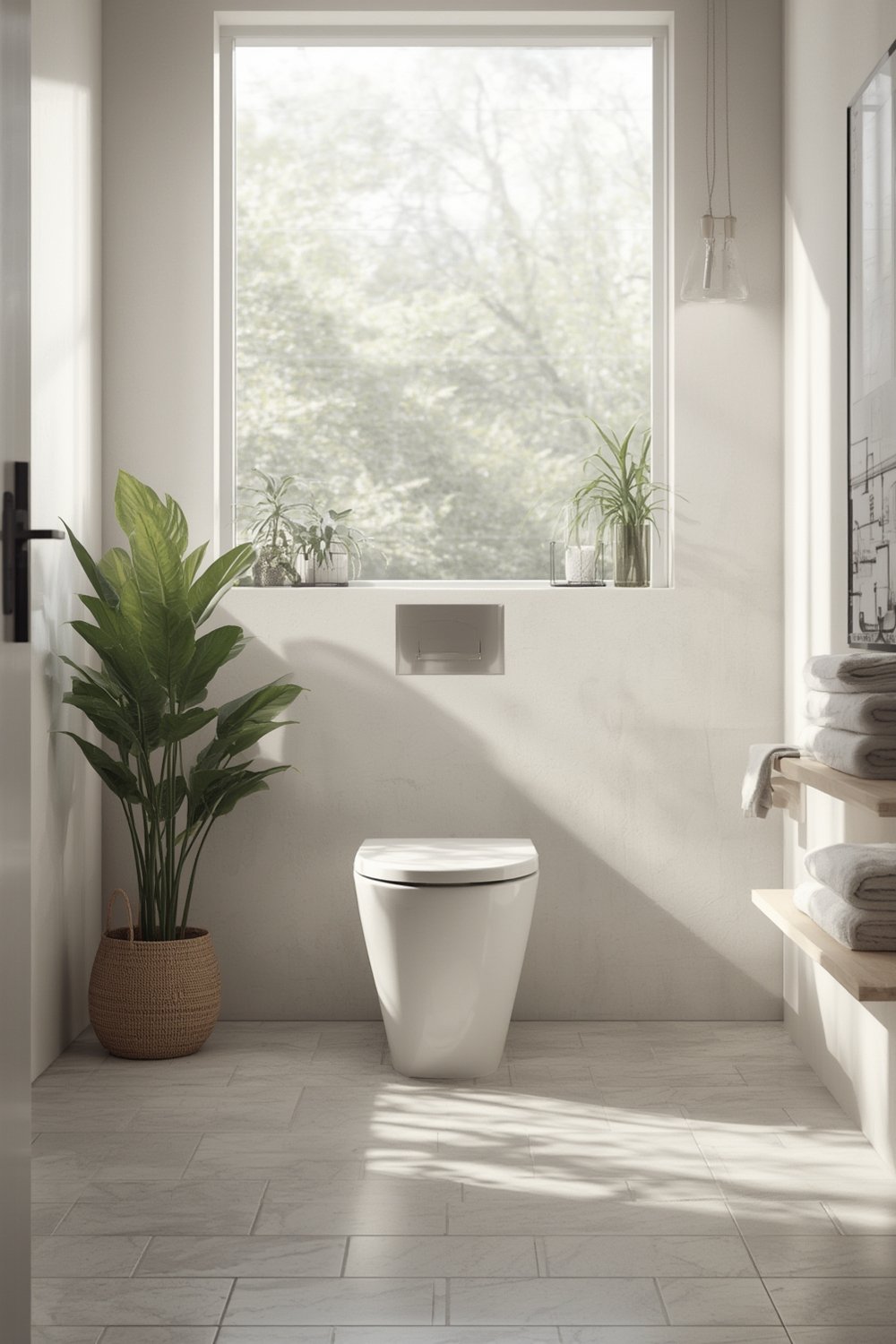
In 2024, demand for bidet toilet attachments in North America exceeded $10 billion, making up almost 35% of the global bidet market (source). Most customers are residential, drawn by eco-friendly benefits and the promise of a cleaner bathroom experience. While Europe is rapidly catching up, the US and Canada drive current adoption trends due to increased home renovations and focus on wellness.
For those interested in sustainable home upgrades, related products like smart litter boxes and battery-powered lawn mowers are also trending as part of the eco-home movement.
Step-by-Step Guide: Installing and Using a Bidet Toilet Attachment
Follow these steps for a simple, frustration-free install and first use.
- Turn off the water supply valve near your toilet base. Flush once to empty the tank.
- Remove the toilet seat with a screwdriver. Most bidet attachments mount under existing seat holes.
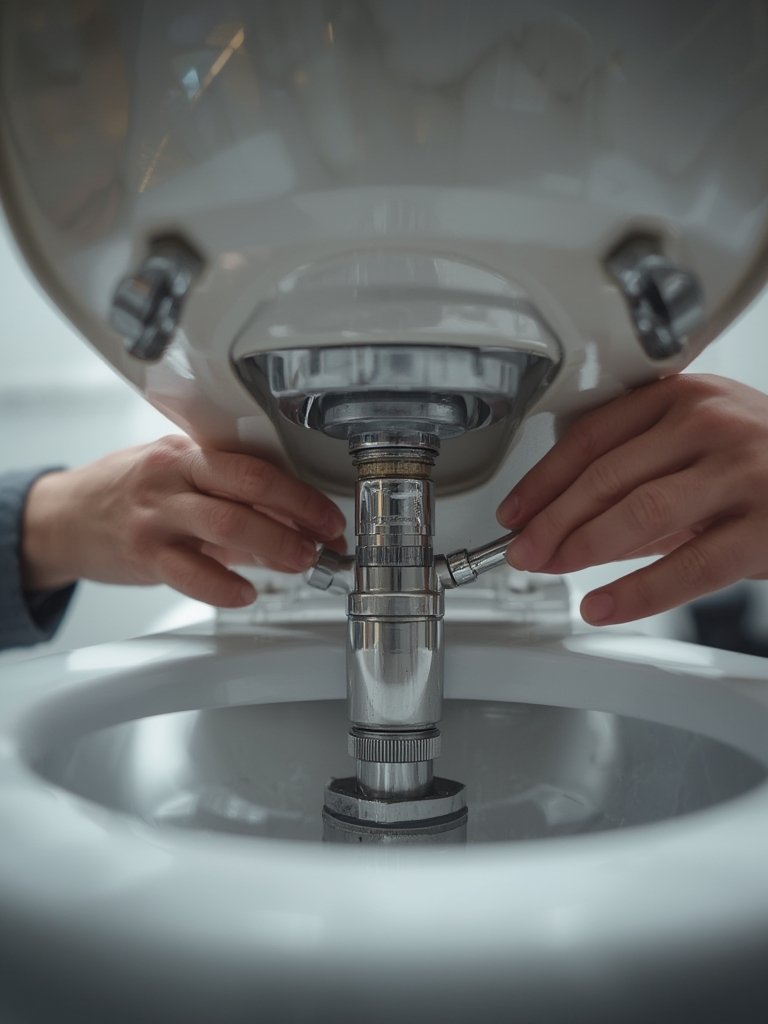
- Attach the bidet unit per the manufacturer’s included guide. Align holes with toilet seat bolts.
- Install the T-adapter at your toilet tank’s water inlet. Hand-tighten all connections, then use an adjustable wrench for a snug, leak-proof fit.
- Reinstall the toilet seat and make sure everything is flush and steady.
- Connect hoses from the water supply line to the T-adapter and bidet. Check all connections twice.
- SLOWLY turn on the water valve and inspect for leaks. Let the tank fill. Wipe away any drips and watch connections as you test the spray.
- Adjust water pressure before first use. Start at the lowest setting.
- After use, dry with a small towel or a few sheets of toilet paper; bidets reduce but don’t eliminate paper use unless you add a drying attachment.
Looking for more ways to upgrade your home for wellness or sustainability? Check out our expert picks for vertical garden systems and smart thermostats to reduce house waste and energy bills.
Advanced Analysis & Common Pitfalls
Bidet toilet attachments are generally reliable, but a few issues come up, especially with the cheaper or off-brand units:
- Installation fit: Non-electric attachments may not fit all toilet shapes, especially French-curve or compact toilets. Double-check measurements before ordering.
- Leaks at joints: Insufficient tightening or misaligned gaskets can allow slow leaks. Don’t overtighten plastic parts though—cracking is possible.
- Water pressure surprises: Many users report that maximum pressure is intense; always start on low to avoid an uncomfortable surprise.
- Cleaning and maintenance: Cheap models with lots of plastic are prone to mold along crevices and under the knob; periodic cleaning is needed. Ceramic versions dominate premium choices for hygiene and durability (source).
- No universal certifications: There are no major industry certifications, so check for reputable brands and proven customer support before buying. Look for durable materials—avoid models with thin, brittle plastic parts.
| Feature | Bidet Toilet Attachment (Non-Electric) | Electric Bidet Seat | Traditional Toilet (No Bidet) |
|---|---|---|---|
| Initial Cost | Low ($30–$90) | High ($250–$700) | None |
| Ongoing Expenses | Minimal (occasional cleaning) | Moderate (filters, electricity) | Continuous toilet paper costs |
| Water Usage | Very low per use | Low-Moderate per use | Highest (indirect; paper production) |
| Installation | DIY-friendly | May require outlet/plumber | No changes needed |
| Technical Specs to Watch | Water pressure adjustability; build material; warranty | Temperature/pressure/seat heating; certifications; remote controls | — |
No major scientific studies confirm the health benefits so far, but manufacturers claim improvements in general hygiene and reduced paper waste. For broader home hygiene solutions, see our whole house water filter guide.
Conclusion
Bidet toilet attachments offer North American and European homeowners a cost-effective, low-waste, and hygienic bathroom upgrade. With the right prep and attention to build quality, installation is easy and the benefits are immediate. As demand climbs—fueling a multi-billion-dollar market—it’s important to research your options and avoid the cheapest, lowest-rated models.
Ready to reduce paper waste, improve your hygiene routine, and take control over your bathroom upgrade? Explore top-rated bidet toilet attachment models now and start reaping the benefits today.
FAQ
Do bidet toilet attachments work on all toilets?
Most bidet toilet attachments fit standard two-piece toilets. Some one-piece, French-curve, or skirted toilets may require specialized attachments. Always check product compatibility before purchase.
Are bidet attachments difficult to install?
Most non-electric models are DIY-friendly and can be installed in under 30 minutes with basic tools. Tightening connections securely and following manufacturer instructions prevents leaks or damage.
Do bidet toilet attachments require electricity?
Non-electric bidet toilet attachments connect directly to your toilet’s water supply and operate with manual controls. Some luxury or smart bidet seats need an outlet for heating or features.
How do I maintain and clean my bidet attachment?
Wipe down external surfaces weekly. Occasionally remove the bidet attachment to clean hidden areas and prevent mold or mineral buildup. Check hoses and seals for leaks during cleaning.
Can bidet attachments save money compared to using toilet paper?
Yes, over time, households typically reduce toilet paper use by up to 60-80%, helping to offset the cost of the attachment and support eco-friendly living.