

### Blog Post:
Finding theBest dog food for sensitive stomach issues is essential for pet owners who want to ease digestive upset and keep their dogs healthy. If your dog experiences chronic vomiting, diarrhea, or frequent tummy trouble, choosing the best dog food for sensitive stomach problems can make a significant difference without relying on constant medication or guesswork.
Many dogs struggle with digestive sensitivities, and the right diet can stabilize gut health while improving energy and comfort.
Key Takeaways
- Dogs with sensitive stomachs may benefit from high-protein, high-fiber, low-carbohydrate diets and simpler ingredient lists.
- Common triggers include specific proteins and additives; consult your vet before changing your dog’s diet.
- Real-world data show gastrointestinal issues are common in dogs, but the right food can minimize symptoms and improve quality of life.
- What is Dog Food for Sensitive Stomachs and Why Does It Matter?
- How to Choose the Best Dog Food for Sensitive Stomach (Step-by-Step)
- Advanced Analysis & Common Pitfalls
- Conclusion & Next Steps
- FAQs
What is Dog Food for Sensitive Stomachs and Why Does It Matter?
The best dog food for sensitive stomach conditions is formulated to be gentle on a dog’s digestive system. These recipes usually include limited ingredients, fewer additives, and highly digestible proteins and carbohydrates.
But why does this matter so much?
According to research from the Dog Aging Project, gastrointestinal disorders affect about 30% of US dogs during their lifetime, with food allergies and chronic diarrhea among the most common problems (source).
Unlike severe gastrointestinal diseases, sensitive stomachs often cause recurring symptoms that come and go. Feeding the best dog food for sensitive stomach symptoms can reduce flare-ups while still providing balanced nutrition.

Modern sensitive-stomach formulas avoid common triggers such as beef, dairy, corn, and soy. Instead, they rely on simpler proteins like chicken, turkey, or fish combined with digestible carbohydrates such as rice or potato.
The 2024 State of the Gut Report also highlights the growing connection between high-quality protein, fiber, and improved canine gut health.
How to Choose the Best Dog Food for Sensitive Stomach (Step-by-Step)
Selecting the best dog food for sensitive stomach problems does not have to involve trial and error. Follow these steps to make a safer and more effective decision.
- Consult Your Veterinarian First.
Rule out serious medical causes (such as parasites, infections, or organ issues) for GI distress before switching foods. - Review Protein Sources.
Studies suggest novel or single-source proteins (like duck, salmon, or venison) are easier on digestion than beef or dairy. Check ingredient panels to ensure no unwanted animal protein blends are present. - Examine Carbohydrate and Fiber Content.
The latest State of the Gut Report suggests high-fiber, low-carb foods optimize canine gut flora. Look for rice, oats, or potato instead of corn or wheat as primary carbohydrates. - Avoid Artificial Additives.
Choose brands with simple ingredient lists and no artificial colors, flavors, or preservatives. These additives are common irritants, especially in budget dog food. - Experiment with Small Bags.
Once approved by your vet, buy the smallest bag possible before investing in a full-size batch—this minimizes waste if your dog reacts poorly. - Monitor for Improvements.
Track signs like stool quality, vomiting, appetite, and energy for 2–4 weeks. Making notes or using a pet journal app can help. - Support Gut Health Between Meals.
Dehydrated treats, probiotic supplements, and boredom-reducing activities like dog puzzle toys can support digestive health beyond food alone. Explore options such as slow feeder dog toys in our dog puzzle feeder guide for a multi-pronged approach.
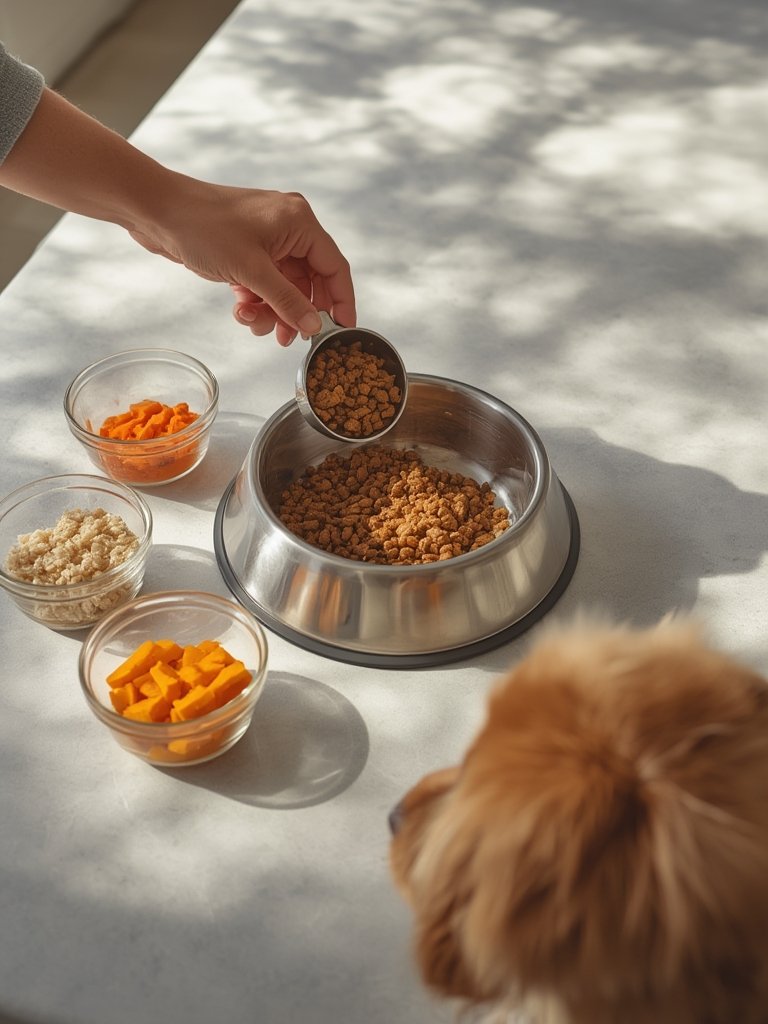
- Stay consistent with feeding times to avoid stomach upset.
- Use clean, filtered water. Consider a pet water fountain to encourage hydration—a critical (but often overlooked) aspect of better digestion.
- If switching treats, opt for simple, single-protein options and always monitor your dog’s first reaction.
To further enhance meal routines, smart feeding solutions can help with precise and scheduled meals—see our guide on the latest smart pet feeders.
Advanced Analysis & Common Pitfalls
Despite careful selection, feeding a dog with a sensitive stomach involves challenges and tradeoffs. Real-world data reveal several potential missteps that can undermine your efforts:
| Problem | What Happens | How to Fix or Prevent |
|---|---|---|
| Switching Foods Overnight | Sudden changes disturb gut flora, causing new GI upset | Transition slowly over 7 days |
| Ignoring Common Allergens | Ingredients like dairy, soy, corn, or chicken may trigger symptoms in some dogs—even in foods labeled “sensitive.” | Read full ingredient labels; use elimination diets if needed. |
| Choosing Grain-Free Without Vet Input | Some grain-free formulas substitute legumes, potentially leading to nutritional imbalances or heart health risks (source). | Work with your veterinarian to select the safest formula. |
| Over-Treating | Too many new treats can cause setbacks or mask food intolerance sources. | Change only one ingredient at a time; keep a food & symptoms journal. |
| Not Considering Water Quality | Poor water can contribute to GI problems. | Encourage water consumption with a pet fountain and keep bowls clean. |
According to survey data, as many as 40% of dogs engage in coprophagy (eating feces), which is both a sign and a cause of digestive upset (reference). The right ingredients and regular enrichment (such as dog enrichment toys) reduce stress and unwanted behaviors.

Conclusion & Next Steps
Choosing the best dog food for sensitive stomach issues takes patience, data, and a willingness to adjust as you go. From consulting your vet to analyzing ingredient panels and carefully monitoring your pet’s response, each action helps create a happier, healthier gut. Don’t forget—hydration, scheduled feeding, and the right enrichment tools (like slow feeder toys) can support your plan. Ready to help your dog thrive? Start comparing ingredient lists, talk to your vet, and test new diets slowly to discover the best dog food for sensitive stomach in your home.
FAQs
What ingredients should I avoid when picking dog food for a sensitive stomach?
Common triggers include beef, dairy, soy, corn, and artificial additives. Limited-ingredient formulas with a single protein source and easily digestible carbs (like rice or potato) are best.
How long does it take to see improvement after switching food?
Most dogs show improvements in symptoms like loose stools or vomiting within 2–4 weeks. If symptoms persist longer, consult your veterinarian.
Can I prepare homemade meals for my dog with a sensitive stomach?
Homemade diets are possible but must be carefully balanced for nutrients. Work with a veterinary nutritionist to avoid deficiencies if you prepare your own food.
Is grain-free dog food better for sensitive stomachs?
Not always. Some grain-free foods use lentils or peas, which may worsen digestive issues or impact heart health. Always consult your vet before switching to grain-free diets.
What else can I do to help my dog’s digestion besides changing food?
Encourage water intake by using a pet water fountain, offer probiotics, stick to regular feeding schedules, and use enrichment toys to reduce stress-related tummy issues.