

automatic litter box technology is changing the way cat owners manage one of their least favorite chores, offering hands-off convenience, improved hygiene, and smart home integration. But the reality isn’t always as simple as the marketing—costs, limitations, and technical quirks all play a role in whether these devices are right for you.
Key Takeaways
- The global market for automatic litter boxes reached up to USD 660 million in 2024, with strong growth expected in the years ahead. (Source)
- While these devices promise significant convenience, you should expect upfront and ongoing costs—and not every cat may adapt or benefit.
- Leading brands like Litter-Robot, PetSafe, and ScoopFree offer a range of smart features, but technical differences and maintenance requirements vary.
- What Is an Automatic Litter Box and Why Consider One?
- How to Switch to an Automatic Litter Box: Step-by-Step Guide
- Advanced Analysis & Common Pitfalls
- Conclusion
- FAQ
What Is an Automatic Litter Box and Why Consider One?
An automatic litter box is a motorized or sensor-enabled device that automatically separates cat waste from clean litter, reducing or eliminating the need for daily scooping. These devices are designed for ultimate convenience—owners spend less time cleaning, minimising odors and mess, while some models even offer smart notifications via app or Wi-Fi. The technology appeals to busy individuals, multi-cat homes, and anyone looking for a more hygienic alternative to manual scooping.
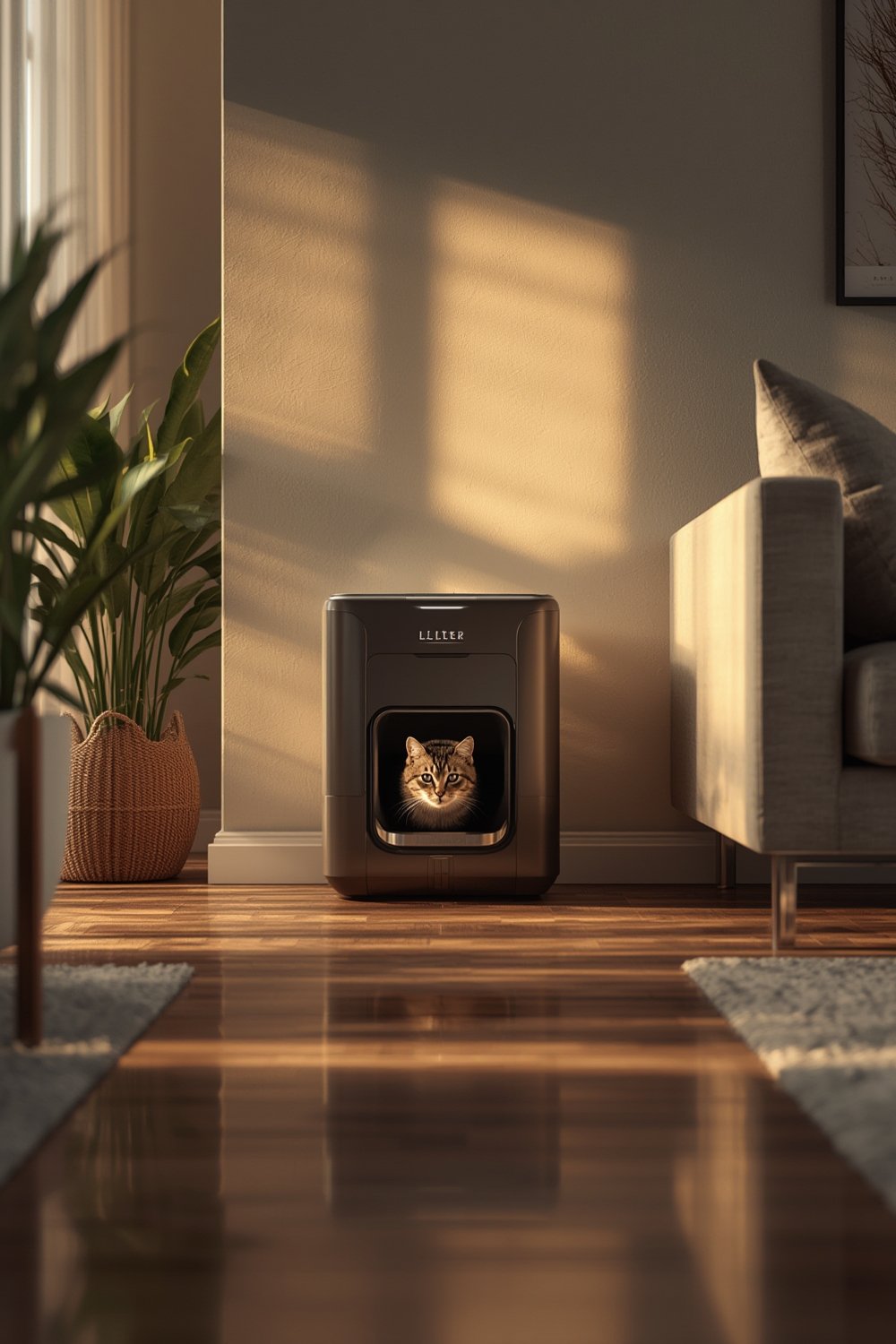
Driven by a surge in pet ownership and smart home adoption, the automatic litter box market has expanded rapidly. According to IMARC Group and Grand View Research, sales reached as high as USD 660 million in 2024. Product leaders such as Litter-Robot, PetSafe, and ScoopFree dominate the space, offering a range of features from advanced odor control to app-based waste tracking.
However, cost often limits adoption; high purchase prices, replacement filters, and optional subscription services add up. The “automatic” promise also comes with learning curves for both cats and owners, making brand reputation and feature selection critical. If you’re struggling with odor or frequent maintenance, upgrading may be worthwhile. For a background on the broader benefits and specialized solutions, see our guide on cat litter box solutions.
How to Switch to an Automatic Litter Box: Step-by-Step Guide
Adopting an automatic litter box can streamline daily chores—but only if you prepare properly. Follow these actionable steps:
-
- Choose the right model for your needs. Evaluate features such as Wi-Fi connectivity, health tracking, litter compatibility, and noise level. Research market leaders like Litter-Robot vs ScoopFree to find the best fit for your household.
- Location matters. Place the automatic litter box in a quiet, private area your cat is already familiar with. Avoid high-traffic spots or sudden changes from the previous box location.
- Introduce gradually. Keep your old litter box next to the new one for several days. Transition some of the old litter if possible and wait until your cat consistently uses the new box before removing the old one.
- Set up the device following the manual. Most automatic litter boxes require precise setup—leveling, plugging in, connecting to Wi-Fi or an app, and adding litter according to specifications. Double-check for proper assembly to avoid malfunction or jams.
- Monitor usage in the first week. Track your cat’s visits using built-in sensors (if available) or by checking the waste drawer. Address any signs of hesitation by leaving the device in manual mode or disabling automatic cycles during the adjustment period.
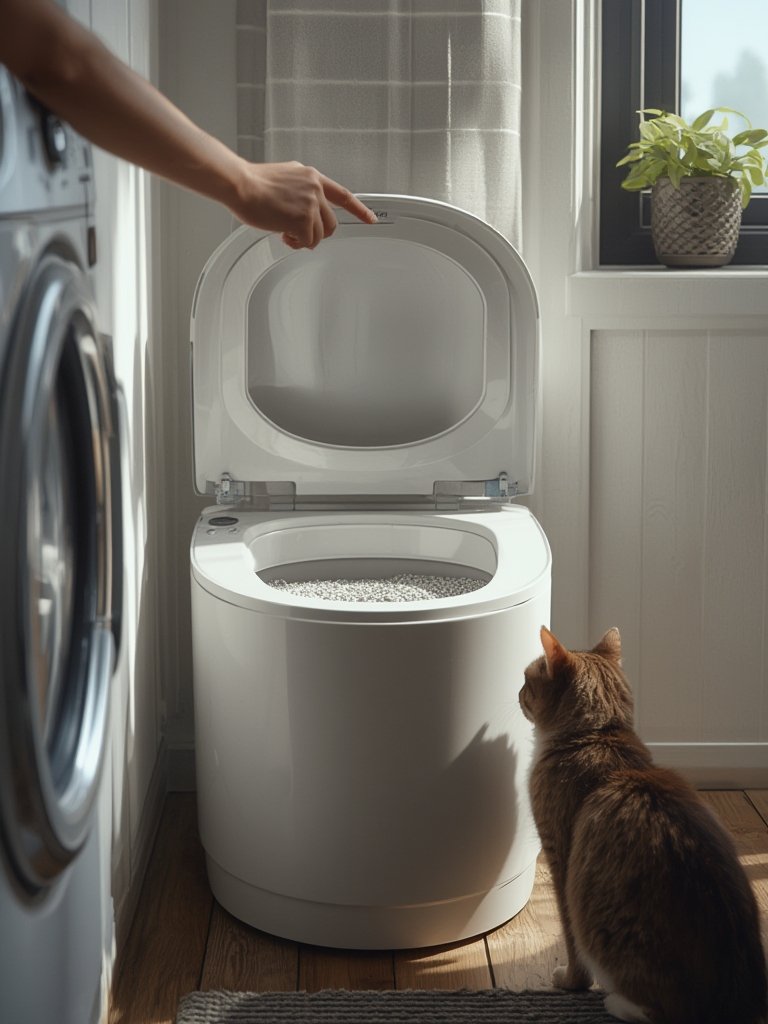
- Maintain a maintenance routine. Replace liners, carbon filters, and waste receptacles on the schedules recommended by the manufacturer. Some advanced models notify you when attention is needed—enable app notifications for best results.
- Troubleshoot early problems. Watch for signs of mechanical errors (e.g., stuck gears, uncollected waste), as outlined in our automatic litter box troubleshooting guide. Know when to contact support to prevent further issues.
For more insights, see how to train your cat for an automatic litter box and our checklist for litter box upgrade tips.
Advanced Analysis & Common Pitfalls
Despite the promise of convenience, automatic litter boxes are not perfect for every cat or household. You’ll want to understand both the potential problems and how different brands approach key technical challenges.
| Feature/Challenge | Considerations | Brand/Model Examples |
|---|---|---|
| Cost Structure | Upfront costs are high; ongoing expenses for filters, proprietary litter, internet, and maintenance can add up. No exact prices in current research, but expect multiple expenses post-purchase. (Technavio) | Litter-Robot, PetSafe, ScoopFree |
| Sensor Malfunctions | Gravity sensors and QuietSift tech can fail, and litter clumping in wrong locations can block mechanisms. No specific models cited; expect some trial and error. | All advanced models |
| Odor Control Limitations | While advanced carbon filters and sealed bins help, some users still report lingering odors, especially if filters aren’t changed regularly. | PetSafe, Breville |
| Cat Adaptation | Some cats, especially older or anxious pets, may avoid noisy or moving boxes. No current research identifies contraindicated breeds or sizes; introducing gradually is essential. | All brands |
| Connectivity & Health monitoring | Wi-Fi and app-enabled models offer waste and usage tracking but at added cost (and complexity). These features are attractive for multi-cat households concerned with monitoring. | Litter-Robot, high-end PetSafe |
| Maintenance Routine | Despite automation, you still need to empty waste bins and clean out the unit on a regular basis. Failure to do so leads to jams, odors, and breakdowns. | All models |
Very little is published about which cats cannot use these devices, but age, medical conditions, or behavioral concerns could interfere with successful adoption. Most current market research, like that from Grand View Research, focuses on health benefits such as reducing urinary issues—there is no detailed veterinary guidance on limitations.
Be realistic about time savings too: manufacturers claim you’ll “save hours,” but there’s no hard data on the average time actually saved per week. Still, the goal remains to minimize daily scooping and maximize home hygiene.
If you need more detail about maintenance or how these products compare, browse our review of best self-cleaning litter box brands.
Conclusion
The decision to switch to an automatic litter box comes down to priorities—whether it’s worth paying upfront for convenience and a cleaner home, or if you’d prefer the control and lower costs of manual cleaning. The technology has proven benefits, especially for multi-cat owners and busy households, but expect ongoing upkeep and a learning curve for both you and your pet.
Review all your options, including brand features, ongoing costs, and your cat’s personality before purchasing an automatic litter box. Ready to make the switch? Explore real-user tips, troubleshooting, and the best automatic litter box models for 2024 or leave a comment if you have firsthand experience to share!
FAQ
How much does an automatic litter box actually cost over time?
While prices vary by brand and features, expect higher upfront costs (typically $200-$700) plus ongoing expenses like replacement filters, liners, and possibly app or connectivity subscriptions. These ongoing fees can add up quickly—check both one-time and recurring costs before buying.
Are automatic litter boxes suitable for every cat?
Most cats can adapt, but kittens, elderly cats, or particularly anxious animals may struggle with noise or movement. Try a gradual introduction, and monitor your pet’s comfort before retiring your old box.
Do automatic litter boxes eliminate smells completely?
No. While sealed bins and carbon filters help, regular maintenance is still key to keeping odors in check. Letting waste accumulate, or skipping filter changes, will lead to unpleasant smells.
Can automatic litter boxes detect or prevent health issues?
Some models track frequency and waste volume—handy for noting changes that might signal health issues. However, they are not diagnostic medical devices; they just provide data that you can discuss with your vet.
How often do I need to empty or clean an automatic litter box?
Even automated units need emptying every few days and deeper cleaning every 1-2 weeks, depending on the number of cats. App notifications and built-in sensors offer reminders, but don’t ignore the basics of hygiene.