

### Blog Post:
Artificial grass turf is changing how American homeowners approach lawn care, offering a realistic, low-maintenance solution that’s now booming in popularity for residential gardens and pet spaces. If you want year-round curb appeal without constant watering or mowing, understanding the latest solutions – and their potential downsides – is essential for making a smart investment.
Key Takeaways
- Artificial grass turf is rapidly growing in US backyards, favored for water conservation, time savings, and pet-friendly features.
- Key concerns include heat retention, drainage, and long-term environmental impact, especially biodegradability.
- Careful product selection and correct installation help avoid most owner complaints about fake grass lawns.
- What Is Artificial Grass Turf and Why Is It So Popular in 2024?
- How to Install and Maintain Artificial Grass Turf: Step-by-Step Guide
- Advanced Analysis: Problems, Pitfalls, and Comparisons
- Conclusion: Should You Choose Artificial Grass Turf?
- Frequently Asked Questions
What Is Artificial Grass Turf and Why Is It So Popular in 2024?
Artificial grass turf is a synthetic surface created to look and feel like natural grass. Unlike sod, fake turf requires no mowing, watering, or fertilizing, delivering an evergreen lawn with minimal effort. In 2024, homeowner interest is skyrocketing, with the US residential turf market seeing over a 35% increase in home installations in drought-affected states. The surge is driven by several factors: the relentless push for water conservation, the appeal of consistent curb appeal, families seeking pet-safe and durable play surfaces, and the ability to reclaim over 50 hours every year that would have gone to lawn upkeep.
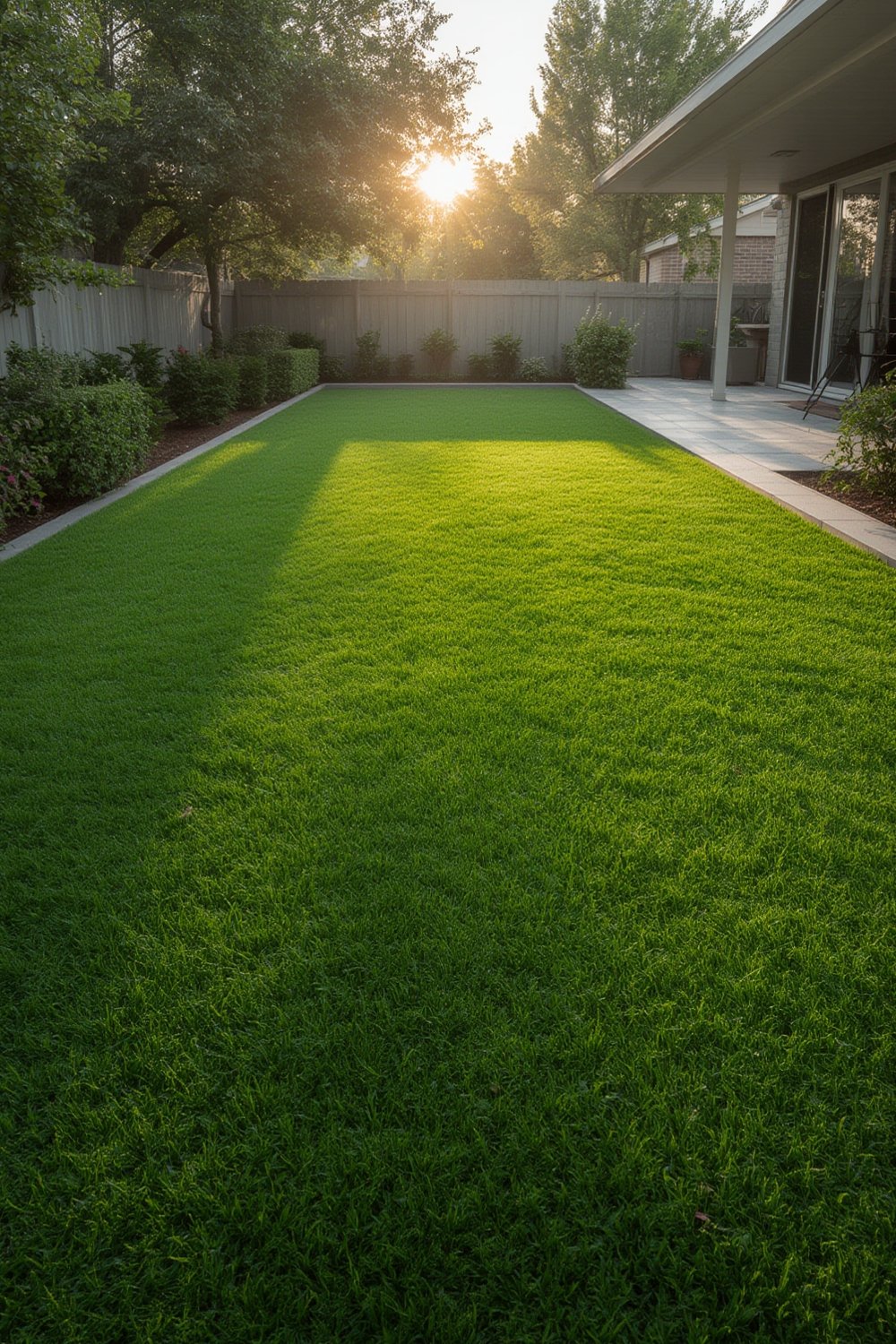
The typical modern artificial lawn uses a blend of polyethylene, polypropylene, or nylon fibers. Beneath the grass-like surface is a system of backing and infill, which stabilizes the blades and improves drainage. Key reasons families pick synthetic grass include:
- Major savings on water, fertilizer, and maintenance time
- No mud, brown patches, or mess—ideal for heavy pet or child use
- Year-round green, even in shade or drought
- Return on investment through increased home resale value
With over 92% of 2024 US installation requests coming from homeowners, the trend is unmistakable. Turf is especially attractive in regions facing water scarcity or strict outdoor watering restrictions.
Source: IMARC U.S. Artificial Turf Report, The Turf Yard
How to Install and Maintain Artificial Grass Turf: Step-by-Step Guide
Installing artificial grass turf is DIY-friendly for small lawns, patios, rooftops, and pet zones. For large or complex areas, many homeowners prefer to work with a professional installer.
- Design Your Lawn
Measure and mark the planned area. Clear away debris, plants, and obstacles. Consider where seams will fall and how to camouflage edges. - Excavate and Prepare Base
Remove natural grass and soil to a depth of about 3-4 inches. Grade the soil for proper drainage. Compact the base and add a crushed stone layer. Aim for a flat, slightly sloped surface. - Install Weed Barrier
Lay down a geotextile weed membrane to keep out unwanted plants. - Lay Artificial Grass Turf
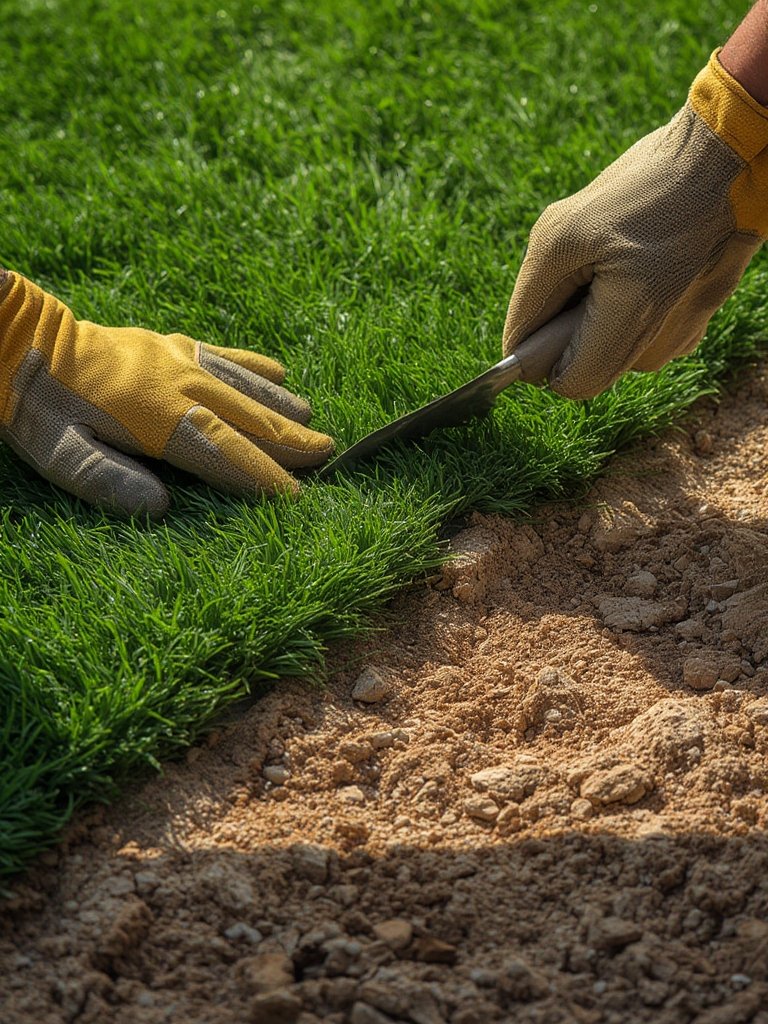
Roll out turf strips in the same direction to avoid color mismatches. Trim edges neatly with a sharp utility knife. Use turf tape or adhesive for seams. - Secure the Turf
Fasten the perimeter with galvanized landscape spikes every 6-8 inches. Double-check that everything lies flat. - Add Infill Material
Apply silica sand or a suitable infill to weigh down the turf, support the fibers, and help with drainage. Use a stiff broom to brush the infill evenly and raise the grass blades. - Inspect and Enjoy
Check for any uneven spots or loose edges. Hose down the grass to help settle the infill and remove any stray debris.
To keep your new lawn in top shape:
- Hose off dust, pollen, pet waste, or spilled food regularly
- Remove leaves using a leaf blower or plastic rake—avoid metal prongs
- Brush high-traffic spots every month to keep blades upright
- Treat stubborn odors or stains with enzyme-based safe cleaners made for turf
Flexible use and minimal maintenance help explain why artificial surfaces are now found alongside other modern pet innovations like wireless GPS dog fences and smart litter boxes for seamless family and pet life.
Advanced Analysis: Problems, Pitfalls, and Comparisons
No solution is perfect—here are realistic drawbacks and how a smart approach can help sidestep disappointment.
Common Pitfalls in Residential Artificial Turf
- Heat Retention: Artificial grass can get hot in full sun, especially compared to natural grass. Infills, light-colored turf, and occasional rinsing help but don’t fully fix the issue. [Source]
- Poor Drainage: Improper base prep or low-quality turf backing can cause puddles or odors—particularly if pets are present.
- Edge Lifting or Visible Seams: Rushed or incorrect installation leaves unsightly lines or tripping hazards.
- Environmental Impact: Most artificial turfs are not biodegradable. Disposal and material choice matter for eco-minded buyers. [Source]
- Poor Pet Odor Control: Pet urine can leave persistent odors if infill isn’t carefully chosen and maintained.
- Installation Costs: The up-front price for turf is several times higher than sod, though lifetime maintenance is much lower. Many competitor articles skip hard numbers—ask local installers for realistic quotes.
| Artificial Grass Turf | Natural Grass | |
|---|---|---|
| Purchase & Installation | High up front ($5-15/sqft installed) | Low to moderate ($1.5-3/sqft sod + labor) |
| Annual Maintenance | Minimal (cleaning, infill, brushing only) | Mowing, watering, fertilizing, weeding |
| Water Use | Near zero | High (esp. in drought-prone areas) |
| Heat Retention | High in sun; moderates with infill/tech | Low (cools surrounding area) |
| Pet-Friendliness | Excellent with right infill; odor risk | Good, may have mud and dead spots |
| Lifespan | 10-15 years (varies by traffic & brand) | Unlimited, but requires reseeding, patching |
| Environmental Impact | Reduced water/chemicals, landfill issues | Higher ongoing resource use, compostable |
To get the most from your investment, stick to turf brands designed for heavy use and pets. Look for those touting resilience, advanced drainage, and UV resistance. If you have pets, check reviews for odor control and traffic durability—many solutions offer special infill or antimicrobial coatings, even if top competitors rarely discuss these specifics.
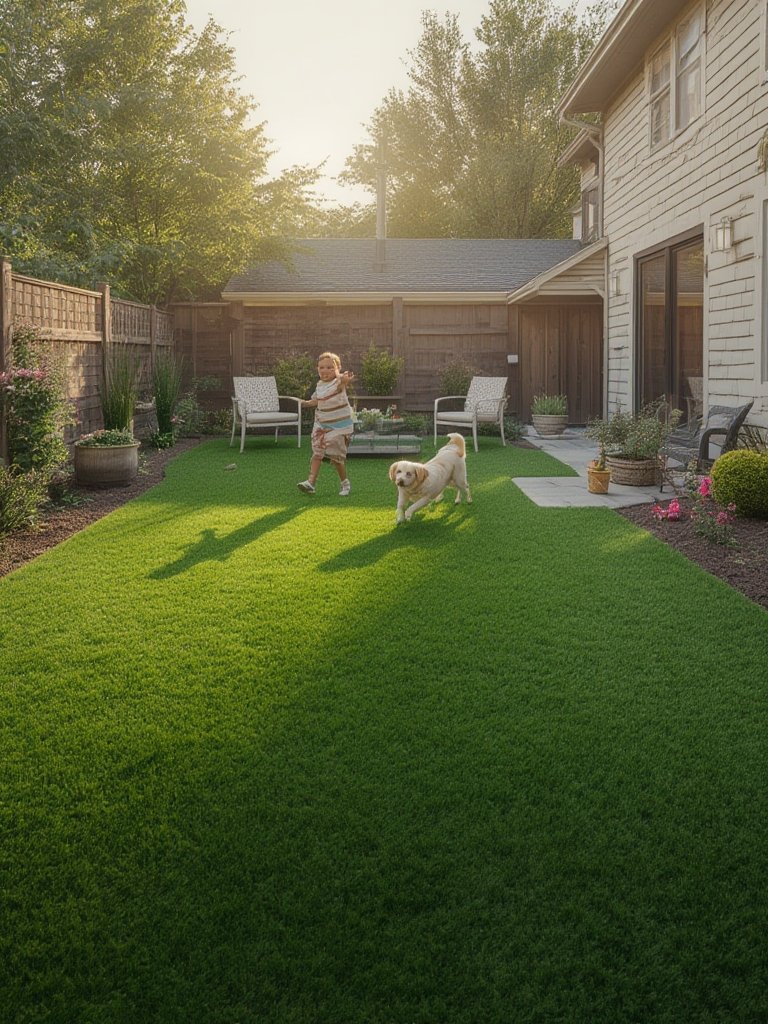
Homeowners report the best experiences when artificial turf is paired with other pet-friendly home upgrades like dog enrichment toys and a quiet pet water fountain to complete an outdoor pet zone.
Installers and turf buyers should stay updated with the latest research, as new eco-friendly and lower-heat materials are regularly coming to market.
Source: Industry Research: Artificial Grass Turf Market
Conclusion: Should You Choose Artificial Grass Turf?
Artificial grass turf offers considerable lifestyle improvements for US families seeking minimal upkeep, water savings, and a truly pet-friendly yard. The up-front investment is higher than almost any natural option, and you should be realistic about potential heat buildup or drainage issues. Still, for busy professionals, pet owners, or those living in drought-prone states, the advantages often tip the scale in favor of synthetic turf. Always compare product specs, check installation reviews, and consider the specific climate and use conditions of your property.
Ready to reclaim your weekends and enjoy a lush, durable lawn with artificial grass turf? Get quotes from local pros, ask about new pet-friendly technologies, and explore more ways to create the ultimate low-maintenance home for both you and your pets.
Frequently Asked Questions
How long does artificial grass turf last before it needs replacement?
Most quality artificial turfs last 10-15 years with regular cleaning and brushing. High-traffic or pet-heavy areas may show wear sooner and need patching or refresh branches over time.
Does artificial grass get hotter than real grass?
Yes, artificial turf can get significantly hotter than natural grass in direct sun. Opt for light-colored, heat-mitigating infill, and provide shaded zones to help reduce discomfort for pets and kids in summer.
Is turf safe for pets and children?
Most modern artificial turfs are made with non-toxic, lead-free materials and feature safe, durable designs for kids and pets. For the best result, choose turfs marketed specifically as “pet friendly,” and maintain proper cleaning habits.
What’s the best way to control pet odors on artificial grass turf?
Use a Zeolite or antimicrobial infill and flush potty areas with water regularly. Enzyme cleaners designed for turf will help neutralize odors from pet urine. Prompt cleaning makes a huge difference.
Can you combine artificial grass turf with other outdoor upgrades?
Absolutely. Many homeowners link easy-care turf with features like a smokeless fire pit, roller pet hair remover, or dog cooling vest for a truly modern, pet- and family-friendly outdoor living space.
—