

### Blog Post:
Acoustic door seal kit soundproof solutions are essential for anyone who needs to reduce noise leaks quickly and effectively—whether you’re in a busy apartment, a home office, or a high-traffic commercial space. This guide reveals exactly what works, how to install it, and what to watch out for before you invest.
Key Takeaways
- Modern acoustic door seal kits can reduce noise by up to 51 dB—technology used in both homes and commercial settings.
- Proper installation is critical to effectiveness; not all kits are equal, and some require careful fitment over multiple sessions.
- Material choice, such as rubber or silicone, and targeting all air gaps are the biggest factors in maximizing soundproofing impact.
Table of Contents
What Is an Acoustic Door Seal Kit Soundproof Solution?
An acoustic door seal kit soundproof solution is a set of specialized weatherstripping strips, drop seals, and gaskets designed to close every air gap around a door. Their main purpose is simple: reduce the transfer of airborne sound from one room to another, typically by up to 20–51 decibels (dB) with lab-tested products.
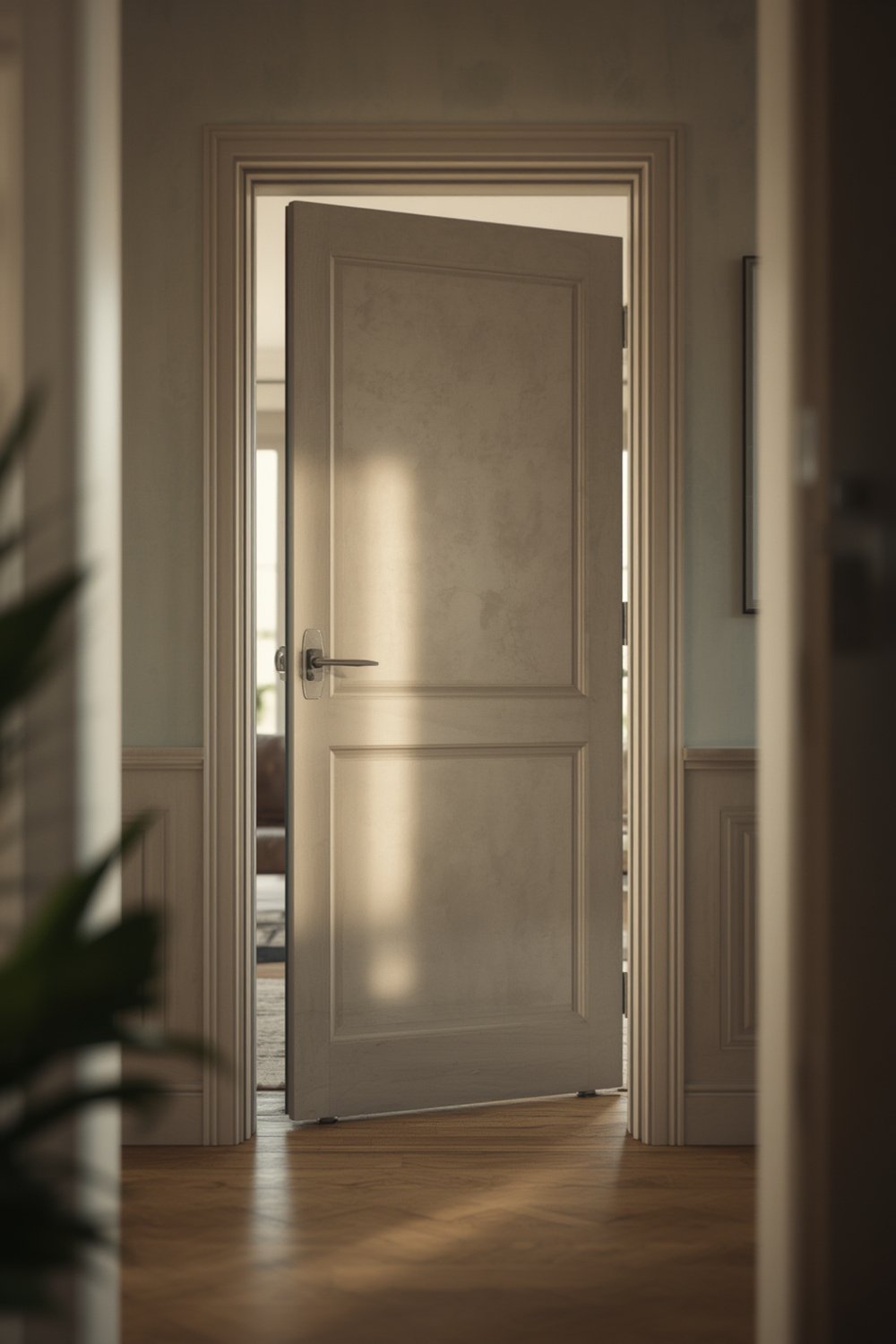
Door gaps are the easiest way for noise to slip through, no matter how dense your walls are. Even a few millimeters of open space can let in traffic, conversation, or entertainment noise from public spaces or neighboring rooms.
Most kits use a mix of materials like rubber or silicone, foam, or PVC for their sealing action. Some advanced models even use automatic drop-down mechanisms—these can block up to 51 dB, as shown by Norseal’s new Schall-Ex system (source).
The benefits go far beyond just apartments. Professional recording studios, theaters, hospitality venues, and office meeting rooms frequently install door seal kits to meet strict noise control or privacy requirements (source). Even home offices, bedrooms, and nurseries can benefit—especially in dense urban environments where privacy is a daily challenge.
If you’re trying to create a quiet home workspace or want to block TV or hallway noise, upgrading your door with an acoustical seal kit is often the most cost-effective project—sometimes even more practical than bulky soundproof wall panels. For more on treating adjoining walls, see our complete soundproof wall panels guide.
How to Install a Soundproof Door Seal Kit: Step-by-Step Guide
The quality of the installation is just as important as the quality of the kit. Here’s how to do it right:
- Choose the Right Seal Kit:
- Measure your door and note the gap sizes at the top, sides, and bottom.
- Pick a kit that matches your door type and covers all gaps—including a sweep or Automatic Drop Seals for the threshold.
- Select materials known for high sound attenuation, like rubber or silicone gaskets. magnetic kits can be an option for metal doors but are rare in residential settings.
- Prepare the Door Surface:
- Clean the frame thoroughly—all debris, dust, and old adhesive must be removed.
- Open and close the door to ensure it swings freely; mark any surfaces that might interfere with added seal thickness.
- Apply Perimeter Seals:
- Cut the side and top seals to size using scissors or a utility knife.
- If your kit uses adhesive, remove backing and press the strips firmly onto the frame. For screw-on types, pre-drill if necessary and attach using included fasteners.
- Install the Door Bottom Sweep or Drop Seal:
- If your door sweep is adhesive-backed, apply in a single pass, pressing hard for a full seal. For drop-down models, screw into the bottom edge (often requires a screwdriver or small drill).
- Some high-end drop seals automatically lower when the door closes and retract when it opens—these maximize performance, especially for reducing low-frequency sounds (source).
- Check for Leaks:
- Shut the door and inspect for visible gaps.
- Move your hand around the perimeter of the closed door; if you feel air movement, reseal those sections.
- You can use a flashlight in a dark room to check for light leaks (which often mean sound leaks, too).
- Test Your Results:
- Use a smartphone dB meter or a cheap sound level meter. Play audio or speak on one side and record the reduction on the other—realistically, expect a 10-20 dB drop for basic foam or rubber kits, and up to 51 dB for high-end modular seals.
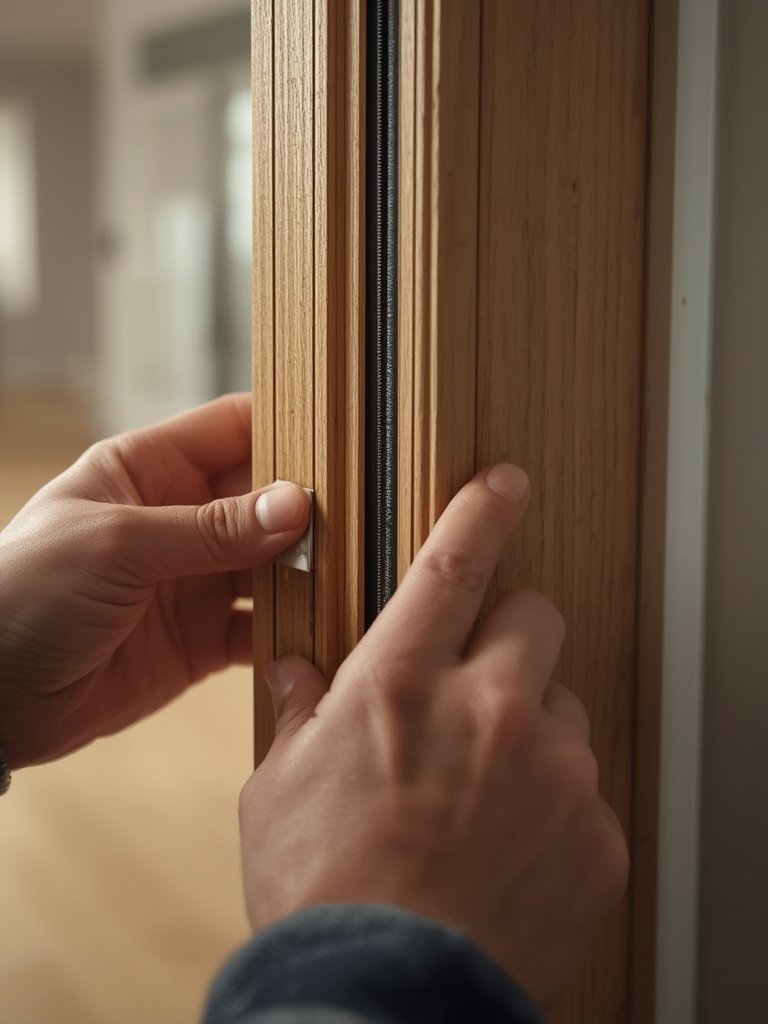
Installing these kits is usually doable in under an hour with limited tools—scissors, a utility knife, screwdriver, and measuring tape. Some users report needing to trim seals multiple times for a perfect fit, especially on older doors or custom frames.
For apartment renters or those in dorms, stick-on kits cause no damage and can be removed when you move out. If you want more DIY soundproofing projects for renters, check our peel and stick wall panels guide.
Advanced Analysis & Common Pitfalls
Now for the reality check: not all acoustic door seal kit soundproof solutions deliver stunning results out of the box. Here’s what lab data and field use reveal:
- Installation Pitfalls: Even the best kit is useless if gaps are missed. Common mistakes include:
- Not sealing the threshold—door bottoms are the loudest weakspot.
- Failing to account for latch-side or hinge gap variations.
- Poor adhesion on textured or contaminated surfaces.
- Durability Concerns: Long-term performance depends on material and installation quality. Foam and low-cost PVC strips can compress or peel with frequent use, especially in offices or high-traffic doors. Upgrading to rubber or silicone can pay off in the long run.
- Real-World Effectiveness: Most doors reduce about 20 dB simply by being closed, according to independent dB meter tests (source). Sealing gaps offers an additional 10–30 dB, with top-tier modular kits hitting 51 dB but only on dense doors with proper frame fitment and, ideally, double-layer walls.
| Seal Kit Type | Max dB Reduction (Lab) | Ease of DIY Install | Durability | Estimated Cost (2024) |
|---|---|---|---|---|
| Basic Foam/Adhesive Strips | 10 – 20 dB | Very Easy | Low (can degrade in months) | Unknown/Varies |
| Rubber/Silicone Gasket Kits | 20 – 35 dB | Easy/Moderate | High (years) | Unknown/Varies |
| Automatic Drop Seals (e.g., Norseal Schall-Ex) | Up to 51 dB | Moderate (may require drilling) | Very High | Unknown (no avg data) |
A final limitation: average kit pricing and maintenance costs in both the US and UK remain unreported by major market research sources (source). Anecdotally, expect entry-level kits to be affordable (similar to popular window insulation kits), with professional automatic seals demanding a premium.
For the best overall reduction, pair your door seal kit with other acoustic treatments in adjacent rooms, and consider door upgrades if your current slab is hollow-core or lightweight.

Looking to tackle other noise issues, like street noise from windows or floor vibrations? These other guides may help:
Conclusion
If you need a fast, effective way to cut unwanted noise, an acoustic door seal kit soundproof installation is a proven solution for both homes and businesses. The science is clear—door leaks are the weak point in most spaces, and sealing them can offer real reductions of up to 51 dB with the right products and a careful install.
You do not need to be a professional contractor; most kits install with basic tools in under an hour. For consistently high results, invest in quality silicone or rubber seals, check for air movement, and don’t neglect the threshold gap. Ready to choose your kit? Start with a tested solution—see our full buyer’s guide: Acoustic Door Seal Kit Soundproof.
Want more smart upgrades for quiet, comfortable living? Explore our latest tips on smart thermostats and outdoor storage sheds.
FAQ
How much noise can I realistically block with a door seal kit?
In lab and field tests, expect a reduction from 10 to 51 dB depending on seal quality, installation, and door construction. Most DIY foam kits achieve around 15–20 dB; advanced drop seals on dense doors can block up to 51 dB.
Are acoustic door seal kits easy to install without professional help?
Yes. Most kits are designed for self-install and require only basic hand tools. Adhesive types are easiest, but precise measuring and trimming are essential for the best seal.
What is the best material for a noise blocking door sweep kit?
Silicone and rubber are preferred for both longevity and acoustic performance. Foam is affordable but degrades faster in high-use areas. Magnetic seals are rare but effective for certain metal doors.
Can I use a soundproof door seal kit in rental apartments?
Most adhesive kits are removable and non-destructive, making them ideal for renters. Just check your lease before installing any screw-in components.
Do I need to seal all four sides of the door?
Yes—the threshold (bottom gap) is especially important for proper soundproofing. Missed gaps will allow noise to pass through.