

Modular sectional sofa designs are reinventing urban living—offering flexibility, space efficiency, and a fully customizable approach to lounging that’s hard to beat in 2024.
Key Takeaways
- Modular sectional sofas are surging in popularity, especially among millennials and urban renters, due to their flexibility and customizable layouts.
- Quality varies widely based on frame construction, fabric choices, and modularity limits—choose wisely for durability and ease of use.
- Advanced modular sectionals can adapt to unusual or small layouts and increasingly incorporate sustainable and smart home features.
- The Core Concept: What Makes Modular Sectional Sofas Different?
- Step-by-Step Guide: Choosing and Setting Up a Modular Sectional Sofa
- Advanced Analysis & Common Pitfalls
- Conclusion
- FAQ
The Core Concept: What Makes Modular Sectional Sofas Different?
A modular sectional sofa is a seating system made up of independent sections or “modules”—think seats, corners, chaises, armrests, and ottomans—which can be reconfigured to fit any living room, apartment, or basement instantly. Unlike traditional sectionals, these offer easy rearrangement when you move, host guests, or re-style your space.
Market demand is booming: in 2024, the global sectional sofa market, including modular variants, is valued at $39.2 billion, on track to hit $62.7 billion by 2033.[1] Millennials, renters, and city dwellers are leading the way—drawn to space-saving, moveable sectionals for open-plan and compact living.[2] L-shaped and U-shaped modular sofas dominate residential applications, making up 34% of the segment.
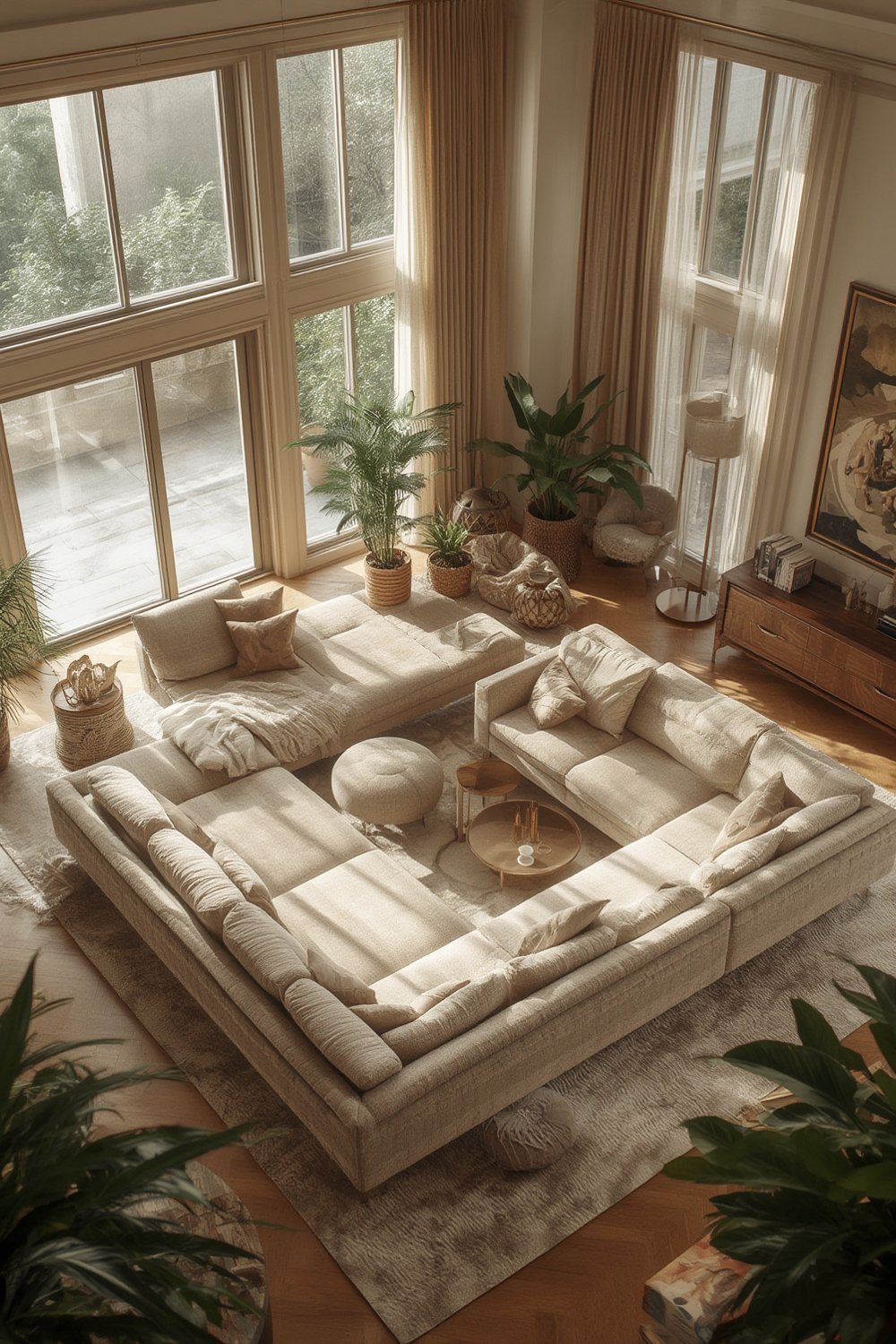
These sofas are not just about style—they’re also highly practical. If you want flexible living arrangements or plan to move soon, a modular design is ideal. It also lets you swap out colors or modules for a quick upgrade without replacing the entire piece. Newer high-quality models even integrate eco-friendly fabrics and smart features, though most focus on simplicity, ease of assembly, and adaptability.
To dive deeper into trends affecting space-saving, renter-friendly renovations, see our guide on peel and stick wall panels.
Step-by-Step Guide: Choosing and Setting Up a Modular Sectional Sofa
- Measure your space accurately.Note wall lengths, existing furniture, windows, and doors. Modular sectionals maximize small or odd-shaped rooms, but only if you avoid crowding entryways and allow enough room to walk around. Use painter’s tape to outline the planned configuration on your floor.
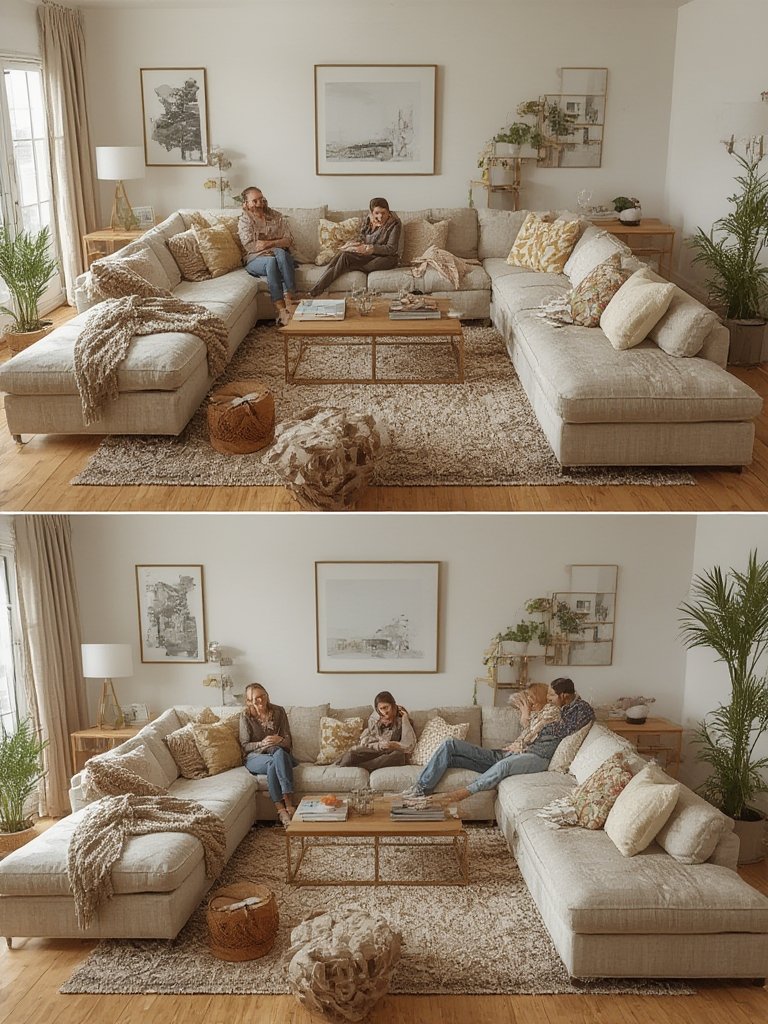
- Determine your primary configuration needs.Decide if you need an L-shape, U-shape, or symmetrical options. Will it ever need to transform into two smaller couches for guest sleepovers? Many modular sectional sofas are engineered for both large open spaces and compact setups. For tight spaces or flexibility, consider modulars that break into multiple discrete sections.
- Research core build quality.High-quality modular sectionals have kiln-dried hardwood or engineered wood frames. Connector systems (clips, brackets, magnetic locks) should feel secure yet allow for easy rearrangement. Look for fabric rating information—42% of the market now favors resilient fabric covers, with eco-friendly, microfiber, and synthetic blends gaining traction.[3] Avoid models with limited spare parts or poorly-documented assembly instructions.
- Choose upholstery wisely.Consider how easy it is to clean or update upholstery. Removable, washable covers outperform glued fabrics for urban homes with pets or frequent guests. Explore options like recycled textiles or faux leather for a sustainability edge, similar to premium finishes featured in our cat sofa buying guide.
- Test the modularity limits.Some brands let you upgrade, add modules, or even swap armrests and chaise lounges. Ask if you can buy extra sections and if connectors are compatible with new parts. Make sure you can reconfigure it yourself without special tools.
- Plan for delivery and assembly.Modular sectional sofas usually arrive flat-packed or in multiple boxes. Review delivery timelines and check if the brand offers in-room setup for an extra fee. Prepare for minor wobbling or misalignment on uneven floors (common for modulars that lack sturdy connector designs).
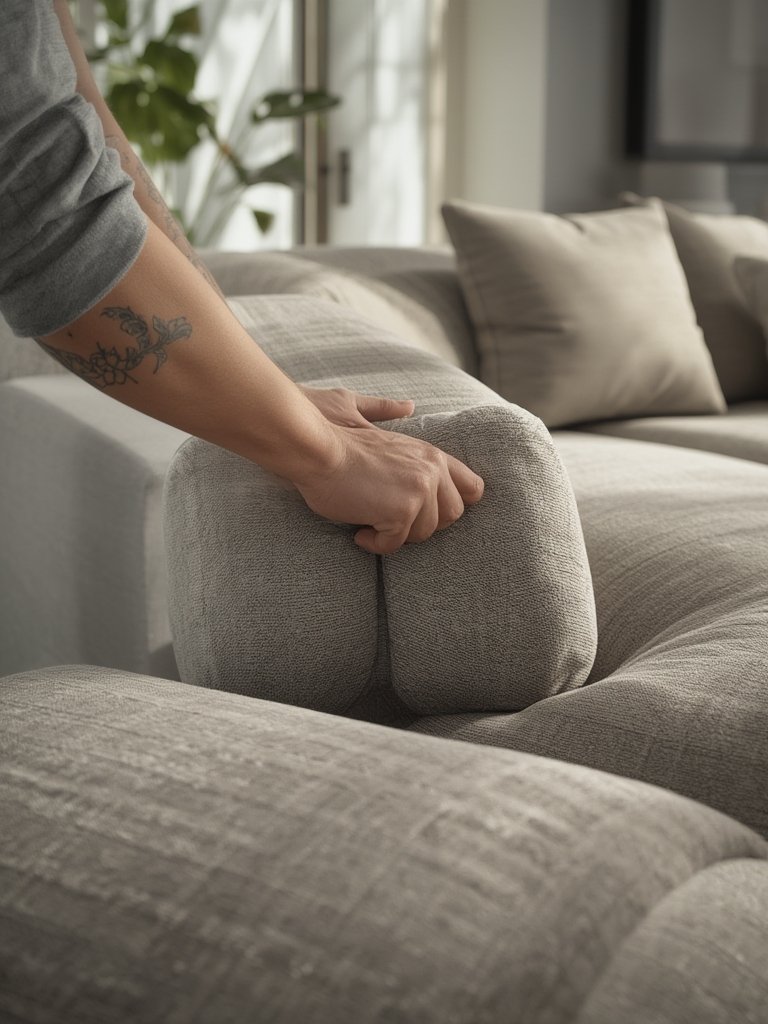
For pet owners, consider quick-clean modular upholstery as described in our pet hair remover guide, and look for stain-resistant fabrics that suit family or urban use cases.
Thinking ahead? Choose modulars with future upgrade compatibility. Smart designs already allow app-controlled lumbar support and integrated device charging—features evolving rapidly thanks to trends seen in our smart pet feeder guide.
Advanced Analysis & Common Pitfalls
Modular sectional sofas are not flawless. Here’s what the research—and real-world experience—shows.
Common Pitfalls and Problems
- Shifting Sections: Many low-cost modulars use weak connectors that let pieces drift apart under regular use.
- Limited Upgradeability: Some brands lock users into proprietary connectors or limit module options in future years—check compatibility before you buy.
- Assembly Confusion: Flat-pack sectionals may arrive with unclear instructions, misaligned frames, or missing parts. Always verify package contents on arrival.
- Fabric Wear: While fabric-based modulars dominate (42% market share), low-cost synthetics are prone to pilling or fading. Choose the highest durability rating your budget allows.
- Lack of True Modularity: Some “modular” couches only pseudo-rearrange, with fixed sections pretending to be flexible. Inspect connection diagrams and customization options before buying.
- Room Size Limits: In large spaces, small modulars may look underwhelming or leave dead space. In tiny apartments, oversized models may block walkways.
Modular Sectional vs Traditional vs Standard Sofa: Quick Comparison
| Feature | Modular Sectional Sofa | Traditional Sectional Sofa | Standard (Non-Modular) Sofa |
|---|---|---|---|
| Flexibility | Multiple layouts and upgrades possible; ideal for moving, growing households, or unusual rooms | Fixed layout; left or right facing, rarely reconfigurable | Single shape; limited adaptability |
| Ease of Setup | Usually tool-free, box delivery, modules click together | Larger pieces, hard to move through doorways | One-piece delivery; simplest install |
| Sustainability | Best; replace only modules, upgrade covers, more eco materials in 2024+ models | Poor; must replace whole sofa if damaged | Average; fixed frame limits updates |
| Comfort | Variable; depends on build, connectors, and fabric | Usually more plush, stable | Consistent, but less adaptable |
| Common Issues | Modules sliding, missing upgrade parts | Difficult to move or rearrange | Lacks flexibility/room customization |
Direct durability and maintenance comparisons are limited, as detailed in the latest research. Material shortages and global supply chain issues mean that across all types, wait times or rising costs may be an issue.
For rooms that need to serve multiple purposes, combine your modular setup with vertical storage. Our garage storage system guide provides inspiration for maximizing square footage.
Conclusion
The modular sectional sofa is the ultimate adaptable living room upgrade for 2024—transforming not just home layout, but daily life. While pitfalls like sliding modules or limited future-proofing exist, careful research and realistic expectations lead to years of flexible, comfortable use. To make the most of your modular sectional sofa, review your configuration options, invest in durable fabrics, and ensure future expandability. Ready to redefine your living space? Start exploring modular options and see how this modern centerpiece can upgrade your home.
FAQ
Are modular sectional sofas easy to assemble on your own?
Yes. Most modular sectionals are designed for tool-free setup. Modules simply click or slot together. Always check that all connection hardware arrives with your order and refer to instructions for the specific connector system.
Can I buy more modules later to expand my modular sectional?
Usually. Many brands let you purchase extra seats, chaises, or ottomans. Before buying, confirm future module availability and that newer parts will be compatible with your original connectors.
What are the downsides of modular sectionals?
Common frustrations include sliding sections (especially on hardwood), modules that may be out of stock for upgrades, less plush feel than one-piece sofas, and occasionally limited instructions or spare parts availability.
How do modular sectionals compare in price to traditional sofas?
It depends. Entry-level modulars can be similar in price to mid-range standard sofas, but higher-end modular systems can be pricier, especially with durable frames or premium fabrics. Look for deals and promotions to get the best value.
Are modular sectional sofas suitable for small apartments?
Absolutely. They’re especially popular among city dwellers and renters for their space-saving flexibility. You can break them into smaller pieces or rearrange them when moving furniture or redecorating.