

Window insulation kit use is one of the fastest, most affordable ways to cut winter heat loss, especially for older or single-pane windows. But do these kits really work—and are they worth it for your home? Here’s what you need to know before grabbing that roll of plastic film and tape.
Key Takeaways
- Window insulation kits can cut window heat losses by up to 35% but generally average closer to 15% savings in real-world homes.
- Installation challenges, appearance issues, and limited durability are common downsides—expect temporary improvement, not a permanent fix.
- Kits are a low-cost, DIY-friendly solution but don’t match professional air sealing for effectiveness or lifespan.
- What Is a Window Insulation Kit and Why Use One?
- How to Install a Window Insulation Kit (Step-by-Step)
- Advanced Analysis & Common Pitfalls
- Conclusion
- FAQ
What Is a Window Insulation Kit and Why Use One?
A window insulation kit is a DIY product—often shrink film plastic and double-sided tape—designed to seal windows during cold months. The goal is simple: reduce cold drafts and heat loss through existing windows by adding an airtight layer that traps air against the glass. There’s no permanent alteration, and kits cost much less than professional window upgrades or replacement.
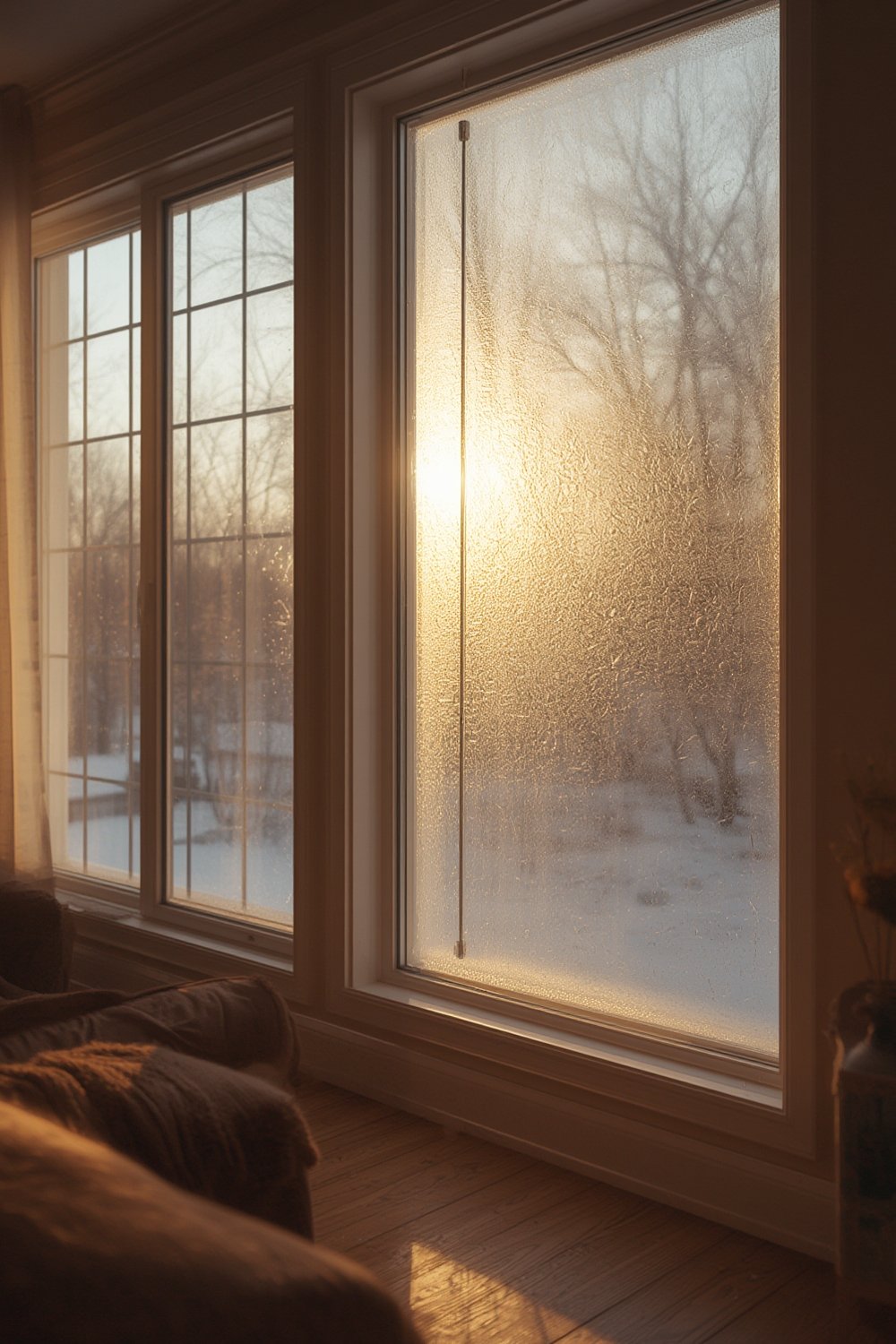
Most kits are applied to the interior window frame using adhesive tape, with the plastic tighted using a hairdryer. This extra layer creates a barrier, slowing heat transfer. According to the EPA and leading consumer experts, typical window insulation kits can cut up to 35% of window-related heat loss for single-pane windows, but whole-home heating savings from full air sealing (windows plus doors and cracks) average 15% annually [source].
The low cost—usually $10 to $20 per pack covering several windows—makes kits attractive compared to expensive pro air sealing or window replacement. For DIYers, the process is quick and non-permanent. Products like Frost King or Simply Conserve are readily available at local hardware stores and online, and most renters can use them without damaging window frames during removal.
However, the benefits really depend on installation quality and window type. The kits work best on old, single-pane windows prone to leaks and drafts. Their ability to improve double-pane or modern, well-sealed windows is very limited.
If you’re considering projects to improve other areas of home comfort and efficiency, take a look at our guide to smart thermostat installation—an especially popular upgrade for increasing home energy performance.
How to Install a Window Insulation Kit (Step-by-Step)
Ready to insulate? Here’s a practical breakdown of the process, focusing on what trips up most homeowners and how to avoid the big mistakes.
- Gather Tools: You’ll need your chosen window insulation kit (film and tape), scissors, rubbing alcohol or vinegar for cleaning, and a hairdryer.
- Prepare the Window: Remove all curtains and blind hardware if possible. Wipe the glass and window frame (not just the glass) thoroughly, then let dry for at least 5 minutes.
- Apply Tape: Stick the double-sided tape along the perimeter of the window frame, pressing firmly for at least 10 seconds per segment. For sliding or casement windows, cut and “miter” tape corners for a tighter seal if needed.
- Attach the Film: Unfold and gently stretch the clear film over the taped frame. Start from the top edge, sticking the film and smoothing downward. Avoid pulling too tight immediately—this helps prevent tears.
- Seal and Shrink: Use a standard hairdryer (on low/medium heat) to gently shrink the film, sweeping slowly from top to bottom and side to side. Don’t hover the dryer—move constantly to avoid bubbles or melting.
- Trim Excess: Use sharp scissors to trim any overhanging film. Check for gaps and press down tape edges again if needed. Reinstall blinds or curtains only after the film is fully set and cool.
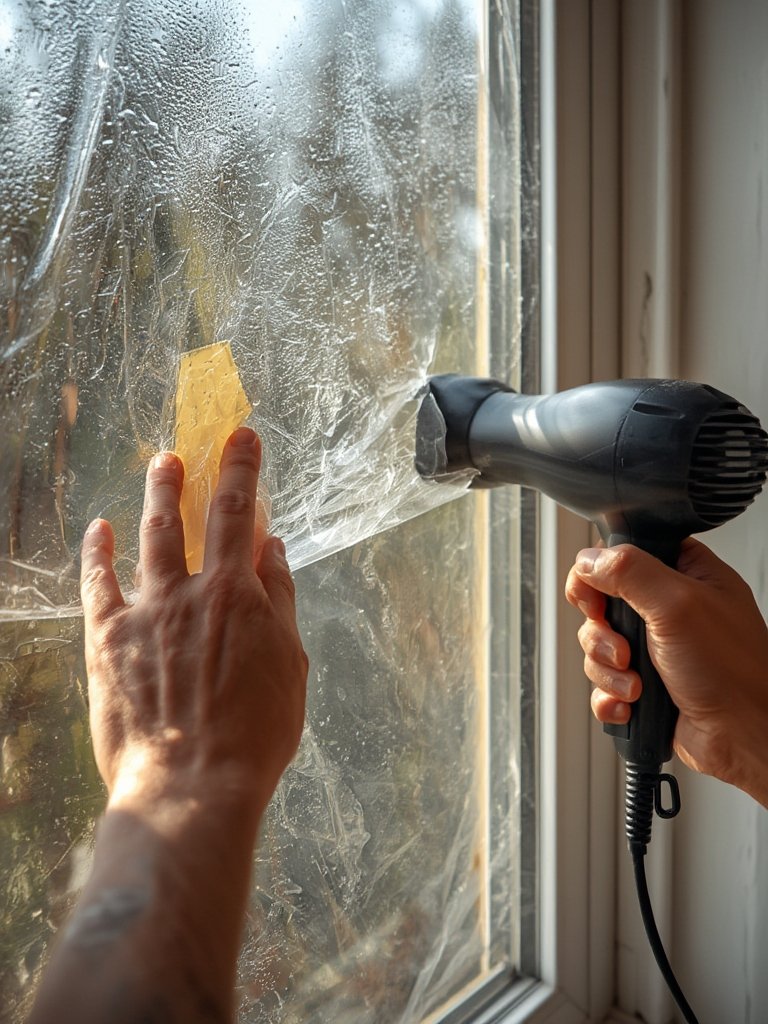
The process usually takes 15 to 30 minutes per window, and a typical home (4 to 6 windows) can be finished in under a day. For reference: professionals offering window/door sealing usually prefer foam or caulk, handling 10+ windows and doors in under two hours, but at significantly higher cost.
When comparing to other home upgrades for comfort, see our guide on DIY wall panels—another renter-friendly project with visual and comfort impact.
- Removal: In spring, remove the film by gently peeling downward—minimize tape residue by softening it with a hairdryer, or try a few drops of cooking oil to help stubborn spots come off paint and vinyl frames.
Advanced Analysis & Common Pitfalls
Real-world performance varies because window insulation kits are not foolproof. By understanding the main complaints, technical features, and when (and where) kits offer value, you can avoid disappointment.
- Installation headaches: Film can tear or wrinkle during application. Bubbles form when the film is overheated or stretched unevenly. Tape may not adhere on dirty, greasy, or rough surfaces.
- Short lifespan: Most kits are made for only one season. In humid or sunny windows, the film may sag, yellow, or develop leaks after just a few weeks.
- Draft persistence: Kits block conduction but not always infiltration—frames, latches, and sash gaps can still leak air if not sealed. Sliding and casement windows see the most fit issues.
- Visual issues: Users frequently report film looking hazy, wrinkled, or even causing temporary glare or light reduction in sunny rooms. It’s not invisible.
Budget and window type matter, too. Here’s how kits compare to other common winter window solutions:
| Aspect | Draft Blocker (Bottom Seals) | Traditional Plastic Kit (Shrink Film) | Other Seal Kits (Weatherstripping/Foam) |
|---|---|---|---|
| Primary Mechanism | Blocks air infiltration at frame edges but limited insulation gain | Creates dead air space for higher R-value; up to 35% heat loss reduction (single-pane) | Seals movable parts and frames; mainly reduces drafts |
| Effectiveness on Heat Loss | Low (good for drafty frames only) | Moderate-high (if perfectly sealed), but minimal on double-pane | Moderate (best combined with film); no real “insulation” effect |
| Durability/Longevity | Reusable for multiple winters | One season; easily torn or sagged | Months to years (if caulk-based) |
High-quality window insulation kits average $10–$20 per pack (covering 3–4 windows), making them vastly cheaper than pro sealing ($500+ for whole-home treatment). For renters or those on a budget, this price difference is substantial [source].
But there are limits:
- Most brands offer only a returns-based satisfaction guarantee—no true multi-season warranty or promise of measurable savings.
- Eco-friendliness remains a pain point: most kits generate single-use plastic waste, and biodegradable alternatives degrade even faster [source].
- Competitor content rarely addresses how these kits (or weatherstripping) handle non-standard window types—expect more DIY challenge for sliding, casement, or vintage sash windows.
If you prioritize long-term durability or sustainability, or want to make your home more pet-friendly, see sustainable alternatives such as pet-friendly artificial grass, or consider a simple pet hair remover to keep your insulated home spotless.

Conclusion
Window insulation kits deliver real, if modest, comfort and heating cost improvements—especially in drafty, single-pane homes. Their main appeal is low upfront cost and DIY simplicity. Expect up to 35% reduction in window heat loss, but a practical whole-home saving closer to 15% when used as part of broader air sealing. Installation does take patience, and results aren’t permanent. For many, however, a window insulation kit is a practical first step to a more energy-efficient, comfortable home—without busting the budget.
Ready to upgrade your home’s warmth? Try a window insulation kit this winter and see the difference—just remember, the best results come from careful prep and realistic expectations. If you want to maximize all-season comfort, check out our guides on smart thermostats and vertical garden systems for more ways to make your house feel like home.
FAQ
How much can I save on heating bills with a window insulation kit?
Window insulation kits can cut window-specific heat loss by up to 35% in older, single-pane windows under perfect conditions. Realistically, whole-home heating bill savings will be closer to 10–15%, especially if combined with additional air sealing. See the EPA’s full breakdown for more on broader savings.
How long does a window insulation kit last?
Most window insulation kits last for one heating season (3–6 months). They are intended for temporary use and usually need replacing each winter, especially if you open or adjust the window regularly.
Do these kits work for all window types?
Kits work best on fixed, single-pane windows with flat surfaces. Sliding, casement, and older sash windows are harder to seal perfectly—installation takes more effort and results may not be as tight. Custom-fit may be required for non-standard frames.
What are the most common installation problems?
The biggest problems are tape not sticking (usually from dirty frames), film tearing or wrinkling, and air leaks where frames are uneven. A clean, dry surface is key. Heat-shrinking the film too aggressively can also cause holes or uneven finish.
Are there better, eco-friendly alternatives to plastic kits?
Some brands offer biodegradable shrink film, but these tend to break down even faster with repeated use. For a more sustainable approach, consider interior storm panels, heavy drapes, or weatherstripping—these generate less waste and can be reused for years.