

solar powered security camera solutions are quickly transforming the market for outdoor home and business protection, making them one of 2024’s fastest rising home security trends. If you’re considering going wireless, off-grid, and eco-friendly for your property’s security, this no-nonsense guide delivers the latest data, actionable steps, and pitfalls (that brands gloss over) to help you make a truly informed choice.
Key Takeaways
- The solar powered security camera market hit USD 1.98 billion in 2024, led by rapid adoption in Asia Pacific and North America.
- 67% of buyers pick wireless solar systems for easy outdoor installation and DIY setup—without wiring headaches.
- Weather and sunlight conditions remain the key limitation—long cloudy streaks can impact charging, causing reliability gaps.
- How Solar Powered Security Cameras Work (and Why Choose Them)
- How to Install a Solar Powered Security Camera Outdoors: Step-by-Step
- Advanced Analysis: Problems, Pitfalls, and Real-World Performance
- Conclusion & Realistic Recommendations
- Frequently Asked Questions
How Solar Powered Security Cameras Work (and Why Choose Them)
A solar powered security camera is a wireless surveillance device that uses an integrated solar panel to recharge its onboard battery, allowing you to secure remote locations without running power cables or relying on the electrical grid. These devices are optimized for outdoor deployment, making them ideal for driveways, rural properties, gardens, or locations lacking a convenient power source.
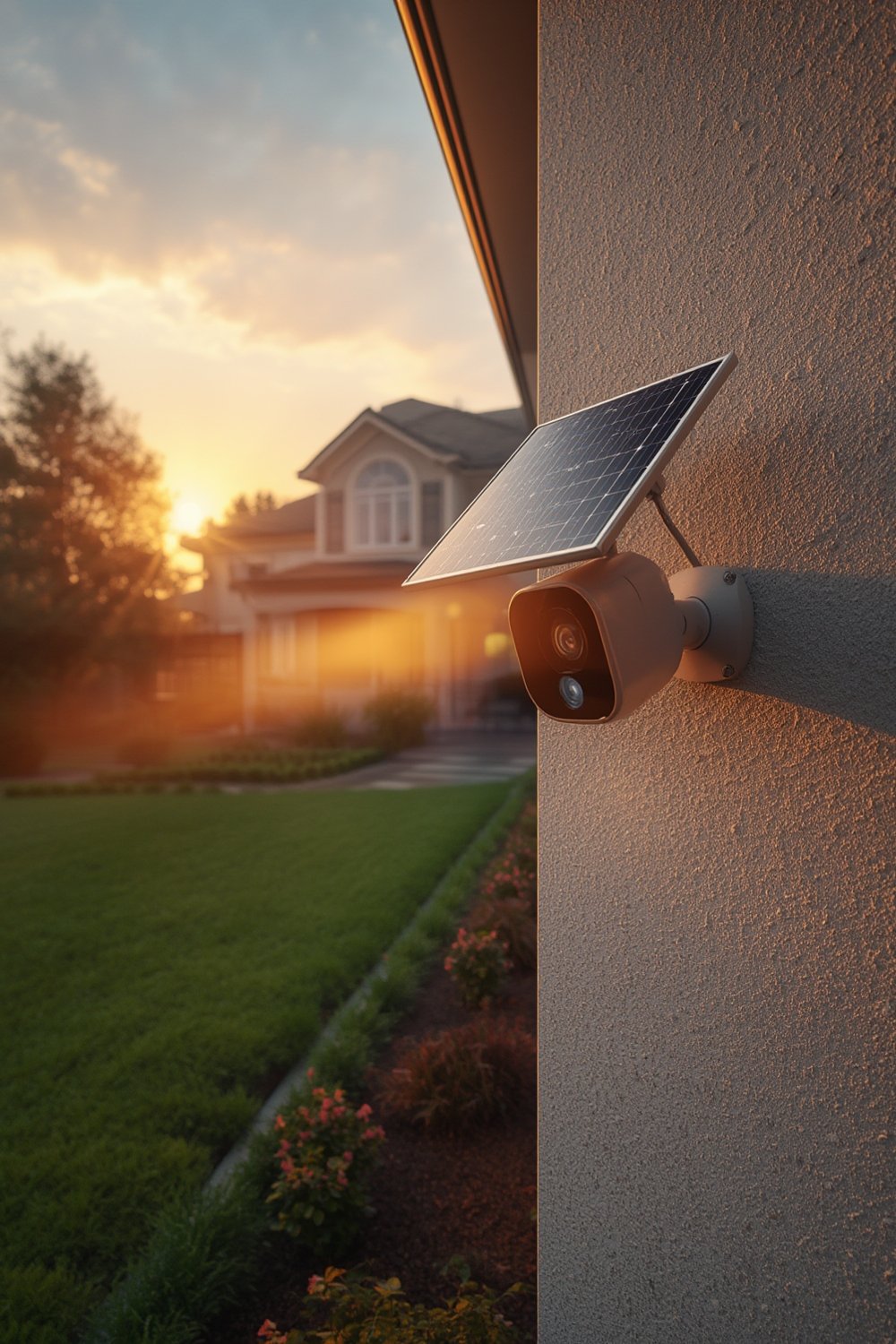
Why are they trending? The global solar powered security camera market topped USD 1.98 billion in 2024—with a projected CAGR of 13.7% through 2033. Homeowners and business users are drawn by the promise of sustainable 24/7 monitoring with no monthly power bills and minimal site disruption. DIYers, especially, flock to these cameras for their simple, wire-free setup: 67% of users opt for wireless solar systems to avoid the hassle of running cable.
Key growth regions include urbanizing parts of Asia Pacific and sustainability-focused areas in North America and Europe. Many leading models now rival their wired cousins in resolution, offering 2K–4K video (although not all cameras deliver the same reliability in low sunlight or poor weather).
Want more outdoor upgrades? See how a smokeless fire pit can expand your backyard nights, or check out pet-friendly artificial grass for a low-maintenance landscape solution.
How to Install a Solar Powered Security Camera Outdoors: Step-by-Step
Proper installation is the single most important factor in maximizing your solar powered security camera’s performance. Let’s break down how to get yours running—quickly, safely, and with lasting results.
- Choose Placement
Select a location that gets at least 4–6 hours of direct sunlight daily, ideally facing south. Avoid placing the solar panel in shade (from trees or structures), as this drastically cuts charging efficiency. Position your camera to cover important entranceways, driveways, or blind spots. - Gather Tools
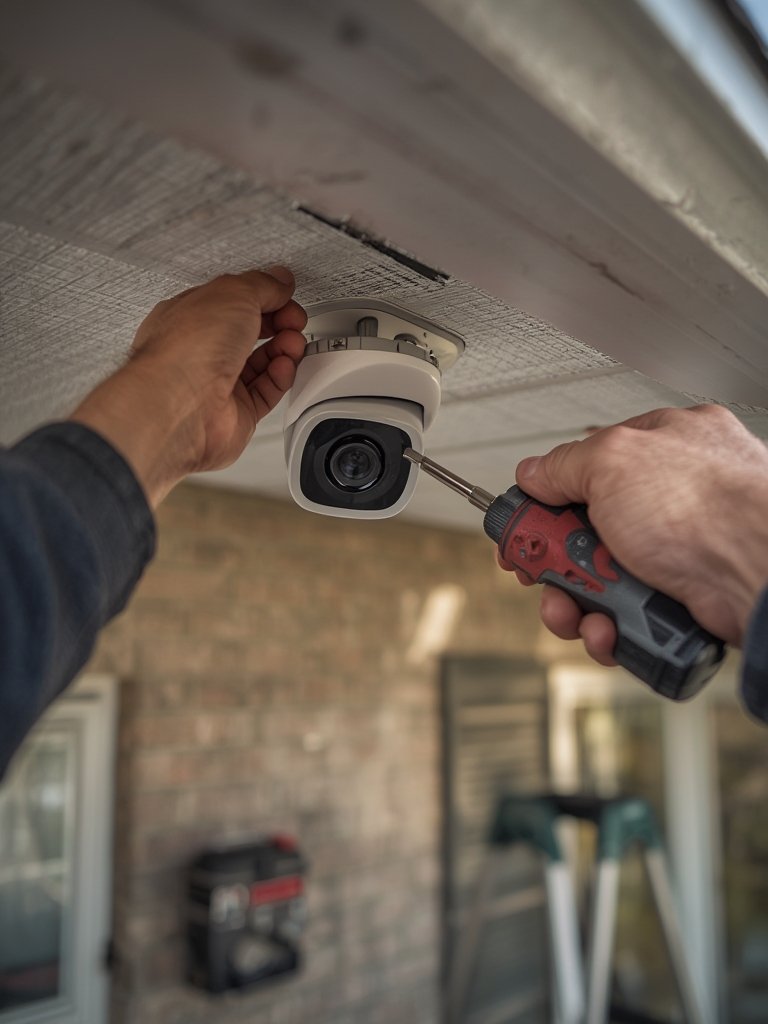
Most systems include mounting brackets and screws. At minimum, you will need a drill/driver, a Phillips screwdriver, and possibly a ladder. Advanced cameras may require a masonry bit for brick or concrete mounting. - Mount the Camera & Solar Panel
Secure the mount using the manufacturer’s hardware. Attach solar panel and set at a tilt angle matching your latitude, for best solar input. - Connect and Pair
Connect the panel to the camera. Follow the app’s WiFi/Bluetooth setup process. For outdoor units, consider connecting via 2.4GHz WiFi—the more stable choice over longer ranges. - Test and Adjust
Check live video feed for obstructions or glare. Activate motion detection to ensure your setup captures key zones. Adjust tilt and rotation to optimize the view. - Set Alerts and Storage
Configure mobile alerts in the app. Set up SD card recording, cloud backup, or both, depending on the security level you need.
If you’re tackling a fully off-grid build, you might also want to pair your camera with a battery lawn mower or even install a vertical garden system for a real sustainability upgrade.
Important: Be realistic—solar charging efficiency can drop up to 80% on overcast or snowy days. In areas with frequent cloudy spells, consider a camera with a high-capacity battery (10,000 mAh or more), and look for a model with weatherproofing rated at least IP65 for outdoor use.
Advanced Analysis: Problems, Pitfalls, and Real-World Performance
Solar powered security cameras aren’t magic bullet solutions. Here’s a look at the most common challenges and what the research actually shows:
- Weather Dependency: No sun means no charging. Extended periods of thick cloud, shade, or snow build-up can disrupt power, causing the camera to miss events or fully shut down until the battery recovers. Urban canyons and forested yards can be especially risky.
- No Universal “Plug-and-Play”: While over 67% of users choose wireless solar for easy DIY installation, some setups still require drilling, hardware tweaks, or careful WiFi range testing. Don’t expect total “tool-free” install if mounting on brick, concrete, or metal.
- Performance vs. Wired Cameras: Solar cameras now offer up to 4K video, but power constraints can impact frame rates and night vision. Wired models are always-on without battery concerns, while wireless solar units must balance sensitivity with battery life.
- Lack of True Industry Price Transparency: Market data does not yet include reliable 2024 average price ranges or ongoing maintenance/battery replacement estimates. Expect to pay a premium for leading brands with longer battery life and better solar panels.
- Limited Integration Details: Competitor articles often skip real-world stories about spotty smart home compatibility or confusing warranty claims. Always check specifics for Alexa, Google, or Apple HomeKit support—and read the fine print on return/replacement terms.
| Feature | Solar Powered Wireless Camera | Traditional Wired Camera |
|---|---|---|
| Installation | DIY-friendly, wireless, no trenching or outlet needed, mounts almost anywhere | Professional or skilled DIY, cables/wiring, limited by outlet/connection |
| Power Source | Solar panel + rechargeable battery (weather dependent) | Always-on AC mains power (consistent) |
| Typical Resolution | 1080p to 4K UHD (subject to battery limits) | 1080p to 4K UHD, usually constant performance |
| Connectivity | 2.4GHz WiFi, possible cellular backup (data fees) | Wired Ethernet or PoE, stable connection |
| Ongoing Costs | Minimal (possible battery replacement in ~3 years) | None (after initial install) |
What do the numbers say? Asia Pacific now leads global demand (USD 710 million in 2024, source). DIY momentum is here to stay—wireless solar has taken over 61% of the home security market. But you’re still at the mercy of local weather, so always size your panel and battery for your own climate and usage.
You’ll see similar DIY innovation in other smart home categories, like the rising popularity of the automatic litter box or wireless GPS dog fence for pet safety.
Conclusion & Realistic Recommendations
A solar powered security camera is a practical, sustainable way to secure your outdoors—especially for remote areas or when you don’t want to run wires. Rapid growth, better video quality, and simple DIY setups all work in your favor, but no system is flawless. Weather dependency, variable costs, and uneven smart home support mean doing your homework is essential. Ready to make your next move? Audit your property’s sunlight, pick a reputable brand, and consider upgrading your full outdoor setup for true peace of mind.
If you’re looking to maximize smart home or garden sustainability, explore smart sprinkler controllers or see what a soundproof wall panel can do for home offices or studios.
Take the next step: Review your outdoor sunlight exposure and start comparing the best wireless solar cameras for your needs—installation often takes less than an hour.
Frequently Asked Questions
Are solar powered security cameras weatherproof for year-round use?
Most leading models are rated IP65 or above, meaning they’re dust-tight and protected against water jets. Heavy snow, rain, or debris can still block the panel or cover the lens, so regular seasonal checks are recommended.
What happens if there’s no sun for days?
Performance drops as the battery drains. Some mid- and high-end cameras can run several days on a full charge, but extended periods of poor weather may cause the camera to shut down until sunlight returns. For critical locations, consider a hybrid setup with occasional battery swaps.
Can I connect solar powered security cameras to smart home systems?
Many WiFi-based models advertise Alexa or Google integration, but real compatibility varies. Always check the product’s app listing and community reviews for confirmed support with your smart home ecosystem.
How long do the batteries in solar security cameras last?
Batteries can typically last 2–3 years with normal use. High-capacity batteries may go longer, but eventual replacement is likely. Extreme temperatures, frequent storms, or heavy recording can shorten lifespan.
What tools will I need for DIY installation?
Usually just a drill, screwdriver, and ladder. Some surfaces (like brick or stucco) may require masonry bits or stronger anchors. Read the manual and prep all tools before you begin to avoid mid-install surprises.