

Under sink organizer solutions have become a must-have for homeowners frustrated by wasted cabinet space and messy cleaning supplies—but is the investment right for your home?
Key Takeaways
- The kitchen organizers market is booming, with under sink organizer demand rising thanks to home improvement and online shopping trends.
- Installation can be tricky—cabinet size, plumbing layout, and material may limit compatibility.
- Common pitfalls include missed measurements, limited durability, and overestimating storage gains—get realistic before buying.
- What Is an Under Sink Organizer and Why Do You Need One?
- How to Install an Under Sink Organizer: Step-by-Step
- Advanced Analysis & Common Pitfalls
- Conclusion
- FAQ
What Is an Under Sink Organizer and Why Do You Need One?
An under sink organizer is a pull-out tray, shelf, or rack system designed to maximize the typically cluttered, oddly-shaped cabinet space below your kitchen or bathroom sink. With market reports showing U.S. kitchen organizers sales climbing past USD 20 billion annually and steady growth ahead (source), more homeowners are choosing organizers for hassle-free cabinet access, better cleaning product storage, and streamlined daily routines.
Unlike the old days of stacking bottles in the dark, modern under sink organizers often come with pull-out baskets, adjustable shelves, and even specialty caddies to fit around pipes. They’re built for typical 15-36 inch wide base cabinets but options exist for most sizes.
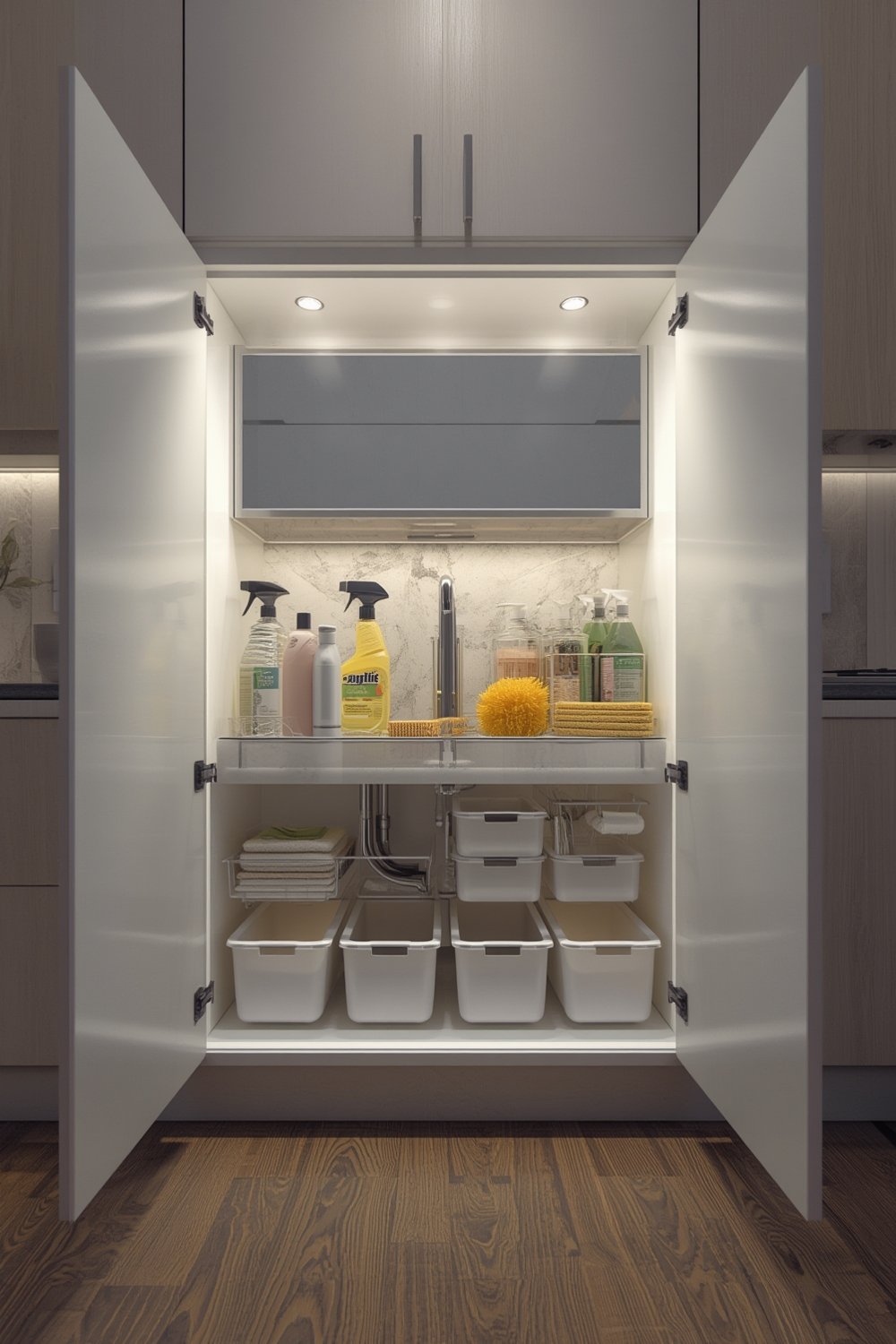
Why get one? You’ll instantly reduce cabinet chaos and make use of dead space. Plus, the demand for space optimization is only going up—as more people work from home, projects like vertical garden systems or peel and stick wall panels compete for the same urge: make every inch count. For pet owners, similar growth is seen in smart storage for pet hair removers and automatic litter boxes.
How to Install an Under Sink Organizer: Step-by-Step
Fitting an under sink organizer requires a bit more planning than dropping in a regular shelf. Here’s how to get it right the first time:
- Measure and Assess: Take exact measurements of your cabinet’s interior. Check where pipes, garbage disposal, or electrical outlets are located. Note shelves, hinges, or lips that could block sliding organizers.
- Select the Right Organizer: Choose a model sized for your cabinet and clear of obstacles. For narrow cabinets (less than 16″), look for vertical caddies; for wide spaces, dual pull-out drawers or tiered racks fit best.
- Gather Tools: You’ll likely need a drill, screwdriver, measuring tape, level, and (sometimes) a utility knife to cut liners or adapt the fit. Most kits include mounting screws.
- Dry Fit First: Place the organizer in your cabinet without securing it. Pull the trays or baskets in and out to ensure nothing hits pipes or cabinet walls.
- Install Base or Rails: Mark and drill pilot holes for the sliding rail or base. Screw the tracks/or base down, following instructions—level for smooth movement. Install baskets or trays on the rails.
- Test with Supplies: Load up your cleaning products or kitchen sponges and check movement. Make sure all trays can slide out fully without catching on anything.
- Adjust and Finalize: If needed, relocate the organizer or trim any obstacles. Add grippy liners under bottles to avoid spills.
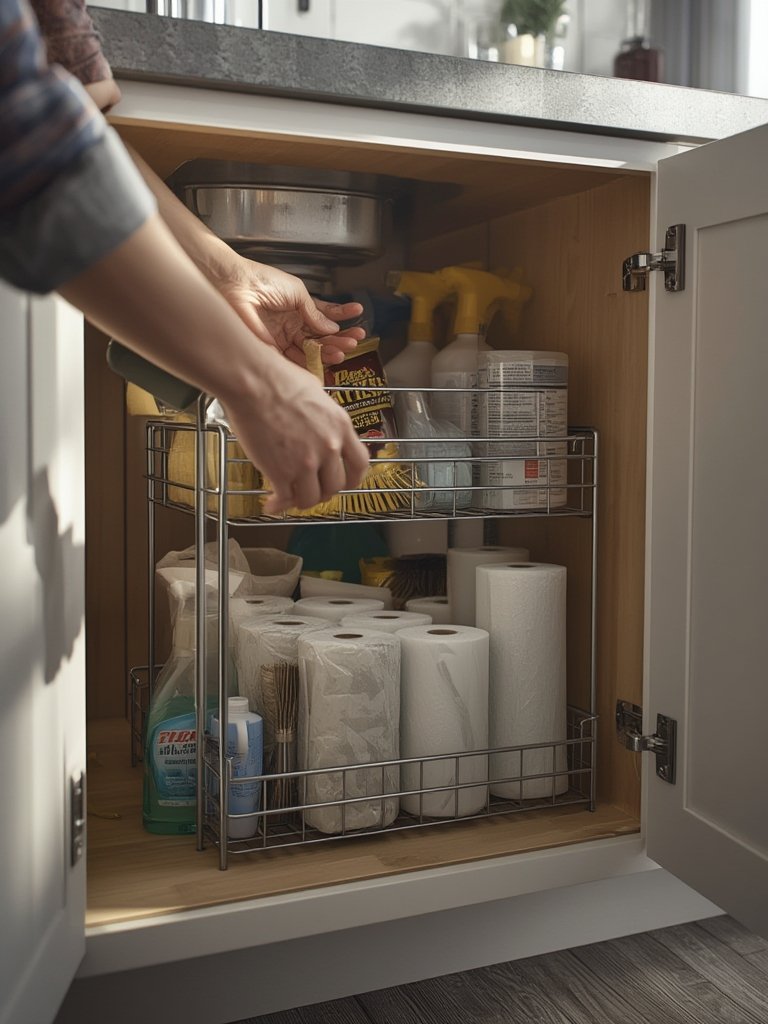
When installing, avoid over-tightening screws—they can strip thin particleboard cabinets. If your pipes are offset or take up a big section, consider modular organizers that snap together or stack, instead of one large pull-out tray.
Don’t forget, some pro-level organizers come with templates for perfect mounting—use them for a precise, rattle-free fit. If you want to coordinate your storage upgrades (say, next to a vertical garden system or under a pet-friendly grass setup), keeping the same brand or finish helps unify the look.
If you have limited mobility or concern about installation, most organizers are a DIY project, but handyperson help is easy to book if you prefer.
Advanced Analysis & Common Pitfalls
Despite high demand, installing an under sink organizer isn’t always smooth. Here’s what the current research and expert reporting reveal about real-world issues:
- Limited Size Selection: Many cabinets have center stiles (dividers) or tight, odd dimensions—some organizers simply won’t fit.
- Plumbing Obstacles: Drain pipes, garbage disposals, or water lines can block sliding organizers. Most products are generic and don’t account for custom plumbing layouts.
- Material Quality: Budget models use thin wire or brittle plastic, which sag under heavy cleaning bottles. Higher-quality steel models tend to last longer but cost more (example here).
- Unrealistic Storage Expectations: Marketing often suggests organizers double storage space, but in reality, they mostly improve access—not volume. No independent metrics exist for before-and-after capacity (source).
- Installation Surprises: Most kits are DIY, but unfamiliarity with tools or misunderstanding the instructions can lead to installation headaches. Some users find their cabinet’s floor too thin to hold screws or rails securely.
- Cost: High-quality pull-out organizers range widely in price—classic steel or wood models cost considerably more than plastic. No concrete average, but prices can jump if you need adjustable or branded solutions (see here).
| Feature | Budget Organizer | Premium Organizer |
|---|---|---|
| Material | Plastic/thin wire | Steel/wood |
| Adjustability | Fixed/rudimentary | Multi-tier, modular |
| Plumbing Clearance | May not fit | Engineered for obstructions |
| Price | Low | Medium to high |
| Installation | DIY, basic hardware | DIY (easy) or pro |
It’s also worth noting that competitor articles rarely cover whether organizers work in ultra-narrow or corner cabinets, or address the effect of humidity and cleaning chemicals on different organizer materials. For renovation enthusiasts—especially those tackling projects like soundproof wall panels or garage storage upgrades—these nuances can make or break a purchase decision.
Conclusion
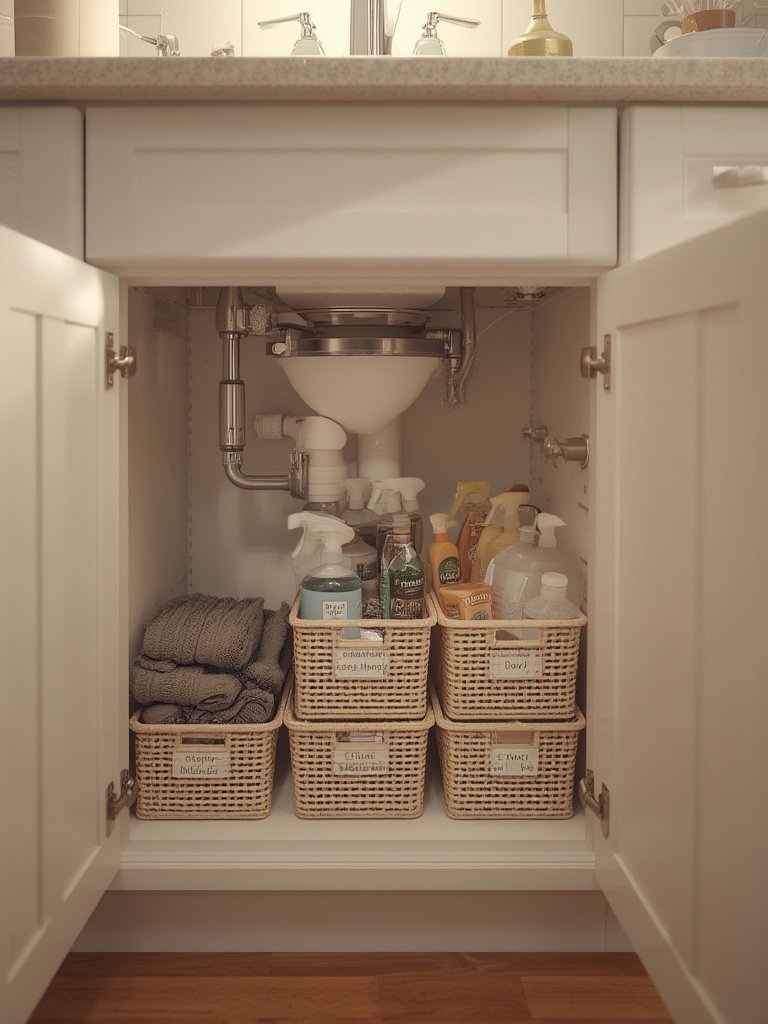
Under sink organizers offer a realistic fix for messy cabinets—if your space and plumbing cooperate. The market is growing quickly, but smart shoppers check measurements and compatibility first. Choose sturdy materials, expect improved accessibility more than storage volume, and remember: the best under sink organizer is the one that fits both your lifestyle and your actual cabinet.
Ready to reclaim your kitchen clutter? Measure today and see how much easier your routine becomes with the right under sink organizer.
FAQ
Do I need special tools to install an under sink organizer?
Most organizers only require common tools like a drill, screwdriver, and measuring tape. Some kits may supply mounting hardware and templates for easier alignment.
Will an under sink organizer fit with a garbage disposal or awkward plumbing?
It depends on the organizer style. Modular or adjustable models usually work better in cabinets with large plumbing obstructions, while fixed trays can be blocked.
How long does installation typically take?
Generally, expect 20-40 minutes for basic organizers. More complex, multi-tier or custom-fit models might take up to an hour, especially if drilling or trimming is required.
Are these organizers durable enough for heavy cleaning bottles?
Premium steel or wood models last much longer and hold more weight than plastic or wire organizers, which can sag or break under heavy loads. Consider your preferred materials when shopping.
Can I remove the organizer later without damaging my cabinet?
Most organizers leave behind only small screw holes, which can be filled if you remove the system. Double-check connection methods before purchase if reversibility matters to you.