

soundproof wall panels are increasingly popular with homeowners looking to reduce noise and create a peaceful living environment. As remote work and home offices become more common, the demand for effective sound control is at an all-time high. In this guide, we explain what soundproof wall panels are, why they matter, how to use them effectively, and what you must know before buying.
Key Takeaways
- Soundproof wall panels are in high demand for residential spaces, driven by noise concerns and home office needs.
- Installation complexity and real-world performance can vary, so plan carefully before investing.
- Sustainability, fire safety, material quality, and awareness of user complaints are crucial for choosing the right solution.
- What Are Soundproof Wall Panels?
- How to Install Soundproof Wall Panels Step by Step
- Advanced Analysis & Common Pitfalls
- Conclusion
- Frequently Asked Questions
What Are Soundproof Wall Panels?
Soundproof wall panels are specialized panels designed to reduce unwanted noise and echo within a room. They’re constructed from materials like foam, fiberglass, mineral wool, or recycled polyester fibers that absorb and dissipate sound energy. Panels can be applied to walls or ceilings in bedrooms, living rooms, studios, and especially home offices.
Demand for these panels is rapidly increasing in homes, fueled by flexible work trends, concerns over noise pollution, and the desire for privacy. The global acoustic panel market is valued at $13.1 billion as of 2024 and is projected to grow at 7.2% CAGR through 2034, with a significant push from residential buyers [source]. People are increasingly aware that uncontrolled noise can impair productivity and well-being.
Materials used in soundproof wall panels vary, but most quality products are designed with either foam, fiberglass, mineral wool, or eco-friendly polyester components. Some, like Rockfon, also emphasize fire safety, moisture resistance, and recyclability, appealing to eco-conscious homeowners.
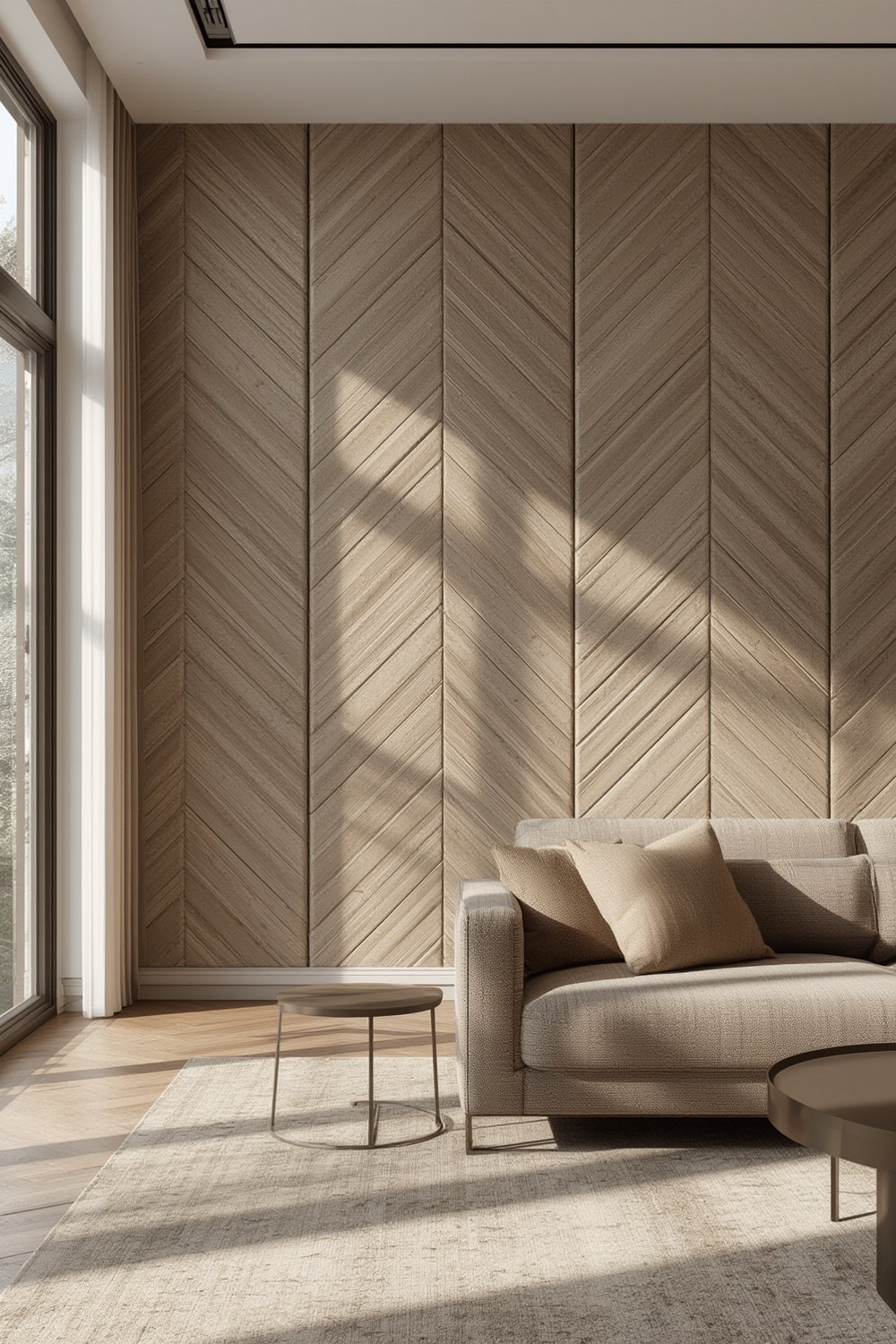
Unlike generic decorative wall panels, properly designed soundproof panels manage both airborne noise and reduce echo. This makes rooms quieter for meetings, music, relaxation, or sleep. However, soundproof wall panels do not block noise entirely—they mainly reduce reverberation and can dampen moderate external sounds, not total silence.
If you’re a renter, consider peel and stick wall panels for a removable solution that won’t damage walls.
How to Install Soundproof Wall Panels Step by Step
Proper installation is essential for maximizing noise reduction with soundproof wall panels. While some products can be attached with adhesives, others may require mechanical fasteners or even furring strips. Here is a practical step-by-step approach for most residential applications:
- Measure Your Space. Identify the problem walls. Use a tape measure to calculate the total square footage that requires treatment. Keep in mind: even partial coverage can make a noticeable difference in echo and moderate noise.
- Choose the Right Panel Type. Select material based on your needs and fire safety requirements. For most home offices or bedrooms, polyester fiber or fiberglass panels balance performance with cost and sustainability.
- Prepare Surfaces. Clean walls thoroughly so adhesive or fasteners will hold. Avoid installing over damp or damaged surfaces.
- Plan Layout. Use a pencil and level to mark where each panel will go for best coverage—usually focused at ear level and across larger flat surfaces. Stagger the panels for a seamless look.
- Mount the Panels. For adhesive-mounted panels, press each panel firmly for 30-60 seconds. For mechanical fasteners, use at least one anchor per corner. Double-check each panel for secure fit and alignment.
- Seal Gaps. Fill minor gaps with acoustical sealant for better sound control, especially around panel edges.
- Test the Room. Listen for changes in echo and overall noise. Move around to assess improvement. You may need to adjust by adding more panels if needed.

Some users integrate panels with decor by combining printed fabric over acoustic foam, matching them to their home style. For unconventional but effective installation, consider using vertical garden system frames to support panels in places where wall mounting is limited.
If you have pets, you may want to review cleaning protocols and consider integrating pet safe areas—see our wireless GPS dog fence guide if noise is impacting pets as well.
Finally, some panels can double as display boards or be integrated behind shelving, maximizing utility.
Advanced Analysis & Common Pitfalls
Despite their benefits, soundproof wall panels come with real-world challenges and drawbacks. Here’s what to watch for when choosing and installing:
| Issue | Common Problems | Solutions |
|---|---|---|
| Cost-Effectiveness | Some homeowners doubt if the investment brings a worthwhile noise reduction, especially for whole-room coverage [source]. | Start small—treat the most problematic wall before committing to full coverage. Combine panels with heavy curtains or rugs for layered, affordable results. |
| Installation Complexity | Panels may require precise alignment, wall prep, or special adhesives. Some users find maintenance or cleaning to be tedious [source]. | Opt for DIY-friendly designs or self-adhesive panels when possible. Check that your walls are clean and dry before starting. |
| Fire Safety & Certification | Not all products meet fire safety standards—lack of certifications can limit use in certain buildings [source]. | Ask suppliers directly for fire ratings (Class A, etc.) and environmental certificates like LEED compliance. |
| Environmental Concerns | Some synthetic panels are challenging to recycle; there may be local restrictions or negative perceptions [source]. | Select brands with a focus on sustainability, e.g., panels made from recycled or mineral-based materials. |
| Lack of Technical Data | Few brands publish decibel reduction or NRC figures for residential panels. Lifespan, warranty, and maintenance instructions are often missing. | Request datasheets before buying. Compare independent lab test data whenever possible. |
| Lack of Awareness | Many buyers are unaware of the practical limits—panels reduce echo but won’t block heavy outdoor sounds entirely. | Set realistic expectations and consider combining multiple approaches for best results. |
Another common issue is overestimating what panels alone can achieve. For the quietest result, pair panels with thick rugs, curtains, door sweeps, or even insulating window film. In multi-functional homes, you may also benefit from using solutions designed for other needs, like a smart litter box for pet noise, or a smokeless fire pit to keep outdoor gatherings peaceful.
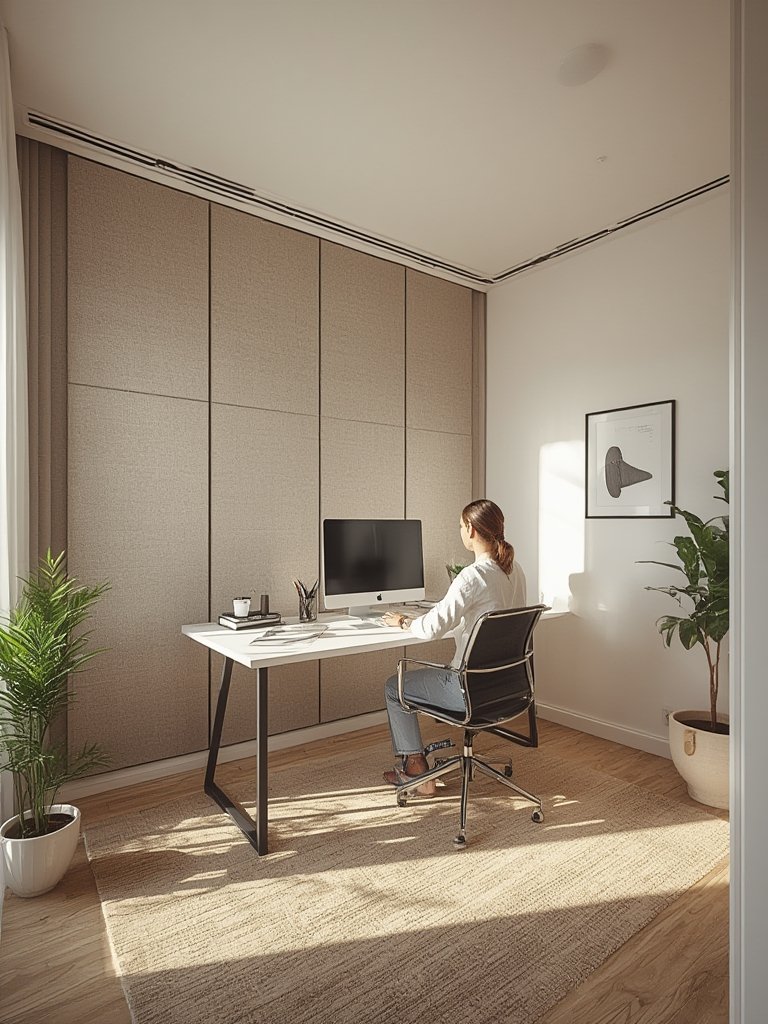
Conclusion
Soundproof wall panels can make a noticeable difference for anyone bothered by echo, moderate street noise, or the chaos of shared living spaces. While not a cure-all, the right panels—installed correctly and combined with other strategies—create a quieter, more peaceful home. Remember to verify safety and sustainability, start small if skeptical about pricing, and compare published technical data when available.
Get started today: experiment with a few soundproof wall panels in your noisiest room and experience the improvement firsthand.
Frequently Asked Questions
Do soundproof wall panels block all noise?
No. They primarily reduce echo and absorb moderate airborne noise but will not entirely block loud outdoor sounds or deep bass. For total noise control, combine with heavy curtains, insulated windows, and sound-sealing door sweeps.
Are soundproof wall panels safe to use at home?
Most are safe, especially panels made from mineral wool or recycled polyester. Always ask about fire ratings and look for products certified to meet building codes. Brands like Rockfon and USG are known for meeting strict standards.
How do I maintain or clean soundproof wall panels?
Most fabric or foam panels can be cleaned with a vacuum brush or soft cloth. For tougher stains, spot clean using a mild detergent. Regular inspection ensures adhesives and corner fasteners remain secure.
What’s the average cost to outfit a room with soundproof wall panels?
There is limited published data for 2024 pricing. Costs vary by panel type, brand, and coverage area. Expect to start with a few hundred dollars for small rooms and several hundred for larger spaces. Request sample pricing from multiple vendors.
Can I install soundproof wall panels if I’m renting?
Yes. Use self-adhesive or hook-and-loop strips for a renter-friendly, removable installation. Check your lease for wall attachment rules and consider lighter polyester or foam panels that are easy to remove.