

Peel and stick wall panels are transforming the way people update their homes, offering renters and homeowners a fast, mess-free alternative to traditional wall treatments. From hassle-free installation to trending eco-friendly materials, here’s what you really need to know before you try them in your next room makeover.
Key Takeaways
- Peel and stick wall panels provide a quick, removable way to upgrade walls without permanent changes, ideal for renters or DIYers.
- Success depends on correct surface prep and installation—user mistakes can cause bubbling, lifting, or poor adhesion.
- Recent innovations include eco-friendly materials, acoustic features, and emerging tech like LED or digital wall panels.
- The Core Concept: What Are Peel and Stick Wall Panels?
- Step-by-Step Guide: Installing Peel and Stick Wall Panels
- Advanced Analysis & Common Pitfalls
- Conclusion
- FAQ
The Core Concept: What Are Peel and Stick Wall Panels?
Peel and stick wall panels are self-adhesive decorative panels that can be applied directly to most smooth wall surfaces. They are designed to simulate wood, brick, stone, or modern 3D textures, all without nails or glue. Their primary appeal is how easy they make it to achieve an updated look in minutes, without hiring a contractor or risking damage to rental walls.
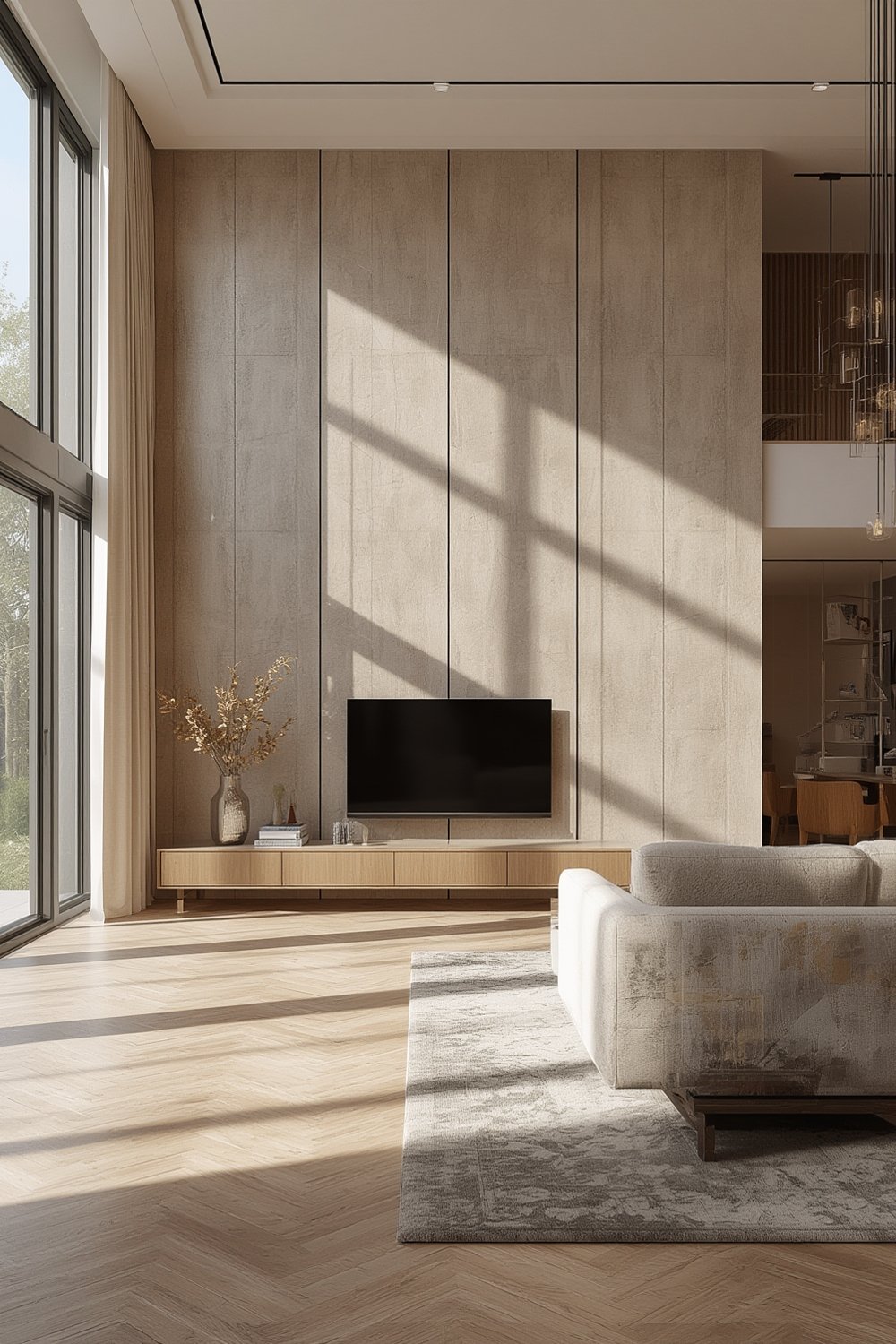
The global market for wall coverings, including peel and stick options, was valued at over $39 billion in 2024 and is forecasted to grow to $54 billion by 2030 (source). Peel and stick shiplap wall planks alone hit more than $1.25 billion in 2024 (source). The panels are especially popular among renters: 57% of buyers choose them for affordability and removability (source).
Modern designs go far beyond simple faux wood planks. Today’s options include faux brick, acoustic felt panels for sound control, bio-based PVC-free materials, and even smart panels with LED lighting. If you want a fast upgrade, these are worth exploring over traditional paint or wallpaper.
Step-by-Step Guide: Installing Peel and Stick Wall Panels
Want to transform a room in as little as an afternoon? Use this actionable process to achieve professional-looking results—even if you’re a beginner. The steps below break it down so you avoid the most common hassles.
1. Measure & Plan
Start by measuring the walls you want to cover. Most panels are sold by the piece or square foot. Overestimate a little, as you will cut some to fit corners or outlets.
2. Prep the Surface
Wipe walls with a damp cloth and let dry fully. For best adhesion, use a clean, flat, dust-free surface. Semi-gloss or satin-finish paint works best. Avoid applying panels to textured surfaces, dirty walls, brick, or peeling paint.
For alternative eco-friendly décor, consider pairing with a vertical garden system.
3. Map Out Layout
Lay panels on the floor to arrange your pattern. For brick or tile styles, stagger pieces for a natural look. Mark straight lines on the wall using a level to ensure even rows.
4. Peel, Stick, Press
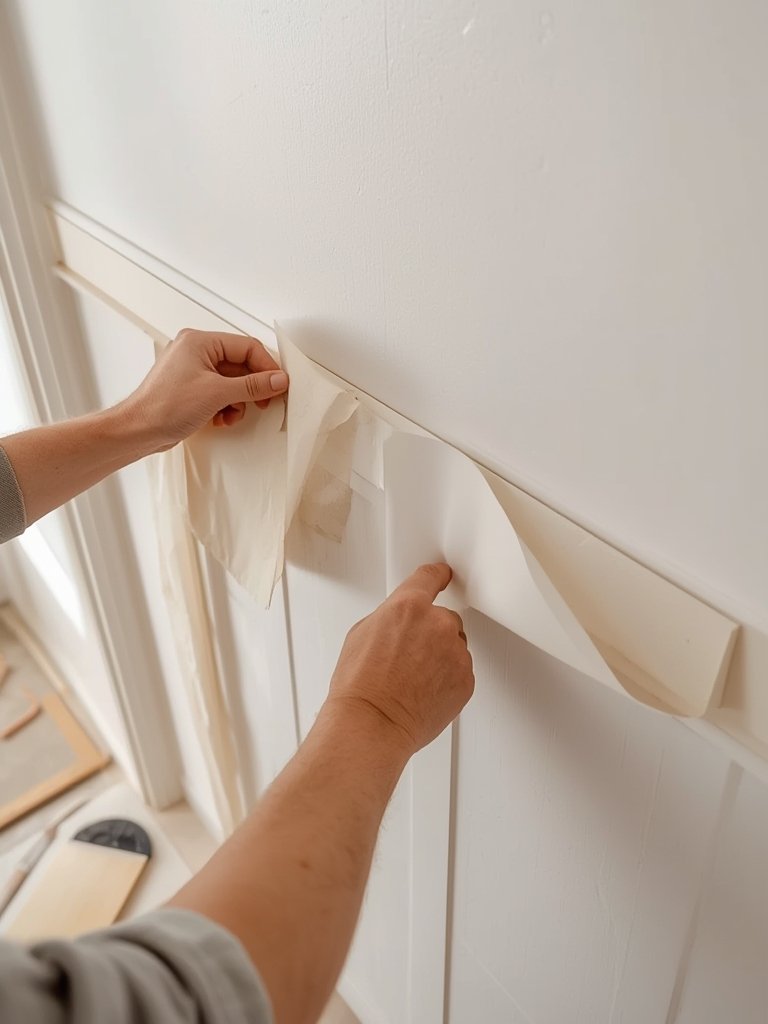
Peel off the backing on one panel at a time. Stick to the wall starting from a corner or bottom edge, then press firmly with hands or a clean smoothing tool. Work outwards to eliminate bubbles. Some panels are repositionable for a few minutes.
5. Cut for Outlets, Switches, or Edges
Measure carefully and use a sharp utility knife or scissors for best cuts. Clean up any uneven edges before adding the next panel.
6. Seam and Finish
If using multiple panels, overlap slightly or butt edges as designed. Check instructions for your product. For best results, run a roller or towel over each seam to maximize adhesion.
Upgrade the feel of your home even more with a durable artificial grass turf underfoot, especially for pet-friendly rooms.
7. Let Cure
It takes a few hours for full adhesive bond. Wait at least a day before heavy cleaning, hanging shelves, or exposing panels to humidity.
Advanced Analysis & Common Pitfalls
Despite the marketing claims, peel and stick wall panels are not foolproof. Real-world user experience varies, and a bad installation can lead to disappointment or costly repairs. Here’s what the research shows—and what trend articles often skip.
| Issue | What Happens | How to Prevent |
|---|---|---|
| Adhesion Failure | Panels fall off, especially on dusty, textured, or cold surfaces. | Thorough cleaning, surface priming, and room temperature installation. |
| Air Bubbles or Creases | Visible bumps ruin seamless effect. | Use a squeegee or smoothing tool as you install. |
| Misalignment | Crooked or awkward panel joints. | Dry-fit and mark guidelines before sticking. |
| Edge Lifting or Peeling | Edges curl or come loose over months. | Press down firmly, use a seam roller, avoid high-humidity rooms. |
| Residue or Wall Damage at Removal | Sticky residue, torn paint or drywall when removing panels. | Remove slowly, heat with dryer, test on small area first. |
Additionally, some panels use cheap adhesives that lose strength quickly on rough, textured, or dirty walls. This is rarely obvious in product marketing but is a frequent complaint in consumer reviews. Quality varies dramatically among brands, so always check third-party reviews before buying. For truly hassle-free removal (vital if you’re renting), brands like Tempaper and RoomMates are known for gentler adhesives—but manufacturer guarantees for zero wall damage are almost nonexistent (source).
Environmental factors matter too. High humidity, constant direct sunlight, or steamy rooms (like bathrooms) will shorten panel lifespan. Many newer panels use recycled PET, bamboo, or cork—these are more sustainable, but may also behave differently than vinyl. For something lower-maintenance outdoors, review resin storage sheds or weatherproof solutions.
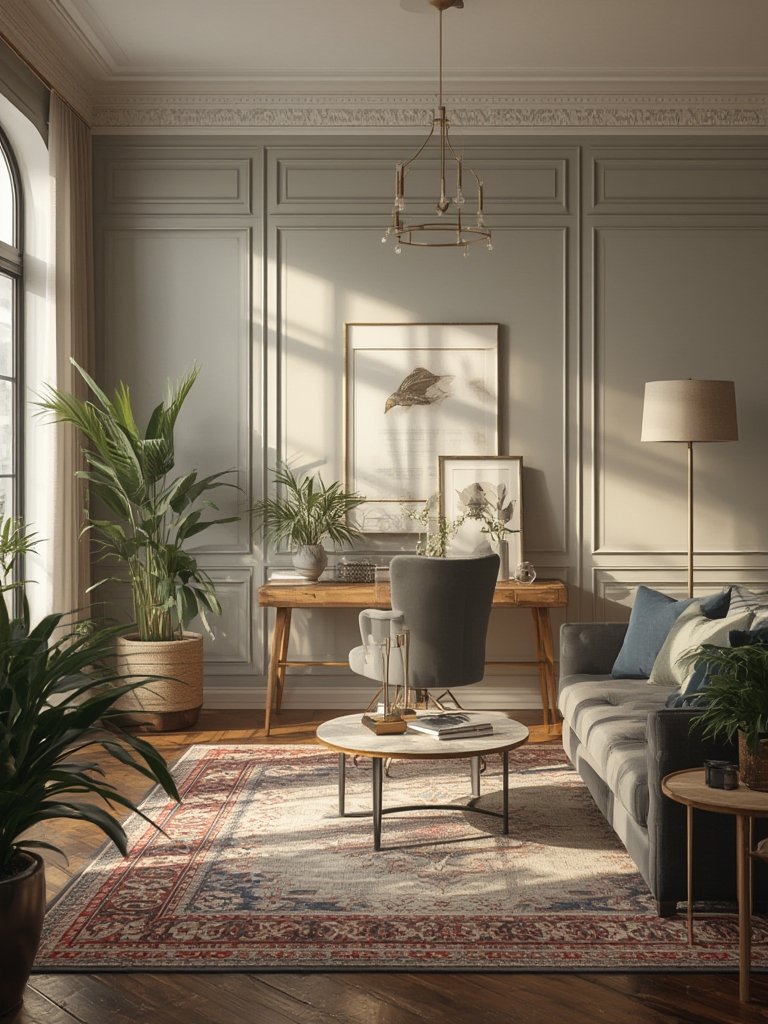
An often overlooked detail: walls with only primer or old, chalky paint may look “OK” but cause most peel-and-stick wall panels to fail. Do a patch test before a full room install, especially in rentals where wall quality may be unknown.
Cost is another hidden factor. While panels seem cheaper than paint or full wallpaper jobs, the installed cost for a 10×10 foot room can climb quickly—not always the budget solution you expect. Calculate price per square foot (including extra panels for mistakes) and compare with traditional options. Need pet-friendly, easy-clean walls for a cat sofa area? Also check products specifically designed for that use case—see our cat sofa buying guide.
Conclusion
Peel and stick wall panels deliver fast results and a huge range of design choices—but they demand realistic expectations. Proper prep and slow, careful installation make all the difference. Despite their convenience, pitfalls like edge peeling, bubble formation, and sticky residue can leave you regretting a rushed job. Weigh the total cost, review surface compatibility, and always check for hidden issues before covering an entire room.
If you want more renter-friendly, quick upgrade ideas, explore guides on vertical gardens or smokeless fire pits for your home. Ready to find the best peel and stick wall panels for your space? Shop around, do a small test first, and enjoy your new look—without a permanent commitment.
FAQ
Will peel and stick wall panels ruin my walls when removed?
Most major brands claim to be removable, but there is always some risk, especially on low-quality paint, textured drywall, or surfaces painted with only primer. To minimize damage, peel panels slowly and use a hair dryer to soften the adhesive. Always test on a hidden patch before full installation.
Are peel and stick wall panels suitable for bathrooms or kitchens?
Some vinyl or PVC-backed panels are promoted as water-resistant, but high humidity can weaken adhesives over time. Avoid direct exposure to water or steam, and always check manufacturer guidelines. In high-humidity spaces, tiles or panels with stronger adhesives may perform better.
What types of walls are compatible with peel and stick wall panels?
Smooth, clean, dust-free walls with eggshell, satin, or semi-gloss paint finish work best. Rough, uneven, brick, or heavily textured surfaces often prevent proper adhesion. Freshly painted surfaces should cure for at least two weeks before application.
How do I clean and maintain peel and stick wall panels?
Most panels can be wiped clean with a non-abrasive, damp cloth. Avoid harsh chemicals or scrubbing, as these can weaken the adhesive. Vinyl surfaces are generally more durable, while paper or fabric finishes require gentler handling.
Are eco-friendly peel and stick wall panels available?
Yes, there are bio-based, recycled-PET, bamboo, and PVC-free options on the market. These are gaining popularity thanks to both sustainability trends and health concerns. Always check labeling and supplier information to confirm eco-friendly claims.