

Key Takeaways
- Battery powered lawn mowers now lead electric mower sales worldwide, driven by mobility and low noise.
- walk-behind cordless models cost $300-600, but battery life and runtime can vary widely between brands.
- Most market reports praise eco-friendliness but do not discuss reliability concerns or long-term costs in depth.
- What Is a Battery Powered Lawn Mower (and Why Switch?)
- Step-by-Step Guide: How to Choose & Use a Battery Powered Lawn Mower
- Advanced Analysis & Common Pitfalls
- Conclusion & Takeaways
- FAQ
What Is a Battery Powered Lawn Mower (and Why Switch?)
A battery powered lawn mower uses a lithium-ion or other rechargeable battery instead of gas or a cord to drive its electric motor and cutting blade. Homeowners are switching to cordless battery mowers for convenience, lower maintenance, and zero direct emissions.
Recent market research projects battery powered lawn mowers will double in value globally by 2032. Today, cordless models make up almost three-quarters of electric mower sales, outselling corded models for both residential and commercial use.
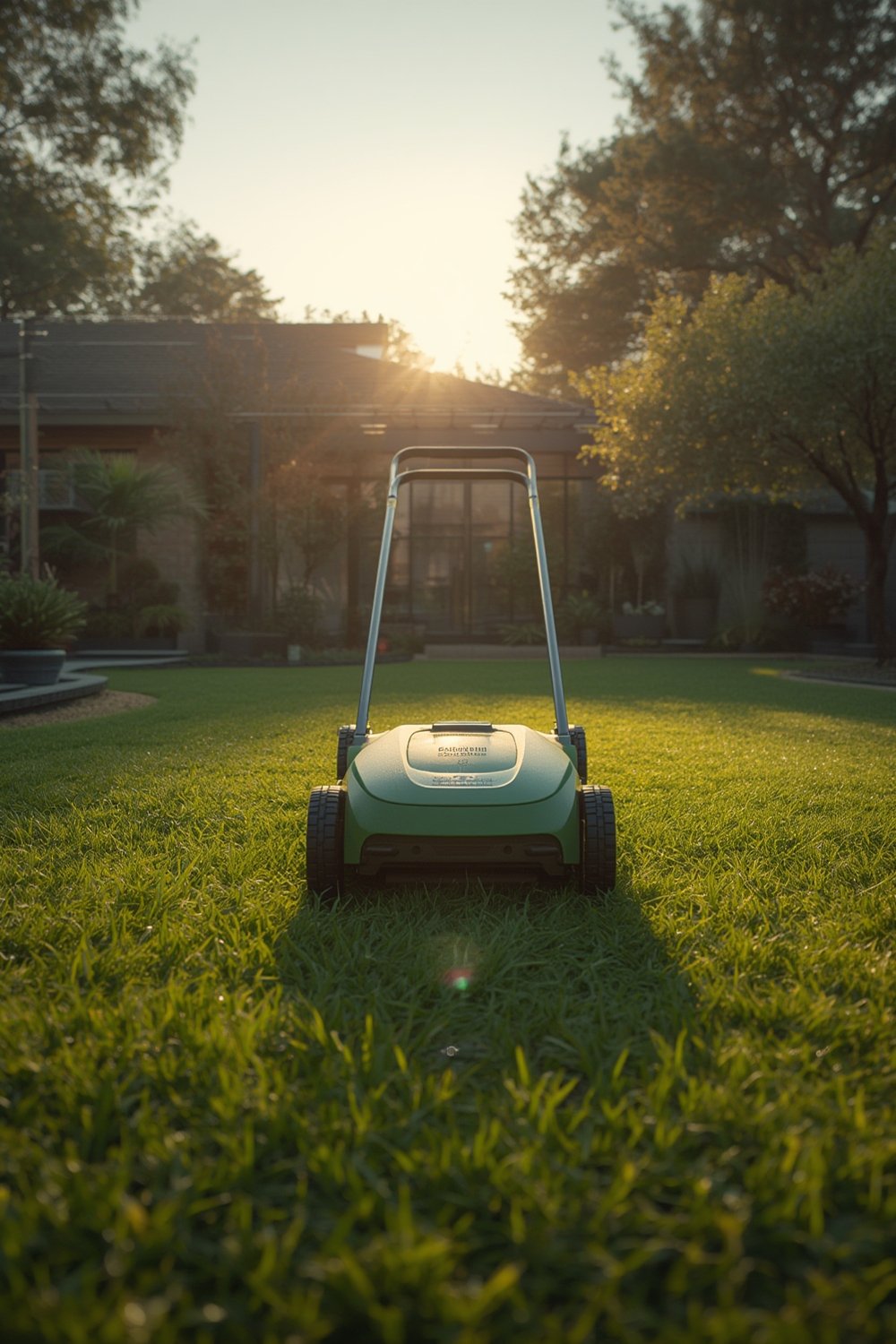
The main benefits are instant starting, compact size, and quiet operation. Compared to gas mowers, these machines eliminate the need for oil changes and exhaust emissions and are less noisy, making them friendlier for neighborhoods and HOA rules. There is strong momentum in both North America and globally, especially for walk-behind and ride-on cordless models.
For pet owners, battery lawn mowers can complement yard upgrades like pet-friendly turf or ease landscaping around smart tech such as a wireless GPS dog fence.
Step-by-Step Guide: How to Choose & Use a Battery Powered Lawn Mower
- Assess Your Lawn Size and Terrain
- Small yards (under 1/3 acre) can use 14–20 inch deck models.
- Bigger lawns need larger decks and extra batteries for uninterrupted mowing.
- Set a Realistic Budget
- Expect to spend $300–600 for a quality walk-behind cordless mower.
- Factor in costs for spare batteries or upgrades if mowing area is larger.
- Check Battery Voltage & Compatibility
- Choose models with at least a 30V battery for consistent power.
- Some brands share batteries with other yard tools like blowers and chainsaws.
- Consider Noise, Safety & Eco Features
- Lithium-powered mowers have zero direct emissions and noticeably lower noise than gas models.
- Review Warranty and Durability
- Not all brands publish warranty data; prioritize companies with clear battery guarantees.
- Follow Best Practices for Performance
- Charge batteries fully before first use.
- Clean mower deck and blade after each session.
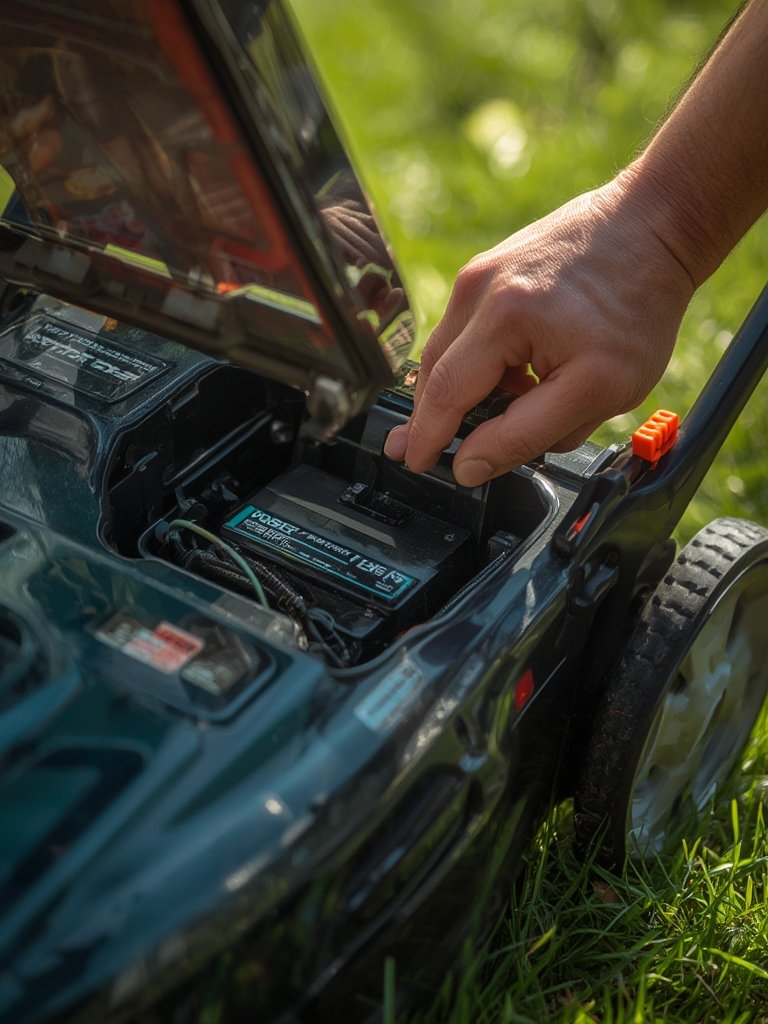
- Plan for End-of-Life Battery Recycling
- Local hardware chains or municipal waste programs typically collect used lithium batteries—never dispose of in household trash.
- Keep Up with Maintenance
- Fully charge and discharge batteries at least once every few months in the off-season to prevent loss of capacity.
- Sharpen or replace blades yearly for the best cut (the routine is similar to caring for pet hair remover tool blades).
Advanced Analysis & Common Pitfalls
Market reports present battery powered lawn mowers as the clear leader for both convenience and eco-friendliness, but actual user experience can vary. There’s still little independent data on run time, mowing area per charge, and long-term reliability. The most common complaints typically include:
- Decreasing battery run time as batteries age
- Reduced cutting power in long or wet grass
- Lack of clear warranty on batteries and motors
- Costs for extra batteries or blade replacements
- Occasional compatibility issues across tool brands
While leading models advertise fast charging, real-world charge time and runtime will often depend on grass conditions, lawn size, and how well batteries are maintained. Battery recycling options and long-term durability are rarely discussed up front, so check for local disposal programs and research replacement part availability for your chosen brand.
Here’s how battery powered lawn mowers compare to other types in major areas:
| Feature | Battery Powered | Gas Powered | Corded Electric |
|---|---|---|---|
| Typical Price | $300–600 (walk-behind) | $250–550 (push); $600+ (self-propelled) | $150–300 |
| Noise Level | Low | High | Moderate |
| Emissions | Zero direct | High | Zero direct |
| Maintenance | Blade, battery care | Oil, spark, fuel, blade | Blade, electrical cord check |
| Mobility | Excellent | Excellent | Limited to cord length |
| Warranty Coverage | Varies, check battery terms | Usually 2-3 years | Usually 2-3 years |
For big lawns or tough terrain, you may need extra batteries or to consider a ride-on cordless with a higher capacity. If quiet operation is key—perhaps for areas near a smart pet sprinkler system or where pets rest outdoors—battery mowers almost always have a substantial advantage over gas.

For more in-depth technical analysis and statistics, see this market intelligence report or the FactMR industry review.
Conclusion & Takeaways
Battery powered lawn mower options have surged in both quality and popularity. They dominate the electric segment thanks to their clean operation and easy use, but you still need to check battery performance, warranty details, and recycling options to avoid costly surprises later. Ready to make the switch? Start by reviewing your yard’s size, setting a realistic budget, and comparing a few top-rated models side by side—your lawn, and the environment, will thank you.
Want to upgrade more of your outdoor space? Explore guides on automatic litter boxes, dog puzzle toys, cat water fountain stainless steel picks, and other trending home gadgets.
FAQ
How long can a typical battery powered lawn mower run on one charge?
Most mid-sized models provide 30–60 minutes of runtime, enough for a small to medium lawn. Run time drops as the battery ages or on dense, wet grass.
How do I recycle my old battery from a lawn mower?
Check with your local hardware store or community waste facility. Lithium-ion batteries should never be thrown in the trash; use an approved recycling drop-off location.
Can a battery mower cut thick or tall grass?
Yes, but most lose cutting power on heavy growth compared to gas models. Mow before grass gets too tall and keep blades sharp for the best results.
Are battery powered lawn mowers really quieter?
Yes, they produce a much lower noise level, making them a better choice for quiet neighborhoods and early-morning mowing.
Will one battery be enough for a large lawn?
Probably not. For lawns above 1/3 acre, have at least one spare, or consider a higher-voltage or ride-on cordless model.