

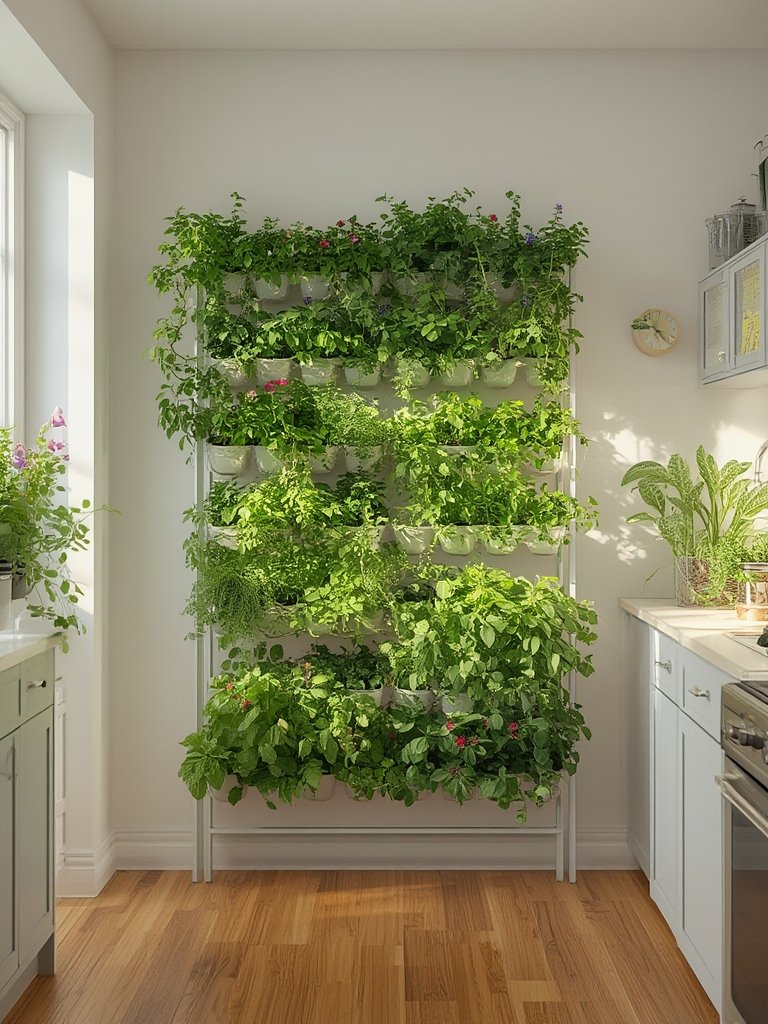
Vertical garden system adoption is growing fast, transforming bland walls into thriving, space-saving greenery. Whether you want fresh herbs in your kitchen or a striking living wall indoors, vertical gardens can upgrade your home—but not without real-world challenges.
Key Takeaways
- Modern vertical garden systems deliver style, air quality, and productivity boosts but require thoughtful planning and maintenance.
- Smart watering tech, modular designs, and new hydroponic options are making indoor vertical gardens easier than ever.
- Choosing the right plants and understanding realistic pitfalls is crucial for a lush, problem-free living wall indoors.
- What Is a Vertical Garden System and Why Choose One?
- Step-by-Step Guide: How to Set Up an Indoor Vertical Garden System
- Advanced Analysis & Common Pitfalls to Avoid
- Conclusion
- Frequently Asked Questions
What Is a Vertical Garden System and Why Choose One?
A vertical garden system is a structure that allows you to grow plants upward on a wall—inside your house or apartment—using pockets, panels, shelves, or modular pots. As city living gets denser and homeowners seek eco-friendly upgrades, these systems offer a clever solution for growing herbs, small vegetables, or decorative plants where space is limited.
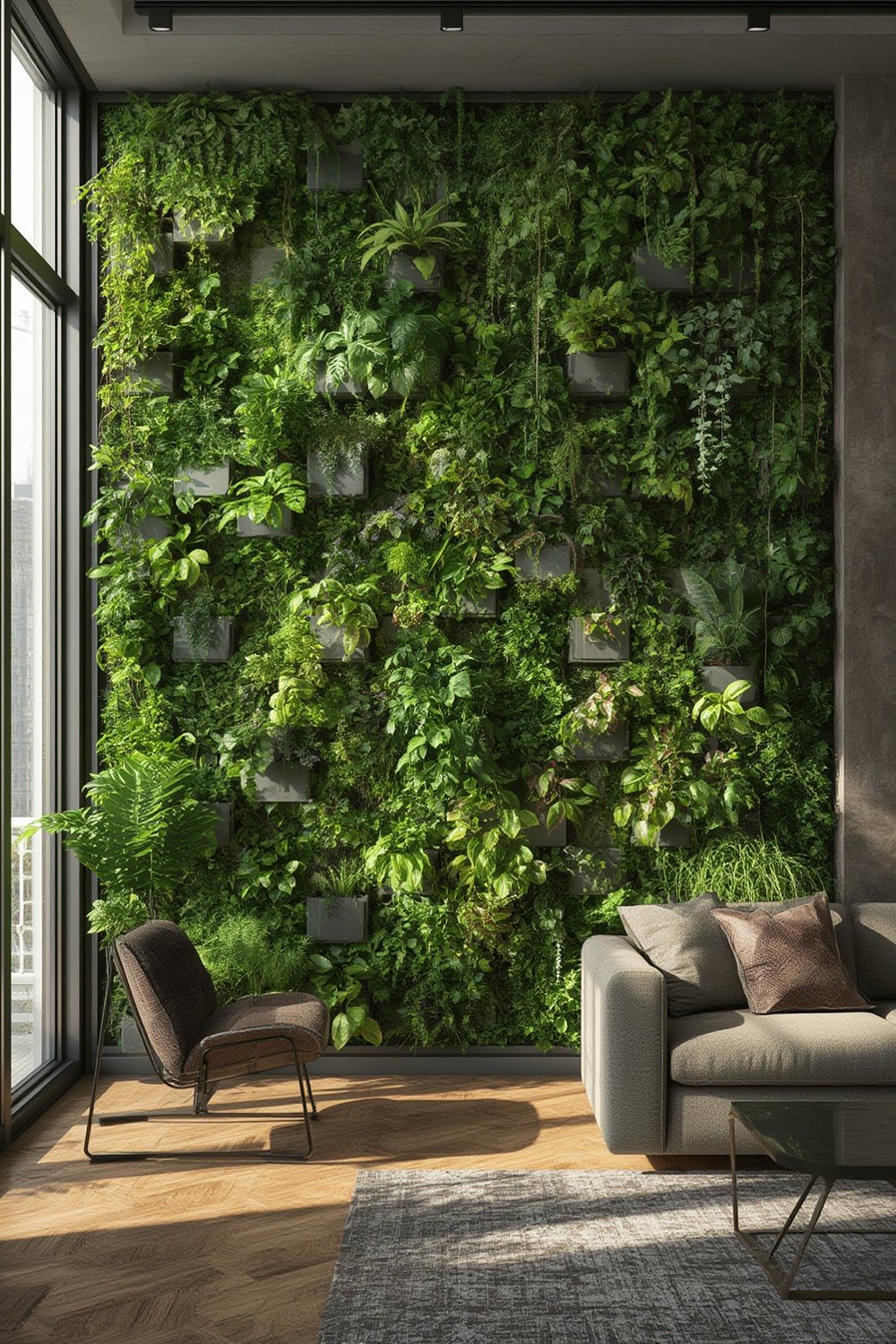
Interest in indoor vertical gardens is surging worldwide, with the global market hitting USD 1.84 billion in 2024. North America leads adoption, while Asia Pacific is the fastest-growing region. The rise is driven by three main factors: space-saving design, improved indoor air quality, and the calming vibe that greenery brings to interiors. New innovations like hydroponic and self-watering systems have made care and upkeep more manageable—even for beginners.
Want to make your home even smarter and more eco-friendly? A vertical garden system pairs perfectly with other popular home innovations, like a pet water fountain for your furry friends or a smokeless fire pit for your backyard retreat.
Step-by-Step Guide: How to Set Up an Indoor Vertical Garden System
Ready to bring a touch of living green indoors? Here’s a straightforward process anyone can follow, from DIYers to apartment dwellers.
- Pick the Right Spot. Choose a wall that receives at least 4-6 hours of indirect sunlight daily. If natural light is limited, plan to supplement with LED grow lights, like those used in new systems by Urban Greens.
- Select Your System Type. The latest vertical garden options include modular planters, hydroponic panels, and self-watering setups. Consider a smart system if you want fewer maintenance headaches—GreenTech Innovations’ new model, for example, integrates soil moisture sensors for home gardeners.
- Prepare the Wall and Mount the Structure. Use sturdy wall anchors and waterproof backing, especially if you’re installing in a kitchen or high-humidity area, to avoid water damage.
- Add a Drip Tray or Water Collection System. This prevents spills and leaks—a common user complaint not often mentioned on top “inspiration” blogs.
- Choose Suitable Plants. For a vertical herb garden, start with compact, shallow-rooted herbs: basil, mint, thyme, parsley, and oregano are reliable picks. Leafy greens like lettuce or arugula also work, but avoid deep-rooted or heavy plants in small indoor systems.
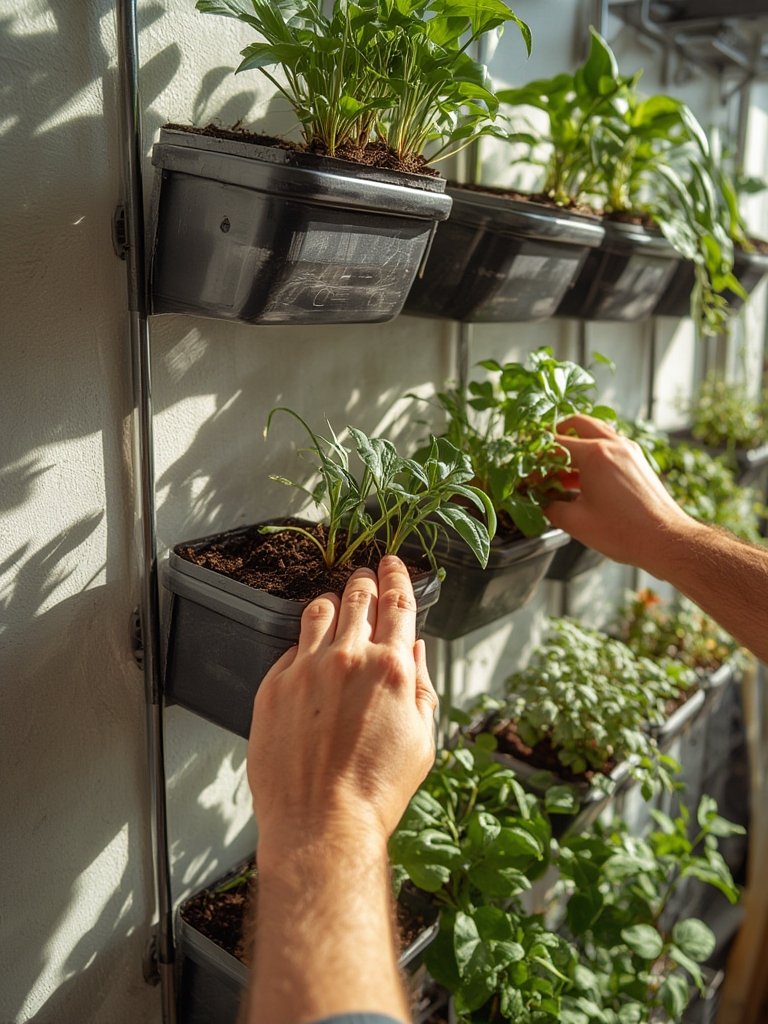
- Pot, Arrange, and Install Plants. Follow each plant’s specific spacing needs (usually 4-6 inches apart) and ensure roots have room to grow within each module or pocket.
- Set Up Watering & Lighting. Install drip lines or use the integrated self-watering feature if available. Smart systems from EcoWall and VertiGrow now alert you when moisture is low, simplifying care. Use grow lights as needed, running them 10-14 hours a day for herbs and greens.
- Monitor, Prune, and Maintain. Regularly check for leaks, stagnant water, pests, and mold. Clean trays monthly and trim herbs to encourage healthy regrowth and prevent overcrowding.
Integrating smart features can enhance ease of use. For example, pairing your vertical garden setup with devices like a smart pet feeder adds to your home automation ecosystem. Or create an indoor-outdoor harmony by combining your living wall with artificial grass turf for a cohesive, green aesthetic that’s both stylish and practical.
Advanced Analysis & Common Pitfalls to Avoid
While vertical gardens look spectacular, real-world installs reveal common issues—many not covered by top-ranking articles.
Top Pitfalls and How to Avoid Them
- Leaks and Water Damage: Without proper drip tray or waterproofing, water can seep into walls and flooring. Drip trays and waterproof back panels are essential—don’t skip them.
- Pest Infestation: Dense plantings can become breeding grounds for gnats or mold if airflow is poor. Thin out overcrowded patches and check for pests weekly.
- Inconsistent Watering: Manual systems often result in dry edges and soggy centers. Smart and self-watering modules (like those launched by EcoWall and Urban Greens in 2024) help maintain even moisture.
- Insufficient Light: Lack of sunlight is the #1 reason indoor vertical gardens fail. Don’t assume a bright room is enough—calculate light hours and consider LED grow lights for windowless spots.
- Overweight Loads: Not every wall, especially in older buildings, can support a fully loaded vertical system. Use lighter substrate blends and confirm stud placement before installation.
Cost Breakdown Table (Estimates Only)
| Region | System Cost (modular wall planter, small/medium) | Installation (DIY/pro) | Annual Maintenance |
|---|---|---|---|
| North America | $150 – $450 | $0 (DIY) – $300 (pro) | $40 – $100 |
| Europe | €140 – €400 | €0 – €250 | €35 – €90 |
| Asia Pacific | $100 – $350 | $0 (DIY) – $200 (pro) | $30 – $70 |
Remember, advanced features (like built-in irrigation or LED lighting) raise upfront costs but lower ongoing time and maintenance. Custom hydroponic setups—especially from 2024’s innovative brands—can cost more but pay off in plant health and water savings. For comparison, market data shows Asia Pacific is leading new construction in indoor gardens, reflecting strong demand in fast-growing urban centers.
Some households also add vertical gardens as part of broader home upgrades, pairing them with devices like an automatic litter box for cleaner, pet-friendly apartments.
Scientific Insights: Air Quality & Energy
Indoor living walls can improve air quality and reduce stress. While specific air-cleaning rates vary by plant species and density, most users feel noticeably fresher air after installation. Modern vertical garden systems that use energy-efficient LED lighting offer solid growth support for plants while keeping power consumption low.
Conclusion
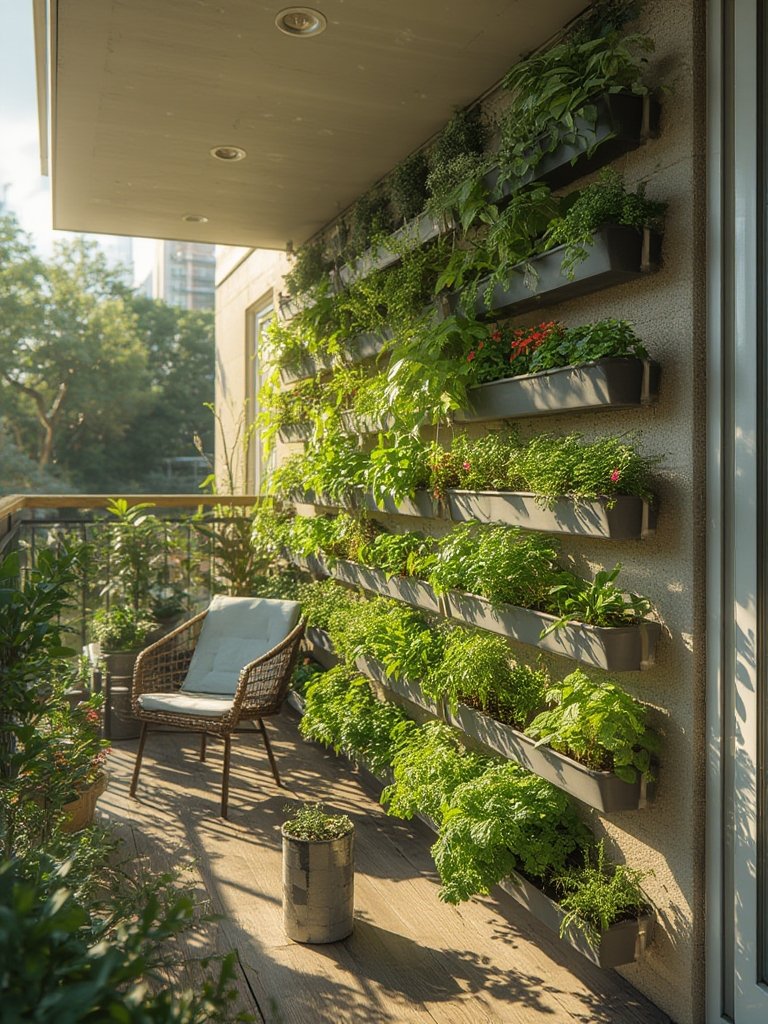
Indoor vertical garden systems combine smart design and wellness—but success depends on good planning, the right plant selection, and embracing new watering technologies. As the market continues to grow, expect more choices, from DIY kits to advanced, sensor-driven solutions. Now’s the perfect time to start your own vertical garden system and enjoy a fresher, more beautiful living space.
Ready to elevate your home with a vertical living wall? Explore new smart systems and get growing today!
Frequently Asked Questions
Which plants are best for an indoor vertical herb garden?
Basil, mint, parsley, oregano, thyme, and compact leafy greens like lettuce and arugula are excellent for indoor vertical herb gardens. Choose varieties with shallow roots and moderate light needs.
Do I need special equipment to install a vertical garden system indoors?
You’ll need wall anchors, waterproof backing, a drip tray, and quality planters or modular panels. For ease, consider systems with integrated watering and lighting—many new models launched in 2024 include these features.
How often do indoor vertical gardens need watering?
It depends on plant type and system setup. Manual watering might be needed every 2–3 days, while automated or self-watering systems can maintain moisture for up to a week, even longer if equipped with moisture sensors.
Can vertical garden systems really improve air quality?
Yes. Vertical gardens help absorb indoor toxins and boost air freshness. While exact purification rates depend on factors like plant choice and density, most users report improved air quality and comfort.
What are common problems with indoor vertical garden systems?
Leaks, overwatering, inadequate light, and pest outbreaks are the most common issues. These can be minimized by using drip trays, proper irrigation setup, grow lights, and regular inspection.
—