

Smart pet feeder technology is changing how people care for their pets—offering a blend of convenience, automation, and healthier routines for dogs and cats alike. As demand grows worldwide, understanding what these devices can (and can’t) deliver makes a noticeable difference for both pets and owners.
Key Takeaways
- Smart pet feeders automate mealtime and make portion control easier, with market adoption surging fastest among cat owners and Wi-Fi models.
- Despite market growth, independent data on reliability, Wi-Fi security, and long-term pet health impact remains limited.
- Feature sets, maintenance needs, and real user satisfaction are still underreported—research before purchasing is recommended.
- What Are Smart Pet Feeders and Why Are They Popular?
- Step-by-Step Guide: How to Use a Smart Pet Feeder Effectively
- Advanced Analysis & Common Pitfalls
- Conclusion
- Frequently Asked Questions (FAQ)
What Are Smart Pet Feeders and Why Are They Popular?
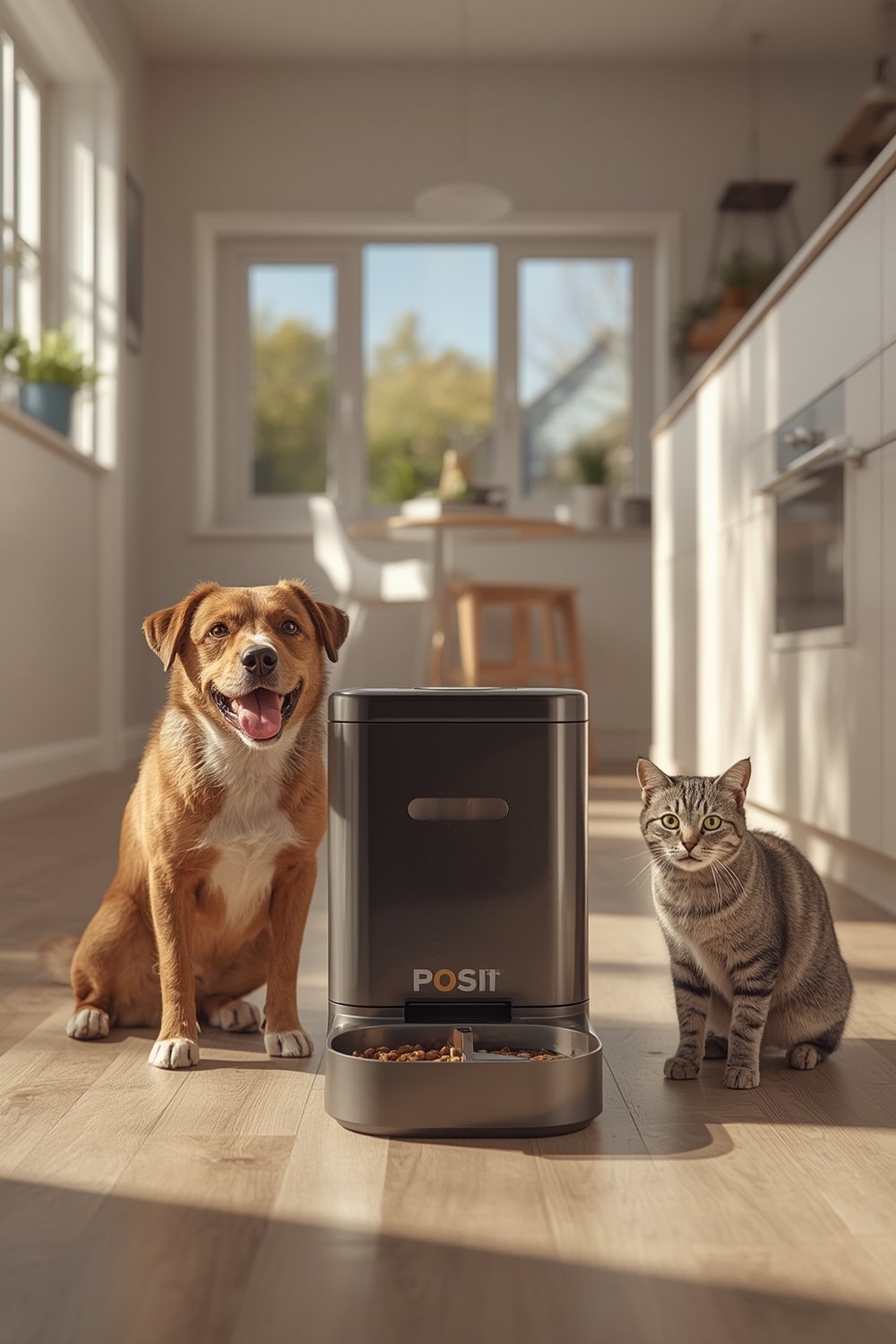
Smart pet feeders are automatic feeding devices that dispense pet food at scheduled times and precise portions, often controlled through a mobile app. In 2024, the global market for these feeders eclipsed USD 1.46 billion, and forecasts point to continued high growth (Zion Market Research). Consumers are drawn to these devices because they simplify pet care in busy households, support dietary consistency, and offer remote management via Wi-Fi and app integration.
The core appeal lies in reducing the stress of daily routines and providing better health cues for pets, especially as owners juggle longer work days or travel. Customizable portion control helps address obesity while scheduled feedings avoid accidental over or underfeeding. Most popular with dog owners (66.62% market share), smart feeders are now also seeing the fastest growth with cat owners (+9.25% CAGR), matching a sharp rise in smart litter box adoption for connected cats.
Step-by-Step Guide: How to Use a Smart Pet Feeder Effectively
1. Unbox and Setup the Feeder
Remove your smart pet feeder from its packaging. Assemble any included parts such as the food hopper and feeding tray. Plug the device into an outlet, or insert batteries if needed.
2. Download and Install the App
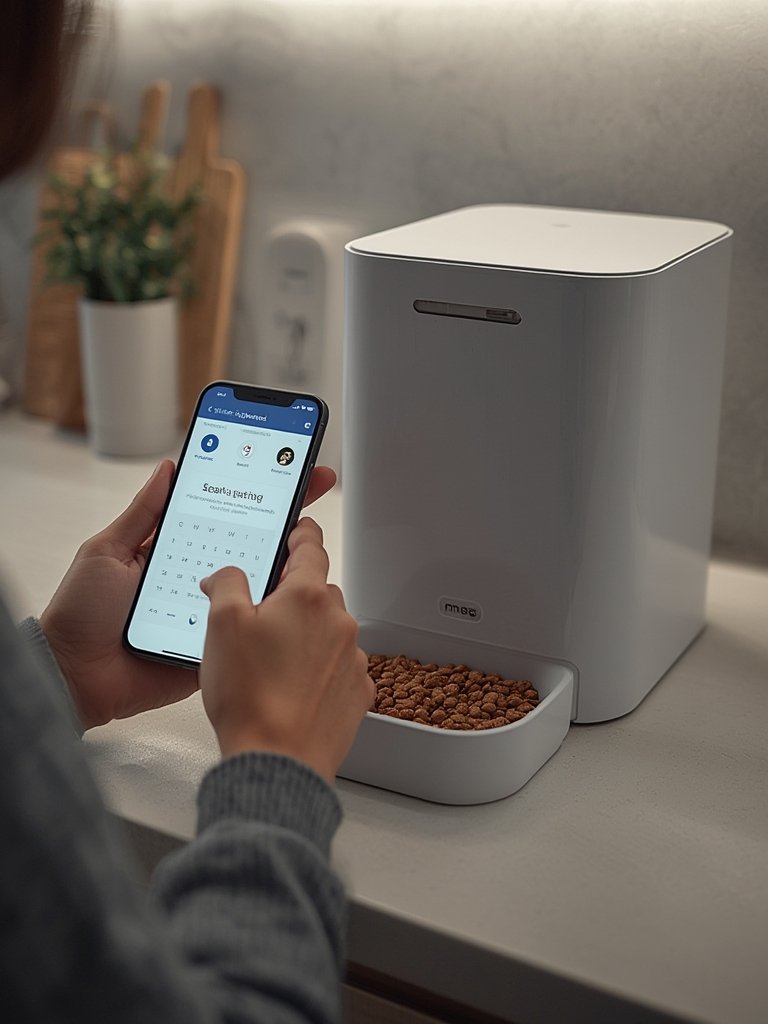
Locate the recommended app in the App Store or Google Play. Install, register, and connect the device via Wi-Fi using your home network. Make sure you follow the manufacturer’s directions closely—a poor connection may impact scheduling reliability.
3. Program Feeding Schedule and Portions
Use the app to set the number of meals per day, exact times, and the quantity of each meal (in grams, ounces, or cups). Double-check guidelines for your pet’s size and dietary needs. If unsure, consult your vet before finalizing the plan.
4. Test the Device Before Leaving Your Pet Alone
Run at least one feeding cycle while you observe. Check that the feeder dispenses food accurately and on time. Confirm the app sends real-time notifications (if advertised) and that your pet can reach the food comfortably.
5. Monitor Usage and Clean Regularly
Track feeding events through the app. Clean the food tray and hopper as recommended—typically every few days for dry food and with every refill for wet food. This helps prevent mold and keeps your pet healthy.
Remember that while Wi-Fi models are dominant at 65.88% market share (Grand View Research), offline/manual feeders can be more reliable where internet interruptions are frequent. The growing market for wireless GPS dog fences shows expanding interest in all-around connected pet care systems.
Advanced Analysis & Common Pitfalls
While smart pet feeders offer clear advantages, gaps in independent research and user reviews mean there are important limitations to consider. Here are realities and pitfalls based on current market reports:
- Unverified Health Claims: Most claims about reducing owner anxiety or improving pet health are unsubstantiated by peer-reviewed studies (SNS Insider). Portion control is possible, but results vary per pet.
- User Complaints Underreported: Market data lacks insight on feeder jamming, unreliable Wi-Fi, app crashes, or unauthorized access—issues frequently cited on user forums but not in formal research. Always seek independent reviews before choosing a brand.
- No Standard Maintenance Advice: Setup instructions and cleaning needs differ by brand, but current reporting gives no comparisons. Some smart feeders warn about cleaning frequency while others don’t, risking food spoilage.
- Pricing and Specs Not Transparent: Pricing and technical differences between top models are rarely published in market research. This makes in-person demos and trial periods extra valuable for buyers.
- App Connectivity: If your home Wi-Fi is unstable, even top-rated feeders may fail to dispense food as scheduled—leaving pets hungry or causing double feedings upon reconnection.
- Capacity Limitations: Most feeders range from 3L to 5L, which is adequate for a few days for cats or small dogs, but potentially less than a single day for large breeds. Plan accordingly.
| Attribute | What Market Data Shows | What’s Still Unknown |
|---|---|---|
| Wi-Fi Reliability | 65.88% of feeders use Wi-Fi due to demand for remote control | No crash rate, connection loss, or breach data published |
| User Satisfaction | Rising adoption, especially for cats (+9.25% CAGR) | No review aggregation or brand rankings in data |
| Health Outcomes | Marketed as promoting portion control and reducing anxiety | No peer-reviewed clinical evidence supports these benefits yet |
| Maintenance Needs | Not covered in current research | No cleaning frequency or part replacement breakdowns |
| Pricing Transparency | Limited model examples cited | No public price comparisons by feature or brand |
For those invested in the future of pet tech, trends also favor combinations of automated feeders with smart water fountains, and smart environmental controls—for example, pairing with a roller pet hair remover for a holistic setup. As always, buyer vigilance is needed, especially where hands-off operation could backfire without oversight.
Conclusion
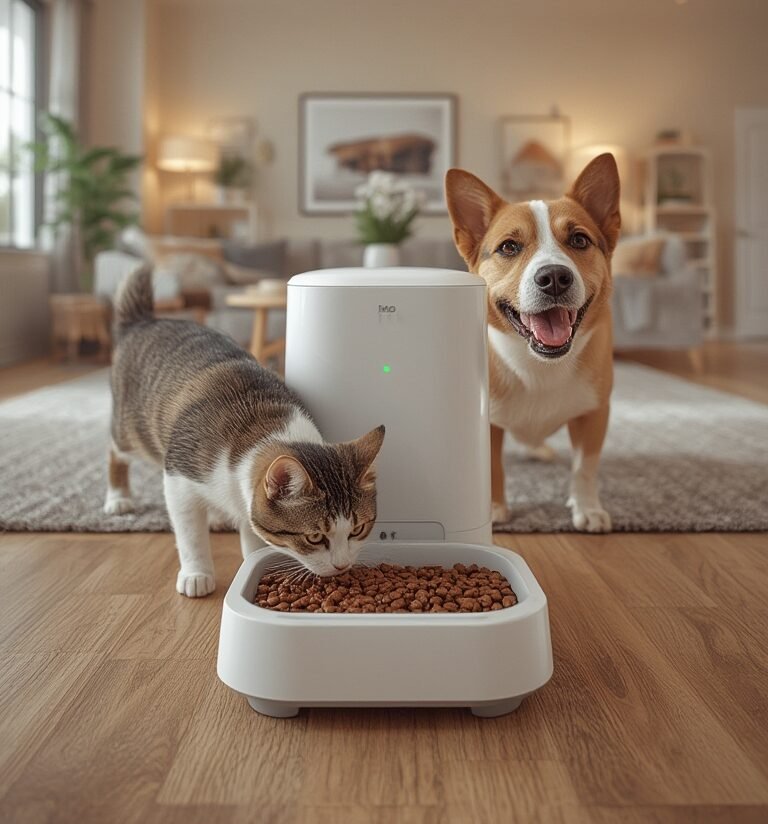
Smart pet feeders streamline daily routines and can improve portion control for pets—yet lack of transparent pricing, third-party reliability data, and proven health outcomes means research and user vigilance are essential. Whether you have a tech-savvy home full of connected devices or simply seek convenience, always vet products and pair smart pet feeders with traditional bowls for backup. Ready to explore the latest in smart pet feeder technology? Compare models, read independent reviews, and invest with confidence so both you and your pet get the best experience.
Expand your pet tech knowledge with our guides on cat sofas and dog enrichment toys for a truly modern, happier pet home.
Frequently Asked Questions (FAQ)
Are smart pet feeders secure against hacking or cyberattacks?
Current public research does not report any major security breaches involving smart pet feeders, but lack of data makes it difficult to assess risk. Always use strong Wi-Fi passwords and keep mobile apps updated to lower vulnerability.
Can my pet break into or damage the feeder?
Most designs are resistant to basic tampering, but bored or motivated pets (especially large dogs) might eventually open cheaper or less-sturdy models. Monitor your pet’s interactions during the first days.
What if the Wi-Fi connection goes out?
If the feeder stores its schedule locally, feeding should continue as planned until power is lost. However, you may stop receiving app notifications or be unable to change schedules remotely, so always check manufacturer details before buying.
How often should I clean a smart pet feeder?
Typically, it’s best to clean food trays every few days for dry food, and with every refill for wet food. Some models are dishwasher-safe; always verify cleaning instructions for your specific feeder.
Do vets recommend smart pet feeders for specific health issues?
While portion and schedule management can help with some dietary needs, most veterinarians recommend supervision for overweight pets or those with health conditions. Use feeders as tools—not substitutes for owner attention or veterinary advice.